


Discover comprehensive information on braces treatment, Invisalign, and clear aligners. Find the best braces for teeth alignment and understand how to use retainers after braces. Learn about the cost of Invisalign treatment and explore various orthodontic treatment options and retainer types.
Embarking on a journey towards a straighter smile is an exciting step, and understanding your orthodontic treatment options is crucial. Whether you're considering traditional braces, the innovative Invisalign system, or other clear aligners, this guide will illuminate your path. We'll explore the best braces for teeth alignment, delve into the specifics of invisible braces, discuss the cost of Invisalign treatment, and cover essential post-treatment care with retainers. Get ready to discover the most effective and aesthetically pleasing solutions for achieving your perfect smile.Understanding Your Orthodontic Treatment Options
Navigating the world of orthodontic treatment can seem complex, but breaking it down reveals a range of effective solutions designed to achieve optimal dental and facial harmony. Traditionally, metal braces have been a cornerstone of dental correction. This tried-and-true method utilizes metal brackets bonded to the teeth and connected by wires, which are systematically adjusted to gradually guide teeth into their ideal positions. The efficacy of braces treatment is well-documented, making them a reliable choice for many.
Exploring Discreet and Modern Alternatives
For individuals seeking a less conspicuous approach to straightening their smile, several alternatives to traditional metal braces exist. Ceramic braces offer a similar mechanism to metal braces but feature tooth-colored brackets that blend more seamlessly with the natural shade of your teeth, making them a more aesthetically pleasing option. Another discreet choice is lingual braces, which are custom-made and attached to the back surfaces of the teeth. This placement renders them virtually invisible from a frontal view, providing effective teeth alignment without compromising the aesthetics during treatment. Each of these methods offers a robust solution for achieving desired results in braces treatment.
Beyond bracket-and-wire systems, the advent of clear aligners has revolutionized orthodontic care. These custom-made, transparent trays are designed to fit snugly over the teeth and are replaced sequentially over a period of time. Each aligner exerts gentle pressure to gradually move teeth. Many patients find the removable nature of clear aligners offers significant lifestyle advantages, allowing for easier cleaning and fewer dietary restrictions compared to traditional fixed appliances. The choice among these varied orthodontic solutions often hinges on individual needs, lifestyle considerations, and the specific orthodontic challenges that require addressing. For a deeper dive into comparing some of these leading methods, you might find this guide helpful: Braces vs. Invisalign: Your Ultimate Orthodontic Guide. Understanding your options is the first step toward a confident, healthy smile.
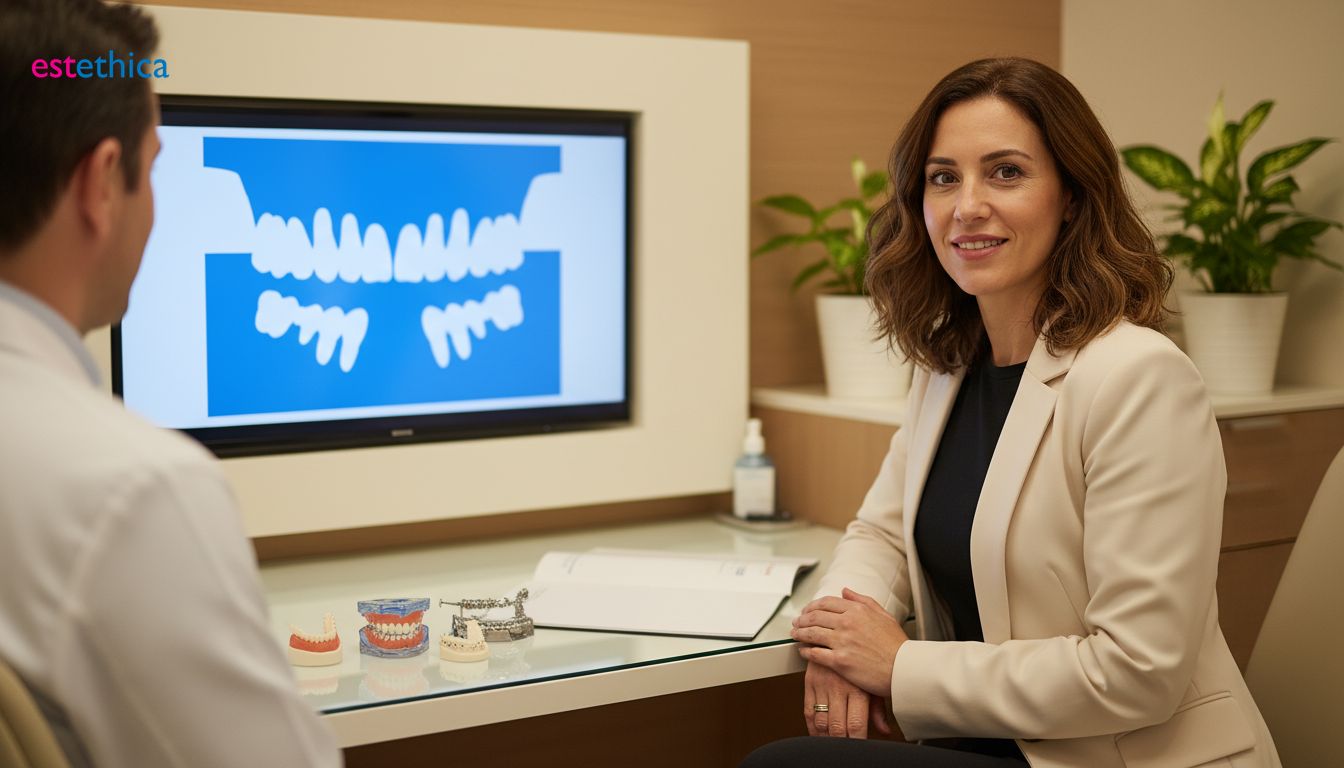
The Best Braces for Teeth Alignment: A Comparison
Choosing the right type of dental hardware for straightening your smile is a pivotal step in achieving your desired results. Several effective options are available, each with its unique advantages and considerations. The ideal choice often hinges on a combination of factors including the complexity of your bite issue, aesthetic preferences, and personal comfort during the entire braces treatment process. Understanding these differences can empower you to make an informed decision in consultation with your orthodontist.
Understanding Your Orthodontic Options
For many, traditional metal braces represent the gold standard. These robust appliances are highly effective at correcting a wide spectrum of misalignments, from minor gaps to significant bite problems. Their proven track record, durability, and generally more accessible price point make them a popular and reliable choice for comprehensive braces treatment. While undeniably effective, their metallic appearance can be a concern for some individuals, particularly adults seeking a more discreet solution.
Transitioning to aesthetics, ceramic braces offer a compelling alternative. Designed to blend seamlessly with the natural color of your teeth, these braces are significantly less conspicuous than their metal counterparts. This makes them a favored option for those who prioritize appearance during their straightening journey. While they provide excellent results, it's worth noting that ceramic braces might be slightly more susceptible to chipping compared to metal ones. Nevertheless, their effectiveness in achieving a beautifully aligned smile is comparable.
Discreet Solutions and Personalized Choices
When absolute discretion is paramount, lingual braces emerge as a sophisticated solution. These custom-made brackets are affixed to the inner surfaces of your teeth, making them entirely invisible from the outside. This "hidden" approach allows for effective orthodontic correction without compromising your smile's appearance during wear. However, lingual braces can sometimes influence speech patterns initially and may require a more meticulous cleaning routine. The decision between these different types of dental hardware is a personal one. For a deeper dive into comparing traditional appliances with a modern alternative, consider exploring Braces vs. Invisalign: Your Top Teeth Alignment Choice. Ultimately, the most suitable hardware for your specific needs will be determined after a thorough orthodontic evaluation, ensuring your braces treatment is tailored for optimal outcomes.
The effectiveness of any braces treatment plan, whether it involves metal, ceramic, or lingual appliances, is profoundly influenced by patient compliance and consistent care. While invisalign offers a different approach with its removable aligners, traditional braces provide a fixed and dependable method for complex corrections. Your orthodontist will assess your unique dental structure and discuss which hardware best aligns with your goals for both functionality and appearance.
Invisible Braces: The Invisalign Experience & Cost
The landscape of orthodontic care has been significantly reshaped by the advent of discreet treatment methods. Among these, systems utilizing transparent aligners, most notably invisalign, have surged in popularity. Their near-invisible appearance and enhanced convenience offer a compelling alternative to traditional metal braces. This approach to braces treatment typically begins with a comprehensive consultation, followed by a detailed digital scan of your teeth. This data allows your orthodontist to craft a precise, personalized treatment plan, mapping out the entire journey of your smile transformation.
The Invisalign Process and Its Advantages
The core of the invisalign system involves a series of custom-made, transparent plastic aligners. Each set is designed to apply gentle, controlled pressure, gradually shifting your teeth into their desired positions. Patients typically wear each aligner for approximately one to two weeks before progressing to the next in the sequence. This phased approach ensures a steady, comfortable progression towards your ideal smile. A major advantage of this modern braces treatment is the removability of the aligners. This feature greatly simplifies eating, drinking, and maintaining excellent oral hygiene compared to fixed appliances, contributing to a more seamless patient experience.
Understanding the Investment in Clear Aligners
When considering the financial aspect of clear aligner therapy, the invisalign cost is often comparable to that of conventional metal braces. However, the exact price can fluctuate based on several factors, including the complexity of your specific dental needs and the overall duration required for effective braces treatment. For many individuals, the aesthetic benefits and the unparalleled convenience offered by this type of braces treatment justify the investment. It represents a significant step forward in achieving a straighter smile with minimal disruption to daily life. For a more in-depth understanding of the various options available, you can explore our comprehensive guide on Braces & Invisalign: Your Smile Transformation.
Life After Braces: How to Use Retainers Correctly
Completing your braces treatment or invisalign journey marks a significant milestone, but the work isn't entirely done. Retainers are crucial for maintaining the incredible results you've achieved and preventing your teeth from shifting back to their original positions. Think of them as the final, essential step in preserving your newly aligned smile.
Understanding Your Retainer Options
Your orthodontist will guide you on the best retainer types for your specific needs. Two primary categories exist: fixed (bonded) retainers and removable retainers. Fixed retainers consist of thin wires permanently attached to the back of your teeth, offering constant support without requiring patient compliance for wear. Removable options include the classic Hawley retainer, which features a metal wire across the front and an acrylic base shaped to fit your palate, or clear plastic retainers that closely resemble invisalign aligners. Each type offers unique benefits, and the choice often depends on factors like your bite, jaw alignment, and lifestyle. For a comprehensive overview of your orthodontic journey, consider reading our article on Braces Treatment & Invisalign: Your Smile Journey.
The Importance of Consistent Retainer Wear
Regardless of the type prescribed, consistent use is paramount for long-term stability after your braces treatment. Initially, your orthodontist will likely recommend wearing your retainers full-time, removing them only for eating and cleaning. This intensive period helps your teeth settle into their new positions. Gradually, as your teeth become more stable, you'll transition to wearing them primarily at night. Adhering to this schedule is vital. Skipping retainer wear, even for a few nights, can allow subtle movements to begin. If you notice any discomfort or a change in how your retainer fits, contact your orthodontist immediately. This proactive approach ensures the success of your entire braces treatment and keeps your smile looking its best for years to come. Remember, maintaining your results requires ongoing commitment, and your retainers are your most important allies in this final phase of your braces treatment. Properly caring for your retainers, by cleaning them daily and storing them safely when not in use, will also prolong their lifespan and effectiveness, ensuring the success of your comprehensive braces treatment.

Comprehensive Guide to Advanced Orthodontic Treatments: Braces, Invisalign, and Clear Aligners
This guide provides an in-depth exploration of various orthodontic treatment options, focusing on achieving optimal dental and facial harmony through proven methodologies. We detail the mechanics of traditional metal braces, the discreet advantages of ceramic and lingual braces, and the innovative approach of clear aligners like Invisalign, ensuring a thorough understanding of each system.
Expertise is demonstrated through detailed comparisons of different braces for teeth alignment and clear explanations of the Invisalign process, including its advantages and cost considerations. The content emphasizes personalized choices and discreet solutions tailored to individual patient needs and preferences.
Our commitment to providing accurate and comprehensive information on orthodontic care highlights our dedication to patient education. We cover crucial aspects such as understanding your orthodontic options and the importance of post-treatment care with retainers.
Seamless Orthodontic Journeys: From Treatment to Retainer Care
Trust is built by meticulously explaining the Invisalign process, including the series of custom-made, transparent plastic aligners, and the associated investment in clear aligners. We demystify the experience, making it accessible and understandable for prospective patients.
Furthermore, the guide thoroughly addresses life after braces, focusing on how to use retainers correctly and exploring the various retainer types. This comprehensive approach to post-treatment care underscores our commitment to long-term patient satisfaction and the preservation of results.
Patient success is paramount, and this guide empowers individuals by breaking down the complexity of orthodontic treatments into actionable information. From understanding the different types of braces to mastering retainer usage, we ensure a path towards achieving a perfect, healthy smile.