


This content provides a comprehensive comparison of braces and Invisalign, detailing the benefits of clear aligners, factors to consider when choosing between them, the duration of orthodontic treatment, and the importance of retainers post-treatment.
Are you considering orthodontic treatment to achieve a straighter smile? The world of teeth alignment solutions has evolved significantly, offering more options than ever before. While traditional braces remain a popular choice for many, advancements have led to sophisticated alternatives like Invisalign and other clear aligners. Deciding between these methods can feel overwhelming. This guide will help you navigate the key differences, benefits, and considerations to make an informed decision about the best teeth alignment solution for your needs. We'll explore how to choose between braces and Invisalign, the benefits of invisible braces, and the importance of retainers post-treatment.Clear Aligners for Teeth Straightening Explained
Clear aligners have emerged as a transformative method in the pursuit of a straighter smile, offering a sophisticated and user-friendly alternative to traditional metal braces. Brands such as Invisalign have pioneered this approach, which utilizes custom-crafted, transparent trays to gradually guide teeth into their optimal positions. The treatment protocol involves a series of these nearly invisible aligners, with each set worn for approximately one to two weeks before being superseded by the next. This progressive series of adjustments is the cornerstone of how clear aligners for teeth straightening works, leading patients step-by-step towards their desired dental alignment.
The Advantages of Discreet Dental Correction
One of the most compelling benefits of clear aligners is their remarkable discretion. They are designed to be almost imperceptible when worn, making them an exceptionally popular choice for adults and adolescents who value aesthetics and wish to avoid the visual impact of conventional orthodontic appliances. This subtlety is a significant draw for individuals seeking treatment without compromising their professional or social appearances. Beyond their aesthetic appeal, clear aligners offer unparalleled flexibility. They are easily removable, allowing wearers to take them out for eating, drinking, and performing their daily oral hygiene routines. This ease of removal contributes to improved oral health by simplifying brushing and flossing and also means fewer dietary limitations compared to fixed braces. Many patients report a more comfortable and less intrusive experience overall, appreciating the freedom to maintain their lifestyle habits throughout the straightening process.
Navigating Your Clear Aligner Journey
Embarking on a journey with clear aligners for teeth straightening requires careful consideration and professional guidance. It is essential to consult with a qualified dental professional or orthodontist to ascertain if this treatment modality aligns with your unique dental needs and goals. An expert assessment will evaluate the complexity of your misalignment, your overall oral health, and your commitment to adhering to the treatment plan, particularly regarding consistent wear of the aligners. Success with clear aligners, much like other orthodontic treatments, hinges on patient compliance. The duration of treatment is variable and is tailored to each individual's specific situation, but the prospect of achieving a beautifully aligned smile often makes the commitment entirely worthwhile. For those exploring various options, it's helpful to understand the broader landscape of straightening treatments; you can find more comprehensive details in Braces & Invisalign: Your Ultimate Guide to Straightening Teeth.
How to Choose Between Braces and Invisalign
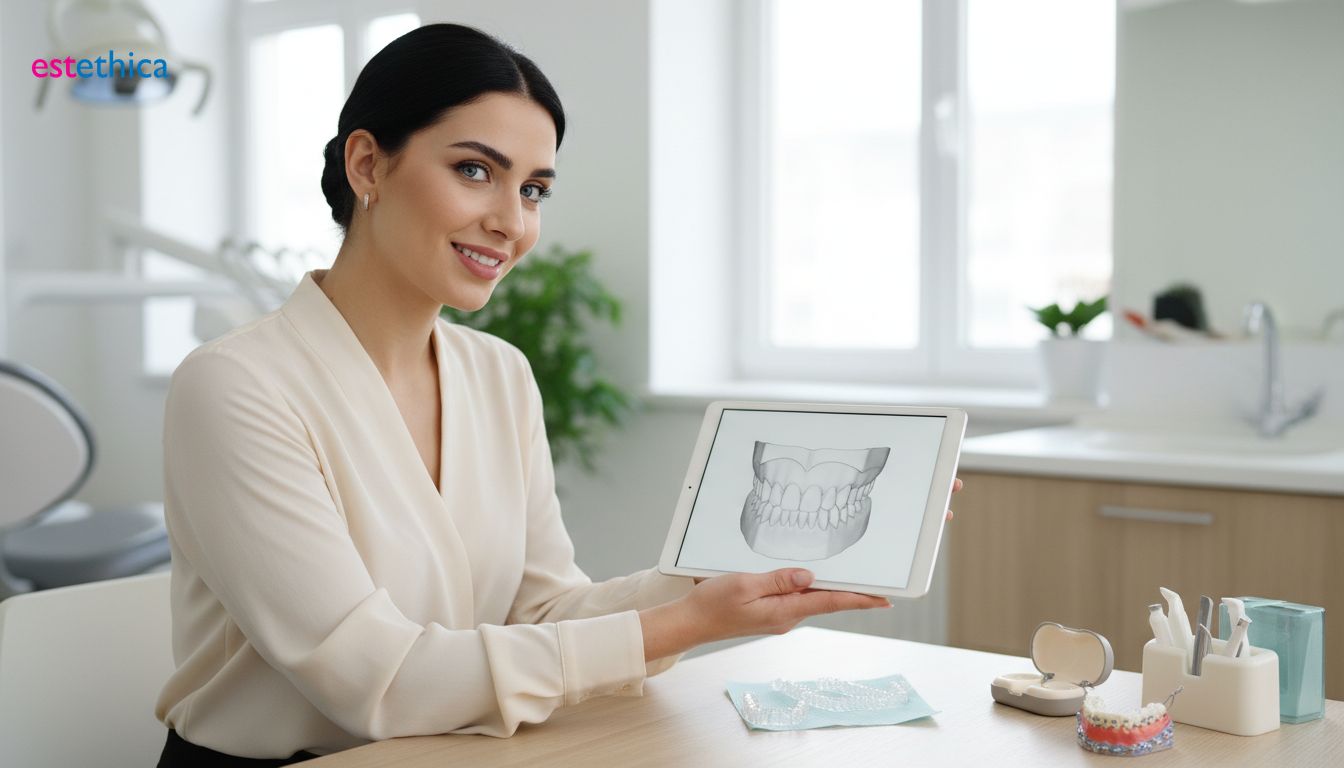
Deciding between conventional metal braces and modern invisalign aligners is a significant step in your journey towards a straighter smile. The best choice often hinges on a careful consideration of your individual lifestyle, financial considerations, and the specific orthodontic challenges you face. Traditional braces have long been the gold standard, proving highly effective for a broad spectrum of dental alignment issues, from minor crowding to more complex bite irregularities. This system involves attaching small brackets to your teeth, which are then connected by archwires and elastics. These components are periodically adjusted by an orthodontist to gradually shift your teeth into their desired positions. Because they are a fixed appliance, patients cannot remove them, ensuring consistent application of pressure.
Understanding Your Options: Braces vs. Clear Aligners
In contrast, invisalign employs a series of virtually invisible, custom-made clear aligners. This offers a distinct advantage for individuals who prioritize discretion and a less obtrusive treatment experience. The removable nature of these aligners allows for easier maintenance of eating habits and more straightforward oral hygiene practices, such as brushing and flossing. However, it's important to note that for very complex bite problems or cases requiring significant tooth rotation or vertical movement, traditional braces might still be the more suitable or efficient option, although technological advancements are continually expanding the capabilities of clear aligner systems. The ultimate success of any treatment plan using removable aligners is heavily dependent on patient compliance; the aligners must be worn diligently for at least 20 to 22 hours each day to achieve the intended results. For a more comprehensive overview of the differences, you can refer to Braces vs. Invisalign: Your Ultimate Orthodontic Guide.
When making your decision, contemplate the severity of your misalignment. For significant issues, metal braces might provide more predictable and faster outcomes. If your needs are mild to moderate and aesthetics are a primary concern, invisalign presents an excellent discreet alternative. Your orthodontist will conduct a thorough examination of your teeth and bite, and based on this assessment, they can offer personalized recommendations tailored to your unique situation and goals, ultimately guiding you to the most appropriate teeth straightening solution for your needs.
Retainer Cost and Types After Orthodontic Treatment
Completing your journey to a straighter smile, whether with traditional braces or the innovative approach of invisalign clear aligners, marks a significant achievement. However, the process doesn't entirely conclude with the removal of these appliances. To preserve the hard-earned results and prevent teeth from drifting back to their original positions—a phenomenon known as relapse—retainers are an indispensable final step. These devices are meticulously designed to hold your teeth in their newly aligned places, safeguarding the aesthetic and functional improvements you've gained. Therefore, understanding the various types of retainers and their associated considerations is paramount for ensuring the long-term success and stability of your smile.
Types of Retainers and Their Features
There are primarily two categories of retainers: fixed and removable. Fixed retainers, often referred to as bonded retainers, consist of thin wires that are permanently affixed to the inner surface of your front teeth, typically on the lower arch. Their discreet nature makes them invisible to others, and they require no active participation from the patient in terms of wearing them. However, maintaining oral hygiene around fixed retainers, particularly flossing, can present a greater challenge.
In contrast, removable retainers offer greater flexibility. These can take the form of clear plastic trays, which closely resemble the aligners used in certain teeth alignment solutions, or Hawley retainers. Hawley retainers are characterized by a durable plastic base that rests against the roof of your mouth or palate, combined with a metal wire that encircles the front of your teeth, providing stability. The efficacy of removable retainers relies entirely on the patient's commitment to wearing them consistently as advised by their orthodontist. While clear aligners are a popular choice for active treatment, similar clear retainers are often used post-treatment.
When considering the overall cost of achieving a perfectly aligned smile, it's important to factor in retainer expenses. While the initial investment in treatments like Braces & Invisalign: Your Path to Straighter Teeth is significant, retainers are essential for maintaining these results. The cost can vary based on the type of retainer chosen. Removable clear retainers are often more budget-friendly upfront compared to custom-made Hawley retainers. Fixed retainers, though providing continuous support, may have a higher initial price and could incur further costs if they become damaged. It is generally recommended that patients wear their retainers indefinitely, especially during sleep, to ensure the stability and longevity of their corrected bite. Discussing these options with your orthodontist will help determine the best approach for your specific needs and long-term smile maintenance.
Benefits of Invisible Braces: A Comprehensive Look
Invisible braces, a category that includes clear aligners like invisalign, offer a multitude of benefits that appeal to a broad range of patients seeking orthodontic treatment. The most prominent advantage is their discreet nature. Unlike traditional metal braces with unsightly brackets and wires, these modern solutions are virtually undetectable, allowing individuals to undergo teeth straightening without drawing undue attention to their dental work. This aesthetic appeal makes them highly popular among adults and professionals who prioritize maintaining a polished appearance throughout their treatment journey. For those curious about the broader scope of orthodontic options, exploring the topic further in our Braces Treatment & Invisalign: Your Smile Journey guide can provide valuable context.
Enhanced Comfort and Convenience
Beyond aesthetics, the convenience afforded by clear aligners is a significant draw. Because they are removable, patients can take them out to eat, drink, and thoroughly brush their teeth. This flexibility ensures that dietary restrictions are minimal and that maintaining optimal oral hygiene is straightforward. Consequently, this often leads to a lower risk of cavities and gum issues that can sometimes be associated with traditional braces. The smooth plastic material of these aligners also tends to be considerably more comfortable, reducing the irritation and potential for mouth sores that can occasionally occur with the metal components of conventional braces.
A Smoother Treatment Experience
Furthermore, many patients find that the overall treatment experience with clear aligners is less intrusive and more comfortable. While the commitment to wearing the aligners consistently for the recommended duration is essential for achieving effective teeth straightening, the ability to remove them for special occasions or simply for personal comfort adds a remarkable layer of flexibility. The predictability of tooth movement with these advanced aligners has also improved dramatically, enabling successful correction of a wide array of misalignment issues. The benefits of using this type of appliance extend beyond the physical aspects, often contributing to improved self-confidence and a more positive overall journey toward achieving a beautifully straight smile. The technology behind invisalign continues to evolve, offering even more effective and comfortable solutions for a variety of dental concerns.
Expert Guidance on Braces vs. Invisalign for Teeth Alignment
Navigating orthodontic treatment requires a clear understanding of available solutions. This guide expertly details the nuances of traditional braces and advanced Invisalign clear aligners, empowering you to make an informed decision. We focus on explaining the effectiveness of clear aligners for teeth straightening and the step-by-step process involved.
Our expertise lies in demystifying complex dental procedures, ensuring you grasp the benefits of each option. We cover how to choose between braces and Invisalign, providing insights into which treatment best suits your specific needs and desired outcomes for a straighter smile.
With a comprehensive approach to teeth alignment solutions, we offer unparalleled knowledge in modern orthodontics. Our detailed content ensures that patients understand the advantages of discreet dental correction offered by clear aligners. We highlight the technology behind invisible braces and their role in achieving optimal dental health and aesthetics.
Your Trusted Partner in Orthodontic Treatment Planning
Building trust is paramount in dental care guidance. This resource offers a transparent look at the entire orthodontic process, from selecting the right method to managing the outcomes. We emphasize the importance of professional guidance when embarking on a journey with clear aligners for teeth straightening.
We prioritize clarity and comprehensiveness in detailing teeth alignment solutions. The content addresses common concerns, such as the duration of treatment with braces and the specific benefits of Invisalign. This ensures that patients feel secure and well-informed throughout their decision-making and treatment phases.
Readers will find comprehensive information on achieving a straighter smile, including detailed explanations of clear aligners for teeth straightening. The guide thoughtfully addresses the crucial step of choosing between conventional metal braces and modern Invisalign clear aligners, offering a balanced perspective. Post-treatment care, such as retainer cost and types, is thoroughly examined to support long-term success.
The content highlights the transformative potential of orthodontic treatment, particularly focusing on the advantages of discreet dental correction. We illuminate the smoother treatment experience that invisible braces can offer, alongside the convenience of removable retainers. This holistic view ensures a trustworthy foundation for your orthodontic journey.