


A comprehensive guide to achieving a straighter smile with various orthodontic treatments, focusing on braces, Invisalign, affordability, treatment timelines, and post-treatment care with retainers.
Embarking on the journey to a straighter smile is an exciting step towards enhanced confidence and improved oral health. Whether you're considering traditional braces or the discreet appeal of Invisalign, understanding your options is key. This guide will walk you through the various teeth straightening options available today, delve into the world of affordable braces treatment for achieving optimal dental alignment, explore the typical timeline for Invisalign treatment, and provide essential guidance on how to use retainers after braces to maintain your newly perfected smile. Discover the best path for your orthodontic treatment and achieve the radiant smile you've always desired.Exploring Teeth Straightening Options: Braces vs. Clear Aligners
When it comes to correcting misaligned teeth, individuals today are fortunate to have a broad spectrum of teeth straightening options available. While traditional metal braces have long been a reliable method for achieving straighter smiles, the landscape of orthodontic care has evolved significantly. Modern alternatives now complement these tried-and-true treatments, offering solutions tailored to various patient needs and preferences. These include options like ceramic braces, lingual braces fitted discreetly behind the teeth, and the increasingly popular clear aligners.
Among these advancements, clear aligners, with brands like invisalign leading the pack, present a nearly invisible approach to smile correction. These custom-fabricated trays are designed to fit snugly over the teeth and are worn sequentially, gradually shifting them into their desired positions. A significant advantage of clear aligners for teeth straightening is their removability. This feature simplifies daily routines, allowing for easier brushing and flossing, and enables patients to enjoy their favorite foods without restriction, unlike traditional fixed appliances. The transparency of the aligners makes them an aesthetically appealing choice for many.
Understanding the Choices
The decision between choosing fixed appliances or clear aligners for teeth straightening often hinges on several factors. The complexity of the orthodontic issue plays a crucial role; some severe misalignments might still be best addressed with the robust mechanics of traditional braces. However, for many moderate cases, clear aligners offer a compelling alternative. Lifestyle considerations are also paramount. Busy professionals or individuals who are self-conscious about the appearance of dental work during treatment often gravitate towards the discreet nature of clear aligners. Furthermore, aesthetic preferences are increasingly driving patient choices, pushing the demand for less visible solutions.
Ultimately, both fixed appliances and clear aligners serve the primary goal of improving dental alignment and function, leading to a healthier bite and a more confident smile. Exploring the nuances of each method is the essential first step toward making an informed decision that aligns with your specific circumstances. For those interested in comparing these top solutions, you can learn more about Braces & Invisalign: Top Teeth Alignment Solutions to gain further insight into their respective benefits and suitability.
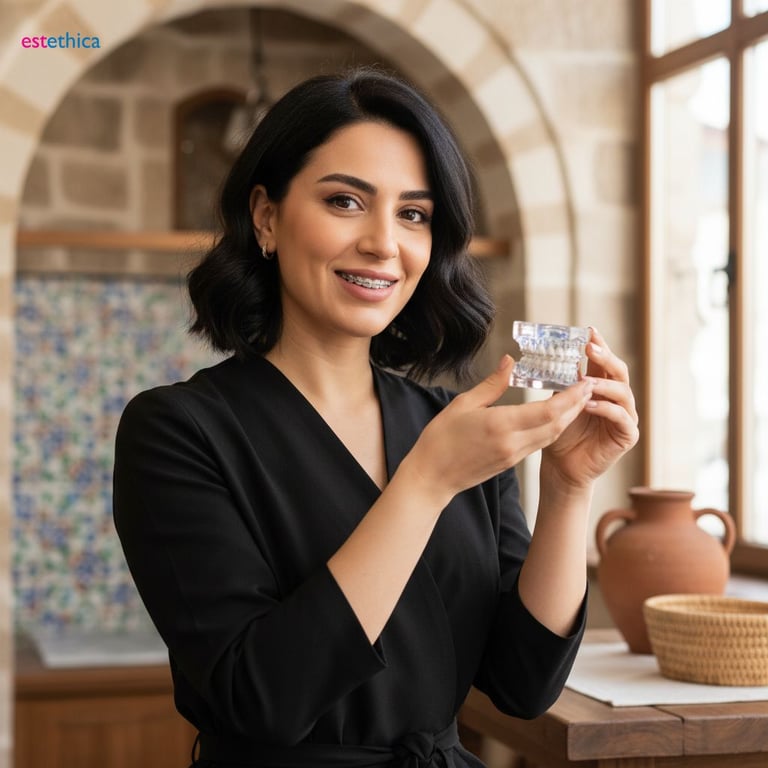
Affordable Braces Treatment for Optimal Dental Alignment
Achieving a beautifully aligned smile is often a key goal for improving both your appearance and the overall health of your mouth. Fortunately, achieving optimal smile correction is more accessible than ever, thanks to a range of more budget-friendly orthodontic solutions. While many envision traditional metal brackets and wires when they think of corrective devices, the field of orthodontics has seen significant advancements. Today, various options are available to help individuals attain the smile they desire without prohibitive costs.
Exploring Your Smile Correction Journey
The path to a straighter smile involves understanding the different methods available and how they can fit your lifestyle and budget. Traditional metal braces remain a highly effective and often the most economical choice for many people. Their proven track record and durability make them a reliable option for correcting a wide range of alignment issues. Beyond metal, advancements have introduced more discreet alternatives. For those seeking a less visible approach, options like ceramic braces or even clear aligners can be considered. Each type offers a unique balance of aesthetics, effectiveness, and cost, allowing for personalized treatment plans.
When considering any form of smile correction, it's essential to consult with experienced orthodontic professionals. They can provide a comprehensive evaluation and discuss the full scope of treatment, including any associated expenses. Understanding the total cost, from initial consultations and fitting to regular adjustments and post-treatment care, is crucial for making informed decisions. Many providers now offer flexible payment plans and financing options, making advanced orthodontic care attainable for a broader population. Exploring options like Braces and Invisalign: Modern Smile Straightening Options can help you weigh the benefits of different systems.
Making Orthodontic Care Achievable
The primary objective of any intervention aimed at improving your smile is to achieve proper alignment, leading to improved function and a boost in self-confidence. Financial considerations should not be a barrier to achieving this significant health and aesthetic improvement. By exploring the various types of corrective devices and discussing financial assistance with your provider, you can embark on a journey toward a healthier, more radiant smile. The availability of varied treatment approaches and flexible payment structures ensures that achieving your perfect smile is within reach for more individuals than ever before.
Invisalign Treatment: How Long Does It Take?
A question frequently asked by those considering a smile transformation with clear aligners is, "How long does Invisalign treatment take?" The duration of your Invisalign journey is not a one-size-fits-all answer; it's a personalized timeline that can vary significantly from one individual to another. The primary factor influencing the length of treatment is the complexity of your specific dental alignment issues.
On average, most patients find their Invisalign treatment falls within the 12 to 18-month range. However, for simpler cases involving minor adjustments, a resolution might be achieved in as little as 6 months. Conversely, more intricate orthodontic challenges that necessitate extensive tooth movement could extend the treatment period beyond 18 months, sometimes even up to 24 months or more in complex scenarios. It's beneficial to consult with your orthodontist to get a tailored estimate for your situation.
Factors Influencing Treatment Duration
Several elements contribute to the overall timeline of your clear aligner therapy. The degree of crowding or spacing between your teeth plays a significant role. More pronounced misalignments naturally require more time to correct. Similarly, the presence of bite issues, such as overbites, underbites, or crossbites, can influence how long you'll need to wear your aligners. Perhaps one of the most crucial factors within your control is patient compliance. Adhering to the recommended 20-22 hours of daily wear for your aligners is paramount for achieving results within the projected timeframe. Inconsistent wear means less progress and potentially longer treatment.
Regular check-ups with your orthodontist are also vital. These appointments allow your dental professional to monitor your progress, make any necessary adjustments to your treatment plan, and ensure everything is on track for a successful outcome. Understanding this timeline can help you set realistic expectations and look forward to the remarkable smile you'll achieve. For a broader understanding of different dental correction methods, you can explore Your Guide to Braces & Teeth Straightening Options.
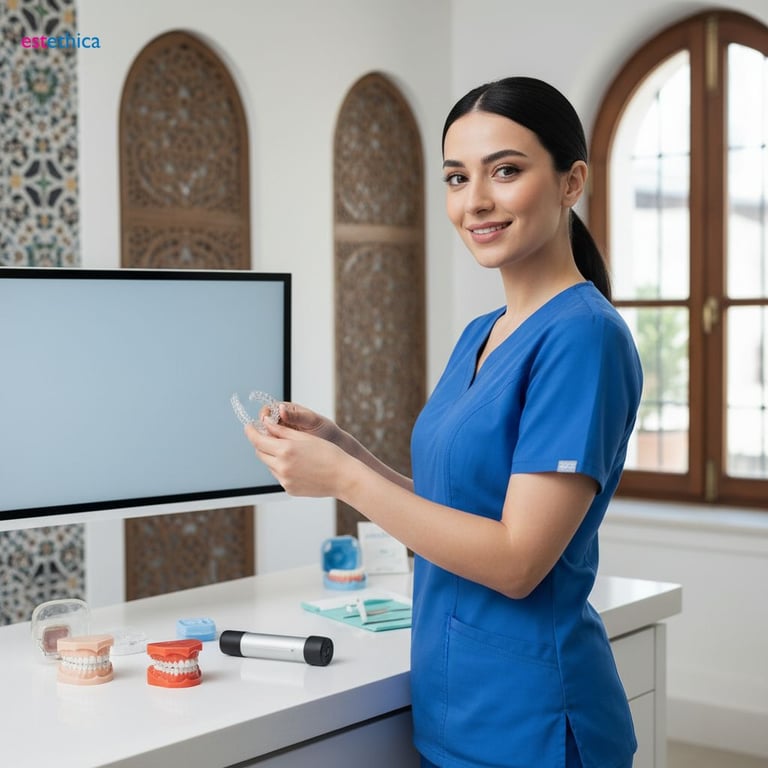
Life After Braces: How to Use Retainers Correctly
Completing your orthodontic treatment is a major milestone, but the journey doesn't end when the braces come off. Understanding how to use retainers after braces is critical for maintaining the results of your hard work. Retainers are custom-made appliances designed to hold your teeth in their new, straightened positions. Without them, teeth can gradually shift back towards their original alignment – a phenomenon known as relapse. This is why your orthodontist will emphasize the importance of retainer wear following the removal of your initial corrective devices.
Understanding Retainer Types
There are typically two main categories of retainers: fixed (bonded) retainers and removable retainers. Fixed retainers consist of wires permanently attached to the back of your teeth, offering constant retention. Removable retainers, on the other hand, come in various forms, often resembling clear aligner trays similar to those used in Braces & Clear Aligners: Your Guide to Teeth Straightening, or the classic Hawley-style devices with a plastic base and metal wire. Your orthodontist will recommend the best type of retainer for your specific needs and provide detailed instructions on proper usage. For those who have undergone treatment with Braces & Clear Aligners: Your Guide to Teeth Straightening, the transition to retainers is often straightforward, as the removable type may feel familiar.
Maintaining Your Smile with Retainers
Consistent, long-term wear, as directed by your orthodontist, is essential for preserving your beautiful smile and ensuring the success of your orthodontic treatment. Initially, you might be instructed to wear your retainers full-time, only removing them to eat and brush your teeth. As your teeth stabilize, your orthodontist may adjust the wearing schedule, perhaps moving to nighttime wear only. It's crucial to follow these instructions precisely. Regular cleaning of your retainers is also vital to keep them hygienic and free from bacteria. Gently brush them with a soft toothbrush and non-abrasive toothpaste, or use a specialized retainer cleaner. Avoid hot water, which can warp the material. If you have removable retainers, always store them in their designated case when not in use to prevent damage or loss. Skipping retainer wear, even for a few days, can allow some tooth movement to occur, potentially reversing the progress made. Your orthodontist will schedule follow-up appointments to monitor your retainer fit and the stability of your teeth. Remember, retainers are your partners in maintaining a confident, straight smile for years to come, complementing the excellent results achieved after your initial phase with braces.
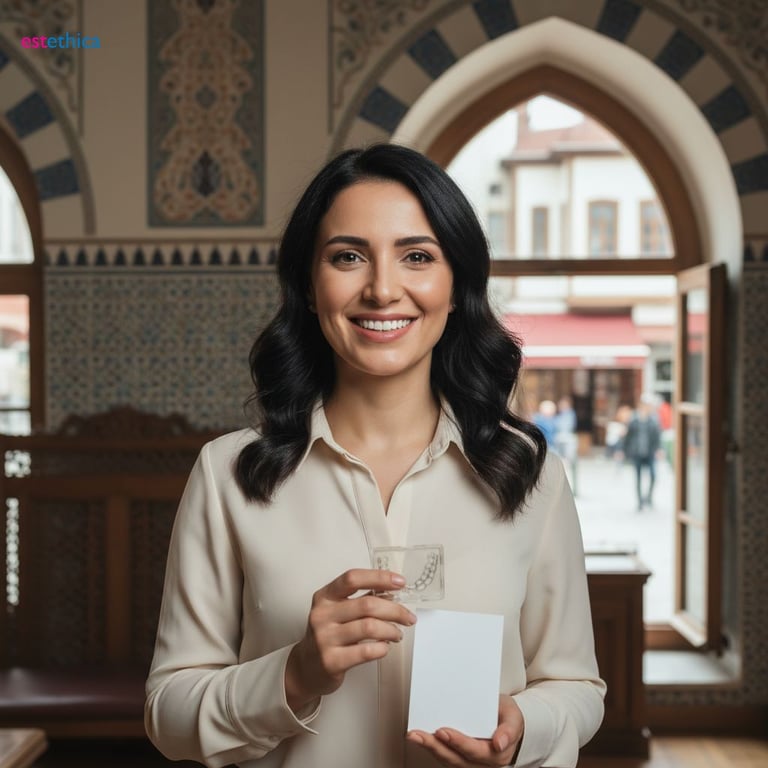
Advanced Dental Alignment with Braces and Invisalign
We offer comprehensive solutions for esthetic and functional diş düzeltme (dental correction) using both traditional braces and the innovative Invisalign system. Our expertise covers a range of orthodontic treatments designed to enhance your smile's appearance and overall health.
Metal and clear braces, alongside Invisalign clear aligners, represent the forefront of modern orthodontic technology. We meticulously guide patients through their smile transformation journey, ensuring optimal results through personalized treatment plans.
Our orthodontic professionals possess extensive experience in executing complex dental alignment procedures. We are committed to providing advanced treatment options that address both esthetic and functional concerns for our patients.
We are dedicated to staying abreast of the latest developments in orthodontic care, enabling us to offer cutting-edge solutions that lead to improved patient outcomes and satisfaction.
Seamless Smile Transformation: From Treatment to Long-Term Care
We prioritize transparency and patient education throughout the entire smile correction process. From initial consultation to post-treatment care, we ensure you are well-informed and comfortable.
Our commitment extends beyond initial treatment, offering clear guidance on how to use retainers correctly after braces or Invisalign to maintain your results. This ensures the longevity and stability of your perfectly aligned smile.
Patients consistently benefit from our affordable braces treatment options, making optimal dental alignment accessible. We believe that achieving a healthy, beautiful smile should be within reach for everyone.
The journey with Invisalign is streamlined, with clear communication regarding treatment duration, typically ranging from 12 to 18 months on average. Our goal is to make your orthodontic experience as smooth and effective as possible.