


Comprehensive overview of otoplasty surgery, covering techniques for protruding ears, ear cartilage reshaping, and cosmetic correction for natural, confident results.
Are you considering otoplasty surgery to address prominent or misshapen ears? This guide delves into the details of ear correction surgery, offering insights into the procedures, techniques, and expected outcomes. Whether you're curious about ear cartilage reshaping surgery or seeking cosmetic ear surgery correction for yourself or a loved one, understanding the process is key. We'll explore what otoplasty surgery entails, why individuals opt for it, and how modern surgical methods achieve natural-looking results, providing a comprehensive overview for anyone interested in otoplasty.What is Otoplasty Surgery for Protruding Ears?
Otoplasty is a specialized cosmetic procedure designed to significantly improve the appearance of ears that protrude excessively from the head. Often referred to as ear surgery, it addresses concerns related to prominent or misshapen ears, providing a solution for individuals who feel self-conscious about their ear's aesthetic. The fundamental goal of this surgery is to reshape the ear's underlying cartilage and skin, bringing the ears into a more natural and balanced proportion with the rest of the face. This can involve adjusting the angle at which the ears stick out, reducing their overall size, or refining their shape for greater symmetry.
Understanding the Otoplasty Procedure
The technique employed during otoplasty focuses on manipulating the ear cartilage. In cases of prominent ears, the cartilage may be too stiff, preventing it from folding naturally, or it may be underdeveloped in certain areas, causing the ear to stick out more. The surgeon will carefully create subtle folds or use sutures to secure the cartilage in a new position, effectively setting the ear closer to the head. The incisions are typically made in the natural creases behind the ear or within the folds of the ear, making them virtually invisible once healed. This ensures that the aesthetic improvements are natural-looking and the scarring is minimal. For a deeper understanding of how prominent ears can be corrected, exploring resources like Otoplasty & Ear Surgery: Correct Prominent Ears can be beneficial.
Who is a Candidate for Otoplasty?
While many associate this procedure with children, typically around the age of five or once their ear cartilage has matured sufficiently, adults also frequently seek otoplasty. The decision to undergo this form of ear surgery is often driven by a desire to alleviate self-consciousness and improve self-esteem. For children, it can prevent potential teasing and bullying. For adults, it's a way to achieve facial harmony they may have desired for years. The suitability for otoplasty surgery for protruding ears depends on an individual's overall health and specific ear anatomy. A thorough consultation with a qualified plastic surgeon is essential to determine the best approach and expected outcomes for otoplasty surgery for protruding ears.

Expert Ear Cartilage Reshaping Surgery Explained
At the heart of achieving a natural and aesthetically pleasing ear appearance lies the intricate process of ear cartilage reshaping surgery. This crucial component of the broader Otoplasty Surgery: Expert Ear Correction & Reshaping procedure focuses on modifying the fundamental framework of the ear – its cartilage. This underlying structure dictates not only the ear's shape and size but also its projection from the head.
Understanding the Cartilage's Role
The ear's cartilage is a resilient yet pliable tissue that forms its distinct contours. In cases of prominent ears, often referred to as 'bat ears', the cartilage may lack the natural inward fold (the antihelical fold) or be excessively large, causing the ear to stick out more than desired. The goal of expert ear surgery is to meticulously address these specific anatomical characteristics. Surgeons employ a variety of sophisticated techniques to sculpt, fold, and set the cartilage, thereby creating a more harmonious balance with the rest of the facial features. This isn't merely about pushing the ear back; it’s about carefully reconstructing its shape to achieve a refined and natural look. The precision required for this type of ear surgery demands a keen eye for detail and an understanding of facial aesthetics.
Surgical Techniques for Cartilage Modification
Several methods are utilized in ear surgery to reshape the cartilage. One common approach involves carefully folding and suturing the cartilage to create or enhance the antihelical fold, which helps the ear lie closer to the head. In other instances, excess cartilage may be removed to reduce the overall size of the ear. For ears that protrude significantly, the posterior surface of the cartilage may be scored or reshaped to allow the ear to be positioned more naturally against the scalp. The choice of technique in otoplasty surgery for protruding ears is highly individualized, tailored to the unique anatomy of each patient's ear and their specific aesthetic goals. Successful otoplasty surgery for protruding ears relies on the surgeon's ability to artfully manipulate this cartilage, ensuring that the results are both structurally sound and visually appealing. This specialized ear surgery is a testament to the blend of scientific knowledge and artistic skill involved in reconstructive and cosmetic procedures.
Achieving Natural Results with Cosmetic Ear Surgery Correction
The primary ambition of any successful cosmetic ear surgery correction is to achieve outcomes that appear entirely natural and integrate harmoniously with the individual's facial features. Modern surgical techniques, often referred to collectively as Otoplasty: Expert Ear Surgery for Prominent Ears, prioritize subtle refinements over dramatic alterations. The goal isn't to create perfectly identical ears, but rather ears that are well-proportioned and aesthetically pleasing in relation to the rest of the face.
Skilled surgeons focus on achieving a balanced and symmetrical appearance between both ears. This meticulous approach ensures that the ears do not look obviously "operated on," a common concern for patients seeking enhancement. Instead, the aim is to gently reposition or reshape the ear cartilage, creating a more subtle profile that enhances overall facial balance. This thoughtful consideration of each patient's unique anatomy is crucial for delivering results that boost confidence without drawing unwanted attention to the ears themselves.
The Art of Subtle Refinement
Achieving a natural look involves understanding the nuances of ear anatomy and how it contributes to facial aesthetics. Surgeons employ various methods to achieve this, carefully considering the angle of protrusion, the prominence of the helix, and the depth of the concha. The effectiveness of the ear surgery lies in its ability to correct the perceived aesthetic issue while maintaining the individual's unique ear shape and characteristics. This delicate balance is what leads to high patient satisfaction, as the corrected ears blend seamlessly into their overall facial structure.
Comparing Surgical Approaches to Ear Correction
Different techniques within otoplasty surgery for protruding ears address specific aspects of ear shape and position. While the exact methods may vary, the overarching aim remains the same: natural-looking improvement. Understanding these variations can help patients appreciate the tailored approach taken by experienced surgeons.
This careful consideration ensures that each patient receives a personalized treatment plan. The ultimate success of the ear surgery is measured not just by the correction of the prominent ears, but by the patient's satisfaction with a result that looks and feels completely natural. The skill involved in otoplasty surgery for protruding ears is in its subtlety, creating an improved aesthetic without compromising individuality.
The Process of Ear Pinning Surgery
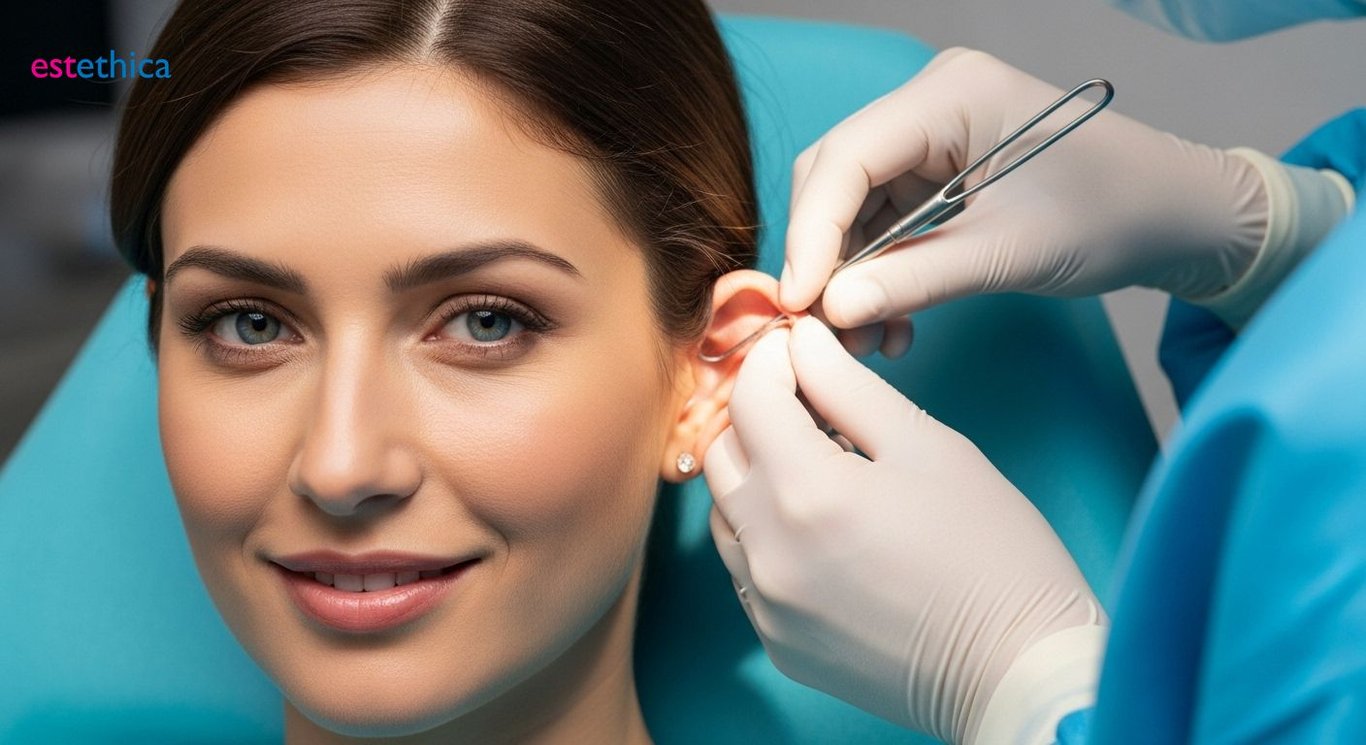
Ear pinning surgery, more formally known as otoplasty, is a refined procedure designed to address protruding ears and enhance facial harmony. This type of ear surgery is sought after by individuals of all ages looking to improve the appearance and self-confidence associated with ear prominence. Understanding the typical steps involved can demystify the process and help in setting realistic expectations for both the procedure and the recovery period.
The Surgical Procedure Explained
The journey typically begins with a consultation where the surgeon discusses the patient's goals and assesses the ear's anatomy. For adults and older children, the otoplasty procedure is often performed under local anesthesia combined with sedation, ensuring comfort and awareness during key stages. Younger children usually receive general anesthesia for their safety and comfort throughout the ear surgery. A small incision is carefully made behind the ear, in the natural crease, making it virtually invisible once healed. Through this opening, the surgeon gains access to the underlying ear cartilage. The primary goal is to reshape the cartilage to bring the ears closer to the head, creating a more proportionate appearance. This can involve carefully folding or thinning the cartilage, or using sutures to secure it in its new position. The specific techniques employed are tailored to the individual's ear structure and the degree of protrusion. The entire otoplasty surgery for protruding ears is meticulously planned to achieve natural-looking results.
Recovery and Aftercare
Following the procedure, a supportive headband is typically worn. This is a crucial element of the recovery phase, as it helps to protect the newly positioned ears and maintain the desired shape while the tissues heal. Patients are usually advised to wear this headband, especially during sleep, for a specified period, often a few weeks. Mild discomfort and swelling are common and can be managed with prescribed pain medication and cold compresses. Most individuals can return to normal, non-strenuous activities within a week or two, though contact sports and vigorous exercise may require a longer waiting period. The visible scars are minimal due to the discreet incision placement. This approach to otoplasty surgery for protruding ears aims for both aesthetic improvement and a smooth recovery. For more detailed information on what this cosmetic procedure entails, you can refer to Otoplasty: Expert Ear Surgery for Balanced Aesthetics. The goal of this ear surgery is a balanced and natural look, boosting confidence significantly.

Expert Ear Cartilage Reshaping Techniques for Protruding Ears
Otoplasty surgery expertly addresses protruding ears by focusing on the intricate manipulation of ear cartilage. This specialized procedure reshapes the underlying cartilage and skin to create a more natural and balanced ear appearance, aligning them harmoniously with facial features.
The surgical techniques employed in ear cartilage reshaping surgery are designed to modify the cartilage's structure, reducing its protrusion and refining its shape for improved symmetry. This meticulous approach ensures that the ears achieve their ideal contours.
Our surgeons possess deep expertise in reconstructive and cosmetic ear surgery, specializing in advanced otoplasty procedures. We are dedicated to understanding the unique anatomy of each patient's ear cartilage to deliver precise and effective reshaping.
Through a combination of proven surgical methods and a keen artistic eye, we aim to restore natural ear aesthetics, ensuring a satisfying and confidence-boosting outcome for every individual seeking ear correction.
Comprehensive Guide to Otoplasty Surgery and Ear Pinning
This comprehensive guide to otoplasty surgery provides clear insights into the process of ear pinning surgery, demystifying what otoplasty surgery entails. We detail the steps involved, from initial consultation to post-operative care, ensuring transparency and patient confidence.
Our commitment to patient well-being is reflected in our meticulous pre-operative planning and dedicated aftercare. We ensure a smooth and comfortable recovery journey, building trust through attentive and supportive patient management.
Patients frequently express their satisfaction with the natural-looking improvements achieved through our otoplasty procedures. The ability to bring ears into natural proportion with the face significantly boosts confidence and self-perception.
We are trusted by individuals seeking reliable solutions for protruding ears, offering a pathway to renewed self-assurance through expertly performed cosmetic ear surgery correction.