


Otoplasty, or ear surgery, is a procedure to correct prominent or misshapen ears. This guide covers what otoplasty surgery is, how it fixes protruding ears, the recovery process, and manages post-operative discomfort, providing comprehensive insights into ear reshaping.
Are you considering otoplasty? This guide delves into the world of ear surgery, specifically focusing on procedures designed to correct prominent ears. If you've ever wondered about ear reshaping, how to fix protruding ears through surgery, or the overall otoplasty procedure, you've come to the right place. We'll explore what otoplasty surgery entails, the recovery process, and address common concerns, including whether is otoplasty painful. Discover how ear correction surgery can enhance your confidence and understanding of this transformative procedure.Understanding Otoplasty: A Guide to Ear Correction Surgery
Otoplasty, commonly referred to as ear surgery, is a transformative cosmetic procedure designed to enhance the appearance and proportion of the ears. It is a highly sought-after solution for individuals experiencing aesthetic concerns related to their ears, most notably prominent or misshapen ears, often colloquially termed 'bat ears'. The fundamental aim of this type of ear surgery is to create a more harmonious balance between the ears and the overall facial structure, leading to improved self-confidence and a more refined aesthetic profile.
The techniques employed in otoplasty surgery for prominent ears are precise and tailored to individual needs. Typically, the procedure involves making discreet incisions, often situated behind the ear or within its natural folds. This access allows the surgeon to meticulously reshape, reposition, or sometimes remove a portion of the ear's cartilage. The goal is to achieve a natural-looking contour that is less conspicuous and better aligned with facial features. This ear surgery is not exclusive to adults; many children also benefit from the procedure, particularly those who may be subjected to teasing or develop self-consciousness due to the appearance of their ears. Successfully addressing these concerns can significantly boost a young person's self-esteem.
What is Otoplasty and Who Benefits?
The journey towards understanding otoplasty begins with recognizing its primary objectives. It’s not merely about pinning back protruding ears, but a comprehensive approach to ear reshaping that considers the unique anatomy of each patient. For those contemplating such a procedure, exploring detailed information is crucial. A valuable resource that delves into the specifics of this ear surgery is Otoplasty: Your Guide to Ear Surgery & Ear Pinning, which provides further insights into the process and potential outcomes. This guide emphasizes that the decision to undergo otoplasty surgery for prominent ears is a personal one, driven by a desire for improved self-perception and aesthetic satisfaction. The results of a well-executed procedure can be profoundly life-changing, offering a renewed sense of normalcy and confidence.
The Otoplasty Procedure and Its Goals
The core of the otoplasty procedure is the careful manipulation of the ear's cartilage. Surgeons utilize specialized techniques to create a more natural fold or to reduce the ear's overall protrusion from the side of the head. The incisions are designed to be as inconspicuous as possible, blending seamlessly with the ear's natural creases and contours. This attention to detail ensures that the final results are aesthetically pleasing and discreet. The goal is always to achieve an outcome that looks natural and enhances facial harmony, rather than creating an overtly "operated-on" appearance. The benefits extend beyond the physical, often leading to substantial psychological improvements for patients.

The Otoplasty Procedure: How to Fix Protruding Ears
The journey to correcting protruding ears, often referred to as "otoplasty surgery for prominent ears," is a meticulously planned and executed surgical art form. While each case is unique, tailored to the individual's specific ear anatomy, the overarching goal remains consistent: to create a more natural contour and optimal angle for the ears, bringing them closer to the head. This process, commonly known as otoplasty, is designed to enhance facial harmony and boost self-confidence.
The Surgical Approach
The surgical intervention typically begins with a discreet incision made along the natural crease behind the ear. This strategic placement ensures that any resulting scar is virtually imperceptible. Through this access point, the surgeon can directly address the underlying cartilage responsible for the ear's prominent appearance. In many successful otoplasty procedures, the cartilage is skillfully reshaped using fine sutures. These sutures are strategically placed to gently fold the ear, guiding it into a more aesthetically pleasing position closer to the head. In some instances, the surgeon may also carefully remove small amounts of excess cartilage or subtly thin the existing cartilage to achieve the desired ear reshaping. The complexity of the otoplasty procedure can vary significantly; for some individuals, it may involve a relatively straightforward repositioning, while for others, a more intricate sculpting of the cartilage might be necessary.
The expertise of the surgeon plays a pivotal role in determining the most effective approach for prominent ear correction. Their skilled hands and deep understanding of ear anatomy are crucial in achieving a subtle yet profoundly impactful improvement. The ultimate aim of this type of ear surgery is not to create unnaturally flat ears, but rather to achieve a natural look where the ears are harmoniously set against the head, no longer drawing undue attention. Understanding the nuances of this procedure can be further explored in resources like Unveiling Otoplasty: Sculpting Perfect Ears for Enhanced Harmony, which delves into the aesthetic principles behind ear modification.
Achieving Natural Results
The "otoplasty surgery for prominent ears" is a testament to the precision and artistry available in modern plastic surgery. It’s about refining, not radically altering, the ear's natural shape. The focus is always on creating symmetry and a balanced profile, ensuring that the corrected ears look as natural as possible. This procedure is a highly effective solution for those seeking to address the aesthetic concerns associated with ears that stand out too much. The careful planning and execution of the otoplasty procedure are key to achieving patient satisfaction and a significant improvement in self-esteem.
Otoplasty Surgery Recovery Time: What to Expect
Understanding the recovery timeline following otoplasty is crucial for a smooth and successful healing process. Immediately after your procedure, your surgeon will apply a surgical dressing or a specialized headband. This protective covering is essential for safeguarding your ears and helping to maintain their newly sculpted position. During the initial days, expect some degree of swelling and discomfort. This is a normal physiological response to any surgical intervention. Your surgeon will prescribe appropriate pain medication to manage any soreness effectively, ensuring your comfort.
Initial Recovery Phase
Most adults can anticipate returning to their regular work or school routines within approximately one to two weeks. However, it is vital to refrain from engaging in strenuous activities and contact sports for a minimum of several weeks to allow for adequate healing and to prevent any disruption to the surgical sites. Adhering strictly to your surgeon's post-operative instructions is paramount. This includes diligently keeping the surgical areas clean and dry, and consistently wearing the protective headband, especially during sleep, for the duration recommended by your medical provider. This careful attention significantly contributes to the optimal outcome of your otoplasty.
Long-Term Healing and Results
The full, aesthetically pleasing results of your otoplasty surgery become increasingly apparent as the swelling gradually subsides over the subsequent weeks and months. This period allows the intricate work of ear reshaping to fully reveal itself. For a comprehensive overview of the procedure itself, you might find this article helpful: Otoplasty: Expert Guide to Cosmetic Ear Surgery & Reshaping. This detailed guide complements the information provided here regarding recovery.
To give you a clearer picture of the recovery expectations, here's a comparative overview:
This otoplasty surgery is designed to provide lasting aesthetic improvements. The success of the ear surgery hinges significantly on diligent post-operative care and patience during the healing period. While initial discomfort is temporary, the aesthetic benefits of this ear surgery can be life-changing.

Is Otoplasty Painful? Managing Discomfort After Ear Surgery
A common question that arises when considering aesthetic ear modifications is: Is otoplasty painful? It’s natural to be concerned about discomfort following any surgical procedure. While some level of soreness is expected after ear surgery, the experience is generally quite manageable for most individuals. The sensation is typically described not as sharp, stabbing pain, but rather as a dull ache or a persistent throbbing around the treated area. This is a normal part of the healing process as the tissues adjust and recover.
Your surgeon will prioritize your comfort throughout the recovery period. Prescribed pain medications are highly effective in controlling any discomfort, ensuring you can rest and heal properly. Beyond pain, swelling and tenderness are the most common complaints patients report after undergoing otoplasty. These symptoms are temporary and usually begin to subside significantly within the first few weeks post-operation. Adhering strictly to your surgeon’s aftercare instructions is crucial for minimizing these side effects and ensuring a smooth recovery.
Minimizing Post-Operative Discomfort
Effective management of post-surgical discomfort relies on a combination of prescribed medication and careful adherence to recovery guidelines. Cold compresses, applied as directed by your surgeon, can be incredibly beneficial in reducing swelling and alleviating the throbbing sensation. Keeping the area cool helps constrict blood vessels, which can decrease inflammation. Furthermore, sleeping with your head slightly elevated is often recommended. This position aids in reducing fluid accumulation and pressure on your ears while you rest.
It’s also vital to avoid any direct pressure on your ears. This includes being mindful when dressing and undressing, and refraining from sleeping on your side. Gentle handling of the ears is paramount. For the vast majority of patients undergoing this type of reconstructive procedure, the temporary discomfort associated with the otoplasty is a minor concern when weighed against the long-term benefits. Achieving a corrected ear appearance and the subsequent boost in self-confidence are significant rewards that far outweigh the brief period of recovery.
Focusing on a Successful Recovery
The success of your otoplasty surgery for prominent ears isn't solely dependent on the surgical technique itself, but significantly on your post-operative care. By following your surgeon’s advice regarding medication, activity levels, and protective measures, you actively contribute to minimizing any potential pain and ensuring the best possible outcome for your otoplasty surgery for prominent ears. Remember, patience and diligence during the recovery phase are key to enjoying the final results of your ear surgery.
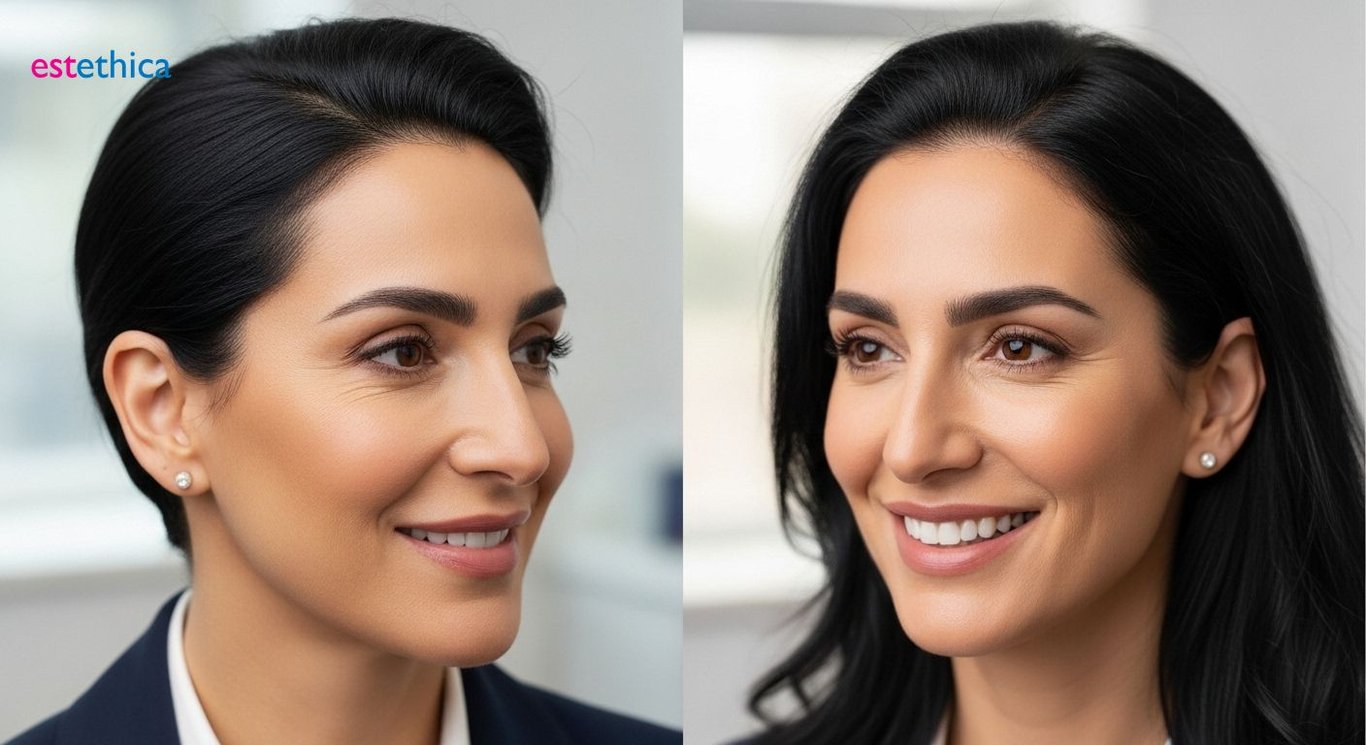
Precision Ear Reshaping Techniques for Natural Otoplasty Results
Otoplasty, or ear surgery, is a specialized cosmetic procedure focused on enhancing the appearance and proportion of the ears. This includes effective solutions for prominent ears, often referred to as 'bat ears', employing precise techniques to achieve aesthetic balance with the overall facial structure.
The core of the otoplasty procedure involves meticulous manipulation of the ear's cartilage to correct deformities or reduce protrusion. These techniques are carefully tailored to individual needs, ensuring that the surgical intervention results in a natural and harmonious outcome.
Expertise in otoplasty surgery for prominent ears is demonstrated through a deep understanding of ear cartilage reshaping and aesthetic principles. Surgeons utilize proven methods for prominent ear correction, addressing concerns about ear aesthetics and offering a refined profile through surgical ear correction.
This guide emphasizes the comprehensive nature of otoplasty, covering everything from understanding the procedure to managing post-operative discomfort. The focus remains on delivering successful outcomes for both adult ear surgery and child ear surgery, ensuring patient satisfaction.
Navigating Otoplasty Recovery: Expert Management of Discomfort and Expectations
Managing discomfort after ear surgery is a key aspect of a successful recovery. Protocols are in place to minimize post-operative discomfort, ensuring that patients can focus on healing and experiencing the benefits of their ear correction surgery.
The initial recovery phase typically involves specific care instructions and a period of rest. Most adults can anticipate returning to their regular work or school routines within approximately one to two weeks, with long-term healing continuing to refine the results.
Understanding otoplasty is the first step towards addressing concerns about prominent or misshapen ears. The comprehensive nature of this guide ensures clarity on what to expect, from the procedure itself to the anticipated outcomes.
The emphasis on patient well-being extends throughout the recovery period. This guide provides clear expectations regarding otoplasty surgery recovery time, reassuring individuals about the process and their return to normal activities.