


Comprehensive guide on otoplasty, covering ear surgery for protruding ears, how to reshape ear cartilage, ear pinning surgery, cosmetic ear surgery cost, and ideal candidates for ear correction surgery.
Are you self-conscious about the appearance of your ears? Otoplasty, commonly known as ear surgery for protruding ears, offers a transformative solution. This procedure is designed to reshape the ear cartilage, correcting prominent ears and enhancing facial harmony. Whether you're considering ear pinning surgery or simply seeking ear reshaping, understanding the process, candidacy, and cosmetic ear surgery cost is crucial. This guide delves into what otoplasty entails, providing insights for those looking to improve their confidence through ear correction surgery.What is Otoplasty? Understanding Ear Surgery
Otoplasty is a surgical procedure meticulously designed to alter the shape or position of the ear. While it can address various ear-related concerns, it is most frequently performed to correct protruding ears, effectively making them lie closer to the head. The term 'otoplasty' itself is rooted in ancient Greek, combining words that signify 'ear' and 'molding,' perfectly encapsulating the essence of this transformative surgery. This type of ear surgery for protruding ears can also be utilized to correct ears that may appear disproportionately large, are misshapen due to trauma, or exhibit unusual folds and contours that affect their aesthetic appeal.
The Scope and Goals of Otoplasty
It is crucial to distinguish otoplasty from other ear-related interventions. While it certainly has the capacity to correct congenital asymmetry or deformities, its primary and most common cosmetic application lies in addressing prominent ears. The ultimate goal of otoplasty is to achieve a natural and balanced appearance for the ears, harmonizing them with the overall facial structure. For many patients, particularly children and adolescents, this can lead to a significant boost in self-esteem and confidence, alleviating concerns that may have persisted for years. The surgical techniques employed in otoplasty surgery are varied and are carefully selected based on the specific correction required. Regardless of the method, the overarching aim is to create a subtle yet impactful enhancement that results in improved self-perception.
Achieving Aesthetic Harmony Through Ear Surgery
The desire for aesthetically pleasing ears is common, and otoplasty surgery provides a reliable solution for those bothered by prominent ears. The procedure focuses on reshaping the ear cartilage to create a more desirable contour and position. Understanding the intricacies of these techniques can provide valuable insight into the possibilities of aesthetic ear enhancement. For a deeper dive into the modern approaches used, exploring Otoplasty Surgery: Modern Ear Reshaping Techniques can offer comprehensive details. This detailed exploration helps prospective patients understand the commitment to achieving a refined and natural look. The success of otoplasty lies in its ability to correct perceived imperfections, leading to greater comfort and confidence in one's appearance. This ear surgery for protruding ears is a well-established procedure aimed at restoring symmetry and improving the overall facial profile.

Ear Pinning Surgery: How to Reshape Ear Cartilage
Ear pinning surgery, a specialized form of otoplasty, is designed to address the concern of ears that protrude excessively from the head. Unlike broader reconstructive procedures, this surgery specifically focuses on reducing the prominence of the ears, bringing them closer to the side of the head for a more balanced facial appearance. The underlying goal is to create a natural-looking antihelical fold – the inward fold at the top of the ear – which is often underdeveloped in individuals with protruding ears. In some instances, the size of the ear may also be slightly reduced if it contributes to the overall prominence.
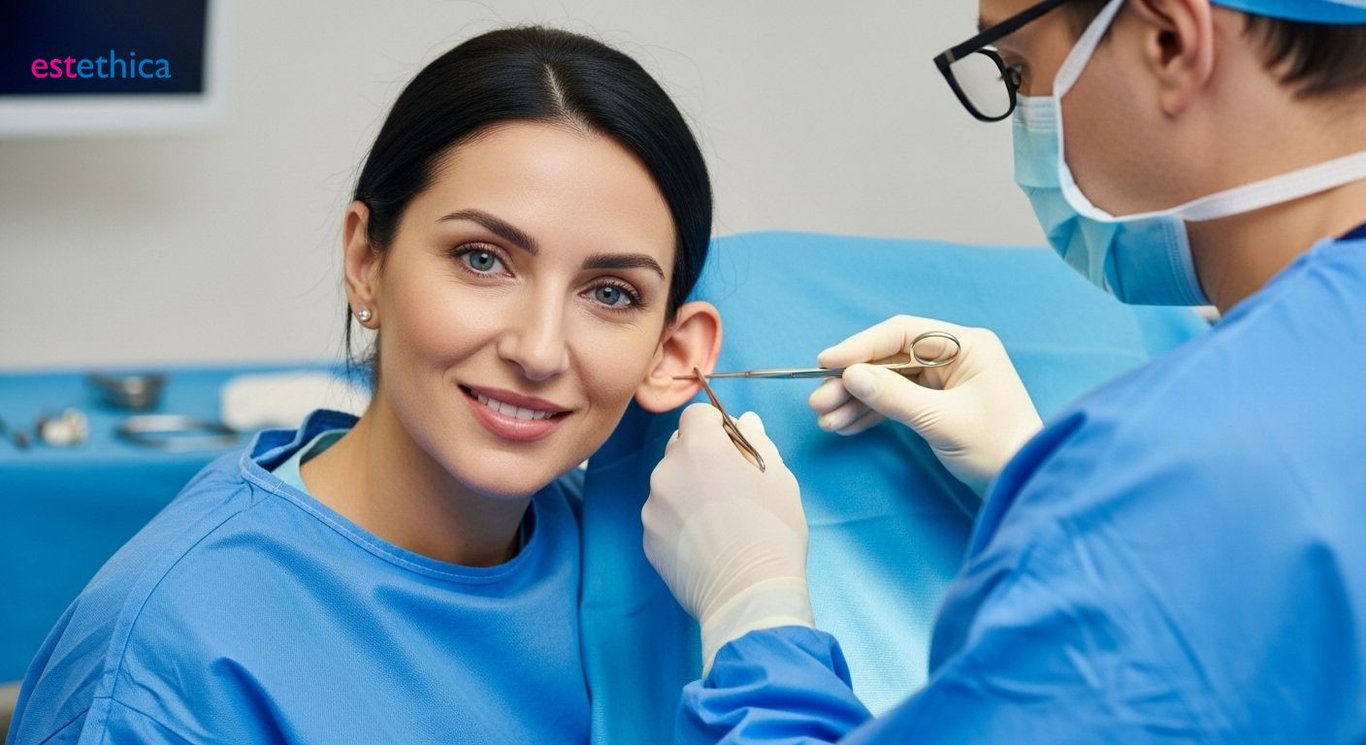
The surgical approach for otoplasty surgery typically involves making discreet incisions, usually positioned behind the ear. This placement ensures that any scarring is well-hidden. Through these incisions, the surgeon gains access to the ear cartilage, the structural framework of the ear. Various techniques can be employed to carefully reshape this cartilage. The surgeon might manipulate the cartilage to create the desired fold, reposition it closer to the head, or, in some cases, remove a small amount of cartilage if it's excessively large. Permanent sutures are often used to secure the reshaped cartilage in its new, corrected position, ensuring the results are stable and long-lasting. This meticulous process allows for a significant improvement in the ear's profile without appearing unnatural.
Understanding the Techniques for Cartilage Reshaping
The art of ear correction surgery lies in the surgeon's ability to skillfully manipulate the ear's cartilage. A common method involves weakening the cartilage in specific areas to allow it to be folded more effectively. This can be achieved through techniques like scoring or thinning the cartilage. Once the desired shape is achieved, sutures are used to maintain this new form. These sutures are not merely for temporary placement; they are intended to hold the cartilage in its corrected position permanently. For individuals seeking to improve the appearance of prominent ears, this detailed surgical intervention offers a reliable solution. For a more in-depth understanding of related procedures, you can explore our comprehensive guide on Otoplasty & Ear Surgery: Correct Prominent Ears. This resource provides further insights into the broader scope of ear surgery for protruding ears.
The Recovery Process and Expected Outcomes
Following otoplasty surgery, the recovery period is crucial for achieving the best possible results. Patients are typically required to wear a supportive headband or surgical dressing for a specified duration. This garment serves a dual purpose: it protects the newly positioned ears from accidental bumps and helps maintain the corrected shape while the tissues heal. While some swelling and bruising are normal immediately after the procedure, these typically subside within a few weeks. The aim of ear pinning surgery is not to drastically alter the ears but to achieve a subtle, harmonious enhancement that complements the individual's facial features. The final results of this type of otoplasty surgery are usually visible once the initial swelling has resolved, offering a significant boost in self-confidence for those concerned about ear protrusion.
Cosmetic Ear Surgery Cost: Factors & Pricing
Understanding the financial aspect of cosmetic ear surgery is a crucial step for individuals considering this transformative procedure. While the desire for improved aesthetics drives many decisions, the overall investment can fluctuate significantly. Several key elements contribute to the final pricing, making it essential to have a clear understanding of these variables. This section aims to demystify the cost structure associated with ear correction surgery, empowering you to make informed choices.
The expertise and reputation of your chosen surgeon play a significant role. Highly experienced surgeons specializing in aesthetic procedures often command higher fees due to their proven track record and specialized skills. Similarly, the geographic location of the surgical practice can influence costs. Practices in major metropolitan areas may have higher overheads, which can be reflected in the overall price. Furthermore, the complexity of the individual's case is a primary factor. Procedures requiring more intricate techniques or addressing significant asymmetry might necessitate more surgical time and advanced methodologies, thus impacting the cost.
Factors Influencing Procedure Pricing
Beyond the surgeon's fees, other components contribute to the total expense. The facility where the otoplasty surgery is performed – whether it's an accredited surgical center or a hospital operating room – will have associated fees. Anesthesia costs, dependent on the type of anesthesia used and the duration of the procedure, are also factored in. It's important to remember that cosmetic ear surgery is typically considered elective and, as such, is generally not covered by health insurance policies. This means the full cost is borne by the patient.
When discussing your options for Otoplasty Surgery: Expert Ear Reshaping for Prominent Ears, your surgeon will provide a comprehensive breakdown of all anticipated expenses. This detailed consultation should cover not only the surgical fee but also the costs of pre-operative consultations and necessary diagnostic tests, post-operative care, medications, and any follow-up appointments required to ensure optimal healing and satisfactory results following your ear surgery for protruding ears.
To help visualize the components that make up the overall investment for otoplasty surgery, consider the following general breakdown:
Who is a Good Candidate for Otoplasty?
Deciding if you or your child are suitable candidates for an otoplasty procedure is a crucial first step towards achieving the desired aesthetic outcome and ensuring a smooth recovery. Generally, individuals who are self-conscious about the appearance of their prominent ears and possess realistic expectations regarding the potential results of the surgery are considered good candidates. The primary goal of this procedure is to improve the overall appearance and balance of the ears with the face, offering a significant boost in confidence.
Considering Otoplasty for Children
For younger individuals, the decision to proceed with an otoplasty surgery often involves careful timing. It is typically recommended that children undergo this procedure once their ear cartilage has developed sufficiently, usually around the age of five or six. At this stage, the ear's structure is firm enough to be effectively reshaped by the surgeon. Furthermore, children at this age can often comprehend the nature of the procedure and cooperate with pre- and post-operative instructions, which is vital for a successful outcome. Parents seeking to address concerns about their child's protruding ears should consult with a specialist to discuss the optimal timing and approach.
Otoplasty for Adults: Health and Expectations
Adults considering ear correction surgery should be in good general health. This means being free from any significant underlying medical conditions that could potentially compromise the healing process or increase surgical risks. A thorough medical evaluation will be conducted by the plastic surgeon to ensure the patient is a suitable candidate for otoplasty surgery. During the consultation, the surgeon will delve into your medical history, meticulously examine your ears, and engage in a detailed discussion about your aesthetic goals. This comprehensive assessment allows the surgeon to determine if this type of ear surgery is the most appropriate option for you and to outline what can realistically be achieved. For a more in-depth understanding of the procedure itself, you may find this guide helpful: Otoplasty Surgery: Your Guide to Ear Correction & Reshaping.
Ultimately, a successful otoplasty hinges on a combination of the patient's suitability, the surgeon's expertise, and clear communication about expectations. The goal is always to create a natural-looking result that enhances facial harmony and boosts the patient's self-esteem.

Otoplasty Surgery: Advanced Techniques for Ear Cartilage Reshaping
Otoplasty surgery meticulously reshapes ear cartilage to correct protruding ears, offering a refined aesthetic. This specialized ear surgery for protruding ears employs precise techniques to achieve natural-looking results, aligning facial harmony.
The art of ear correction surgery lies in the surgeon's ability to skillfully manipulate the ear's cartilage, achieving desired contours and positions. Understanding how to reshape ear cartilage is fundamental to successful otoplasty.
Expertise in otoplasty encompasses a deep understanding of ear anatomy and advanced surgical methods. Surgeons specializing in cosmetic ear surgery possess the skill to address a range of ear concerns, from prominent ears to misshapen contours.
This expertise ensures that each otoplasty procedure is tailored to the individual's unique ear structure, aiming for optimal aesthetic improvement and patient satisfaction.
Your Otoplasty Journey: Transparent Pricing and Candidate Guidance
Understanding the financial aspect of cosmetic ear surgery is a crucial step for individuals considering this transformative procedure. Factors influencing cosmetic ear surgery cost are carefully explained to ensure transparency.
The surgical approach for otoplasty surgery typically involves discreet incisions, usually positioned behind the ear, minimizing visible scarring. Following otoplasty surgery, the recovery period is crucial for achieving the best possible results.
We guide individuals to determine if they are a good candidate for otoplasty, considering factors for both children and adults. Detailed discussions about health and expectations are paramount for successful otoplasty outcomes.
The expertise and reputation of your chosen surgeon play a significant role in the overall success and safety of cosmetic ear surgery, ensuring trustworthy care.