


Otoplasty surgery reshapes prominent ears, enhancing ear aesthetics through expert correction of ear cartilage for balanced facial harmony.
Are you considering surgical options to address prominent ears or enhance ear aesthetics? Otoplasty surgery, a specialized procedure in ear correction, offers a transformative solution for individuals seeking improved facial harmony. This guide delves into the nuances of ear reshaping surgery for prominent ears, explaining how otoplasty corrects ear cartilage and achieves natural-looking results. Explore the process, benefits, and what to expect from this effective ear correction surgery.What is Otoplasty Surgery? Understanding Ear Aesthetics
Otoplasty surgery is a specialized cosmetic procedure designed to address the appearance of ears that protrude significantly from the side of the head. It is a common and generally safe surgical intervention focused on enhancing ear aesthetics and achieving a more balanced and harmonious facial profile. Many individuals choose this procedure to correct the visual impact of prominent ears, which can sometimes affect self-confidence and lead to social discomfort, particularly during childhood and adolescence.
The Goals of Ear Reshaping
The primary objective of otoplasty is not merely to alter the size or shape of the ear but to create a natural and proportionate look that aligns better with the individual's facial features. This procedure can address a range of concerns, including ears that appear unusually large, have a distinct or atypical shape, or simply stick out too far. The aim is to refine the ear's projection and contour, making it less conspicuous and more in keeping with aesthetic ideals. For those seeking a solution for ears that stand out, otoplasty offers a transformative path to improved self-perception. The effectiveness of this type of intervention is widely recognized, and it has helped countless individuals feel more comfortable and confident in their appearance.
Understanding the Otoplasty Procedure
The term otoplasty refers to the surgical art of ear correction. This type of surgery typically involves carefully reshaping the ear's cartilage to bring the ears closer to the head or to reduce their size. The specific techniques used in otoplasty surgery depend on the nature of the ear's protrusion and the desired outcome. Surgeons often employ methods to create a more natural fold or to set the ear back, achieving a subtle yet significant improvement. The goal is always to produce results that look natural and are virtually undetectable as having undergone cosmetic enhancement. This detailed approach ensures that the patient's ears appear aesthetically pleasing and well-integrated with their overall facial structure. If you're interested in learning more about the comprehensive approach to this procedure, exploring resources like Otoplasty: Expert Ear Surgery for Balanced Aesthetics can provide valuable insights into the surgical process and its benefits. This surgery to correct protruding ears offers a reliable solution for those wishing to enhance their appearance and boost their self-esteem by addressing concerns about ear prominence.

How Otoplasty Corrects Ear Cartilage for Natural Results
The transformative power of otoplasty lies in its sophisticated approach to reshaping the ear's underlying cartilage. For many individuals with prominent ears, the issue stems from either cartilage that hasn't developed sufficiently or cartilage that is overly developed, causing the ear to project outward more than desired. The goal of this specialized procedure is to meticulously alter the structure of the ear cartilage to achieve a more balanced and natural appearance.
Understanding the Cartilage Correction Process
During an otoplasty surgery, surgeons employ precise techniques to modify the ear cartilage. This often involves making small, discreet incisions, typically located behind the ear, to gain access to the cartilage. Once exposed, the cartilage may be carefully thinned to reduce its bulk, or it might be folded and bent back towards the head. In many cases, permanent sutures are used to hold the cartilage in its new, corrected position. These sutures help to maintain the desired contour and reduce the ear's protrusion, effectively setting it closer to the scalp. The skill involved ensures that the ear retains its natural folds and shape, avoiding an unnaturally flat or "pushed back" look.
Achieving Harmonious and Natural Aesthetics
The ultimate aim of otoplasty is to create results that are not only aesthetically pleasing but also harmonious with the patient's overall facial features. Surgeons focus on making subtle yet significant changes, ensuring the corrected ears blend seamlessly and appear entirely natural. This requires a deep understanding of ear anatomy and the precise application of surgical techniques. The process is about sculpting and repositioning rather than simply forcing the ear into a specific shape. Patients seeking information on addressing this concern may find details within resources like "Otoplasty & Ear Surgery: Correct Prominent Ears." The precision involved in otoplasty surgery is key to achieving this subtle enhancement, ensuring the final outcome looks as if the ears were always meant to be that way, avoiding any visible signs of surgical intervention.
This intricate manipulation of cartilage is what makes otoplasty surgery so effective. It's a testament to the surgeon's ability to sculpt and refine the ear's structure, leading to a permanent and satisfying improvement in appearance. The careful repositioning of the cartilage is a cornerstone of otoplasty, ensuring both reduced protrusion and natural-looking ear contours. This delicate balance is paramount in any surgery to correct protruding ears, and is the focus of experienced practitioners.
The Prominent Ear Correction Process: A Surgical Overview
Undergoing prominent ear correction, often referred to as otoplasty, involves a well-defined series of stages designed to achieve a natural and balanced appearance. The journey begins with a comprehensive consultation. This crucial meeting with a qualified plastic surgeon is your opportunity to discuss your specific concerns and for the surgeon to thoroughly assess the structure and unique characteristics of your ears. During this session, the surgeon will determine the most effective surgical approach tailored to your individual needs. Understanding the intricacies of this procedure can be further enhanced by reading about Otoplasty: Expert Ear Surgery for Prominent Ears, which offers valuable insights into expert techniques.
The Surgical Procedure and Anesthesia
The actual otoplasty surgery typically lasts between one to two hours. The choice of anesthesia is a significant consideration and is usually determined by the patient's age, overall health, and personal preference. For many adults and older children, local anesthesia combined with sedation is often employed, allowing the patient to remain comfortable and relaxed without being fully unconscious. In younger children or for more extensive corrections, general anesthesia might be recommended to ensure complete comfort and immobility throughout the procedure. The primary goal of the surgery to correct protruding ears is to carefully reshape the ear cartilage, setting the ears back closer to the head and improving their overall proportion. This meticulous work ensures a subtle yet significant improvement in facial harmony.
Post-Operative Care and Recovery
Following the surgery to correct protruding ears, diligent post-operative care is paramount for optimal healing and achieving the desired aesthetic outcome. Patients are generally advised to wear a supportive headband, particularly during sleep, for several weeks. This protective measure helps to safeguard the newly positioned ears and maintain the corrected shape, preventing accidental displacement. It's natural to experience some degree of swelling and bruising around the ears in the initial recovery period. However, these symptoms are temporary and will gradually subside. As the swelling diminishes, the final results of the procedure become increasingly apparent, revealing the natural contour and improved position of the ears.
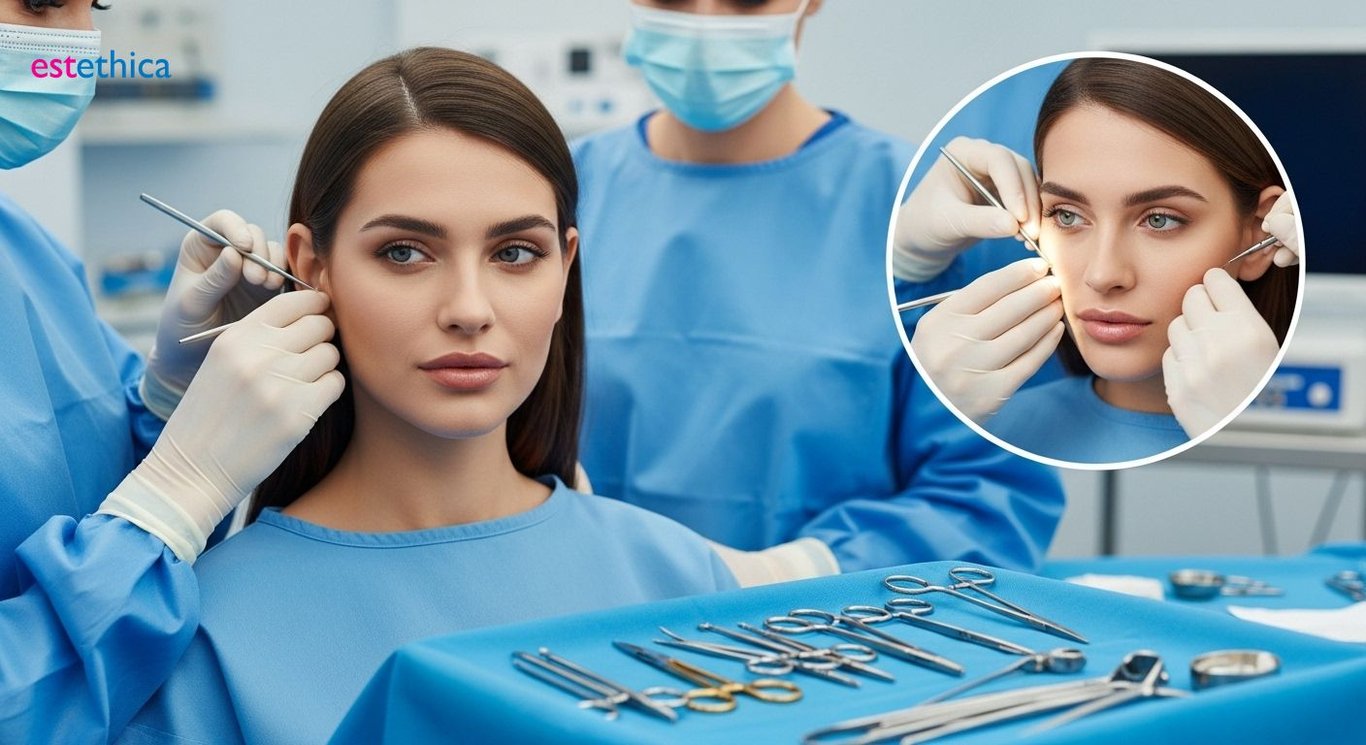
Ear Correction Surgery: Achieving Balanced Ear Aesthetics
The primary goal of ear correction surgery, commonly known as otoplasty, is to achieve balanced and aesthetically pleasing ear proportions relative to the rest of the facial features. For many individuals, particularly those who have experienced teasing or self-consciousness since childhood due to prominently protruding ears, this procedure offers a transformative solution. It’s not merely about changing the appearance of the ears; it’s about fostering a significant boost in self-confidence and overall well-being. The aim is to create a natural look, ensuring the ears blend harmoniously with the face, thereby alleviating any lingering insecurity.
Understanding the Aesthetic Goals
Successful otoplasty surgery results in ears that appear more natural and are less conspicuous. The procedure meticulously addresses the underlying anatomical reasons for the ears’ protrusion, such as overly large ear cartilage or an unusually deep ear concha. By carefully reshaping and repositioning the ear cartilage, surgeons can achieve a more refined silhouette. This detailed work ensures that the final outcome is not only visually appealing but also sustainable long-term. It’s crucial for patients to understand that the best results enhance their inherent features rather than creating an artificial appearance. Realistic expectations are a cornerstone of the consultation process, ensuring patient satisfaction.
The Path to Natural-Looking Results
The journey through otoplasty surgery is focused on delivering subtle yet impactful improvements. For individuals seeking surgery to correct protruding ears, the outcome is often a profound sense of relief and enhanced self-esteem. The technical aspects of the procedure are designed to refine the ear’s shape and position without making it appear overly altered. This delicate balance ensures that the ears look as if they have always been that way, integrated seamlessly into the facial structure. Many patients find that after undergoing surgery to correct protruding ears, they can engage in activities and wear hairstyles previously avoided due to self-consciousness. It is essential to discuss your specific concerns and desired outcomes thoroughly with your surgeon to ensure the best possible results from this type of otoplasty surgery. For more information on the expert techniques employed, consider exploring Otoplasty Surgery: Expert Ear Correction & Reshaping.

Expert Ear Cartilage Reshaping for Natural Prominent Ear Correction
Otoplasty surgery is a highly specialized cosmetic procedure focused on meticulously reshaping the ear's underlying cartilage. This intricate manipulation of cartilage is what makes otoplasty surgery so effective in addressing prominent ears, ensuring a natural and balanced appearance.
Surgeons employ precise techniques to modify the ear cartilage, specifically targeting its structure to achieve the desired aesthetic outcome. This detail-oriented approach ensures that the ear correction surgery results in harmonious and natural aesthetics.
Our expertise lies in understanding the complex anatomy of the ear and applying advanced surgical methods to correct protruding ears. The term otoplasty refers to the surgical art of ear correction, and our practitioners are adept at this specialized field.
We are committed to providing transformative solutions for individuals seeking improved ear aesthetics and greater self-confidence through expert ear reshaping surgery for prominent ears.
The Prominent Ear Correction Process: A Surgical Overview for Natural Results
The actual otoplasty surgery typically lasts between one to two hours, demonstrating an efficient and focused approach to ear reshaping surgery for prominent ears. This streamlined process is part of our commitment to patient comfort and safety.
Following the surgery to correct protruding ears, diligent post-operative care is paramount for optimal healing and achieving the desired aesthetic outcome. We guide patients through every step of the recovery process to ensure satisfaction.
Patients seeking to address prominent ears find that otoplasty surgery offers a significant improvement in their appearance and self-esteem. The goal of our ear correction surgery is to provide natural-looking results that enhance the individual's features.
We ensure that the otoplasty procedure corrects ear cartilage in a way that looks entirely natural, addressing concerns about how otoplasty corrects ear cartilage effectively.