


Expert insights on otoplasty for prominent ears, covering surgical techniques like ear pinning and non-surgical options for infants. Find guidance on selecting the best otoplasty surgeon for children and understand the full scope of ear correction surgery.
Are you or your child bothered by prominent ears? Otoplasty, often referred to as ear pinning surgery, offers a safe and effective solution. This cosmetic procedure is designed to reshape and reposition ears that stick out too far from the head, significantly boosting self-confidence. We delve into the nuances of this transformative surgery, exploring what otoplasty surgery entails, the various techniques for protruding ears correction, and why understanding the process is key to achieving desired results. Whether considering options for yourself or seeking the best otoplasty surgeon for kids, this guide provides essential insights into ear reshaping and correction surgery.Understanding Otoplasty Surgery for Prominent Ears
Otoplasty surgery for prominent ears is a highly effective and common cosmetic procedure designed to enhance the appearance of ears that protrude significantly from the head. Often referred to colloquially as "ear pinning," this surgery aims to improve facial harmony by bringing the ears into a more balanced and natural proportion with the rest of the facial features. The primary goal is to create ears that are less noticeable, thereby boosting the self-confidence of individuals who may feel self-conscious about their ear shape or position.
What is Otoplasty?
At its core, otoplasty is a surgical technique focused on reshaping the cartilage and sometimes the skin of the ear. The procedure can address a variety of ear concerns, but it is most frequently performed to correct prominent ears. Prominent ears can be caused by underdeveloped antihelical folds, overly large conchal bowls, or a combination of factors. Surgeons employ various techniques to achieve the desired aesthetic outcome, carefully adjusting the ear's structure to create natural-looking folds and a closer profile to the head. The chosen method depends on the specific anatomical characteristics of the patient's ears, ensuring a personalized approach to each case. For those interested in a deeper dive into the surgical aspects, Otoplasty Surgery: Reshaping Ears for Prominent Ear Correction offers complementary reading.
The Procedure and Recovery
The actual otoplasty surgery is typically performed under local anesthesia with sedation or general anesthesia, depending on the patient's age and the complexity of the correction. Incisions are usually made on the back of the ear, rendering them virtually invisible once healed. The surgeon then meticulously repositions and reshapes the ear cartilage to achieve a more desirable aesthetic. Following the procedure, a special dressing or headband is applied to protect the ears and help maintain their new position during the initial healing phase. While some discomfort is expected, it is usually manageable with prescribed pain medication. Most patients find that they can return to light daily activities within a few days, with a more complete recovery taking several weeks. Adhering strictly to post-operative instructions is crucial for optimal healing and achieving the best possible results from your protruding ears correction. This procedure represents a significant step towards achieving a more balanced and aesthetically pleasing appearance for many individuals seeking protruding ears correction.

Exploring Non-Surgical Options for Protruding Ears
While surgical intervention, often referred to as Otoplasty Surgery: Effective Protruding Ears Correction, remains the most definitive solution for prominent ears, it's understandable that many individuals seek alternatives, particularly for infants. Fortunately, non-surgical methods offer promising avenues, especially during the early stages of life.
Ear Molding for Infants
In newborns and very young infants, the cartilage within the ears is exceptionally pliable due to residual maternal hormones. This critical window presents a unique opportunity for non-surgical correction using ear molding devices. These custom-made or prefabricated devices are designed to gently and gradually reshape the ear over a period of several weeks. By applying consistent, gentle pressure, the molding process encourages the ear cartilage to adopt a more desired contour and position, effectively addressing the protrusion without the need for surgery. The success of this method is highly dependent on starting treatment early, ideally within the first few weeks after birth. Consistent wear and proper fitting are crucial for optimal results. This technique is a fantastic option for parents looking for a non-invasive approach to achieve protruding ears correction in their infants.
Temporary Solutions for Older Children and Adults
For older children and adults, non-surgical approaches tend to provide more temporary or mild correction compared to ear molding in infants. These methods often involve using specialized headbands or adhesive techniques that gently hold the ears closer to the head. These can be particularly useful for individuals who wish to test the aesthetic impact of a less prominent ear appearance before considering surgical options, or for very mild cases where significant correction isn't required. While these temporary measures can offer a subtle improvement and boost confidence, it's important to manage expectations. They are generally not as effective for significant cases of protruding ears correction as surgical otoplasty surgery for prominent ears. These methods can sometimes serve as a temporary bridge while contemplating more permanent solutions, or for very subtle enhancements. For those seeking a more permanent and significant change, discussing the comprehensive benefits of Otoplasty Surgery: Effective Protruding Ears Correction with a qualified surgeon is the recommended path forward. Such surgical procedures provide a lasting solution for protruding ears correction.
Finding the Best Otoplasty Surgeon for Kids
Choosing the right surgeon is arguably the most crucial step when considering otoplasty for a child. This delicate procedure requires not only technical skill but also a nuanced understanding of pediatric anatomy and the emotional well-being of young patients. The goal is to achieve natural-looking results that enhance a child's confidence and self-esteem.
When embarking on this search, prioritize board-certified plastic surgeons or otolaryngologists who possess substantial experience specifically in pediatric otoplasty. Surgeons who specialize in ear correction surgery are well-versed in the unique challenges and considerations involved in operating on children's developing ears. They understand how to best position the ears for aesthetic harmony while ensuring proper function. This specialization often translates to a smoother surgical process and more predictable outcomes for protruding ears correction.
Key Considerations for Selecting a Surgeon
A surgeon's ability to communicate effectively with both the child and the parents is paramount. Creating an environment of trust and comfort can significantly reduce anxiety for everyone involved. During consultations, a skilled surgeon will take the time to explain in detail how otoplasty is performed, discuss potential risks and benefits, and clearly outline the recovery process. They should be prepared to answer all your questions thoroughly and address any concerns you may have. Observing their approach to patient interaction can provide valuable insight into their bedside manner and their commitment to patient care.
Reviewing before-and-after photographs from the surgeon's previous pediatric cases is essential. This allows you to assess the quality and consistency of their work, looking for natural-looking results. Reading patient testimonials and online reviews can also offer valuable perspectives on other families' experiences. Ultimately, selecting a surgeon with a proven track record in achieving aesthetically pleasing and satisfactory outcomes for ear reshaping is vital for a positive experience and successful otoplasty surgery for prominent ears.
Understanding the general principles of ear correction is also beneficial. For more information on the procedure itself, you may find it helpful to read about Otoplasty Surgery: Correcting Prominent Ears Today.
Below is a table to help compare important factors when evaluating potential surgeons:
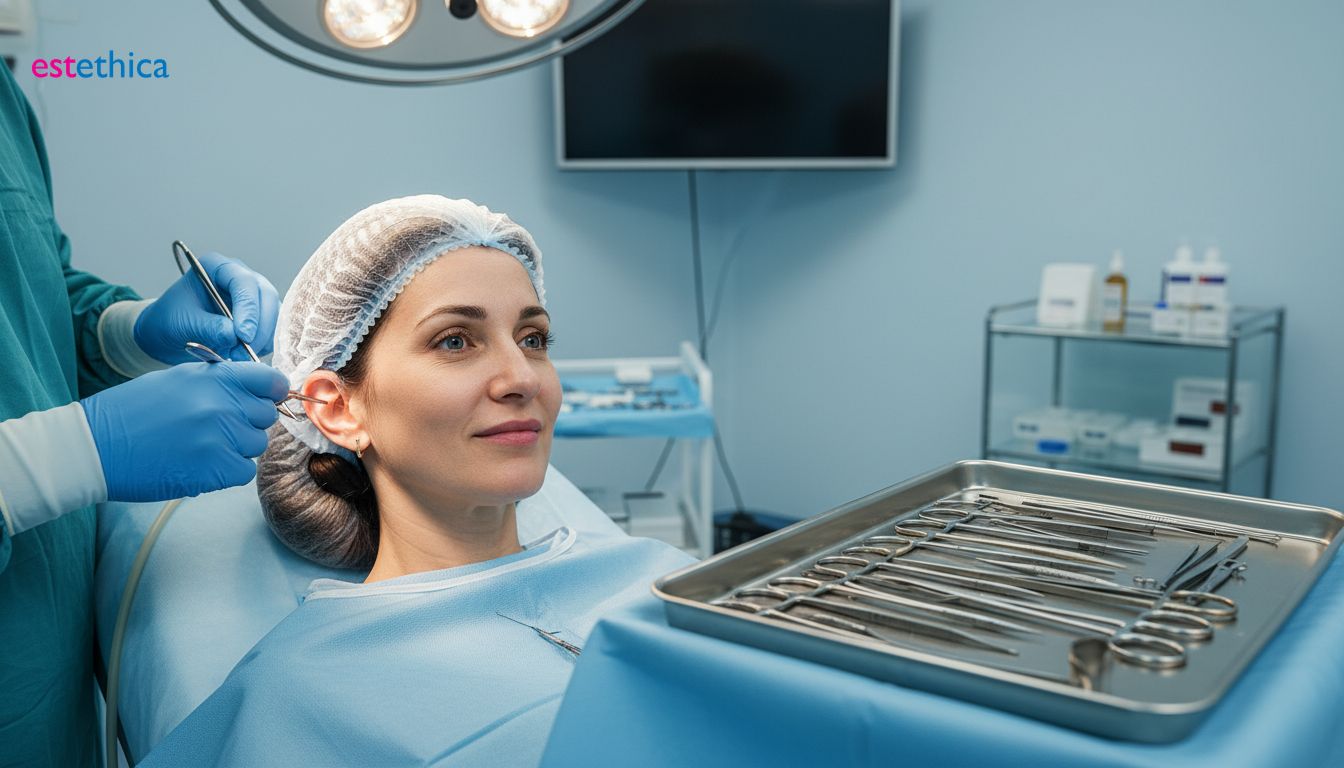
The Art of Ear Pinning Surgery and Reshaping
Understanding the Otoplasty Procedure
Ear pinning surgery, a specialized form of otoplasty, is a refined surgical technique designed to address prominent ears, bringing them into better proportion with the face. This procedure is not just about cosmetic improvement; it's about enhancing self-confidence by creating a more harmonious facial aesthetic. The process typically begins with a discreet incision made behind the ear, granting the surgeon access to the underlying cartilage. For individuals seeking protruding ears correction, the surgeon carefully manipulates the ear’s cartilage. This can involve scoring to allow for bending, directly reshaping the cartilage, or even removing small sections to establish a more natural fold. The goal is to set the ear closer to the head, creating a subtle yet significant visual change. Precision is paramount in this delicate operation, ensuring symmetry and a natural-looking outcome. After the cartilage is repositioned and reshaped, fine sutures are often employed to hold the ear in its new, corrected position, solidifying the results of the otoplasty surgery for prominent ears.
Recovery and Expected Outcomes
Following the otoplasty procedure, a period of recovery is essential for optimal healing. Patients are typically required to wear a protective headband, particularly during sleep, to shield the ears from accidental bumps or pressure. This safeguard is crucial in protecting the newly shaped cartilage as it settles into its final position. While some swelling and mild discomfort are expected, these symptoms usually subside considerably within a few weeks. The true results of the ear correction surgery gradually become apparent as the swelling diminishes. Patients often express great satisfaction with the natural appearance and improved symmetry achieved, noting a significant boost in their self-esteem. For those considering this transformative procedure, consulting with a skilled surgeon is the first step towards achieving their desired aesthetic goals. This detailed approach ensures that the procedure is tailored to individual needs, making it an art form in achieving balanced facial features. If you're interested in learning more about the various aspects of ear correction, the comprehensive Otoplasty Surgery: Ear Correction & Reshaping Guide offers further insights into the entire process of protruding ears correction.
Advanced Otoplasty Techniques for Protruding Ear Correction
Otoplasty surgery for prominent ears is a highly effective and common cosmetic procedure designed to enhance the appearance of ears that protrude significantly from the head. At its core, otoplasty is a surgical technique focused on reshaping the cartilage and sometimes the skin of the ear to achieve a more balanced and natural aesthetic. This detailed guide explores the nuances of this transformative surgery, including what otoplasty surgery entails and various techniques for protruding ears correction.
The actual otoplasty surgery is typically performed under local anesthesia with sedation or general anesthesia, depending on the patient's age and the complexity of the correction. For newborns and very young infants, the cartilage within the ears is exceptionally pliable due to residual maternal hormones, allowing for non-surgical interventions like ear molding. This highlights an early intervention possibility for specific cases.
Our understanding of otoplasty surgery for prominent ears is built upon extensive experience and a deep knowledge of ear anatomy. We focus on precise surgical techniques to reshape and reposition ears, ensuring a natural look that significantly boosts self-confidence. Our expertise extends to understanding the intricate details of ear correction surgery, aiming for optimal aesthetic results.
Your Trusted Partner for Otoplasty and Ear Correction
We provide comprehensive insights into the otoplasty procedure, recovery, and expected outcomes. Our process emphasizes patient education, ensuring you understand how otoplasty is performed and what to anticipate. We review before-and-after photographs from previous pediatric and adult cases, demonstrating the tangible results of our expertise in ear correction surgery.
Our approach to protruding ears correction is patient-centric, focusing on safety, comfort, and achieving the best possible aesthetic outcome. We believe in transparency regarding the surgical techniques and recovery process. Understanding the general principles of ear correction is also beneficial, and we are dedicated to making this information accessible to all our patients.
Patients consistently express increased self-confidence following their ear pinning surgery, appreciating the natural appearance achieved through our skilled techniques. The satisfaction derived from effectively fixing protruding ears without surgery (in specific infant cases) or through surgical intervention highlights our dedication to each individual's needs. We are committed to transforming concerns about prominent ears into sources of renewed self-esteem.