


Comprehensive guide to Otoplasty surgery, covering ear correction, cartilage reshaping, surgical techniques, costs, and aesthetic benefits.
Are you considering otoplasty surgery to enhance the appearance of your ears? This guide delves into the world of ear correction surgery, exploring what makes it a popular choice for individuals seeking improved ear aesthetics. We'll cover the intricacies of ear cartilage reshaping surgery, the typical process, and what you can expect. Whether you're curious about the surgery to correct protruding ears or seeking to understand the benefits of ear aesthetics surgery, this comprehensive resource provides clear insights into otoplasty.What is Otoplasty Surgery?
Otoplasty, commonly known as ear surgery, is a specialized cosmetic procedure designed to address ears that may be disproportionately large, unusually shaped, or significantly protrude from the head. The primary goal of this procedure is to improve the appearance and symmetry of the ears, bringing them into better balance with the overall facial structure. For many individuals, protruding ears can lead to self-consciousness and affect their confidence. Otoplasty surgery offers a solution, aiming to create a more aesthetically pleasing and harmonious facial profile.
The field of ear aesthetics has advanced significantly, offering various techniques tailored to individual needs. While often performed for aesthetic reasons, otoplasty can also correct ear deformities present from birth or those resulting from injury. The fundamental aim is to enhance the overall facial harmony by repositioning or reshaping the external ear. This can involve adjusting the angle at which the ears stick out from the head or modifying the size and shape of the ear itself. It's a transformative option for those seeking to feel more comfortable and confident in their appearance.
Understanding the Procedure and Its Benefits
A common concern addressed by this type of ear surgery is protruding ears. The techniques used in otoplasty surgery are carefully chosen by the surgeon based on the specific anatomical features of the patient. The procedure typically involves making an incision behind the ear, allowing the surgeon access to the underlying ear cartilage. Through precise manipulation, the cartilage can be sculpted, folded, or set back to achieve the desired position. The aim is to create a natural-looking result without compromising the ear's function. The benefits extend beyond physical appearance; successfully correcting protruding ears can lead to significant psychological improvements, boosting self-esteem and reducing social anxiety.
For those interested in the technical aspects, exploring Otoplasty Surgery: Modern Ear Reshaping Techniques can provide a deeper insight into the innovative methods employed today. This procedure is generally considered safe and effective, with a relatively straightforward recovery period. The decision to undergo otoplasty is a personal one, but the potential for enhanced self-confidence and improved facial balance makes it a compelling choice for many. The satisfaction derived from this procedure often stems from achieving a more proportionate and aesthetically pleasing ear appearance that aligns with the individual's overall facial features.

How is Ear Cartilage Reshaping Performed?
The journey to achieving more balanced and aesthetically pleasing ears typically begins with a meticulous surgical approach. Ear cartilage reshaping, often referred to as otoplasty, is a procedure designed to alter the shape, position, or size of the ears. The process is carefully orchestrated by skilled surgeons to ensure a natural and harmonious outcome.
The Surgical Incision and Access to Cartilage
The initial step in most ear reshaping procedures involves making a subtle incision. This is strategically placed in the natural crease located behind the ear. This placement is crucial, as it renders the scar virtually invisible once the healing process is complete. Through this discreet opening, the surgeon gains direct access to the underlying ear cartilage. This access is fundamental to performing the necessary adjustments. Depending on the individual's specific needs and the desired correction, various techniques can be employed to sculpt and reposition the cartilage. The goal is always to achieve symmetry and a natural appearance that complements the facial structure.
Sculpting and Securing the New Ear Shape
Once the cartilage is accessible, the surgeon employs specialized techniques to reshape it. For individuals with protruding ears, a common issue addressed by Otoplasty Surgery: Fixing Protruding Ears Effectively, the cartilage might be carefully scored or weakened to allow it to be bent back into a more desirable position. Permanent sutures are then meticulously placed to hold the cartilage in its new form, effectively setting the ear closer to the head. In other instances, where the ear may be disproportionately large, a small amount of cartilage might be delicately removed to reduce the overall size. The precise manipulation of the cartilage is paramount, ensuring that the final result looks natural and not artificially altered. The focus remains on creating ears that are proportionate to the face and possess a balanced aesthetic. This detailed and personalized approach is what makes ear reshaping procedures so effective in addressing a wide range of aesthetic concerns related to ear shape and projection.
The precision involved in this type of reconstructive procedure guarantees that the ears appear balanced and in harmony with the rest of the facial features. This detailed approach is precisely what makes ear correction so effective in addressing various ear shape concerns, providing patients with renewed confidence. The underlying principle is always to enhance the natural beauty of the ears without creating an unnatural look.
Understanding Ear Pinning Surgery Costs
The financial aspect of undergoing ear correction procedures is a significant consideration for many individuals seeking to improve the appearance of their ears. Understanding the various components that contribute to the overall price is essential for effective budgeting. The total expense for this type of procedure is typically comprised of several key elements.Factors Influencing the Total Cost
The surgeon's professional fee forms a substantial part of the overall cost. This fee reflects the surgeon's expertise, experience, and reputation in performing ear correction procedures. Anesthesia fees are another crucial component, varying depending on the type of anesthesia used and the anesthesiologist's charges. Additionally, facility fees are incurred for the use of the surgical center or hospital operating room, including the staff and equipment necessary for the procedure. Post-operative care, such as follow-up appointments, prescribed medications, and any necessary supplies, also contributes to the final sum. For those considering cosmetic enhancements, it's important to note that this type of surgery to correct protruding ears is generally not covered by insurance. However, if the procedure is deemed medically necessary, perhaps to address a congenital deformity that impacts hearing or function, insurance might offer partial coverage. For a comprehensive understanding of your options and what is involved, exploring resources like Otoplasty Surgery: Reshape Your Ears, Boost Confidence can be beneficial. Transparency regarding the complete financial commitment from your chosen clinic or surgeon is paramount before proceeding.Cost Breakdown Comparison
To better illustrate the different elements that make up the total investment in improving ear appearance, consider the following breakdown. While actual figures vary widely by region and provider, this table outlines the typical components: Obtaining a clear and detailed breakdown of the expenses associated with surgery to correct protruding ears ensures clarity and helps in managing expectations regarding the investment in aesthetic improvements. The aim of otoplasty surgery is to achieve aesthetically pleasing results, and understanding the financial commitment upfront is a crucial step in this process.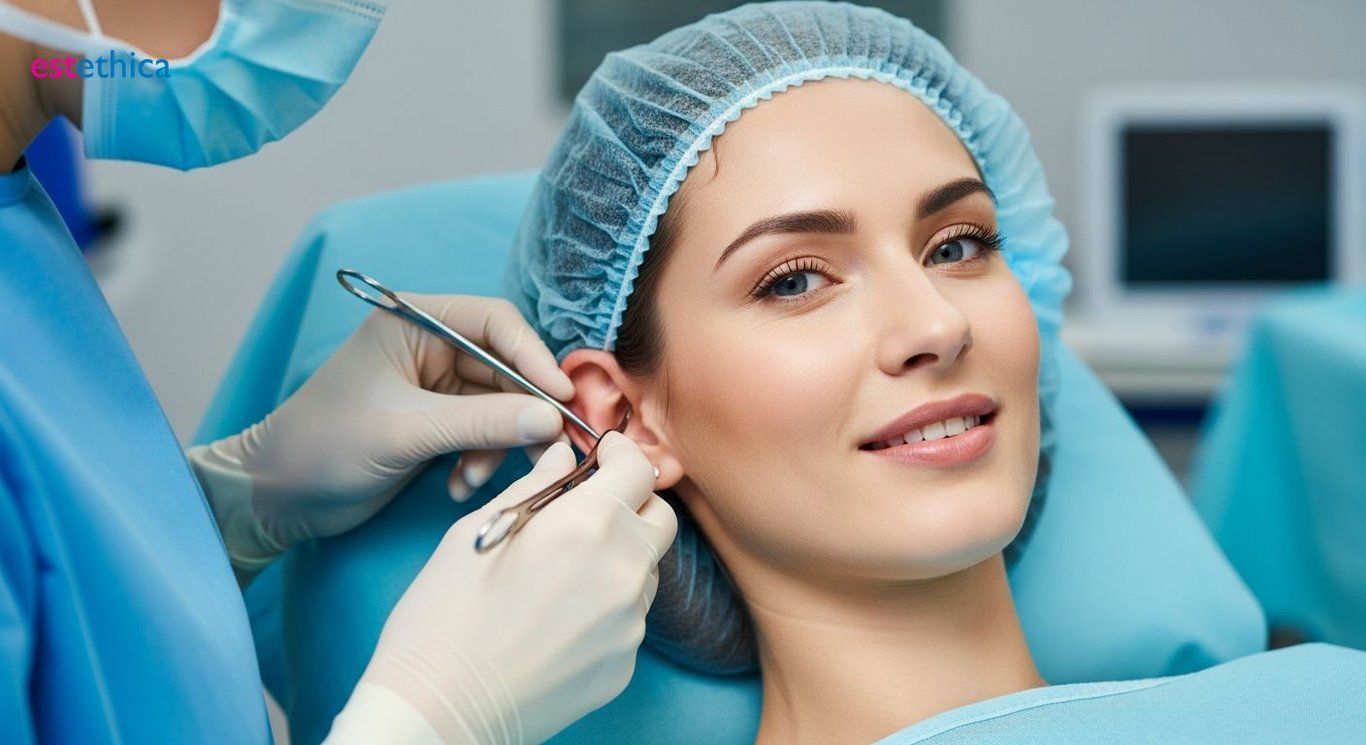
Benefits of Ear Correction Surgery for Aesthetics
The aesthetic advantages of ear correction surgery, commonly known as otoplasty, extend significantly beyond mere physical alteration. For many individuals, particularly those seeking surgery to correct protruding ears, the procedure offers a profound enhancement in self-confidence and overall psychological well-being. This transformative journey can positively impact individuals across all age groups, from children experiencing schoolyard taunts to adults who have long felt self-conscious about their ear appearance.
Boosting Self-Esteem and Social Confidence
A primary benefit of undergoing otoplasty is the substantial boost it provides to self-esteem. Ears that are disproportionately large, stick out too far, or have an unusual shape can lead to significant social anxiety and a reluctance to engage in certain activities. After the procedure, patients frequently report feeling much less self-aware, leading to greater comfort in social settings, a willingness to try new hairstyles, and an improved sense of personal appearance. This newfound confidence can ripple through various aspects of life, positively affecting relationships and professional interactions. The ability to finally achieve ears that blend harmoniously with the rest of the facial features can alleviate years of underlying distress and insecurity.
Achieving Natural and Balanced Facial Features
The goal of otoplasty surgery is not to create "perfect" ears, but rather to achieve natural-looking results that enhance facial balance. Skilled surgeons focus on repositioning and reshaping the ear cartilage to create a more aesthetically pleasing and proportionate appearance. The meticulous techniques employed during otoplasty surgery ensure that the final outcome looks subtle yet impactful, addressing the specific concerns of each patient. For those who have been teased or felt embarrassed about their ears, the relief and satisfaction derived from achieving a more balanced facial profile are immeasurable. If you are considering this procedure and want to understand the surgical approach in more detail, you may find further information helpful in our article titled Otoplasty Surgery: Ear Correction for Protruding Ears. This type of surgery to correct protruding ears is designed to provide lasting aesthetic improvements.
Ultimately, the decision to pursue otoplasty surgery is a deeply personal one. The benefits are multifaceted, addressing both the aesthetic concerns and the emotional well-being of the patient. By correcting prominent or misshapen ears, individuals can achieve a more harmonious facial appearance and significantly enhance their self-perception and confidence.

Advanced Otoplasty Techniques for Natural Ear Reshaping
This comprehensive guide delves into the intricate world of otoplasty surgery, offering detailed information on correcting protruding ears and enhancing the aesthetic appearance of ear cartilage. We explore the latest otoplasty techniques, ensuring a deep understanding of how ear cartilage reshaping surgery is performed to achieve natural-looking results.
Expertise in otoplasty encompasses a thorough understanding of ear anatomy and advanced surgical methods. The focus is on precise sculpting and securing of ear cartilage, employing innovative approaches to correct asymmetry and malformations. This ensures that patients receive the most suitable and effective treatment for their unique ear structure.
Specializing in ear correction surgery, our practitioners possess extensive knowledge in the field of ear aesthetics. The information provided is grounded in established surgical principles and the latest advancements in otoplasty. We aim to empower individuals with clear insights into the surgery to correct protruding ears and other aesthetic concerns.
Transparent Otoplasty Information and Patient-Centric Care
For those seeking information on otoplasty, this guide provides a clear overview of how otoplasty surgery works, including the typical process and expected outcomes. We detail the surgical incision and access to cartilage, followed by the sculpting and securing of the new ear shape.
Understanding ear pinning surgery costs involves examining the factors influencing the total expense and providing a cost breakdown comparison. Transparency regarding costs ensures patients can make informed decisions about their otoplasty appointment and the best ear surgery options available.
A common concern addressed by this type of ear surgery is protruding ears, a condition that can significantly impact self-consciousness. Otoplasty surgery offers a reliable solution, aiming to create a more aesthetically pleasing and harmonious facial profile for patients.
The aesthetic advantages of ear correction surgery, commonly known as otoplasty, extend significantly beyond mere physical alteration. A primary benefit of undergoing otoplasty is the substantial boost it provides to self-esteem and social confidence, fostering a more positive self-image.