


Otoplasty surgery offers a transformative solution for individuals with prominent ears, enhancing both appearance and self-confidence through precise ear reshaping and cartilage modification techniques.
Are you considering otoplasty surgery to address prominent ears? This common procedure offers a solution for those seeking improved ear aesthetics and self-confidence. Otoplasty, often referred to as ear surgery for protruding ears, is designed to reshape and reposition ears that stand out too much from the head. This guide will delve into what otoplasty surgery entails, how it corrects prominent ears, the typical ear reshaping surgery process, and the intricacies of ear cartilage modification surgery. Discover how this transformative procedure can enhance your ear aesthetics and provide a natural-looking result.What is Otoplasty Surgery?
Otoplasty surgery is a specialized cosmetic procedure designed to enhance the appearance of the ears. Its primary focus is on altering the shape, size, or position of the ears, with a significant emphasis on correcting ears that protrude excessively from the head. For many individuals, particularly children and adolescents, ears that stick out too far can lead to self-consciousness and social anxiety. This type of ear surgery for protruding ears offers a powerful solution, bringing the ears into a more natural and aesthetically pleasing alignment with the facial features.
Beyond addressing the common concern of prominent ears, otoplasty surgery can also be employed to correct ears that have an irregular shape. This might be due to congenital anomalies present from birth or deformities resulting from trauma or injury. The overarching goal is to achieve a balanced and harmonious look, where the ears complement, rather than detract from, the overall facial structure. Understanding what is otoplasty surgery involves recognizing its dual potential: not only can it improve the aesthetic appearance, but for some, it can also indirectly boost confidence and self-esteem.
The Otoplasty Procedure Explained
The specific techniques employed during otoplasty surgery are tailored to each patient's unique needs. Generally, the procedure involves creating a subtle incision, often hidden behind the ear, to access the underlying ear cartilage. This is where the magic of how otoplasty corrects prominent ears truly happens. Surgeons skillfully reshape the cartilage, folding it or using sutures to secure it in a new position that reduces protrusion. In some cases, a small amount of cartilage might be removed to achieve the desired shape and size. The focus is on natural-looking results, ensuring the ears appear proportionate and well-integrated with the face.
Recovery and Results
Following otoplasty surgery, a period of recovery is essential. Patients typically wear a supportive headband, especially during sleep, to protect the ears and maintain the corrected position as healing progresses. While some initial swelling and discomfort are normal, most patients find the recovery process manageable. The final results of ear surgery for protruding ears are usually apparent once the swelling subsides, revealing a noticeable improvement in ear position and overall facial harmony. For those interested in a more in-depth look at how this procedure addresses prominent ears, exploring resources like Otoplasty Surgery: Ear Correction for Protruding Ears can provide further valuable insights into the transformative capabilities of this ear surgery for protruding ears.

How Prominent Ears Are Corrected with Otoplasty
Understanding the Mechanics of Ear Correction
The journey of correcting prominent ears, often referred to as "bat ears" or "lop ears," through otoplasty surgery is a nuanced procedure that addresses the underlying anatomical reasons for their outward projection. Unlike cosmetic concerns related to size or shape, prominent ears typically lack a well-defined contour, specifically the antihelical fold. This natural inward fold of the upper ear cartilage helps to guide the ear towards the side of the head. When this fold is underdeveloped or absent, the ear appears to stick out at a greater angle.
Surgeons employ meticulous techniques to recreate or enhance this crucial antihelical fold. One common approach involves strategically placed sutures to gently bend the cartilage inwards, effectively creating the desired fold. These sutures are carefully positioned to ensure a natural appearance and stable correction. In cases where the prominence is due to an overly large or deep conchal bowl – the large cavity within the ear that leads to the ear canal – the surgeon may need to remove a small amount of cartilage or reposition the bowl to reduce its depth and bring the ear closer to the scalp. Understanding how otoplasty corrects prominent ears involves recognizing that the method is tailored to the individual's unique ear anatomy, making each otoplasty surgery a personalized treatment.
Tailored Techniques for Optimal Results
The precise method utilized in otoplasty surgery is determined after a thorough evaluation of the patient's ear structure. Some individuals may benefit most from the suture technique to create the antihelical fold, while others might require a combination of fold creation and conchal bowl reduction. Occasionally, the ear may need to be brought closer to the head by removing excess skin from behind the ear. The goal of ear surgery for protruding ears is not simply to pin the ears back, but to achieve a balanced and natural-looking result that harmonizes with the patient's facial features. This careful consideration of anatomical variations is key to the success of ear surgery for protruding ears.
The skill of the surgeon in manipulating the ear cartilage is paramount. They work to reshape, reposition, and secure the cartilage in its corrected position, ensuring that the results are both aesthetically pleasing and long-lasting. This intricate work is what defines how otoplasty corrects prominent ears. For those interested in a more in-depth look at the surgical aspects, exploring "Otoplasty Surgery: Reshape Ear Cartilage & Correct Protruding Ears" offers complementary reading.
The recovery period following this type of otoplasty surgery is also an important aspect, with patients typically wearing a supportive headband to protect the ears and maintain their new position as they heal. The final outcome of ear surgery for protruding ears is a significant enhancement in self-confidence and a more balanced facial profile.
The Ear Reshaping Surgery Process
Embarking on the journey to address concerns about ear shape or prominence begins with a crucial initial step: the consultation. During this appointment, your chosen surgeon will conduct a thorough assessment of your ears, taking precise measurements and evaluating the specific characteristics you wish to alter. This is also your opportunity to openly discuss your aesthetic goals and expectations for the outcome of the procedure. The surgeon will explain the various surgical techniques available, guiding you towards the most suitable approach for your individual needs. Following the consultation, you will receive detailed pre-operative instructions. These guidelines are essential for ensuring optimal preparation and a smoother recovery.
The actual otoplasty surgery is typically performed on an outpatient basis. Depending on factors such as the patient's age and the complexity of the correction required, the procedure can be carried out under local anesthesia with sedation or, in some cases, general anesthesia. For many adults and older children, local anesthesia provides a comfortable and safe experience, allowing them to remain relaxed throughout the ear surgery for protruding ears. The surgical approach commonly involves making discreet incisions on the posterior (back) surface of the ear. This strategic placement ensures that any resulting scars are virtually imperceptible, blending seamlessly with the natural contours of the ear.
Surgical Technique and Recovery
Once the incisions are made, the surgeon carefully reshapes the underlying ear cartilage. This may involve thinning, bending, or repositioning the cartilage to achieve a more natural and aesthetically pleasing profile. The ear is then secured in its new position using internal sutures. These sutures are specifically designed to hold the reshaped cartilage in place as it heals. Following the otoplasty surgery, a supportive bandage or a specialized headband will be applied. This dressing is vital for protecting the newly positioned ears and maintaining their corrected shape during the initial, critical healing phase. Adhering strictly to the post-operative care instructions provided by your surgeon is paramount for achieving the best possible results and ensuring a smooth recovery from this type of ear surgery for protruding ears.
Understanding the intricacies of the ear reshaping surgery process is key to setting realistic expectations. While the immediate results are visible once the initial dressings are removed, the final outcome of the otoplasty surgery continues to refine as any swelling subsides completely. Patients often report a significant boost in self-confidence after the procedure. For a comprehensive overview of what otoplasty entails, you can refer to our detailed resource, Otoplasty Surgery: Ear Correction & Reshaping Guide. This guide delves deeper into the benefits and considerations associated with correcting prominent ears.
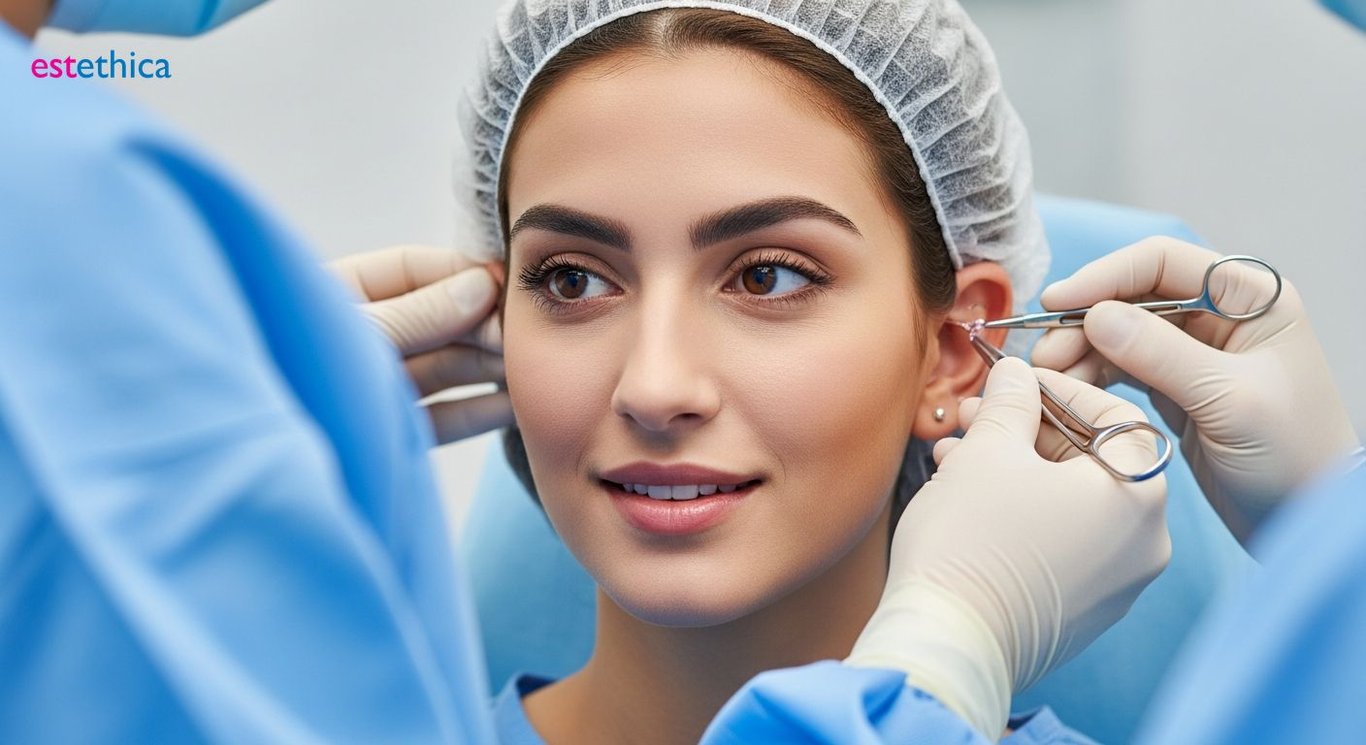
Understanding Ear Cartilage Modification Surgery
The cornerstone of successful ear correction procedures, particularly for those concerned about prominently positioned ears, lies in the meticulous art of ear cartilage modification surgery. This is the fundamental technique employed within otoplasty surgery, focusing on reshaping and repositioning the ear's internal framework – the cartilage. The goal is to achieve a more natural and aesthetically pleasing appearance, bringing the ears into better harmony with the facial features.
The Art of Cartilage Sculpting
During an ear surgery for protruding ears, the surgeon employs a variety of refined techniques to sculpt the ear cartilage. This isn't about brute force; it's a delicate process. Methods can include carefully scoring the cartilage to allow it to bend more easily into the desired position, gently folding and bending it, or in some cases, removing small, strategically placed sections of cartilage. Once the cartilage has been manipulated to achieve the correct shape and projection, fine, dissolvable sutures are often used to permanently hold it in its new place. This precise approach ensures that the ear's natural contours are respected while effectively correcting the protrusion. It’s a blend of artistry and surgical skill aimed at creating subtle yet significant improvements in ear aesthetics.
Achieving Natural-Looking Results
The primary objective of this sophisticated process is to ensure the ears look as natural as possible. Surgeons strive to avoid an "operated on" appearance, focusing instead on creating ears that seem inherently well-proportioned and positioned. For individuals seeking to address the aesthetic concerns associated with unusually shaped or positioned ears, this type of surgical intervention is paramount. Understanding how otoplasty corrects prominent ears involves appreciating the careful manipulation of the underlying cartilage. This detailed work is what allows for effective and lasting correction. For more in-depth information on how these procedures address concerns about prominent ears, you can explore Otoplasty Surgery: Fixing Protruding Ears Effectively. This section delves into the various methods and the expected outcomes of undergoing an ear surgery for protruding ears, highlighting the surgeon's role in achieving a balanced and harmonious look.

Expert Ear Cartilage Sculpting for Prominent Ear Correction
Otoplasty surgery employs advanced techniques to meticulously reshape and reposition prominent ears. Understanding the intricate structure of ear cartilage is fundamental to achieving optimal aesthetic results. This specialized approach allows for precise modifications, addressing the root cause of ear protrusion.
The process involves detailed analysis of each patient's ear anatomy to determine the most effective correction strategy. Surgeons utilize precise methods to enhance the natural antihelical fold and reduce the ear's projection from the head. This focus on cartilage modification ensures a natural and harmonious appearance.
Specialized training in cosmetic ear surgery ensures a deep understanding of facial aesthetics and surgical precision. Our practitioners are adept at manipulating ear cartilage to correct prominent ears effectively. This expertise translates into consistently natural-looking outcomes for our patients.
Your Journey to Enhanced Ear Aesthetics: The Otoplasty Process
Embarking on the journey to address concerns about ear shape or prominence begins with a crucial initial step: the consultation. During this appointment, your specific needs and goals for otoplasty surgery are thoroughly discussed. This ensures a personalized treatment plan tailored to your unique ear structure.
The actual otoplasty surgery is typically performed on an outpatient basis, prioritizing patient comfort and convenience. Following otoplasty surgery, a period of recovery is essential for optimal healing and results. Our team provides comprehensive post-operative support to ensure a smooth recovery.
Patients seeking prominent ear correction experience renewed self-assurance as their ears achieve a natural and balanced appearance. The careful manipulation of ear cartilage results in an improved aesthetic that integrates seamlessly with facial features. This transformative procedure enhances both appearance and confidence.