


This comprehensive guide covers everything you need to know about hair transplantation, from understanding different treatment options and costs to managing recovery and viewing real patient transformations. Discover effective hair restoration solutions and embark on your journey to fuller, more confident hair.
Experiencing hair thinning or loss can be a significant concern, impacting self-esteem and overall appearance. Fortunately, the field of hair transplantation has advanced dramatically, offering effective solutions for those seeking to regain a fuller head of hair. This guide delves into the world of hair restoration, exploring various treatments, understanding the procedures, and managing expectations. Whether you're considering a hair transplant or simply seeking information on hair loss treatment options, this comprehensive overview will equip you with the knowledge to make informed decisions about achieving your desired aesthetic and regaining confidence.Understanding Your Hair Loss Treatment Options
Navigating the complexities of thinning hair and seeking effective solutions can feel overwhelming. Fortunately, modern medicine offers a robust spectrum of approaches, from non-surgical interventions to advanced surgical procedures. For many, the journey begins with understanding that hair loss treatment is not a one-size-fits-all endeavor. Non-surgical options, such as topical applications like minoxidil and oral medications like finasteride, are often the first line of defense. These therapies can be instrumental in slowing the rate of hair shedding and, in some cases, encouraging regrowth by addressing the underlying hormonal or circulatory factors contributing to hair thinning. Consistency is key with these treatments, and they are frequently recommended as part of a comprehensive strategy, sometimes in conjunction with other methods. For those exploring more permanent and significant results, surgical hair restoration techniques have advanced considerably. Procedures like Follicular Unit Extraction (FUE) and Follicular Unit Transplantation (FUT) are designed to relocate healthy hair follicles from areas of dense growth to thinning or balding zones. These sophisticated techniques aim to create a natural and enduring aesthetic. Each method possesses distinct advantages, recovery timelines, and suitability based on individual hair loss patterns and donor site characteristics. To make an informed decision, consulting with a specialist is paramount to devise a personalized hair loss treatment plan that aligns with your unique needs and aspirations for achieving optimal outcomes.
Comparing Surgical and Non-Surgical Therapies
Distinguishing between surgical and non-surgical therapies is a crucial step in selecting the right path for managing hair loss. Non-surgical treatments primarily focus on managing or arresting the progression of hair thinning. Minoxidil, readily available without a prescription, is a topical solution that is thought to enhance blood flow to the scalp, potentially stimulating dormant follicles. Finasteride, a prescription oral medication, works by inhibiting the production of dihydrotestosterone (DHT), a hormone strongly linked to male pattern baldness. While these treatments can be effective, they typically require continuous use to maintain benefits, and their effects may recede if therapy is discontinued. Surgical hair restoration, conversely, offers a more definitive solution by physically relocating active hair follicles. FUE involves meticulously extracting individual follicular units, leading to minimal scarring and a rapid recovery. FUT, alternatively, involves the removal of a strip of scalp which is then processed to isolate grafts for transplantation. Both surgical approaches are capable of providing a substantial and long-lasting improvement in hair density. The ultimate choice between these interventions hinges on various factors, including the desired degree of density, the extent of hair loss, the availability and quality of donor hair, and a patient's preference for surgical versus non-surgical intervention. For a deeper dive into the surgical aspect, readers may find the comprehensive guide, Hair Restoration: Your Guide to Hair Transplant Solutions, to be particularly insightful.
The Cost of Hair Transplant: What to Expect
Understanding the financial aspect of a hair transplant is a key consideration for many individuals exploring options for hair restoration. The cost of such a procedure is not a fixed figure; it fluctuates significantly based on a variety of critical factors. The primary driver of expense is inherently linked to the number of grafts required to achieve the desired density and comprehensive coverage. Naturally, more extensive procedures necessitate a greater number of grafts, which consequently increases the overall financial investment. The chosen surgical technique also plays a substantial role in pricing. Some methods may be more labor-intensive for the surgical team or require specialized, advanced equipment, thus influencing the final price point. Furthermore, the experience, skill, and reputation of the surgeon, along with the clinic's standing, are factored into the cost. Highly sought-after specialists with a proven track record often command higher fees for their expertise and the results they consistently deliver. Geographical location can also impact pricing due to differing economic conditions, overhead costs, and market demand within a specific region. When evaluating the investment in hair restoration, it's crucial to look beyond the immediate price tag. Consider the long-term value, the potential positive impact on your confidence, and the overall improvement in your quality of life. Many reputable clinics offer detailed, personalized consultations to provide precise quotes, allowing you to understand the complete breakdown of costs and exactly what is included in the procedure. This typically encompasses pre-operative assessments, the surgical procedure itself, and essential post-operative care.
Factors Influencing Hair Transplant Pricing
Several specific elements contribute to the final price of a hair transplant. The extent of your existing baldness and the specific outcome you desire will ultimately dictate the total number of follicular units that need to be transplanted. An advanced stage of hair loss will invariably require more grafts, leading to a higher overall cost for the procedure. The surgical technique employed, whether it's the popular FUE (Follicular Unit Extraction) or the FUT (Follicular Unit Transplantation) method, can also influence the price. FUE, which involves the meticulous extraction of individual follicles, can be more time-consuming for the surgical team and therefore may be priced differently than FUT, where a strip of scalp is removed and then dissected. The skill, artistic eye, and renown of the surgeon are significant factors, as are the clinic's operational overhead costs. Highly experienced surgeons with a consistent history of successful outcomes often charge more for their specialized expertise and the advanced techniques they employ. Additionally, the specific type of hair restoration being performed – for example, whether it’s a standard scalp procedure, or something like a Mastering Beard Transplant: Achieve Full Facial Hair or eyebrow transplantation – might have different pricing structures due to the unique anatomical considerations and techniques involved. It is essential to discuss all these variables thoroughly during your initial consultation to gain a clear and comprehensive understanding of the investment required for your specific hair restoration journey. Remember, this procedure is a significant investment in your appearance and self-confidence, making thorough research and selecting a trusted, reputable provider paramount to achieving satisfactory results from your hair loss treatment.
The journey of addressing hair loss can feel complex, but understanding the cost is a vital step in making an informed decision about your hair transplant. This investment is designed to provide lasting results, restoring both your hair and your confidence. Discussing your individual needs and expectations with a qualified professional is the best way to get a clear picture of what to expect financially for your personalized hair loss treatment plan.
Hair Transplant Recovery: Tips for Best Results
The journey to fuller hair doesn't end with the final stitch of your hair transplant procedure. The recovery period is a critical phase, profoundly influencing the ultimate success and natural appearance of your new hair. Adhering strictly to your surgeon's post-operative instructions is non-negotiable for optimal healing and graft survival. Immediately following the procedure, expect some redness, swelling, and minor tenderness in both the recipient and donor areas. Gentle care is paramount; avoid touching, rubbing, or scratching the transplanted follicles to prevent dislodging them. Your surgeon will provide detailed instructions on how to gently wash your scalp, typically starting within 24-48 hours. For the initial weeks, it's vital to steer clear of strenuous physical activities, heavy lifting, and direct exposure to sunlight to minimize swelling and promote robust healing. Sleeping with your head slightly elevated can significantly aid in reducing post-operative edema. Adequate hydration and a nutrient-rich diet also play a supportive role in your body's regenerative processes. Remember that the initial shedding of transplanted hairs is a completely normal part of the cycle before new growth begins, so patience is key.
Essential Post-Procedure Care and Expectations
Understanding the typical recovery timeline and what to anticipate can significantly alleviate any anxiety and empower you to follow the recommended care protocols effectively. In the initial days, mild swelling and redness are normal. You might notice some small crusts forming around the transplanted follicular units; resist the urge to pick at these, as they will naturally slough off. Most individuals can resume light daily activities within a couple of days, but more vigorous exercise and contact sports should be postponed for several weeks to protect the delicate grafts. The transplanted hairs will typically begin to shed within two to six weeks post-procedure. This shedding is an expected phase as the follicles enter a dormant period before initiating new hair growth. Noticeable new hair growth usually commences around the 3-4 month mark, with results becoming increasingly apparent and dense by 6-9 months. The full, final outcome of your hair restoration, characterized by significant density and thickness, can take anywhere from 12 to 18 months to materialize. Diligently following your post-operative care plan, including any prescribed medications and necessary lifestyle adjustments, is fundamental to maximizing the success of your hair loss treatment.
To further understand your options and prepare for this crucial phase, consider exploring resources like Your Guide to Hair Transplant & Restoration: Effective Hair Loss Solutions. This comprehensive guide can offer valuable insights into the entire process, including pre-operative preparations and understanding the long-term benefits of successful hair restoration.
Optimizing Your Recovery: A Comparative Overview
Successfully navigating the recovery phase requires a mindful approach. Here’s a brief comparison of key care aspects:
Before & After: Real Hair Restoration Journeys
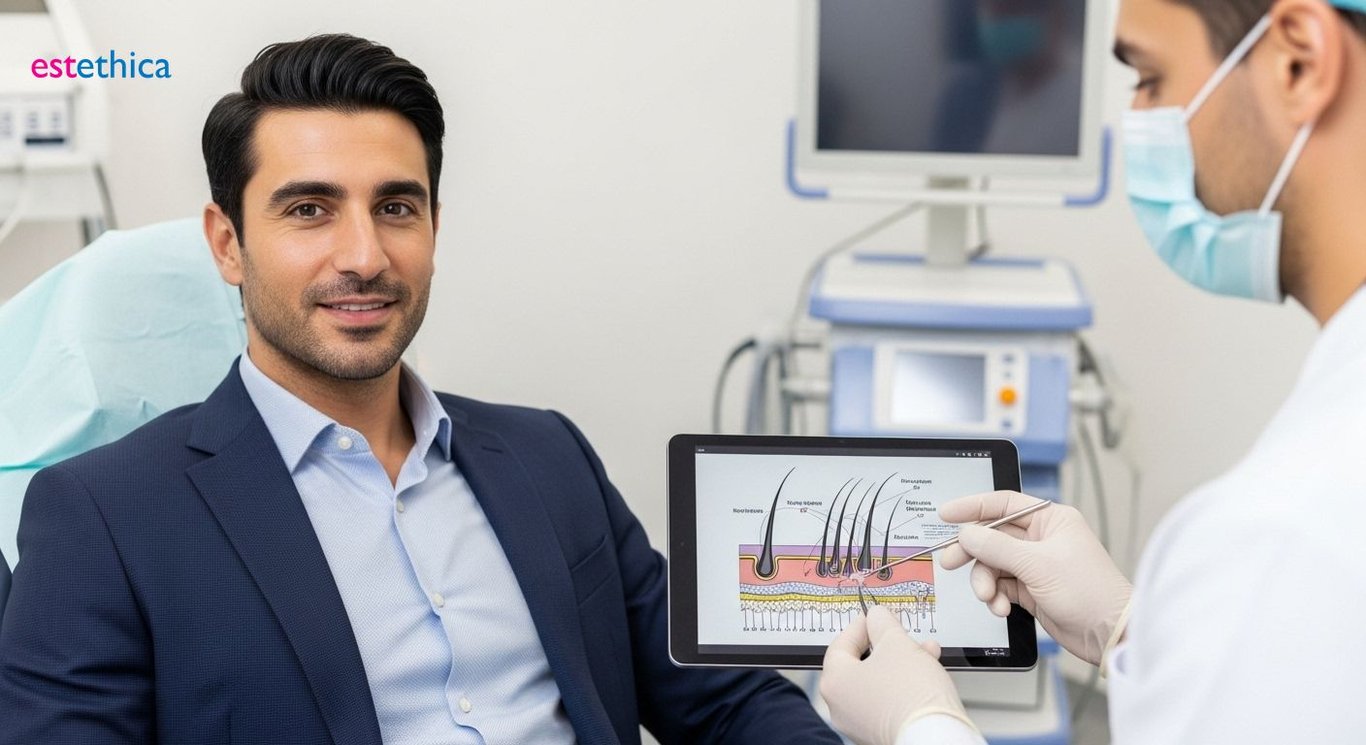
Witnessing the transformative power of hair restoration can be incredibly motivating for those considering the procedure. Real-life before and after stories showcase the significant impact a successful hair transplant can have on an individual's appearance and self-confidence. These journeys often highlight the personal challenges faced due to hair loss, the decision-making process, and the ultimate satisfaction with the results. Patients typically share their experiences with the consultation, the surgical procedure itself, and the recovery period. They often emphasize the natural-looking outcomes achieved through modern techniques, where the transplanted hair blends seamlessly with existing hair. Seeing the progression from thinning or bald areas to a fuller, more youthful hairline can provide a realistic preview of what's possible. These narratives serve as powerful testimonials, illustrating that effective solutions are available and that a successful hair transplant can lead to profound personal rejuvenation. This type of hair loss treatment offers hope and tangible results.
Inspiring Transformations Documented
The visual evidence provided by individuals who have undergone hair restoration is often the most compelling aspect for potential candidates. Detailed before and after photographs capture the dramatic changes, offering a clear perspective on the effectiveness of modern hair transplant procedures. These visual diaries typically begin by illustrating the extent of the patient's hair loss, whether it's a receding hairline, thinning crown, or more generalized thinning. The subsequent images, taken at various intervals post-procedure (often ranging from six months to a year or more), showcase the regained density, the natural growth direction, and the overall aesthetic improvement. Many patients express how the improved look has positively impacted their social interactions and professional confidence. They often detail the meticulous planning involved, the minimally invasive nature of the techniques used, and the relatively straightforward recovery. The key takeaway from these journeys is the restoration of a youthful appearance and a significant boost in self-esteem, proving that significant improvements are achievable through dedicated hair restoration efforts.
Case Studies: The Tangible Impact of Hair Restoration
Examining case studies offers concrete examples of the effectiveness of hair transplantation. These detailed accounts often include high-quality photographs taken at different stages: pre-procedure, immediately after, and at several months post-operation. For instance, a case study might feature an individual experiencing significant frontal or crown thinning. The 'before' images would clearly depict the extent of hair loss. The 'after' images, taken at 6, 12, or 18 months, would demonstrate the density achieved, the natural direction of hair growth, and the improved facial frame. Such documentation often specifies the technique used (e.g., FUE), the number of grafts transplanted, and the timeline for results. These visual and descriptive records are invaluable for potential patients seeking a reliable hair loss treatment, providing tangible proof of the capabilities of modern hair restoration and helping to set realistic expectations for their own journey. They underscore the skill of the surgeons and the life-changing potential of these procedures, offering a clear path to renewed confidence.

Advanced FUE and DHI Hair Transplant Techniques for Natural Hair Regrowth
We specialize in advanced Follicular Unit Extraction (FUE) and Direct Hair Implantation (DHI) techniques, offering precise and minimally invasive solutions for hair restoration. These methods ensure natural-looking results by carefully transplanting individual hair follicles to address baldness and thinning hair.
Our approach focuses on maximizing hair regrowth and achieving optimal density, utilizing the latest innovations in hair follicle transplantation to provide effective hair loss solutions for both men and women.
Our team comprises highly skilled surgeons and medical professionals with extensive experience in performing complex hair transplant procedures. We are dedicated to staying at the forefront of hair restoration advancements, ensuring patients receive the most effective and up-to-date treatments available.
We prioritize patient education, offering comprehensive guidance on hair loss causes and the most suitable treatment options tailored to individual needs. This commitment to expertise ensures informed decision-making throughout the hair restoration journey.
Comprehensive Hair Transplant Recovery and Cost Transparency
We provide detailed guidance on the hair transplant recovery process, offering essential tips and support for optimal healing and results. Understanding the typical recovery timeline and what to anticipate significantly alleviates anxiety and empowers patients to follow recommended care protocols effectively.
Transparency regarding the cost of a hair transplant is a cornerstone of our service. We clearly outline the factors influencing pricing, ensuring individuals have a clear understanding of the financial investment involved in their hair restoration journey.
Our patients' success stories are a testament to our trustworthy approach and the life-changing results we deliver. Witnessing the transformative power of hair restoration is incredibly motivating for those considering the procedure.
We are committed to providing a supportive and informative environment, addressing all patient concerns from initial consultation through post-operative care. This dedication ensures a positive and reassuring experience for everyone seeking hair augmentation.