

Learn about beard transplant procedures, including FUE and DHI techniques, understand the costs involved in beard restoration, and discover how to find the best surgeon for natural-looking facial hair growth.
Are you dreaming of a fuller, more defined beard? For many, achieving desired facial hair density can be a challenge due to genetics, hormonal factors, or previous medical conditions. Fortunately, modern advancements in hair transplantation offer a powerful solution. A beard transplant, also known as facial hair transplant, provides a natural and permanent way to enhance your beard's appearance. This guide delves into the intricacies of beard restoration, covering everything from understanding the procedures to finding the right specialist and managing expectations for a confident, sculpted look.Understanding the Beard Transplant Procedure: FUE vs. DHI
Embarking on the journey towards a fuller, more defined beard often begins with understanding the core techniques employed in hair transplantation: Follicular Unit Extraction (FUE) and Direct Hair Implantation (DHI). While both methods are dedicated to transplanting robust hair follicles from a donor area, typically the back of the scalp, to the desired beard region, they diverge in their extraction and implantation methodologies. For those considering related procedures, exploring an Eyebrow Transplant: Your Guide to Natural Hair Restoration can offer further insights into meticulous facial hair restoration.
Follicular Unit Extraction (FUE) Explained
The Follicular Unit Extraction (FUE) technique is a widely embraced method. In FUE, individual hair follicles are meticulously extracted one by one directly from the donor site using a specialized micro-surgical punch tool. These harvested follicles are then carefully prepared and subsequently implanted into tiny, precisely made incisions within the recipient beard area. FUE is lauded for its minimally invasive nature, allowing for the creation of a natural-looking hairline and desired density in the transplanted beard. The recovery period is generally straightforward, characterized by minor scabbing at both the donor and recipient sites, which typically resolves within a week or two. This method forms the foundational approach for many successful beard transplant procedures.
Direct Hair Implantation (DHI) and Its Advantages
Direct Hair Implantation (DHI) represents an evolution, utilizing a sophisticated pen-like instrument known as a Choi implanter. While the follicle extraction process in DHI is still conducted via FUE, the implantation phase is integrated into a single, seamless step. The Choi implanter grants the surgeon exceptional control over the depth, angle, and direction of each implanted graft, potentially leading to even more natural-looking outcomes and the possibility of denser packing. DHI often features a slightly accelerated implantation phase and can sometimes result in less trauma to the scalp tissue, which may expedite the healing process post-procedure. The decision between FUE and DHI for a facial hair transplant is often influenced by the surgeon's proficiency, the individual patient's specific requirements, and the ultimate aesthetic goals for their facial hair. Both approaches are designed for effective beard restoration.
Irrespective of the chosen technique for your facial hair transplant, both FUE and DHI are engineered to deliver enduring and natural-looking results, effectively addressing concerns such as patchy or sparse beards. The careful selection of donor hair and the expert implantation executed by the surgeon are paramount to achieving successful beard restoration. The commitment to precision ensures that each facial hair transplant provides a significant enhancement to the patient's appearance.
The Cost of Confidence: How Much Does a Beard Transplant Really Cost?
Understanding the investment required for a beard transplant is a crucial step for anyone considering this transformative procedure. The overall cost of a beard restoration is influenced by several key factors, making it essential to get a personalized consultation for accurate pricing. These elements typically include the number of grafts needed, the complexity of the procedure, the chosen clinic's reputation and location, and the specific techniques employed (like FUE or DHI).
Generally, pricing is calculated per graft. A minor touch-up to fill in small sparse areas might require fewer grafts, while a full beard reconstruction will necessitate a larger number. The skill and experience of the surgeon also play a significant role; highly sought-after specialists may command higher fees due to their proven track record in achieving natural-looking results. Furthermore, the geographical location of the clinic can impact costs, with major metropolitan areas often having higher price points. When considering the financial aspect, remember that this procedure is a long-term enhancement. Unlike temporary solutions, the outcome of a successful facial hair transplant is permanent, offering a lasting boost to your appearance and self-assurance.
Factors Influencing the Investment
Delving deeper into what determines the overall expenditure for a beard transplant is vital for informed decision-making. The quantity of follicular units transplanted is paramount. Patients desiring a denser, more complete look will naturally require a higher graft count, directly impacting the final price. The intricacy of the facial structure and the desired pattern of growth also contribute to the procedure's complexity. Experienced surgeons take meticulous care in designing the hairline and density to ensure a natural and aesthetically pleasing result, which is reflected in their service fees. Choosing a clinic renowned for its expertise and commitment to patient satisfaction is a wise investment. Such establishments often invest heavily in state-of-the-art equipment and continuous training for their medical teams, ensuring the highest standards of safety and efficacy for your facial hair transplant.
It's important to view the cost not just as an expense, but as an investment in self-confidence and appearance. A well-executed beard transplant offers permanent results, meaning the cost is spread over a lifetime of enhanced aesthetics. When evaluating the price, consider the total package, which often includes pre-operative consultations, the surgical procedure itself, post-operative care, and follow-up appointments. Patients seeking beard restoration should prioritize clinics that offer transparent pricing and provide detailed breakdowns of all associated charges. Always opt for a qualified and experienced surgeon to ensure safety and optimal aesthetic outcomes for your facial hair transplant journey.
Beard Restoration: Your Guide to Natural-Looking Facial Hair Growth
Achieving a dense, natural-looking beard is the ultimate goal of any beard restoration procedure. This process goes beyond simply adding hair follicles; it involves meticulous planning and execution to ensure the transplanted hair blends seamlessly with your existing facial hair. Natural-looking results are paramount in successful beard restoration, requiring careful consideration of hair color, texture, curl pattern, and growth direction.
The Art of Natural Beard Transplantation
The selection of donor hair is a critical component. Surgeons typically choose hair from the nape of the neck or behind the ears, as this hair often closely matches the characteristics of beard hair. The angle and density of the natural beard growth are carefully studied to replicate them in the recipient area. This detailed analysis allows the surgeon to create a hairline and density that mimics natural patterns, preventing an artificial or 'pluggy' appearance. The techniques employed, such as FUE (Follicular Unit Extraction) and DHI (Direct Hair Implantation), are designed to harvest and implant individual follicular units with precision. For those interested in a deeper dive into the methods, you can find more information in our article, Beard Transplant: Enhance Your Facial Hair Naturally.
Post-procedure care also plays a vital role in the success of your facial hair transplant. Following your surgeon's instructions regarding washing, sun exposure, and avoiding strenuous activities is essential for optimal healing and graft survival. Over time, the transplanted hairs will shed and then begin to grow back thicker and stronger, eventually reaching their full potential. Patience is key, as the final results of a beard transplant typically become apparent within 12-18 months. When performed by a skilled professional, beard restoration can dramatically enhance facial aesthetics, providing a confident and masculine appearance through permanent, natural-looking facial hair growth.
Comparing Beard Restoration Approaches
While surgical beard restoration offers permanent solutions, non-surgical methods can also play a role in enhancing facial hair density. These might include topical treatments or specialized light therapies, though their effectiveness and longevity differ significantly from a surgical facial hair transplant. Understanding these differences is crucial when deciding on the best path for your individual needs.
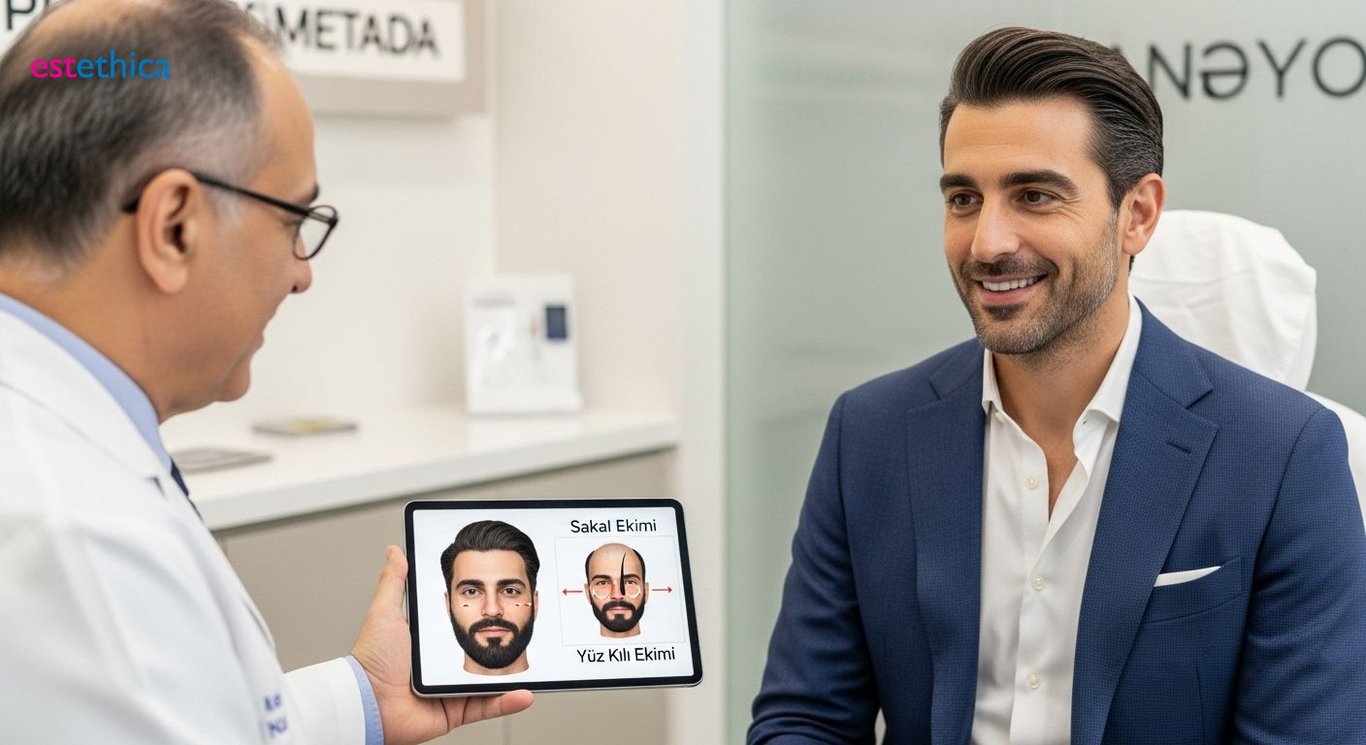
Finding the Best Beard Transplant Surgeon Near You
Choosing the right surgeon is arguably the most critical decision you'll make when seeking a beard transplant. The success of your facial hair transplant, in terms of both aesthetic outcome and safety, hinges on the expertise and experience of the practitioner. A highly skilled surgeon will not only possess the technical proficiency for the procedure but also an artistic eye for creating natural-looking results. This expertise is crucial for achieving a satisfactory outcome that complements your facial structure and personal style.
Evaluating Surgeon Credentials and Experience
Begin your search by looking for board-certified dermatologists or plastic surgeons who specialize in hair restoration, particularly with a strong focus on beard transplantation. Online reviews, patient testimonials, and before-and-after photo galleries can provide valuable insights into a surgeon's capabilities. Pay close attention to the quality and consistency of results depicted in their portfolio – look for natural growth patterns, appropriate density, and well-defined hairlines in their previous beard restoration cases. Understanding their specific experience with different facial hair transplant techniques, such as FUE (Follicular Unit Extraction) and DHI (Direct Hair Implantation), is also important. A surgeon’s comfort and proficiency with these methods will influence the procedure’s effectiveness and your recovery.
The Importance of Consultation and Communication
Schedule consultations with a few prospective surgeons to discuss your goals and expectations for your beard transplant. During these consultations, ask about their experience with facial hair procedures, the techniques they prefer (FUE, DHI), and their approach to donor hair selection and graft placement. A good surgeon will take the time to thoroughly assess your facial structure, analyze your existing beard density, and explain the procedure in detail, including potential risks and the expected recovery process. Don't hesitate to ask questions about their team's qualifications and the clinic's hygiene standards. Ensuring a clear understanding of the entire process, from pre-operative preparation to post-operative care, is vital for a smooth experience. Ultimately, the best surgeon for your facial hair transplant will be one who makes you feel comfortable, confident, and well-informed throughout the entire process. They should listen attentively to your desires and provide realistic expectations for your beard restoration journey, making you feel confident in their ability to deliver the desired look for your facial hair transplant. A thorough consultation is the foundation for a successful beard transplant.
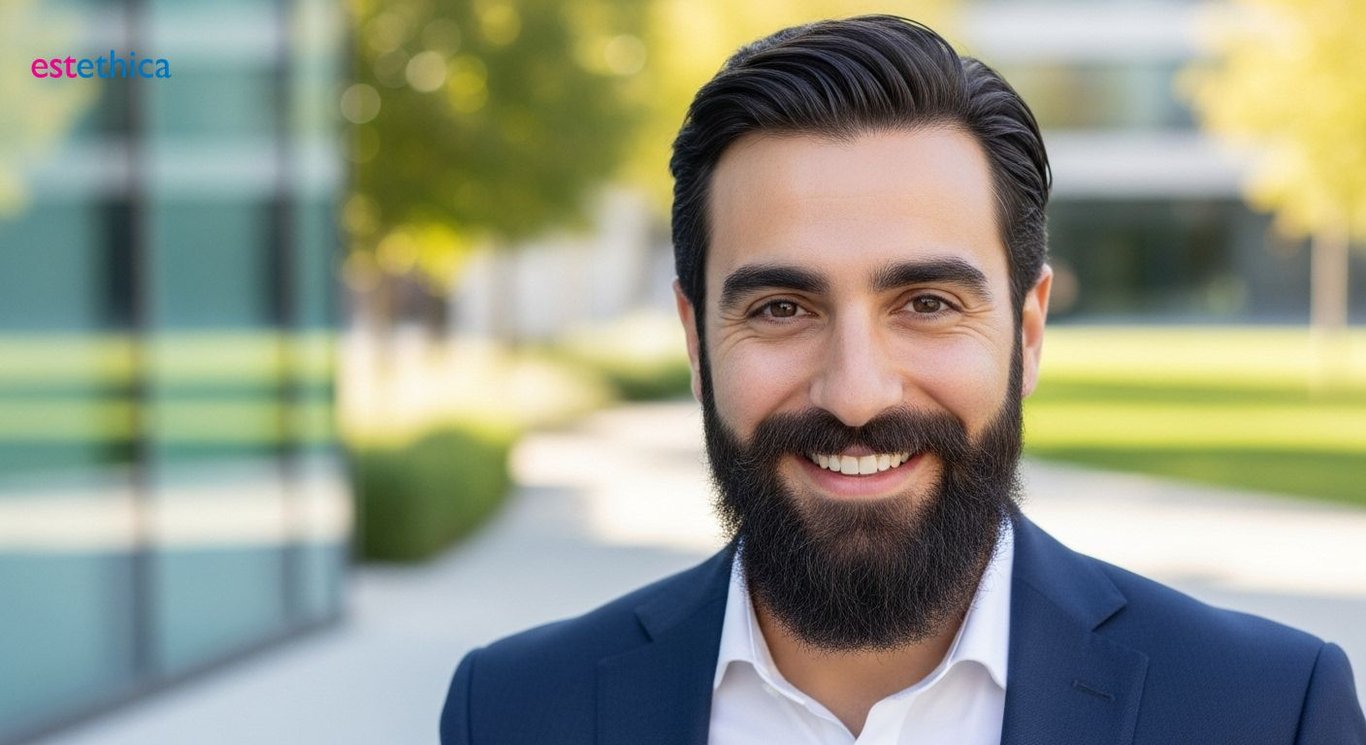
Mastering FUE and DHI Beard Transplantation for Natural Facial Hair Growth
Our expertise lies in the advanced FUE (Follicular Unit Extraction) and DHI (Direct Hair Implantation) techniques for beard transplantation. FUE involves the meticulous extraction of individual hair follicles, ensuring minimal scarring and natural-looking density. DHI, utilizing a specialized Choi implanter pen, offers enhanced precision for graft placement, contributing to superior aesthetic outcomes in beard restoration.
We are adept at performing full beard transplants for patchy beards, addressing concerns like receding beard lines and increasing beard density. Our approach ensures that each transplanted follicle integrates seamlessly, mimicking natural facial hair growth patterns for a robust and authentic appearance.
As specialists in facial hair restoration, we possess deep knowledge of follicular unit extraction beard procedures and DHI beard transplant methods. Our practitioners are dedicated to refining these techniques, offering innovative solutions for individuals seeking to enhance their facial hair. We understand the nuances of beard hair implants and facial hair surgery to deliver results that are both effective and visually appealing.
Your Trusted Partner for Natural Beard Transplants and Patchy Beard Solutions
Trust is paramount in beard restoration, and we build it through transparent communication and proven methodologies. We provide detailed information on the beard transplant procedure, including recovery timelines and what to expect regarding beard transplant permanence and natural appearance. Our commitment extends to discussing non-surgical beard enhancement options for those not yet ready for surgery.
We are dedicated to offering affordable beard transplant solutions and connecting patients with top beard transplant clinics. Our focus is on the patient journey, ensuring they feel informed and comfortable throughout the process, from understanding how much a beard transplant costs to experiencing the final, enhanced look.
Patients seeking a full beard transplant for patchy beards find reliable solutions with us. We help individuals achieve their desired facial hair density, whether for aesthetic reasons or personal confidence. Our success is measured by the natural beard transplant results our clients experience, effectively solving receding beard challenges.
We address critical patient questions, such as "is a beard transplant permanent?" and "what is the best beard transplant technique?". By providing clear, expert answers and demonstrating the effectiveness of techniques like FUE and DHI beard transplants, we empower our patients to make informed decisions about their facial hair journey.