


Discover comprehensive hair transplant solutions, from understanding hair loss causes and treatments to navigating hair transplant costs and selecting the right clinic. Learn about FUE vs. FUT techniques for effective hair restoration.
Are you experiencing hair thinning or loss and seeking effective solutions? Hair transplantation has emerged as a transformative procedure, offering natural-looking results and renewed confidence. This comprehensive guide delves into the world of hair restoration, exploring the underlying causes of hair loss, detailing the various treatment options available, and providing insights into the cost, best practices for selecting a clinic, and the science behind modern hair transplant techniques. Whether you're considering your first procedure or exploring alternatives, our goal is to equip you with the knowledge needed to make informed decisions on your journey to regaining a fuller head of hair.Understanding Hair Loss Treatment: Causes and Options
Millions worldwide grapple with hair loss, a condition known medically as alopecia. The journey to understanding and addressing this common concern begins with identifying its underlying causes. While genetic predisposition, often termed androgenetic alopecia, stands as the most frequent culprit, leading to characteristic patterns like a receding hairline or thinning at the crown, it’s far from the only factor. A variety of other influences can contribute to thinning hair, including hormonal fluctuations, certain medical conditions such as thyroid disorders or autoimmune diseases, deficiencies in essential nutrients, significant stress levels, and even the side effects of specific medications.
Common Causes of Hair Loss
Pinpointing the precise reason for your hair thinning is the critical first step towards effective intervention. For instance, hormonal imbalances, particularly in women, can lead to diffuse thinning across the scalp. Stress, whether acute or chronic, can trigger temporary shedding (telogen effluvium), while underlying autoimmune conditions might attack hair follicles directly. Nutritional deficits, especially in iron or certain vitamins, can also impede healthy hair growth. A thorough medical evaluation is often necessary to diagnose the specific cause, paving the way for a personalized treatment strategy. This understanding is fundamental to successful hair restoration.
Exploring Treatment Avenues
Fortunately, a diverse range of options exists for those seeking to combat hair thinning and achieve better hair restoration. Beyond the surgical realm of hair transplant procedures, a spectrum of non-surgical interventions offers viable solutions. Topical treatments, such as minoxidil, are widely used to stimulate regrowth. Oral medications, like finasteride (primarily for men), can help slow progression. Emerging therapies, including low-level laser therapy (LLT) and platelet-rich plasma (PRP) injections, are also gaining traction for their potential to promote hair growth. For individuals considering a more permanent solution, a Hair Transplant: Your Guide to Hair Restoration & Loss Treatment offers a detailed look into surgical restoration. Deciding on the most appropriate course of action, whether it involves medical management, therapeutic treatments, or a surgical hair transplant, is best achieved through a comprehensive consultation with a specialist. This ensures that the chosen hair loss treatment aligns with individual needs and expectations, ultimately guiding you toward renewed confidence and a fuller head of hair. When researching a hair transplant clinic, consider experienced professionals who can discuss all available hair loss treatment options, including the specifics of hair transplant cost and the benefits of advanced hair transplant techniques.
Hair Transplant Cost: Factors Influencing Your Investment
Understanding the investment required for a hair transplant is crucial for anyone considering this transformative procedure. The overall hair transplant cost isn't a fixed figure; rather, it's influenced by a dynamic interplay of several key elements. At its core, the number of grafts needed to achieve your desired density and aesthetic outcome is a primary determinant. This, in turn, is directly related to the extent of your hair thinning or baldness and the specific areas you wish to address. A larger area requiring coverage naturally necessitates more grafts, impacting the total expense.
Surgical Technique and Surgeon Expertise
The chosen surgical methodology also plays a significant role in the final price. While advanced techniques like Follicular Unit Extraction (FUE) are highly sought after for their minimally invasive nature and natural-looking results, they can sometimes involve more intricate processes and specialized equipment compared to older methods. Similarly, the reputation and extensive experience of the hair transplant clinic and the surgeon performing the procedure are invaluable. Highly skilled surgeons with a proven track record in achieving exceptional results often command higher fees, reflecting their expertise and the quality of care you can expect. Investing in a seasoned professional is often seen as a wise decision for optimal long-term outcomes in your hair restoration journey. Furthermore, the geographic location of the clinic can influence pricing, with costs potentially varying between different cities or countries due to local economic factors and market demand for sophisticated hair loss treatment.
Comprehensive Care and Expected Results
Beyond the technical aspects, the comprehensive nature of the service offered by a reputable hair transplant clinic contributes to the overall value. This includes thorough consultations, personalized treatment plans, the surgical procedure itself, and crucial post-operative care. While the initial hair transplant cost is a practical consideration, it's essential to weigh this against the profound and lasting benefits of successful hair restoration. The confidence and improved self-esteem that come with regaining a fuller head of hair are often described as priceless by patients. For those considering less extensive procedures, resources like the "Eyebrow Transplant: Your Guide to Natural Hair Restoration" (Eyebrow Transplant: Your Guide to Natural Hair Restoration) can offer valuable insights into specialized hair restoration options. Ultimately, a well-executed hair transplant is an investment in your appearance and well-being, representing a significant step towards effective hair loss treatment.
Choosing the Right Hair Transplant Clinic: What to Look For
Selecting the ideal hair transplant clinic is a critical step in ensuring a successful and satisfactory outcome for your hair restoration journey. This decision often feels daunting, but by focusing on key indicators of quality and professionalism, you can navigate the options with confidence. The foremost consideration should be the qualifications and experience of the surgeon. Look for clinics where the procedures are performed by board-certified surgeons who specialize in hair restoration and have a substantial track record.
Expertise and Proven Results
A reputable clinic will readily showcase a portfolio of before-and-after photographs. These visual examples are invaluable for assessing the surgeon's skill in achieving natural-looking density and aesthetically pleasing hairlines. Beyond the visual evidence, patient testimonials and online reviews offer a glimpse into the overall patient experience, including satisfaction with the results and the quality of care provided. Don't hesitate to seek out clinics that prioritize patient education and transparency. This includes a thorough initial consultation where all your questions about the procedure, recovery, and expected outcomes are addressed comprehensively.
Technology and Patient Care
Furthermore, inquire about the specific techniques and technologies employed. Modern advancements in hair transplant procedures aim to minimize invasiveness and optimize results. A clinic that invests in the latest equipment and training demonstrates a commitment to providing cutting-edge hair loss treatment. Equally important is the post-operative care protocol. Understanding the support you'll receive after the procedure, including follow-up appointments and guidance on managing the healing process, is essential. A comprehensive approach to patient care extends beyond the surgery itself.
When evaluating potential clinics, consider these factors:
Making an informed decision about your hair transplant clinic is paramount. Thorough research and a discerning eye for quality will significantly contribute to a positive and successful hair transplant outcome. The investment in a skilled professional and a reputable facility is an investment in your long-term confidence. While considering your options, you might also explore related procedures such as the Beard Transplant: Enhance Your Facial Hair Naturally, which is another area where specialized expertise is crucial.
The Science Behind Hair Restoration: FUE vs. FUT Explained
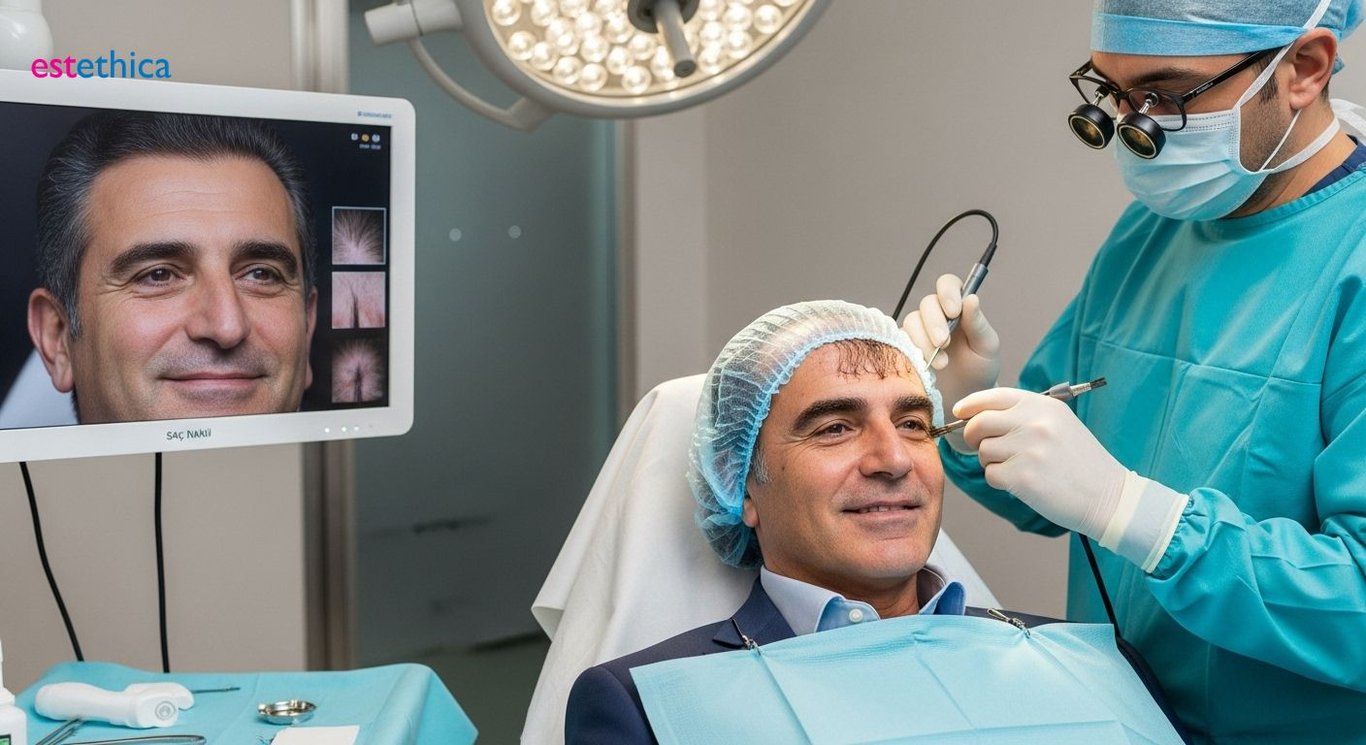
Modern approaches to hair restoration primarily rely on two sophisticated surgical techniques: Follicular Unit Transplantation (FUT) and Follicular Unit Extraction (FUE). Both methods are designed to address hair loss by relocating hair follicles from a donor area, typically rich in DHT-resistant hair (usually the back and sides of the scalp), to areas experiencing thinning or baldness. The fundamental goal of each hair transplant procedure is to achieve natural-looking and permanent hair growth.
Understanding FUT (Follicular Unit Transplantation)
FUT, often referred to as strip harvesting, is a technique where a thin strip of scalp tissue is carefully removed from the donor region. This strip is then meticulously dissected under high magnification by skilled technicians to isolate individual follicular units – the natural groupings of hairs found on the scalp. Because a single strip can yield a substantial number of grafts, FUT can be an efficient method for individuals requiring a large number of transplanted hairs in one session. The primary consideration with FUT is the linear scar left in the donor area, which is usually concealed by existing hair once it grows back. This procedure has been a cornerstone of hair restoration for many years.
Exploring FUE (Follicular Unit Extraction)
In contrast, FUE involves the direct extraction of individual follicular units from the donor area using a specialized micro-punch tool. This minimally invasive approach leaves behind tiny, dot-like scars that are virtually imperceptible, especially with shorter hairstyles. FUE typically results in a quicker recovery period compared to FUT, making it an increasingly popular choice for many seeking hair restoration. The precision of FUE allows for natural-looking results, and it is often preferred for its less invasive nature. Both FUE and FUT are effective forms of hair loss treatment, with the choice often depending on individual needs and the surgeon's recommendation. For a deeper dive into the principles of successful hair transplantation, you might find this article on Saç Ekimi: Revolutionizing Hair Restoration for Natural Results insightful. Understanding the nuances of each hair transplant method is crucial when considering your options, whether it's a first-time hair transplant or addressing previous procedures. While the upfront hair transplant cost can vary, the long-term benefits of a successful procedure are significant. Seeking advice from a reputable hair transplant clinic is paramount for optimal outcomes, regardless of the specific hair transplant clinic you choose.

Expert Insights into Hair Transplant Techniques: FUE vs. FUT
Delving into the intricacies of hair restoration, we provide expert analysis of both Follicular Unit Transplantation (FUT) and Follicular Unit Extraction (FUE) methods. Understanding the nuances of each technique is crucial for effective intervention and achieving desired hair density.
Our comprehensive guide details the surgical procedures, allowing individuals to grasp the scientific underpinnings of each approach and how they contribute to successful hair restoration outcomes.
We offer in-depth information on hair loss causes, including genetic predispositions like androgenetic alopecia, and explore a diverse range of treatment avenues. This expertise ensures that individuals are well-equipped to understand their specific situation and the available solutions.
Our content is meticulously crafted to address common concerns, such as the pain associated with hair transplant procedures and the longevity of results, providing authoritative answers backed by knowledge of the field.
Transparent Guidance on Hair Transplant Costs and Options
We demystify the investment required for hair transplants by detailing the factors influencing cost, including surgical technique and surgeon expertise. This transparency empowers individuals to make informed financial decisions.
We present a range of affordable hair transplant options and discuss the value proposition of comprehensive care, ensuring that patients understand the full scope of services and expected results.
Our platform offers practical advice on finding hair transplant solutions, including exploring non-surgical alternatives and understanding the benefits of advanced technologies like robotic hair transplants. This broad approach ensures all avenues are considered for effective hair loss treatment.
We provide crucial information on finding a hair transplant surgeon and clinic, whether locally or in major centers, facilitating access to quality care and expert guidance for every step of the hair restoration journey.