


Explore the transformative potential of beard transplantation for achieving natural, dense facial hair. Learn about the procedure, costs, and results.
Dreaming of a fuller, more defined beard? A beard transplant offers a revolutionary solution for achieving the facial hair you desire. Whether you're experiencing thinning, patchiness, or complete absence of facial hair, modern transplantation techniques can help restore density and shape with natural-looking results. This guide delves into the intricacies of the beard transplant procedure, its associated costs, and what to expect from facial hair restoration, providing insights into achieving your ultimate beard goals.Full Beard Transplant Procedure: Step-by-Step
Understanding the Beard Transplant Process
Embarking on the journey to achieve a fuller, more defined beard through transplantation is a meticulous and carefully guided procedure. It typically commences with an in-depth consultation, during which a specialist meticulously evaluates your unique facial hair patterns, the condition of your skin, and the availability of suitable donor hair. The technique most frequently employed for this type of cosmetic enhancement is Follicular Unit Extraction (FUE). This sophisticated method involves the precise harvesting of individual hair follicles from a donor region, predominantly the back or sides of the scalp, areas known for hair that is genetically resilient to thinning. These extracted follicles are then artfully implanted into the recipient beard area. The surgeon follows a precise pattern, considering growth direction and density to meticulously replicate the appearance of natural facial hair. This implantation phase is absolutely critical, demanding extreme care in controlling the angle and depth of each graft to ensure a seamlessly natural aesthetic. Following the procedure, diligent post-operative care is paramount for optimal healing and the successful survival of the transplanted grafts. Most individuals can anticipate returning to their regular daily activities within approximately a week, although some temporary redness or mild swelling in the treated areas is common.
Donor Area Management and Grafting Techniques
The ultimate success and aesthetic outcome of a beard transplant are profoundly influenced by the quality and quantity of the donor hair selected. The FUE method is highly favored due to its ability to leave minimal scarring, making it a sought-after option for discreet procedures. Each follicular unit is delicately extracted using specialized micro-punches and then meticulously prepared for the subsequent implantation stage. In the recipient beard area, tiny incisions or channels are created using extremely fine needles, allowing for the precise placement of each graft. The surgeon's profound expertise in designing a natural-looking hairline and achieving appropriate density is of utmost importance. Over the ensuing months, the transplanted hairs will undergo a natural shedding cycle, followed by regrowth, gradually becoming thicker and more robust. Patience is a virtue, as the final, fully realized results of a facial hair transplant often become apparent and mature after a period of about 12 to 18 months. For those seeking comprehensive information on restoring hair loss or understanding the nuances of this procedure, resources like Hair Transplant: Your Guide to Hair Restoration & Loss Treatment can provide valuable insights into the broader field of hair restoration. This process is fundamental to achieving successful beard restoration.
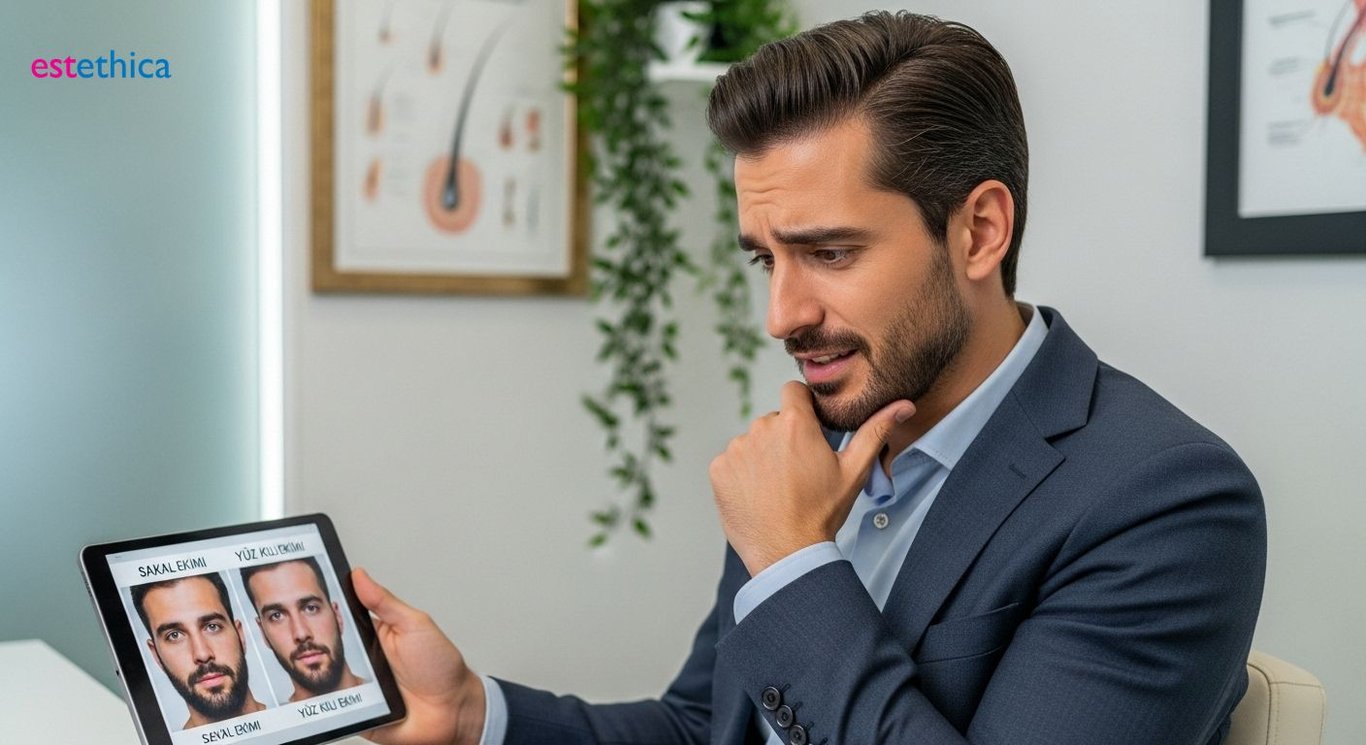
Beard Restoration & Facial Hair Transplant Cost Explained
Understanding the investment required for beard restoration is a key step for anyone considering this transformative procedure. The cost of a beard transplant is not a one-size-fits-all figure; it's influenced by a variety of personalized factors. The extent of hair loss or thinning, and consequently the number of grafts needed to achieve the desired density and coverage, is the most significant determinant of price. Larger areas requiring meticulous work or a more dramatic enhancement naturally necessitate more follicular units, impacting the overall cost.
Beyond graft count, the chosen transplantation technique plays a role. While Follicular Unit Extraction (FUE) is highly favored for its precision and minimal scarring, its meticulous nature can influence the procedure's duration and complexity. Furthermore, the skill and experience of the surgeon are paramount. Highly reputable surgeons with a proven track record in facial hair restoration often command higher fees, reflecting their expertise and the quality of results they consistently deliver. For those seeking a comprehensive guide on achieving fuller facial hair, exploring resources like Beard Transplant: Achieve Fuller Facial Hair This Year can offer valuable insights into the process and expectations.
Factors Influencing Beard Restoration Costs
The complexity of the procedure itself can also impact pricing. This includes the specific design of the beard line, the need for custom shaping, and any potential challenges related to the donor area. The clinic's location, its overheads, and the comprehensive nature of its services – encompassing detailed consultations, state-of-the-art facilities, and thorough post-operative care – all contribute to the final investment. It's crucial to view beard restoration as a long-term investment in your aesthetic confidence rather than merely an expense.
Understanding Value in Facial Hair Transplant Pricing
When evaluating the financial aspect of a facial hair transplant, it's essential to look beyond the initial price tag. While competitive pricing is understandable, prioritizing a qualified and experienced surgeon specializing in facial hair procedures is vital for achieving natural, aesthetically pleasing, and permanent results. The enduring satisfaction and the irreversible nature of a successful facial hair transplant often validate the initial outlay. Prospective patients should always request detailed quotes from reputable clinics, ensuring they understand exactly what is included, such as pre-operative assessments, the transplantation procedure, and all necessary follow-up appointments. Investigating the surgeon's portfolio and reading patient testimonials can provide a clearer picture of the value and quality offered for your facial hair transplant.
Beard Transplant Before & After: Real Results
Visualizing the Transformation
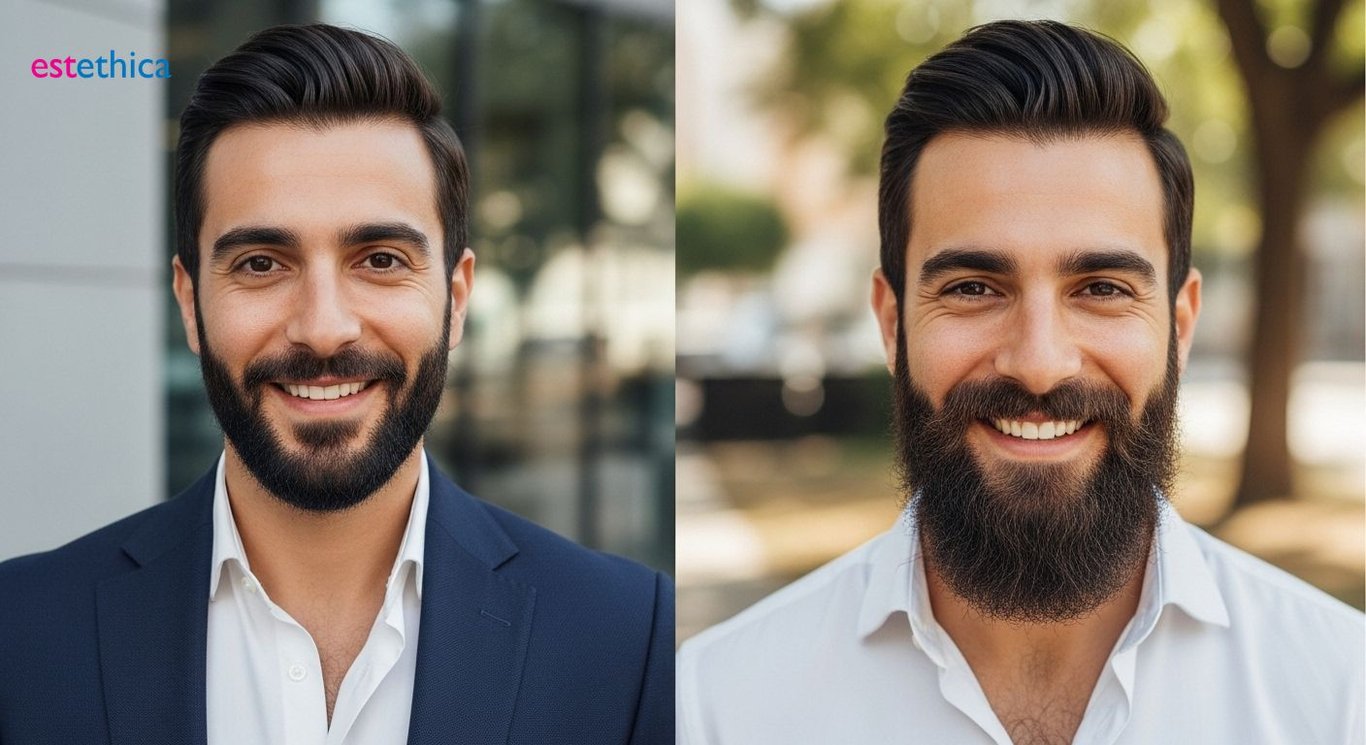
The impact of a successful beard transplant is best illustrated through before-and-after comparisons. These images showcase the dramatic improvements in beard density, coverage, and overall facial aesthetics. Patients often express newfound confidence and satisfaction after their procedure. The before photos typically depict areas of sparse growth, patchiness, or a lack of desired beard fullness. In contrast, the after images reveal a significantly more complete and natural-looking beard, demonstrating the effectiveness of modern transplantation techniques in achieving desired facial hair goals. These visual results serve as a powerful testament to the potential of facial hair restoration.
Observing these visual transformations is crucial for anyone considering a beard transplant. It allows potential patients to gauge the realistic outcomes and understand how a procedure can address concerns like thinning patches or the complete absence of facial hair. The artistry involved lies in creating a seamless blend, where the newly transplanted follicles integrate perfectly with the existing growth, ensuring an authentic appearance.
What to Expect from Real Beard Restoration Outcomes
Real-world results from beard restoration procedures highlight the ability to create a beard that appears completely natural. The transplanted hairs integrate seamlessly with existing facial hair, mimicking its texture and growth direction. While individual results can vary, the goal is always to achieve a balanced and aesthetically pleasing outcome that enhances the patient's features. It's important to remember that the transplanted hair will grow over time, requiring regular grooming just like natural beard hair. Reviewing numerous before-and-after examples from a clinic can give you a realistic expectation of the potential outcomes achievable through a facial hair transplant.
The recovery period is also an essential part of the overall outcome. While initial redness and minor swelling might be present, they subside quickly, revealing the emerging results. Over the following months, the transplanted grafts mature, leading to thicker and fuller growth. A well-executed facial hair transplant not only restores density but also reshapes and defines the beard line, contributing to a more masculine and aesthetically pleasing facial profile.
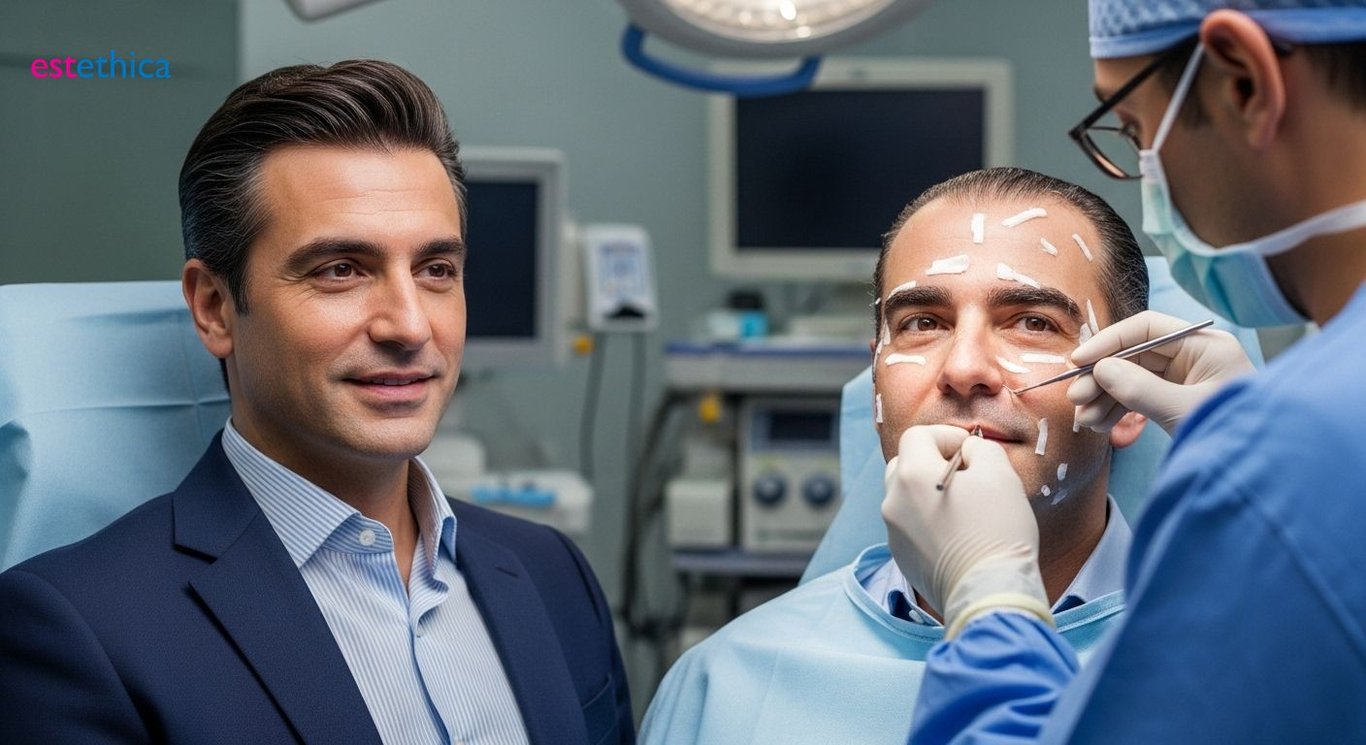
Exploring Non-Surgical Beard Enhancement Options
While a beard transplant offers a permanent and often dramatic solution for sparse or absent facial hair, some individuals may prefer to explore non-surgical avenues. These methods typically aim to stimulate natural growth, improve the thickness of existing hair, or offer temporary aesthetic enhancements. One of the most commonly discussed non-surgical options is the topical application of Minoxidil. This over-the-counter solution, widely known for its use in addressing scalp hair loss, can also be effective for some men in encouraging beard growth and increasing density over time. Consistent application, often twice daily, is key to observing potential results, which can take several months to become apparent.
Beyond Minoxidil, other non-surgical approaches might be considered, though their efficacy for enhancing beards can be more variable. Prescription medications, in some cases, might be explored under medical guidance to address underlying hormonal factors that could influence hair growth. Additionally, specialized light therapies are sometimes mentioned in discussions about hair growth stimulation. However, it's crucial to understand that these interventions generally do not create new hair follicles. Instead, they focus on optimizing the health and growth potential of existing follicles or influencing the hair growth cycle. For these reasons, the results achieved through non-surgical means are often less pronounced and permanent compared to a surgical beard transplant.
Managing Expectations with Non-Surgical Approaches
It is absolutely essential to approach non-surgical beard enhancement with realistic expectations. Unlike a definitive beard restoration procedure like a facial hair transplant, these methods are not designed to create entirely new hair growth where none exists. Their primary function is to encourage the growth of existing dormant or fine hairs, or to temporarily improve the perceived fullness of the beard. The process can be slow, often requiring dedicated application over many months before any noticeable changes occur. The density and coverage achieved may not match the comprehensive results of a surgical intervention. For individuals seeking significant and lasting improvements in beard volume or to fill in larger patchy areas, a well-executed facial hair transplant remains the most reliable option for achieving substantial beard restoration.
However, for men experiencing mild thinning or looking to complement the results of a previous procedure, non-surgical methods can serve as a valuable complementary strategy. They can potentially boost the thickness and appearance of the existing facial hair. It is always advisable to consult with a healthcare professional or a specialist in hair restoration to discuss the most suitable options based on individual needs and circumstances. They can provide personalized advice on the potential benefits and limitations of each approach, ensuring an informed decision is made regarding your beard enhancement journey, whether it involves a surgical beard transplant or alternative methods.
Follicular Unit Extraction for Natural Beard Growth
Follicular Unit Extraction (FUE) is the meticulously guided procedure most frequently employed for achieving a fuller, more defined beard. This sophisticated method involves the precise harvesting of individual hair follicles, predominantly from the back or sides of the scalp, areas known for hair that is genetically resilient to thinning. The technique ensures a natural appearance and permanent results.
As a permanent aesthetic procedure, beard transplantation addresses sparse or absent facial hair areas by carefully transferring hair roots from the donor region to the beard area. This ensures that the new facial hair integrates seamlessly with existing growth for a natural look.
Our specialists possess deep expertise in advanced hair restoration techniques, focusing on enhancing beard density and achieving natural beard growth. We meticulously evaluate unique facial hair patterns and skin condition, alongside donor hair availability, to tailor each procedure. This ensures the ultimate success and aesthetic outcome, profoundly influenced by the quality and quantity of donor hair selected.
Meticulous Beard Transplant Procedure and Cost Transparency
Understanding the investment required for beard restoration is a key step for anyone considering this transformative procedure, and we provide clear explanations of beard restoration and facial hair transplant costs. Factors influencing these costs include the complexity of the procedure itself and the chosen transplantation technique, such as Follicular Unit Extraction (FUE). When evaluating the financial aspect, it's essential to look beyond the initial price tag to the overall value and lasting results.
The recovery period is also an essential part of the overall outcome, and we guide patients through this phase to ensure optimal healing and graft survival. Our non-surgical beard enhancement options are also discussed to manage expectations with alternative approaches, providing a holistic view of facial hair improvement.
Patients seeking to achieve their ultimate beard goals find assurance in our meticulous and carefully guided beard transplant procedure. We ensure that the process, from initial consultation to final results, is handled with the utmost care and professionalism, delivering successful outcomes that enhance appearance and confidence.