


Discover your ideal path to a straighter smile with our comprehensive guide on braces and Invisalign. Understand the orthodontic treatment process, explore clear aligners, and learn about essential retainers.
Embarking on the journey to a straighter smile is an exciting step, and understanding your options is key. Whether you're considering traditional braces or the discreet appeal of Invisalign, this guide will illuminate your path. We delve into the orthodontic treatment process, explore the effectiveness of clear aligners for teeth, and discuss the essential aftercare involving a retainer after braces. Get ready to discover the best teeth straightening options available to achieve your dream smile, starting with an informed orthodontist consultation.Exploring Clear Aligners for Teeth: What Are They?
The landscape of orthodontic care has been significantly transformed by the advent of clear aligners for teeth. These custom-made, transparent trays offer a discreet and aesthetically pleasing alternative to traditional metal braces, revolutionizing the journey towards a straighter smile. Unlike their wire-and-bracket predecessors, clear aligners are virtually invisible, allowing individuals to undergo teeth alignment without the social concerns often associated with visible orthodontic appliances.
Understanding the Technology Behind Clear Aligners
At their core, clear aligners are sophisticated, medical-grade plastic mouthguards meticulously designed to apply gentle, controlled pressure to your teeth. This gradual pressure systematically guides them into their intended positions over a period of several months. The treatment begins with a comprehensive assessment, which typically involves digital scanning or traditional impressions of your teeth. These records are then used to create a precise 3D model of your dental structure. Based on this model, a series of aligners is manufactured, with each subsequent aligner representing a subtle yet significant step in the overall alignment plan. You'll wear each set for approximately two weeks before progressing to the next, ensuring a continuous and effective movement of your teeth.
The Advantages of Choosing Clear Aligners
One of the most compelling benefits of clear aligners is their removability. This feature significantly simplifies daily routines. Eating your favorite foods becomes unrestricted, as you can simply remove the aligners before meals. Furthermore, oral hygiene is greatly enhanced. Brushing and flossing are performed as usual, without the need for specialized tools or techniques required to navigate around fixed orthodontic hardware. This ease of maintenance contributes to better gum health and reduces the risk of cavities during treatment. While often associated with specific brands like Invisalign, the concept of clear aligners encompasses a broader range of similar products designed to achieve similar results. For a deeper dive into the nuances and options available, exploring resources such as Invisalign & Clear Aligners: Your Best Braces Options can provide valuable insights. While traditional braces have been the go-to solution for decades, the comfort, convenience, and discretion offered by clear aligners have made them an increasingly popular choice for individuals seeking effective teeth straightening.
The process with Invisalign and other clear aligner systems is designed to be as seamless as possible. Patients typically visit their orthodontist for periodic check-ups to ensure the treatment is progressing as planned and to receive their next series of aligners. The gradual nature of the tooth movement ensures that discomfort is minimized, making the entire experience more comfortable for many compared to the more abrupt adjustments sometimes associated with traditional methods. These clear aligners for teeth represent a modern approach to achieving a beautiful, aligned smile with minimal disruption to everyday life.
The Orthodontic Treatment Process Explained
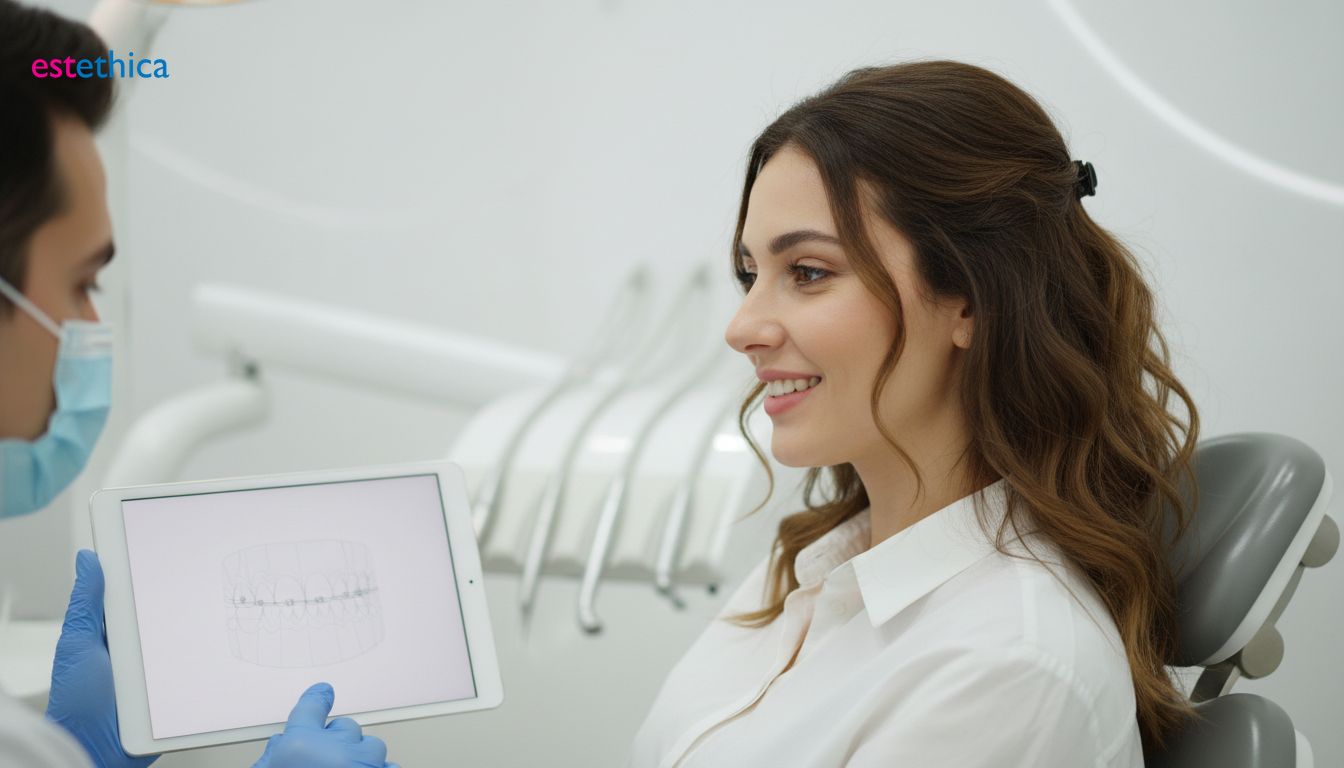
Embarking on the journey to a straighter smile is a significant step, and understanding the orthodontic treatment process is key to a successful outcome. This carefully orchestrated journey is designed to correct misaligned teeth and jaw issues, ultimately enhancing both function and aesthetics. The initial phase typically involves a comprehensive evaluation by your orthodontist. During this consultation, your dental health, the intricacies of your bite, and your personal aesthetic aspirations are thoroughly assessed. This detailed understanding forms the bedrock upon which your unique treatment plan is built.
Following this initial assessment, a personalized strategy is devised. This plan meticulously outlines the most suitable appliance for your needs, whether it be traditional metal braces or the discreet appeal of invisalign. The proposed duration of your treatment and the anticipated results are also clearly communicated, ensuring you have realistic expectations from the outset. This clarity is vital for maintaining motivation throughout the process.
Monitoring Progress and Adjustments
Throughout your treatment, regular appointments are scheduled. These visits are crucial for monitoring your progress and making necessary adjustments. For those undergoing traditional treatment, this might involve tightening wires or replacing elastics. Patients opting for clear aligners will typically receive new sets of aligners at these intervals, each designed to guide your teeth incrementally towards their ideal position. This consistent, systematic approach ensures that your teeth are moved safely, effectively, and as efficiently as possible. The commitment to attending these appointments and following the orthodontist's guidance is paramount to achieving the desired outcome.
It's important to recognize that the timeline for achieving a corrected smile can vary significantly. Factors such as the complexity of the malocclusion, the chosen treatment method, and individual biological responses all play a role. While some cases might be resolved relatively quickly, others require a more extended period. Your orthodontist will provide an estimated timeframe, but flexibility and patience are valuable virtues during this transformative period. For those interested in exploring different avenues for dental correction, a deeper dive into Braces & Invisalign: Top Teeth Alignment Solutions can offer further insights into the available technologies and their respective benefits.
Maintaining Your New Smile
Once your active treatment phase is complete and your teeth have reached their optimal alignment, the focus shifts to retention. A crucial element of orthodontic care is the use of a retainer. This custom-made appliance, which can be fixed or removable, is designed to hold your teeth in their new positions, preventing them from shifting back. Consistent wear of your retainer, as prescribed by your orthodontist, is absolutely essential for preserving the results of your hard work and investment. Neglecting this final stage can unfortunately lead to the reversal of progress, making the maintenance phase just as critical as the active treatment itself.
Invisible Braces: A Discreet Alternative
For individuals who prioritize aesthetics during their journey to a straighter smile, various discreet alternatives to traditional metal braces are now widely available. These advanced systems are specifically designed to minimize visibility, making them an excellent choice for adults and teenagers who may feel self-conscious about wearing visible dental hardware. The primary goal remains the same: achieving optimal dental alignment and improved oral health, but with a significantly less conspicuous appearance.
Understanding Discreet Orthodontic Solutions
Two of the most popular forms of these discreet solutions include clear aligners and lingual braces. Clear aligners, such as invisalign, are a series of custom-made, virtually transparent trays that gradually move teeth into position. They are removable, allowing for easier cleaning and eating. Lingual braces, on the other hand, are fitted to the inner surface of the teeth, making them completely hidden from view when smiling or speaking. Both methods offer an effective path to achieving your desired smile, often yielding results comparable to conventional methods but with the added benefit of enhanced privacy throughout the treatment period.
Comparing Discreet Options
Choosing the right orthodontic approach involves understanding the nuances of each option. While both clear aligners and lingual braces offer discretion, they differ in application, comfort, and cost. For instance, removable aligners offer flexibility, whereas lingual braces are a fixed appliance requiring adaptation. A thorough discussion with a dental professional is crucial to determine which of these advanced braces aligns best with your lifestyle, budget, and the specific requirements of your smile correction. This initial step is vital for outlining the expected timeline and potential outcomes, ensuring you embark on your smile transformation journey with clarity and confidence. To learn more about the broader landscape of smile correction, consider exploring our comprehensive guide on Braces & Invisalign: Your Smile Transformation.

Retainer After Braces: Maintaining Your Smile
Completing your orthodontic journey, whether with traditional braces or innovative options like Invisalign, marks a significant achievement. However, the exciting moment of removing your appliances is not the final step in achieving a permanently beautiful smile. The crucial phase that follows is the consistent use of a retainer. This custom-made device plays a vital role in preserving the results of your hard work and investment in dental alignment.
Think of your teeth as having a memory. After weeks, months, or even years of guided movement, they naturally want to return to their original positions if left unsupported. A retainer acts as a guardian, holding your teeth securely in their new, straightened alignment. Without this essential follow-up care, the progress made during your treatment could gradually reverse, leading to the need for further intervention.
Understanding Your Retainer Options
Your orthodontist will determine the best type of retainer for your specific needs. Generally, there are two main categories: fixed and removable retainers. Fixed retainers, often called bonded retainers, are permanently cemented to the back of your teeth, usually the lower front teeth. They offer constant support and are a great option for patients who may not be diligent with removable appliances. Removable retainers, on the other hand, are taken out for cleaning and eating. These can include clear plastic trays similar to Invisalign aligners, or Hawley retainers which feature a wire and acrylic design. Each type has its own advantages, and the choice often depends on factors like the degree of correction achieved and individual lifestyle.
The Importance of Consistent Wear
Regardless of the type prescribed, the key to a retainer's effectiveness lies in consistent wear. Your orthodontist will provide specific instructions regarding how long and how often you should wear your retainer. Initially, you might need to wear it full-time, gradually transitioning to nighttime use only. It's imperative to adhere strictly to these guidelines. Skipping retainer use, even for a few days, can allow teeth to begin shifting. This is why maintaining open communication about your retainer experience during follow-up appointments is so important. For a comprehensive overview of the entire smile transformation process, you can revisit the details in our article, Braces Treatment & Invisalign: Your Smile Journey. Ensuring the long-term stability of your corrected smile is a collaborative effort between you and your dental professional.

Expert Orthodontic Solutions: Braces and Clear Aligners
The landscape of orthodontic care has been significantly transformed by the advent of clear aligners for teeth, offering a discreet and aesthetically pleasing alternative to traditional braces. These custom-made, transparent trays are meticulously designed to apply gentle, controlled pressure to your teeth, revolutionizing the journey towards a straighter smile.
Our approach integrates proven orthodontic treatment processes with innovative invisible braces technology. We focus on providing comprehensive information about braces appointments, current braces, and the best braces treatment options available, ensuring you understand every step of achieving your dream smile.
With a deep understanding of both traditional braces and cutting-edge clear aligners, our expertise lies in guiding patients through their unique orthodontic journeys. We emphasize the importance of a thorough braces consultation to develop a personalized strategy for optimal results.
Comprehensive Care from Consultation to Retention
We ensure a transparent and informative orthodontic treatment process, starting with an in-depth braces consultation. Understanding what clear aligners are and how they work is part of our commitment to patient education.
Maintaining your new smile is paramount, which is why we thoroughly explain the necessity and options for a retainer after braces. Our process emphasizes personalized care, addressing concerns about how long braces take and the long-term stability of your results.
Patients trust us to guide them towards their ideal smile through a seamless process, whether opting for traditional braces or discreet clear aligners. We focus on delivering visible improvements and long-term satisfaction with every treatment plan.