


A comprehensive guide covering various orthodontic treatments including braces and Invisalign, detailing types, cost comparisons, and aftercare to help individuals achieve their desired smile.
Achieving a straighter, more confident smile is a common goal, and modern orthodontics offers a variety of effective solutions. From traditional metal braces to the discreet appeal of clear aligners, understanding your options is the first step towards your ideal smile. This comprehensive guide delves into the world of braces and Invisalign, exploring the different types available, how to choose the best clear aligners for adults, and essential care routines. Whether you're considering invisible braces treatment or weighing the Invisalign vs traditional braces cost, we'll provide the insights you need to make an informed decision about your dental health journey.Best Clear Aligners for Adults: A Deep Dive
For adults seeking a discreet yet effective path to a straighter smile, clear aligners have rapidly emerged as a preferred orthodontic solution. Unlike traditional metal braces, these custom-made trays offer a nearly invisible treatment option, allowing individuals to correct misalignments without drawing undue attention. The appeal lies in their blend of aesthetic subtlety and proven effectiveness in gradually shifting teeth into their desired positions. When embarking on this journey, understanding key considerations such as the anticipated treatment duration, the specific complexity of your dental case, and the overall comfort provided by the aligners themselves is paramount.
Many systems are designed to be virtually unnoticeable, seamlessly integrating into your daily routines. The process typically involves a series of precisely crafted aligners, each worn for approximately two weeks before progressing to the next in the sequence. This methodical approach not only facilitates tooth movement but also often contributes to enhanced oral hygiene. Because clear aligners are removable, patients can maintain their regular eating habits and thoroughly clean their teeth and the aligners without the challenges often associated with fixed braces.
Choosing the Right System for You
The landscape of clear aligner treatments is diverse, with several reputable providers offering excellent solutions. While specific brand names might vary, the underlying principles of clear aligner therapy remain consistent. Each system is tailored to individual needs, ensuring a personalized treatment plan. Exploring resources like "Invisalign & Clear Aligners: Your Best Braces Options" can provide valuable insights into the broader category of these treatments and help you make an informed decision. The best clear aligners for adults are those that align with your lifestyle, budget, and orthodontic goals, offering a comfortable and efficient route to achieving a beautiful, confident smile.
The Clear Aligner Treatment Journey
The journey with clear aligners begins with a thorough consultation and assessment by an orthodontic professional. Digital scans or impressions of your teeth are taken to create a precise 3D model. From this model, a customized treatment plan is developed, outlining the step-by-step movement of your teeth over time. You'll receive a series of aligner sets, each designed to apply gentle pressure to specific teeth. Consistent wear, typically 20-22 hours a day, is crucial for achieving the desired results. Regular check-ups with your orthodontist ensure that your progress is on track and allow for any necessary adjustments. While the initial investment might seem significant, the long-term benefits of a straighter, healthier smile make clear aligners a compelling choice for many adults seeking advanced orthodontic care. Understanding the nuances of different providers and their unique offerings is key to finding the perfect fit for your specific needs.
Dental Braces Types: What's Right for You?
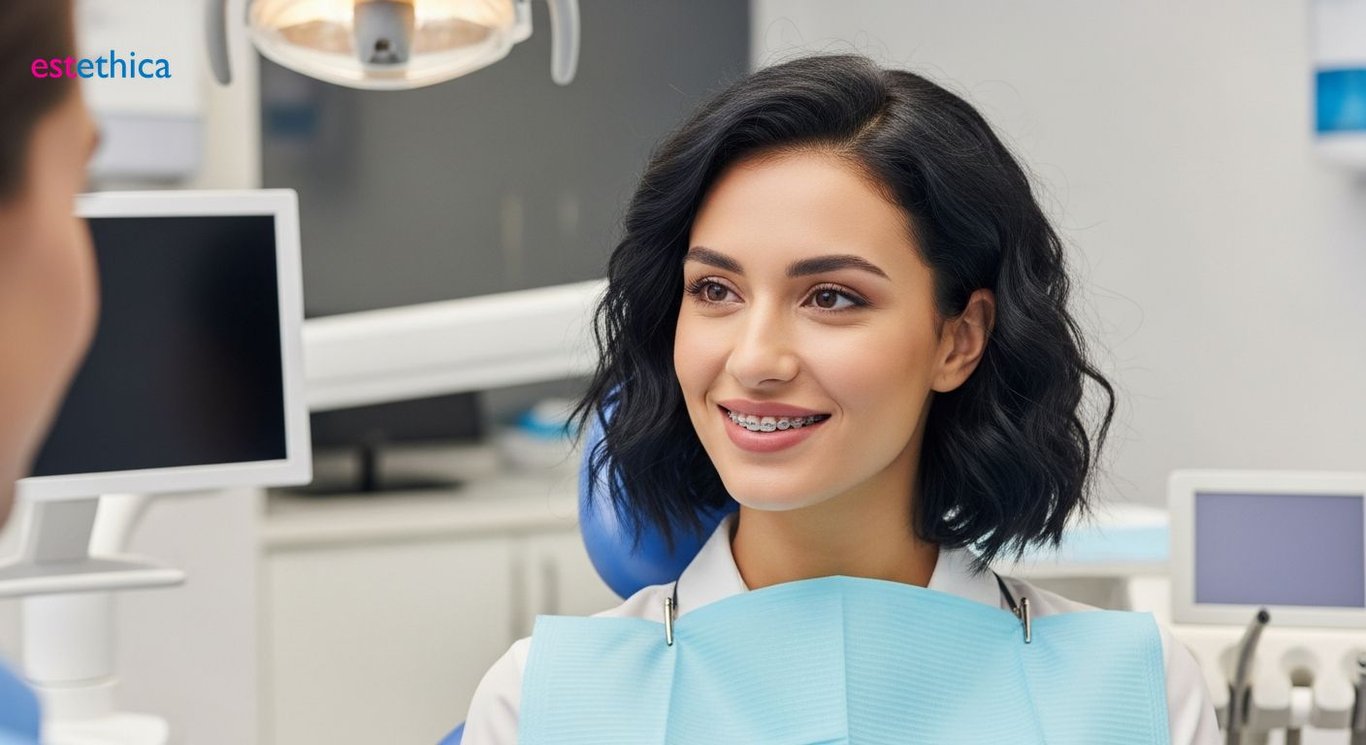
Navigating the world of orthodontic treatment can seem daunting, but understanding the various types of dental solutions available is the first step toward achieving your ideal smile. Fortunately, the field of orthodontics has evolved significantly, offering a diverse range of options to suit different aesthetic preferences, lifestyles, and clinical needs. Whether you're seeking a discreet approach or a robust, traditional method, there's likely a perfect fit for you. To help you make an informed decision, let's explore the primary categories of orthodontic appliances.
Traditional and Aesthetic Braces Options
The classic choice for many remains traditional metal braces. Constructed from high-grade stainless steel, these appliances utilize durable brackets and archwires to gently guide teeth into their correct positions. They are renowned for their effectiveness and reliability in treating a wide spectrum of orthodontic issues, from minor misalignments to complex bite problems. While highly visible, their proven track record makes them a popular and cost-effective solution. For those prioritizing discretion, ceramic braces offer a compelling alternative. These function similarly to their metal counterparts but feature tooth-colored brackets that blend seamlessly with your natural enamel, making them significantly less noticeable. This makes them an excellent option for adults and teenagers who are conscious about appearance during treatment.
Invisible and Removable Solutions
Another innovative option for those seeking to minimize the visual impact of orthodontic treatment is lingual braces. These are custom-made appliances that are attached to the back surfaces of your teeth, rendering them completely invisible from the outside. While they offer unparalleled discretion, they may require a slight adjustment period for speech and comfort. In recent years, clear aligners have surged in popularity. Systems like invisalign utilize a series of custom-fabricated, transparent trays that are virtually undetectable. Patients wear these trays sequentially, each one gradually moving teeth closer to their final position. The key advantage here is their removability, allowing for easier cleaning of teeth and the ability to eat and drink without restriction. Each of these distinct types of orthodontic devices comes with its own unique set of benefits regarding appearance, comfort, and treatment duration. For a comprehensive overview of the possibilities, you can refer to Your Guide to Braces & Teeth Straightening Options. Ultimately, consulting with an orthodontist is essential to determine which of these approaches will best address your specific orthodontic concerns and align with your lifestyle.
Invisalign vs Traditional Braces Cost Comparison
When embarking on the journey to a straighter smile, understanding the financial aspect of different orthodontic treatments is paramount. The question of Invisalign vs traditional braces cost is frequently at the forefront of many patients' minds. While traditional metal braces have historically been perceived as the more budget-friendly option, particularly for complex alignment issues, the pricing landscape has evolved significantly. The cost associated with clear aligners like Invisalign has become increasingly competitive, making it a viable choice for a wider demographic.
Factors Influencing Treatment Expenses
Several key elements contribute to the overall expense of either orthodontic approach. The duration required to achieve desired results is a primary driver; longer treatment plans naturally incur higher costs. The complexity of the dental issues being addressed also plays a crucial role. More severe misalignments or bite problems may necessitate more extensive treatment, impacting the final price regardless of the chosen method. Furthermore, geographic location can influence pricing, with practices in metropolitan areas sometimes having different fee structures than those in smaller towns. It’s also essential to remember that the cost isn't solely about the upfront payment. Consider the long-term value, including the benefits of a discreet treatment process and improved oral hygiene opportunities that clear aligners can offer. For those interested in a comprehensive overview of solutions, exploring resources like Braces & Invisalign: Top Teeth Alignment Solutions can provide valuable insights.
It is always recommended to have a detailed discussion with your orthodontist about the total estimated cost for your specific case. Many practices understand that orthodontic treatment is a significant investment and often provide flexible payment plans or financing options to make either braces or clear aligner therapy more financially accessible. Looking beyond the initial price tag to consider the overall value and the unique benefits each treatment offers is a crucial step in making an informed decision.
Retainer Costs and Types After Treatment
Once your orthodontic journey with braces or clear aligners concludes, the most crucial phase begins: retention. This stage is dedicated to preserving the alignment of your teeth and ensuring the beautiful smile you've worked hard to achieve remains stable for years to come. Understanding the various retainer options and their associated considerations is fundamental to long-term success. While the primary goal is a straight smile, neglecting post-treatment care can lead to undesirable tooth movement.
Common Retainer Designs
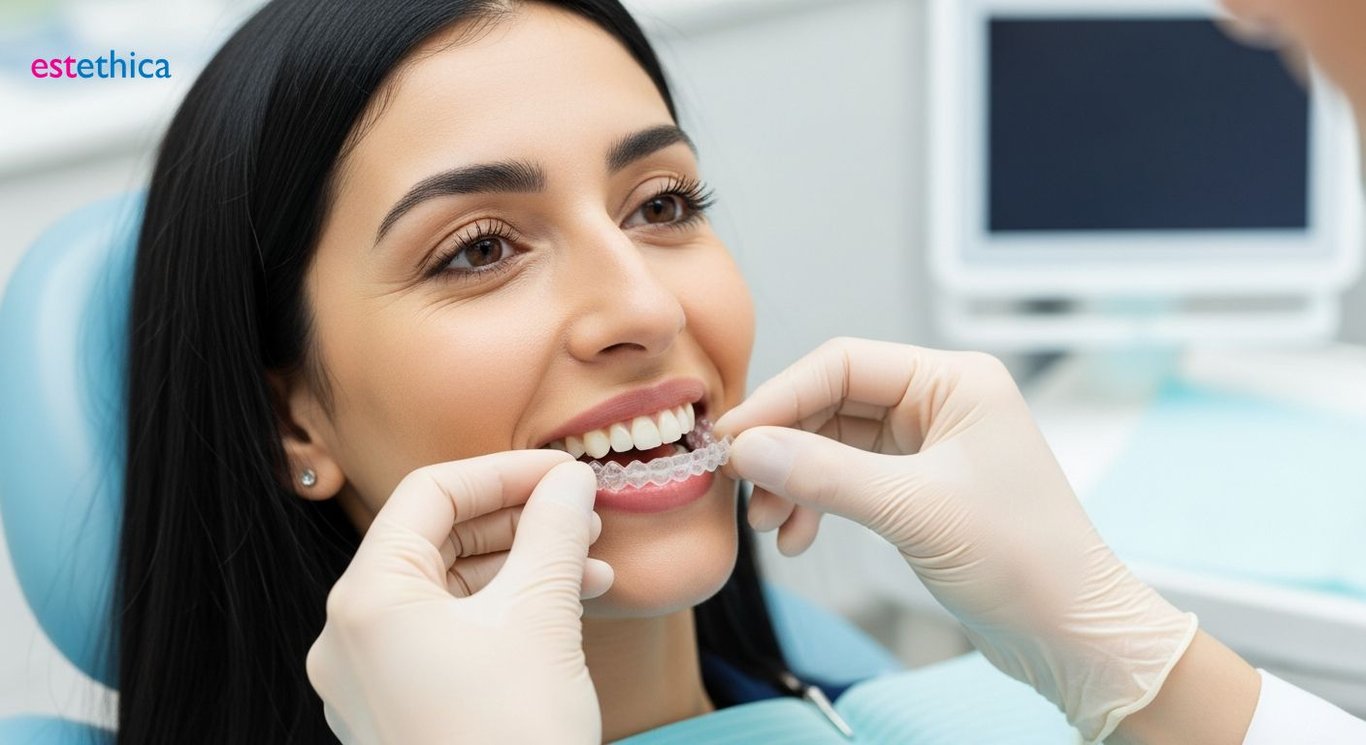
Orthodontists typically recommend one of two main categories of retainers: fixed or removable. Fixed retainers, often referred to as bonded retainers, consist of a thin wire meticulously bonded to the back surface of your front teeth. This design offers a permanent solution, ensuring teeth cannot shift, and it remains unseen by others. Removable retainers offer more flexibility. Among these, Hawley retainers are a classic choice, featuring a combination of acrylic that fits the roof of your mouth or along the gum line, along with a metal wire that holds the front teeth in place. Alternatively, clear plastic retainers, which closely mimic the appearance and feel of Braces & Clear Aligners: Your Guide to Teeth Straightening aligners, are another popular option. These are custom-made to fit snugly over your teeth.
Investment in Your Smile
The financial aspect of retainers can vary. Some orthodontic practices may include the initial set of retainers as part of the comprehensive treatment package for both traditional braces and invisalign treatments. However, in many cases, retainers are billed separately. The cost is influenced by the specific type of retainer chosen, the materials used in its construction, and the complexity of your individual case. It is highly recommended to have an open discussion with your orthodontist about retainer options and potential costs during your initial consultations or before your treatment plan is finalized. This proactive approach helps in managing expectations and budgeting for this essential part of your oral health journey. Proper wear, diligent cleaning, and regular check-ups are paramount to maintaining the results of your orthodontic correction and ensuring your investment continues to shine.
Advanced Orthodontic Solutions for Aesthetic and Modern Smiles
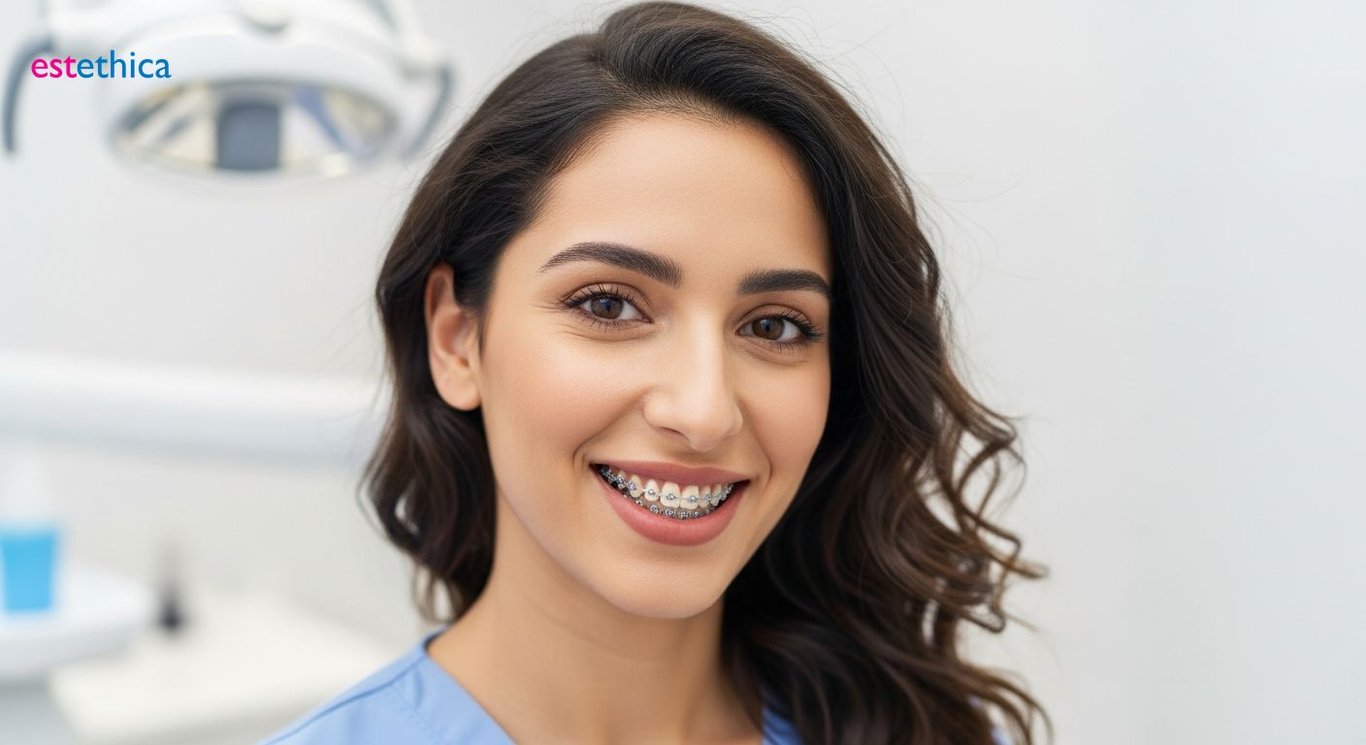
Explore the latest in esthetic and modern braces, including discreet clear aligners and virtually unnoticeable lingual braces, designed to seamlessly integrate into your daily life. These advanced treatments offer effective correction of misalignments with a focus on both function and appearance.
Our comprehensive guide details various dental braces types, from traditional metal options to innovative aesthetic braces, ensuring you find the right solution for your specific needs. We delve into the advantages of each, empowering you to make an informed decision about achieving your ideal smile.
Leveraging extensive knowledge in orthodontic advancements, we provide in-depth insights into clear aligner systems and their treatment journeys. Our expertise covers everything from initial consultation and assessment to the final stages of achieving a straighter, more confident smile.
We are dedicated to presenting the best methods for aesthetic smile design, offering clear guidance on invisible and removable solutions. This ensures patients understand the full spectrum of modern orthodontic possibilities available to them.
Seamless Orthodontic Journeys: Expertise, Options, and Ongoing Care
We emphasize the importance of a thorough consultation and assessment by an orthodontic professional as the commencement of the clear aligner journey. This ensures a personalized and effective treatment plan tailored to individual needs.
Our guide covers the nuances of choosing the right clear aligner system for adults, acknowledging the diversity of reputable providers. We aim to build trust by offering clarity on the discreet yet effective nature of these modern orthodontic solutions.
Patients seeking to minimize the visual impact of orthodontic treatment will find detailed information on invisible and removable solutions. We confirm that many systems are designed to be virtually unnoticeable, seamlessly integrating into daily routines.
Our detailed breakdown of Invisalign versus traditional braces cost comparison, alongside information on retainer costs and types, provides transparency. We always recommend a detailed discussion with an orthodontist about the total estimated cost for your specific case, reinforcing trust and informed decision-making.