

Compare braces and Invisalign, learn about teeth alignment options, understand the cost of braces, and the importance of retainers post-treatment.
Achieving a straighter smile is a common goal, and the world of orthodontic treatment offers more options than ever before. From traditional braces to the discreet appeal of clear aligners, understanding your teeth alignment options is the first step towards a confident smile. This guide delves into the latest developments, helping you navigate choices like Invisalign, explore various dental braces types, and understand the associated costs. We'll also address common concerns such as the treatment process and discomfort, ensuring you have the comprehensive information needed for your orthodontic journey.Understanding Your Teeth Alignment Options
Embarking on the journey to achieve a straighter smile involves exploring various methods designed to correct dental misalignments. Fortunately, modern orthodontics offers a range of solutions, each with its own set of benefits to cater to diverse patient needs and aesthetic preferences. While the goal is universal – a healthier, more attractive smile – the path to get there can be quite personalized.
Traditional and Aesthetic Orthodontic Approaches
For many years, traditional metal braces have been the cornerstone of orthodontic care, renowned for their durability and effectiveness in treating a wide spectrum of alignment issues. These reliable appliances work by applying consistent pressure through archwires and brackets to gently guide teeth into their optimal positions over time. For individuals seeking a less conspicuous option, ceramic braces present an excellent alternative. These function similarly to their metal counterparts but feature tooth-colored brackets, allowing them to blend more seamlessly with your natural smile, making them a popular choice for adults and teens alike who are mindful of appearance during treatment.
Beyond these conventional types, another discreet option is lingual braces. These are affixed to the back surfaces of the teeth, rendering them virtually invisible from the outside. This placement requires precision but offers a highly aesthetic solution for those who desire correction without visible hardware. Each of these methods, including the advancements seen with Braces and Invisalign: Your Teeth Alignment Options, operates on the fundamental principle of applying controlled force to gradually reposition teeth. The ultimate decision regarding which type of appliance is best suited for an individual typically hinges on factors such as the complexity of the misalignment, personal lifestyle considerations, and specific aesthetic desires. A thorough consultation with an orthodontic specialist is the essential first step to identify the most appropriate and effective treatment plan for your unique circumstances.
The Role of Clear Aligners
In recent years, the landscape of teeth straightening has been significantly shaped by the introduction of innovative solutions like clear aligners. These custom-made, virtually invisible trays are designed to gradually move teeth into alignment. Many patients opt for clear aligners for teeth straightening due to their convenience and discreet nature. Unlike fixed appliances, clear aligners are removable, allowing for easier eating, drinking, and oral hygiene practices. The process involves a series of aligners, each representing a slight adjustment from the previous one. Patients typically wear each set for about two weeks before progressing to the next, with regular check-ups to monitor progress. The effectiveness of clear aligners for teeth straightening has made them a favored choice for those seeking a less intrusive method to achieve a beautifully aligned smile. Similarly, invisalign technology has gained widespread popularity, offering a sophisticated approach to achieving desired tooth positions with remarkable subtlety. The choice between different types of clear aligners or other orthodontic interventions depends greatly on the specific dental condition and the patient's lifestyle, emphasizing the importance of professional guidance in selecting the most suitable path for orthodontic success.
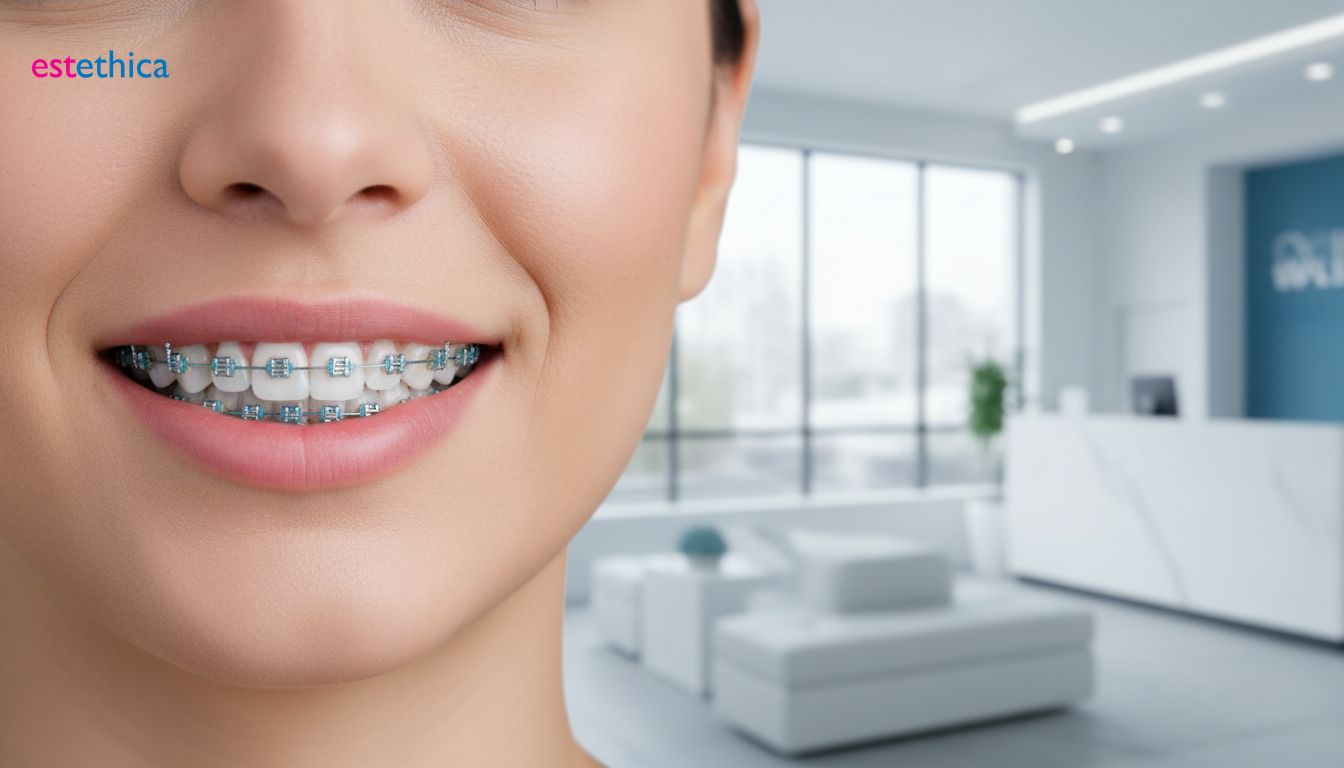
How Much Do Braces Cost? Exploring Dental Braces Types
The financial aspect is often a primary consideration for individuals embarking on the journey to a straighter smile. Understanding the cost associated with various orthodontic solutions is crucial for making an informed decision. The overall expense for dental braces types can fluctuate significantly, influenced by factors such as the materials used, the complexity of your specific dental needs, the anticipated treatment duration, and even your geographic location. Generally, traditional metal braces tend to represent the most budget-friendly option available for achieving alignment corrections.
Factors Influencing Orthodontic Expenses
When exploring the question of how much braces cost, it's important to differentiate between the various appliances. Ceramic braces, for instance, often come with a higher price tag due to their aesthetic appeal and specialized material composition. Similarly, lingual braces, which are placed on the inner surfaces of the teeth, typically incur greater costs because of the intricate customization and placement techniques required. While these options offer distinct advantages, such as greater discretion, they represent a larger financial commitment compared to their metal counterparts. For a more in-depth comparison of different alignment methods, you might find it helpful to read about Braces vs. Invisalign: Your Top Teeth Alignment Choice, which can provide further context on choices beyond traditional hardware.
Navigating Payment and Insurance
The investment in a healthier, more confident smile is significant. To manage this, many dental providers offer flexible payment plans, making the treatment more accessible. It is highly recommended to have a detailed discussion with your orthodontist regarding available financing options. Furthermore, exploring your dental insurance coverage can provide substantial relief. Many insurance plans offer partial coverage for necessary orthodontic interventions. Understanding the nuances of your policy, including deductibles and annual maximums, is key to accurately estimating your out-of-pocket expenses. This comprehensive approach to understanding costs, alongside the various types of devices available, will empower you to plan effectively for your treatment.
What Are Clear Aligners? The Invisalign Difference
In the realm of modern orthodontics, clear aligners have emerged as a revolutionary alternative to traditional methods of straightening teeth. Leading the charge in this innovative approach is the Invisalign system. But what exactly are these discreet devices, and how do they differ from conventional treatments? Essentially, clear aligners for teeth straightening are custom-made, transparent trays designed to fit precisely over your teeth. Unlike fixed braces, they offer a significant advantage: removability. This feature allows patients to easily remove the aligners for eating, drinking, and maintaining optimal oral hygiene, contributing to a more comfortable and convenient treatment experience.
The Invisalign system, a pioneer in this field, utilizes a series of these custom aligners. Each aligner in the series is meticulously crafted to be slightly different from the one before it, progressively applying gentle pressure to guide your teeth into their desired positions. This step-by-step movement ensures a controlled and efficient path towards achieving a straighter smile. The primary allure of clear aligners, particularly for adults and teenagers seeking a less conspicuous solution, lies in their near-invisibility and the enhanced flexibility they offer compared to traditional braces. This makes them an increasingly popular choice for individuals who wish to undergo orthodontic treatment without drawing undue attention to their mouths.
The Advantages of Clear Aligners
The appeal of clear aligners extends beyond their aesthetic discretion. The ability to remove them means you can continue to enjoy your favorite foods without restriction and brush and floss your teeth as you normally would, promoting better gum health throughout your treatment. For many, the comfort factor is also a significant draw, as the smooth plastic material generally causes less irritation to the cheeks and gums than the metal wires and brackets of traditional orthodontics. This streamlined approach to teeth alignment offers a blend of effectiveness and convenience, making it a compelling option for many seeking smile correction.
Clear Aligners vs. Traditional Braces
When considering orthodontic treatment, understanding the distinctions between various options is crucial. Clear aligners, with Invisalign being a prominent example, offer a distinct set of characteristics when compared to traditional metal or ceramic braces. While both aim for the same end goal—straightening teeth—the journey and the patient experience can vary significantly. A deeper dive into these differences and how they impact the overall treatment path can be found in our comprehensive guide, Braces & Invisalign: Your Path to Straighter Teeth.
The choice between clear aligners for teeth straightening and traditional methods often depends on individual lifestyle, aesthetic preferences, and the complexity of the orthodontic case. Both represent effective paths to achieving a healthier, more beautiful smile, but they offer different experiences along the way.
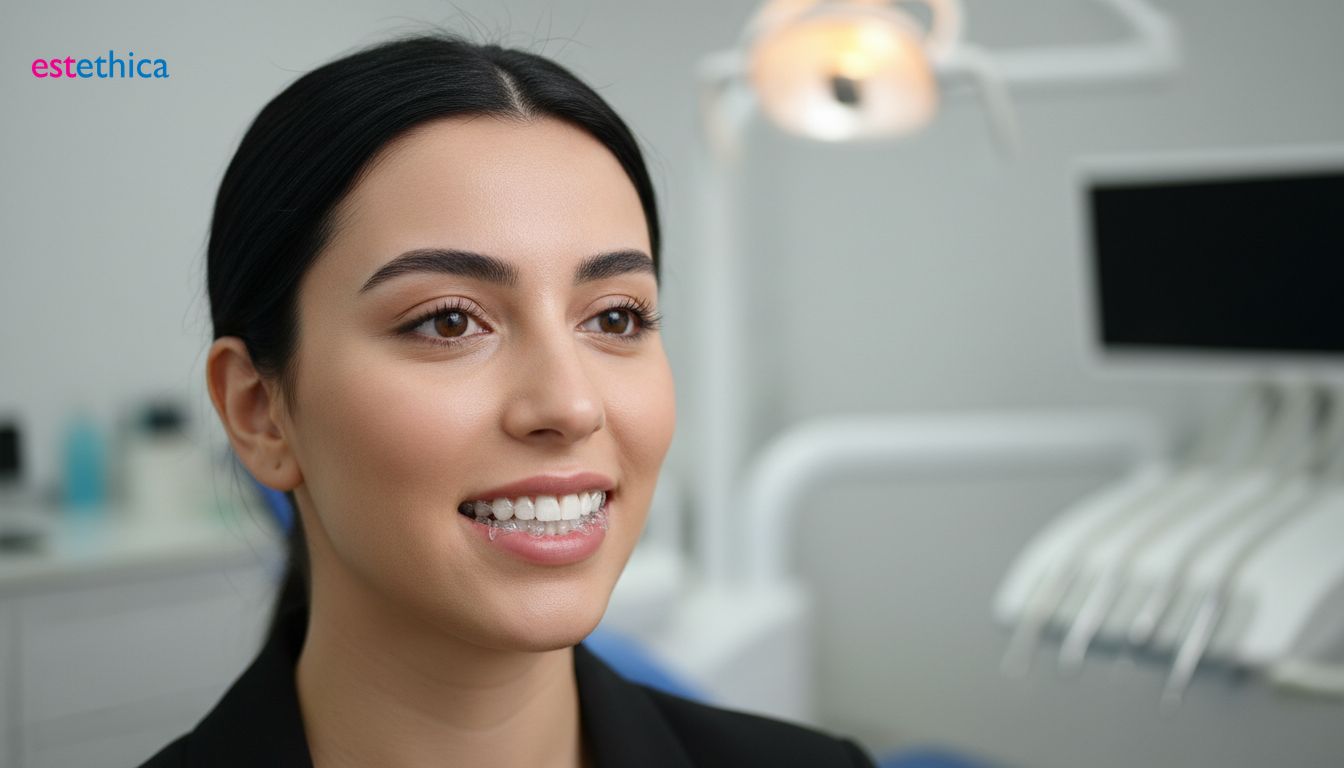
Orthodontic Treatment: Are Braces Painful? Retainer Cost After Braces
A common question that arises when considering orthodontic treatment is regarding the potential discomfort associated with dental braces. While it's true that you might experience some pressure or mild soreness, especially in the initial days after getting your braces fitted or after each adjustment appointment, this sensation is generally manageable. Modern advancements in orthodontics have significantly improved techniques, aiming to minimize any discomfort. The feeling is typically described as a dull ache or tightness, which usually subsides within a few days as your teeth begin to adapt to the gentle pressure. Over-the-counter pain relievers can often provide relief if needed.
Understanding Post-Treatment Essentials
Once your active treatment phase with braces or Invisalign is complete and your teeth have achieved their desired alignment, the journey isn't quite over. To ensure that your beautiful new smile remains stable and doesn't revert, wearing retainers is a crucial, non-negotiable step. These custom-made appliances are designed to hold your teeth in their corrected positions, preventing them from shifting back over time. It's important to budget for this ongoing care. The long-term commitment to wearing retainers, and the associated expenses, are an integral part of a successful orthodontic outcome. Discussing retainer options and their costs with your orthodontist early on can help you plan effectively for this vital stage of maintaining your results.
For those weighing different orthodontic options, understanding the nuances of each can be beneficial. While traditional Invisalign offers a discreet approach to straightening teeth, the underlying principles of orthodontic correction remain the same. If you're interested in exploring the differences between various methods, you might find this guide helpful: Braces vs. Invisalign: Your Ultimate Orthodontic Guide. Remember, regardless of the appliance used, consistent wear of retainers after treatment is key to preserving your straight smile for years to come. The commitment to retainer use underscores the importance of a comprehensive approach to achieving and maintaining optimal dental alignment.

Innovative Clear Aligners and Orthodontic Treatment Options for Straighter Smiles
This guide provides comprehensive information on orthodontic treatments and brace options, focusing on both traditional braces and the advanced Invisalign clear aligner system. We explore the detailed process of straightening teeth, offering insights into the latest orthodontic advancements for achieving your desired smile.
Our expertise covers a spectrum of teeth alignment solutions, from understanding the nuances of different dental braces types to the specific benefits of clear aligners for discreet treatment. We aim to educate individuals on their choices, ensuring informed decisions about orthodontic care.
As specialists in orthodontic treatment, we are dedicated to providing patients with detailed insights into correcting dental misalignments. Our approach integrates cutting-edge technology with personalized care to address a wide range of alignment issues effectively.
We pride ourselves on offering clear explanations of complex orthodontic procedures, empowering patients with the knowledge to navigate their treatment journey with confidence. Our commitment is to deliver excellent patient outcomes through expert guidance.
Navigating Your Orthodontic Journey: Painless Treatment and Post-Care Essentials
We address common concerns regarding orthodontic treatment, such as the potential discomfort associated with braces, and provide clear expectations for the treatment process. Our aim is to ensure a comfortable and transparent experience for all patients seeking alignment correction.
Understanding the importance of post-treatment care, we also discuss the necessity and cost of retainers after braces, emphasizing their role in maintaining the results of orthodontic treatment. This ensures long-term satisfaction with your straighter smile.
Patients seeking to correct dental misalignments can explore a variety of methods designed for optimal results. Our content highlights how to effectively navigate choices between different braces and clear aligner systems, such as Invisalign, for a personalized approach.
We provide a detailed breakdown of how much braces cost, exploring various dental braces types and the financial considerations involved. This transparency builds trust by equipping individuals with the necessary information to plan their orthodontic investment confidently.