


Unlock the potential of your ears with our comprehensive otoplasty guide. Discover transformative ear surgery insights today!
Otoplasty, commonly known as ear surgery, is a transformative procedure that reshapes and repositions the ears for enhanced aesthetics and self-confidence. Whether addressing prominent ears or correcting asymmetries, otoplasty offers solutions that blend cosmetic finesse with real-life results.
Otoplasty Unveiled: Reshaping Ears, Redefining Confidence
The Psychological Impact of Corrective Ear Surgery
Otoplasty, beyond its cosmetic benefits, profoundly impacts psychological well-being. Addressing ear deformities can resolve long-standing self-consciousness issues, leading to significant improvements in self-esteem and social comfort. Individuals, particularly adolescents, benefit from this increased confidence, as it aligns their self-perception with their desired appearance. Otoplasty often is performed to reshape confidence and appearance, especially for teen otoplasty. The positive effects extend to daily interactions, academic performance, and personal relationships, illustrating the comprehensive benefits of cosmetic ear surgery.
Surgical techniques and advanced methods like pinnaplasty aim to provide patients with balanced and aesthetically pleasing features. According to the American Society of Plastic Surgeons, satisfaction rates among otoplasty patients are notably high, with many reporting enhanced emotional well-being following their procedures. Corrective ear surgery, including ear pinning, thus serves as both a physical and emotional transformation, paving the way for a more confident and fulfilling life.
Innovative Approaches in Otoplasty
Modern otoplasty techniques offer a multifaceted approach to ear reshaping, catering to diverse patient needs. These methods range from minimally invasive procedures to comprehensive surgical reconstructions. The goal is always to enhance facial harmony and achieve natural-looking results. One such technique involves the use of sutures to reshape the ear cartilage, providing a less invasive option for those seeking subtle alterations. For more significant corrections, surgical approaches that involve cartilage manipulation and repositioning may be necessary. These innovative methods ensure personalized outcomes that align with each patient's unique anatomy and aesthetic goals.
- Suture Techniques: Uses permanent stitches to reshape the ear cartilage, ideal for less severe cases of protruding ears.
- Cartilage Reshaping: Involves making incisions to reshape and reposition the cartilage, providing more dramatic and lasting results.
- Minimally Invasive Options: Incorporates smaller incisions and advanced tools to reduce recovery time and minimize scarring.
These advancements in cosmetic ear surgery emphasize precision, minimal invasiveness, and patient-specific customization, ensuring optimal outcomes and improved patient satisfaction. Techniques like ear reduction may be considered to ensure facial symmetry. The development of new surgical technologies has also allowed for more predictable and refined results, making otoplasty an increasingly appealing option for those seeking ear correction.
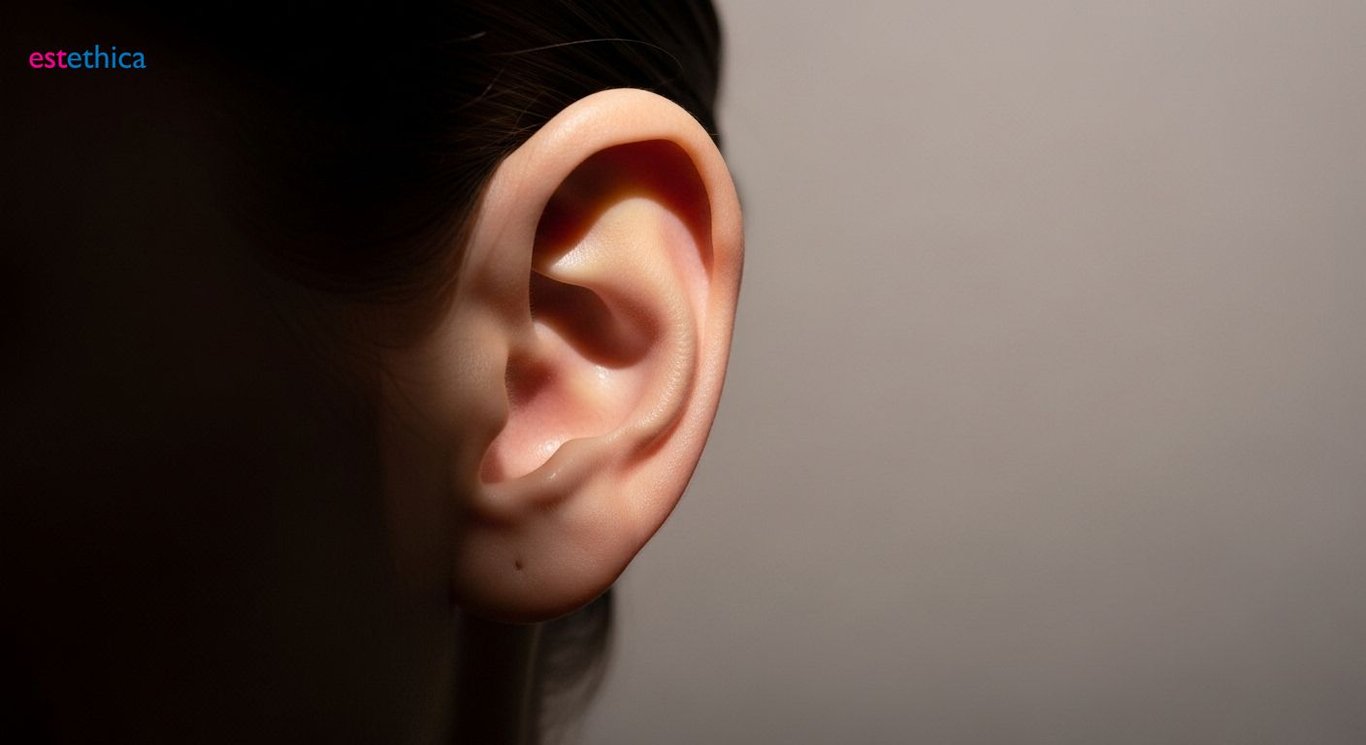
Ear Pinning & Beyond: Candidacy and Procedure Insights
Ideal Candidates for Ear Pinning
Ear pinning, a type of otoplasty, is most effective for individuals with protruding ears who are in good general health. Children should be at least five years old to undergo this procedure, as their ear cartilage is sufficiently developed by this age. For adults considering ear pinning surgery for adults, there is no upper age limit, making it a viable option at any stage of life. Ideal candidates often express concerns about the appearance of their ears affecting their self-image.
- Children (5+): Benefit from early correction to avoid potential teasing and social discomfort during formative years.
- Teenagers: Seek otoplasty to align their appearance with their peers, enhancing social interactions.
- Adults: Desire cosmetic ear surgery, including ear pinning, to improve self-esteem and overall facial harmony.
Additionally, individuals seeking non surgical ear reshaping options who have realistic expectations about the outcomes and a clear understanding of what the surgery can achieve are also considered good candidates. A consultation with a qualified surgeon is critical to assess individual suitability and discuss potential results. Those exploring teen otoplasty may find it especially beneficial to improving confidence during adolescence.
Understanding the Ear Pinning Procedure
The ear pinning procedure typically involves making a small incision behind the ear to reshape the cartilage and reduce the prominence of the ears. The surgeon then uses sutures to hold the ear in a more natural position closer to the head. The procedure generally takes one to two hours and can be performed under local or general anesthesia, depending on the patient's age and preference. Post-surgery, patients can expect some swelling and bruising, but these effects usually subside within a few weeks. Understanding the recovery after ear surgery is important.
- Incision and Reshaping: A small incision is made behind the ear for accessing and reshaping the cartilage to reduce protrusion.
- Suturing: Permanent sutures are strategically placed to hold the ear in its new, corrected position.
- Closure and Recovery: The incision is closed, and a dressing is applied to support the ears during the initial healing phase.
Following the surgery, a bandage is worn to protect the ears and maintain their new shape. Pain medication can help manage any discomfort during the initial recovery period. The results of ear pinning surgery are generally long-lasting, providing a significant improvement in the patient’s appearance and self-confidence. Regular follow-up appointments with the surgeon are essential to ensure proper healing and address any concerns. Best age for otoplasty will vary depending on the patient.
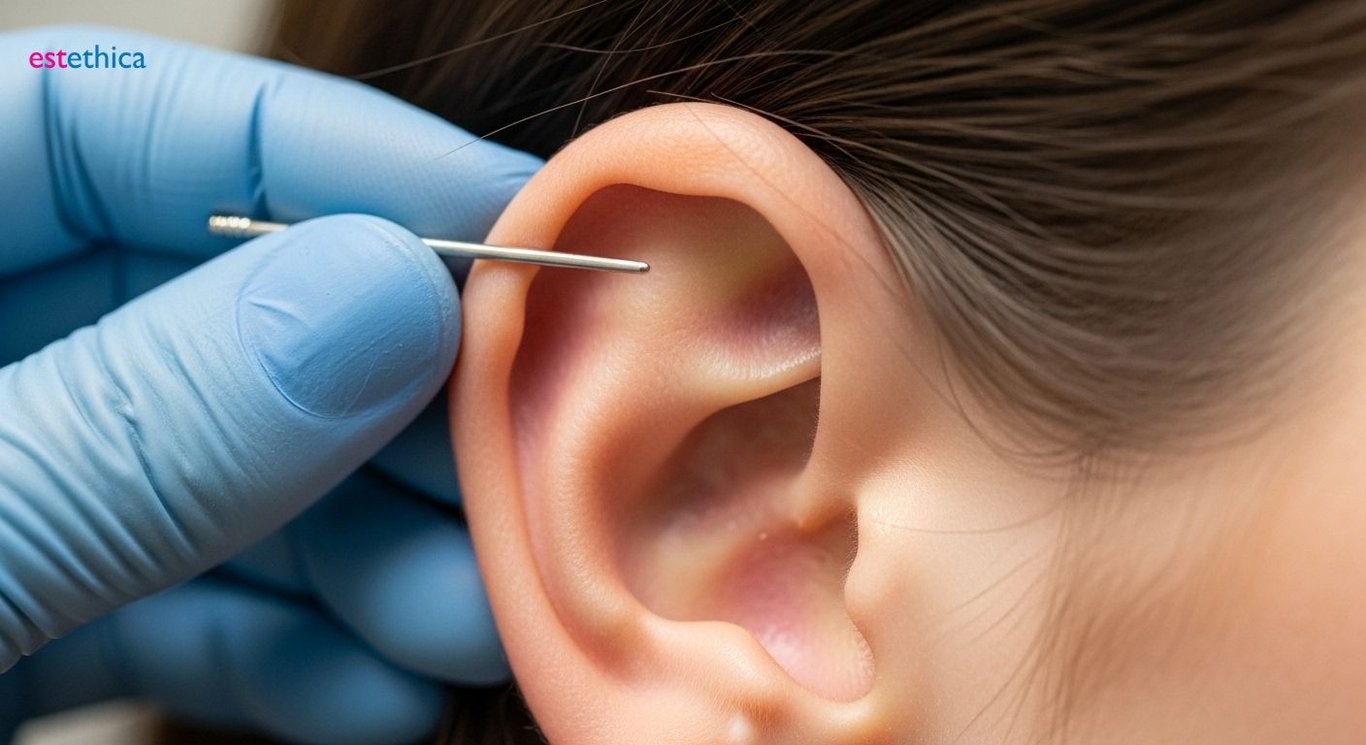
Cosmetic Ear Surgery: Recovery Realities and Aftercare Tips
Navigating the Initial Healing Phase
The initial recovery phase following cosmetic ear surgery is critical for achieving the best possible results. Immediately after the surgery, patients will typically experience some swelling, bruising, and discomfort. Pain medication prescribed by the surgeon can help manage discomfort during this period. It is important to keep the head elevated and avoid any activities that could put pressure on the ears. A bandage or dressing is usually applied to provide support and protect the ears as they heal. Follow-up appointments are essential to monitor progress and ensure there are no complications.
During the first week, it’s crucial to avoid touching or scratching the ears. Keeping the incision sites clean and dry helps prevent infection. Patients should also avoid strenuous activities, such as heavy lifting or vigorous exercise, which could strain the surgical area. Adequate rest and hydration are vital for promoting healing. Attending all scheduled follow-up appointments allows the surgeon to assess healing and provide further guidance. Proper care during this phase sets the foundation for a successful recovery and optimal cosmetic outcomes, potentially encouraging others to consider teen otoplasty or ear pinning. Recovery after ear surgery requires diligence.
Essential Aftercare Practices for Long-Term Success
Long-term success following cosmetic ear surgery depends significantly on diligent aftercare practices. Protecting the ears from trauma is crucial during the healing process. Patients should avoid contact sports and other activities that could result in impact to the ears. The use of a protective headband may be recommended during sleep to prevent accidental folding or pressure on the ears. Regular cleaning of the incision sites, as instructed by the surgeon, is important to prevent infection and promote proper healing.
- Gentle Cleaning: Regularly clean incision sites with mild soap and water to prevent infection and promote healing.
- Protective Measures: Wear a protective headband during activities or sleep to avoid trauma.
- Sun Protection: Apply sunscreen to the ears to prevent discoloration and protect the skin.
Maintaining good overall health through a balanced diet and regular exercise supports the body’s natural healing processes. If any signs of infection develop, such as increased redness, swelling, or discharge, it’s important to contact the surgeon immediately. By adhering to these aftercare practices, patients can ensure their ears heal properly, maintaining the aesthetic improvements achieved through cosmetic ear surgery for years to come. Cosmetic ear surgery ensures lasting satisfaction through proper care. Understanding best age for otoplasty, the patient can make lifestyle accommodations.

Teen Otoplasty: Navigating Ear Correction for Young Adults
Benefits of Otoplasty for Teenagers
Otoplasty, or cosmetic ear surgery, presents numerous benefits for teenagers struggling with ear irregularities. The procedure, often performed during early adolescence, addresses prominent or misshapen ears that can significantly impact a teen's self-esteem. Correcting these irregularities allows teenagers to navigate social interactions with greater confidence. Furthermore, aligning their physical appearance with their self-perception reduces the likelihood of bullying and negative self-image issues. Addressing psychological hurdles helps foster a more positive outlook during these crucial developmental years. Ear reshaping can boost self-confidence and improve social interactions.
The positive impacts of teen otoplasty extend beyond the purely cosmetic. For example, teenagers who undergo otoplasty frequently report increased participation in activities they previously avoided due to self-consciousness, such as swimming or wearing certain hairstyles. Also, a survey of teenagers who underwent otoplasty revealed that 85% felt more comfortable in social situations post-surgery. Finally, many teens find that improved self-esteem enhances their academic performance and overall quality of life. Teen otoplasty delivers both aesthetic and emotional enhancements by addressing ear-related concerns.
What to Consider Before Otoplasty for Teens
Before pursuing otoplasty for teenagers, several important factors must be carefully considered. The teenager should express a genuine desire for the surgery, not simply acquiescing to parental pressure. A thorough consultation with a qualified and experienced surgeon is essential to evaluate the teen's specific needs, discuss realistic expectations, and review potential risks and complications. Also, consider the timing of the surgery to minimize disruption to the teen's academic and extracurricular activities.
- Emotional Maturity: Ensure the teenager is emotionally prepared for the surgery and has realistic expectations.
- Surgical Expertise: Select a board-certified surgeon experienced in performing otoplasty on teenagers.
- Recovery Planning: Plan for adequate recovery time and support to ensure a smooth and comfortable healing process.
Parents should actively participate in the decision-making process, providing support and guidance to their teenager. For example, it is important to openly discuss the financial investment, potential scarring, and the recovery period. Also, ensure the teenager understands the importance of following post-operative instructions for optimal healing. Finally, a comprehensive pre-operative assessment followed by realistic expectations can significantly enhance satisfaction with the outcome of teen otoplasty. Teen otoplasty helps enhance emotional well-being by setting realistic goals before surgery.
Understanding Otoplasty: A Comprehensive Guide
Advanced Otoplasty Techniques: Achieving Natural-Looking Ear Reshaping
Patient-Centric Approach: Ensuring Excellence in Otoplasty Care and Recovery
Frequently Asked Questions
What is otoplasty, and who is a good candidate for ear surgery?
What are the steps involved in an ear pinning procedure?
What does the recovery after ear surgery typically involve?
What are the benefits of teen otoplasty, and what should be considered beforehand?
Achieve your aesthetic goals with estethica's expert consultation for personalized solutions.
📞 Book Your Free Consultation!