


Transform your confidence and facial harmony with expert otoplasty today.
Discover how otoplasty can boost self-esteem by reshaping ears and enhancing facial appearance. Otoplasty, commonly referred to as ear pinning, is a transformative cosmetic procedure that goes beyond mere aesthetics to instill confidence and comfort in one's own skin. This comprehensive guide explores otoplasty options, recovery insights, and surgeon recommendations to ensure a positive surgical journey.
Understanding Otoplasty: More Than Just 'Ear Pinning'
Beyond the Basics of Ear Reshaping
Otoplasty, frequently known as 'ear pinning,' offers much more than just reducing the protrusion of ears. It is a comprehensive surgical approach aimed at harmonizing the ears with overall facial aesthetics. Many individuals are unaware that otoplasty can correct a broad spectrum of ear deformities, including cupped ear, lop ear, and shell ear. This surgery enhances self-esteem by addressing concerns related to ear size and shape which can impact social interactions and confidence. This nuanced procedure can involve reshaping cartilage, reducing the size of large ears, or creating symmetry between both ears.
- Corrective Scope: Otoplasty addresses congenital disabilities and injuries, restoring natural ear contours for enhanced appearance.
- Aesthetic Improvement: Beyond pinning, it refines shape and size helping to achieve balanced facial symmetry.
- Psychological Benefits: Improved ear appearance boosts self-confidence, positively impacting social interactions and self-esteem.
Customizing Otoplasty for Individual Needs
Effective otoplasty requires a personalized approach, taking into account the patient's unique ear structure and aesthetic desires. Surgeons carefully assess ear prominence, cartilage quality, and skin elasticity. Customized surgical plans consider factors like age, ear size, and the presence of any existing deformities. For patients with significant ear asymmetry, the procedure may involve different techniques on each ear to achieve optimal balance. Tailored care ensures the results align with individual facial features. Individualized consultations allow patients to discuss their concerns and understand the potential outcomes. For example, someone with macrotia (abnormally large ears) might need ear reduction surgery, while another person might only need ear pinning to correct protruding ears.
- Initial Consultation: Comprehensive assessment of ear structure addressing patient’s aesthetic desires and suitability for surgery.
- Surgical Planning: A custom plan addressing the patient's unique needs, potentially including cartilage reshaping or ear reduction.
- Post-operative Care: Tailored recovery plans to ensure optimal healing, minimize scarring, and achieve desired results.
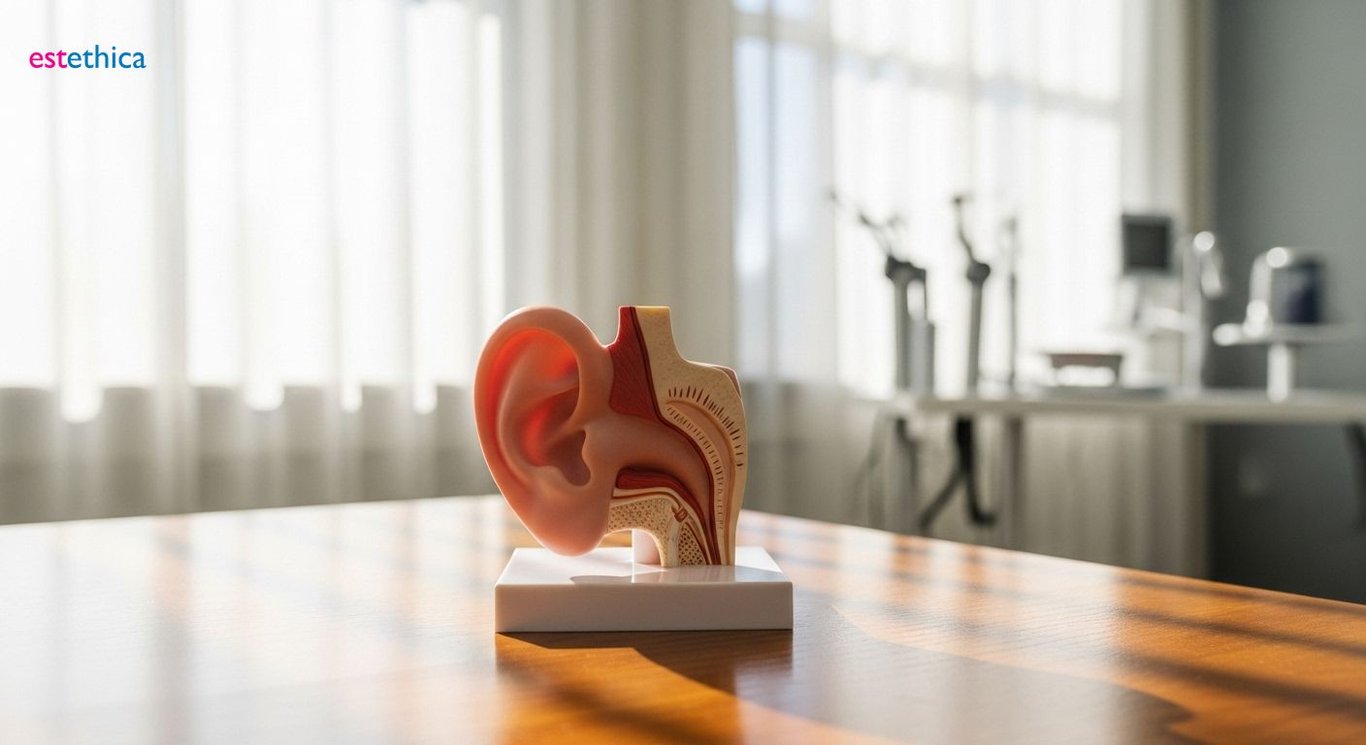
Ear Reshaping Surgery for Adults: Is It Right For You?
Evaluating Your Candidacy for Otoplasty
For adults considering cosmetic ear surgery, it's important to consider whether the procedure aligns with your personal expectations and aesthetic goals. Ideal candidates are individuals who are not satisfied with the size, shape, or position of their ears, and who understand the surgical process and its potential outcomes. A consultation with a skilled surgeon at estethica is crucial to assess ear structure and determine the most appropriate surgical approach. Patients should also have realistic expectations regarding the results, understanding that while otoplasty can significantly improve ear appearance, achieving perfect symmetry is not always possible. Commitment to following pre- and post-operative care instructions is essential for optimal healing and satisfaction with the results.
- Aesthetic Goals: Align personal expectations with potential surgical outcomes for enhanced satisfaction.
- Realistic Expectations: Understand that while improvement is significant, perfect symmetry may not be achievable.
- Commitment to Care: Dedication to pre- and post-operative guidelines ensures optimal healing and results.
The Otoplasty Consultation Process at estethica
The initial consultation for ear surgery at estethica involves a thorough assessment of your overall health and a detailed examination of your ear structure. During this meeting, the surgeon will discuss your aesthetic goals and explain the various techniques available to achieve the desired look. They will also review your medical history to ensure you are a suitable candidate for the procedure. The surgeon provides a clear and detailed surgical plan, explaining what the surgery entails, what to expect during recovery, and potential risks. Patients will receive pre-operative instructions, including advice on medications to avoid and guidelines for preparing for the surgery.
- Comprehensive Assessment: Evaluation of overall health and detailed examination of ear structure for suitability.
- Detailed Surgical Plan: Clear explanation of techniques, recovery expectations, and potential risks involved.
- Pre-operative Instructions: Guidance on medications and preparations to ensure optimal conditions before surgery.
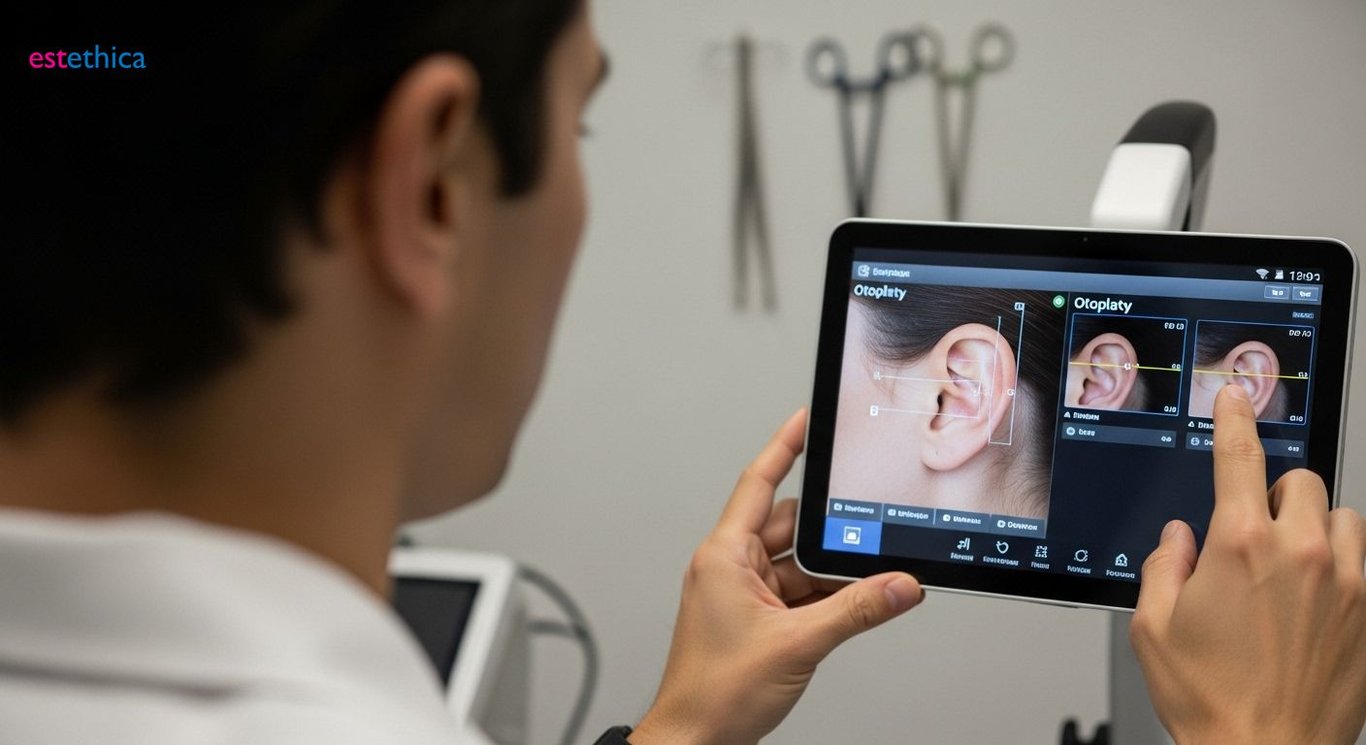
Cosmetic Ear Surgery: Exploring Options Beyond Traditional Otoplasty
Exploring Non-Surgical Ear Reshaping Options
Beyond traditional otoplasty, various alternative methods exist for correcting ear deformities, particularly beneficial for younger children whose cartilage is more pliable. Non-surgical ear molding is a prime example. This technique uses specialized molding frameworks applied to the ear shortly after birth to reshape the cartilage without surgery. These devices gently guide the ear into the desired form, effectively correcting issues like Stahl's ear or constricted ears. Such early interventions can prevent the need for future surgical corrections. Parents should consult with an estethica surgeon experienced in pediatric ear reshaping to determine the best course of action for their child. In instances where non-surgical methods are less effective due to the age of the patient or the severity of the deformity, surgical options remain available that minimize invasiveness and maximize cosmetic outcomes. These approaches focus on subtly altering the ear's appearance while preserving its natural function.
- Early Intervention: Non-surgical molding is most effective when applied shortly after birth.
- Effective Correction: Corrects deformities like Stahl's ear and constricted ears.
- Surgical Alternatives: Surgical options are available that minimize invasiveness and maximize cosmetic outcomes.
Ideal Candidates for Minimally Invasive Ear Correction
Identifying suitable candidates for less invasive ear surgery involves evaluating factors such as age, the type of ear deformity, and overall health. Young children, especially newborns up to six months old, often benefit substantially from non-surgical molding because their ear cartilage is highly malleable. For older children and adults, minimally invasive surgical techniques may be more appropriate. Candidates should have specific aesthetic goals, such as correcting protruding ears or reshaping the earlobe. A comprehensive evaluation at estethica helps determine the most appropriate treatment plan, balancing effectiveness with the least invasive approach. Those who prefer quicker recovery times and minimal scarring may find these options particularly appealing. Proper pre-operative assessment and realistic expectations are critical for ensuring patient satisfaction.
- Detailed Assessment: A comprehensive evaluation at estethica helps determine the most appropriate treatment plan.
- Realistic Expectations: Proper assessment and realistic expectations ensure patient satisfaction.
- Age Consideration: Effective surgery balances results, recovery, and minimal scarring.

Otoplasty Journey: From Consultation to Stunning Before & After Photos
Navigating the Otoplasty Process: A Step-by-Step Guide
Embarking on an otoplasty journey at estethica starts with a detailed consultation, where your goals are clearly defined and the surgeon provides comprehensive insights. Communication is key during this phase to align expectations with achievable results. The pre-surgery planning involves detailed discussions about the surgical technique that will be employed, as well as a thorough understanding of the postoperative care. This includes instructions on wound care, medication, and activity restrictions. Patients can anticipate visible improvements from the ‘before and after' results, reflecting our surgeon's skill in utilizing cutting-edge techniques to enhance the ear's aesthetics. Our surgeons focus on creating natural-looking results that harmonize with your overall facial appearance. For example, if a patient has asymmetrical ears, they will focus on making them symmetrical.
- Initial Consultation: Establishes clear goals, discusses feasible results, and aligns patient expectations with surgical outcomes.
- Pre-Surgery Planning: Provides detailed explanations of surgical techniques, ensuring patients understand the process, postoperative care, and potential results.
- Achieving Aesthetics: Surgeons employ cutting-edge methods to achieve desired ear aesthetics, focusing on natural-looking results.
Witnessing Transformation: The Impact of Otoplasty
The transformative power of otoplasty is evident in the dramatic improvements seen in 'before and after' photos of estethica’s patients. This surgery corrects protruding ears by reshaping the cartilage and setting the ears closer to the head. The result is a more balanced and harmonious facial appearance, which can lead to a significant boost in self-esteem and confidence. Our skilled surgeons leverage advanced methods, ensuring each patient achieves the best possible aesthetic outcome tailored to their unique needs. The focus extends beyond mere correction to create results that are both natural-looking and complementary to the individual’s overall facial aesthetics. This might involve correcting deformities in the upper, middle, or lower parts of the ear to achieve a balanced look.
- Cartilage Reshaping: Advanced surgical techniques are used to reshape cartilage, creating a natural ear contour.
- Proximity Adjustment: The ears are set closer to the head for balanced facial aesthetics.
- Enhanced Self-Esteem: Improved ear appearance leads to increased self-confidence and better social interactions.
Understanding Otoplasty: A Comprehensive Guide
Customized Otoplasty with Cartilage Reshaping for Enhanced Facial Harmony
Detailed Otoplasty Journey Ensures Postoperative Success and Desired Aesthetic Outcomes
Frequently Asked Questions
What is otoplasty and what does it correct?
Who is an ideal candidate for ear reshaping surgery for adults?
What are the non-surgical options for correcting ear deformities?
What can I expect during the otoplasty journey, from consultation to recovery?
How does otoplasty enhance facial appearance and self-esteem?
Achieve your aesthetic goals with estethica's expert team and advanced techniques.
📞 Call Now for a Free Consultation!