

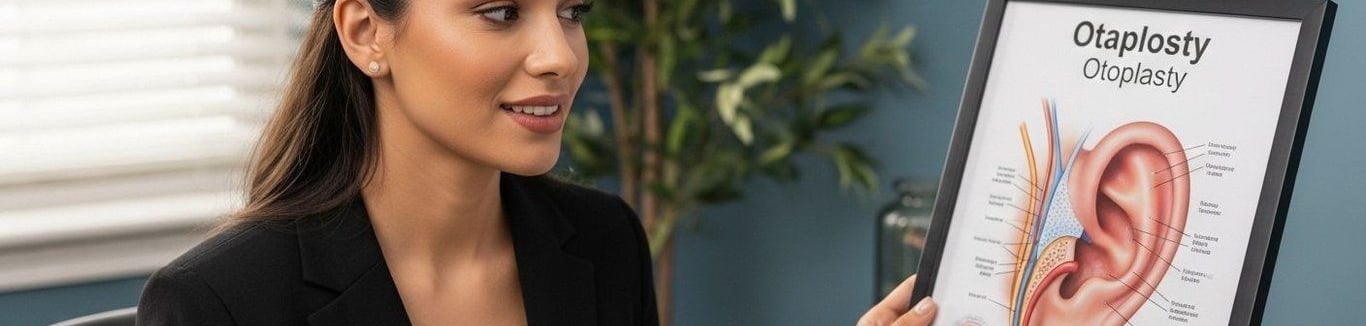
This guide provides comprehensive information on otoplasty, covering what ear surgery entails, how prominent ears are corrected, the visual results of otoplasty surgery before and after, and the financial considerations of ear pinning surgery.
Are you considering otoplasty to address prominent ears? This comprehensive guide explores everything you need to know about ear surgery, from the initial consultation to the remarkable otoplasty surgery before and after results. We'll delve into the procedure itself, discuss how to fix prominent ears effectively, and provide insights into the cost of ear pinning surgery. Whether you're curious about what is otoplasty or seeking to understand the risks of ear surgery, this resource is designed to provide clear, actionable information for those looking into ear reshaping.Understanding Otoplasty: What is Ear Surgery?
Otoplasty, often colloquially known as ear surgery, is a specialized cosmetic procedure dedicated to enhancing the appearance of the ears. This surgical intervention is primarily sought by individuals who feel their ears are disproportionately large or protrude noticeably from the sides of their head. The fundamental aim of otoplasty is to achieve a more balanced and aesthetically pleasing facial profile. By carefully reshaping or repositioning the ears, the procedure can significantly boost an individual's self-esteem and confidence. It offers a lasting solution for those who have long been self-conscious about their ear's appearance, striving for harmony between the ears and the rest of the facial features.
Who is a Candidate for Ear Surgery?
The ideal candidate for ear surgery typically experiences significant self-consciousness regarding the size, shape, or prominence of their ears. This can include individuals with ears that appear too large for their head, ears that stick out excessively, or ears that have an irregular shape due to genetic factors, injury, or even previous surgical interventions. For younger patients, surgeons generally advise waiting until the ears have reached their full developmental size, usually around the age of five or six, though adult procedures are extremely common and successful. A critical prerequisite for any candidate is good overall health, coupled with realistic expectations about the potential outcomes of the procedure. A comprehensive discussion during the initial consultation is vital to assess suitability and understand each patient's unique motivations and physical characteristics before embarking on any form of otoplasty.
The Consultation and Preparation Process
Embarking on the journey towards aesthetically pleasing ears begins with a detailed consultation with a board-certified plastic surgeon. During this crucial appointment, the surgeon will meticulously examine your ears, listen intently to your concerns, and discuss the various surgical techniques available. They will clearly outline the expected results, potential risks associated with the procedure, and address any questions you might have. This is also an excellent opportunity to review otoplasty surgery before and after images of previous patients, providing a tangible visualization of potential outcomes. A thorough medical history will be gathered to confirm your eligibility for the operation. Following this, you'll receive specific pre-operative instructions, which may include discontinuing certain medications like aspirin or anti-inflammatory drugs that can increase bleeding risks. It's also often recommended to cease smoking for a period before and after surgery, as nicotine can impede the healing process. Planning for post-operative care is equally important; arranging for someone to drive you home and assist with daily tasks for the initial days is essential for a smooth recovery. For those seeking further insights into the broader aspects of ear aesthetics, exploring resources such as Otoplasty: Your Guide to Ear Surgery & Ear Pinning can provide complementary information. Reviewing otoplasty surgery before and after photos shared by your surgeon during the consultation can offer valuable perspective on what to expect.

Fixing Prominent Ears: The Otoplasty Procedure
Prominent ears, often colloquially referred to as 'sticking out' ears, are a common aesthetic concern that can be effectively addressed through a surgical procedure known as otoplasty. The primary goal of these ear correction techniques is to sculpt the ears into a more natural-looking contour and position, bringing them closer to the head without creating an unnatural or flattened appearance. This procedure is deeply personalized, with the surgeon meticulously evaluating each individual's unique ear anatomy and desired aesthetic outcomes to determine the most suitable surgical approach. For those considering this transformative journey, understanding the nuances of the procedure is key. You can learn more about the overall benefits and the process in our introductory piece, Unveiling Otoplasty: Sculpting Perfect Ears for Enhanced Harmony.
Understanding the Surgical Techniques
During otoplasty, a variety of sophisticated techniques can be employed to achieve the desired results. A frequently utilized method involves creating a subtle incision discreetly positioned behind the ear. This grants the surgeon access to the underlying cartilage, which is then artfully reshaped using specialized sutures to gently fold the ear back towards the head. In some cases, the surgeon might opt to carefully remove a small amount of excess cartilage or score the existing cartilage to encourage a more natural fold. The precise strategy for how to fix prominent ears is never one-size-fits-all; it's a bespoke plan tailored to each patient’s specific needs. The surgeon's extensive experience and skill are paramount in devising the most effective strategy for successful ear reshaping, ensuring both aesthetic symmetry and the ear's functional integrity.
The Otoplasty Process and Recovery
The otoplasty procedure itself is typically performed under local anesthesia combined with sedation for adult patients. For younger individuals, general anesthesia is often preferred. The duration of the surgery generally ranges from one to three hours, contingent on the complexity of the correction required. Incisions are made with great care, often behind the ear, to ensure that any resulting scarring is virtually imperceptible. Once the cartilage has been expertly reshaped, the incisions are meticulously closed using dissolvable sutures. This detailed approach to ear surgery promotes optimal results and a smoother recovery. Post-operatively, a soft bandage or a supportive headband is applied to protect the newly positioned ears. While some temporary discomfort, swelling, and bruising are to be expected, these are typically well-managed with prescribed pain medication. Most patients can resume their normal, non-strenuous daily activities within seven to ten days. However, it is crucial to avoid contact sports and rigorous exercise for several weeks to allow the ears to heal properly. Diligently following your surgeon’s post-operative instructions is essential for achieving the best otoplasty surgery before and after outcomes and ensuring the long-term success of the procedure. Understanding the expected otoplasty surgery before and after results will help set realistic expectations for your recovery.
Otoplasty Surgery: Before and After Results
The transformative power of otoplasty surgery before and after results can be profound, offering a significant boost in self-esteem and confidence. Patients often report feeling more comfortable with their appearance, no longer feeling the need to hide their ears with hairstyles or accessories. The visible changes in ear position and shape are immediate, though the final outcome becomes clearer as swelling subsides over several weeks. This visual evidence is a key part of understanding the potential of ear correction. For a deeper dive into the procedure, consider reading our comprehensive guide, Otoplasty: Expert Guide to Cosmetic Ear Surgery & Reshaping, which complements the visual journey of otoplasty surgery before and after.
Assessing the Changes and Long-Term Satisfaction
When evaluating the outcomes of this procedure, it’s important to note the natural appearance achieved. The aim is not to make the ears look 'operated on' but rather to harmonize them with the rest of the facial features. Surgeons strive to create symmetry and a pleasing profile. The degree of change can vary based on the initial ear structure and the surgical techniques employed. Examining detailed before and after photos provided by your surgeon can offer realistic expectations about what ear correction can achieve for you.
The satisfaction rates for otoplasty are generally very high. Once the recovery period is complete and the final results are visible, most patients are extremely pleased with their decision for ear reshaping. The correction is permanent, providing a lasting solution to concerns about prominent ears. This enduring positive impact on self-perception underscores the value of successful ear surgery. The emotional benefits of achieving desired aesthetic outcomes are often as significant as the physical transformation itself.
Addressing Potential Complications
While otoplasty is considered a safe procedure, like any surgery, it carries some risks. Potential complications include infection, bleeding, adverse reactions to anesthesia, scarring, asymmetry, and unsatisfactory aesthetic results. Discussing these potential issues thoroughly with your surgeon is essential. Early detection and management of any concerns are facilitated by adhering to post-operative care instructions and attending all scheduled follow-up appointments. Understanding these risks helps ensure informed decision-making regarding ear correction.

The Cost of Ear Pinning Surgery: What to Expect
Embarking on the journey to correct prominent ears involves understanding the financial commitment required for otoplasty. The overall investment for this procedure can fluctuate considerably, influenced by a variety of interconnected elements. Key among these are the surgeon's level of expertise and their established reputation within the field, as well as the geographic location of the surgical facility. The inherent complexity of the specific procedure needed for each individual patient and the type of anesthesia administered also play significant roles in determining the final price. It is essential to remember that the 'total cost' typically encompasses not only the surgeon's professional fee but also charges related to anesthesia, the use of the operating room, and necessary post-operative care. To gain a comprehensive understanding of the financial aspect of ear surgery, it is highly advisable to request a detailed breakdown of all associated costs from your chosen clinic.
Factors Influencing Your Investment
When evaluating the financial aspect of ear surgery, several critical components come into play. A surgeon's extensive experience and a specialized focus on otoplasty procedures can naturally command higher fees. Similarly, surgical centers equipped with cutting-edge technology or situated in areas with a higher cost of living might reflect these elevated expenses in their pricing. The degree of correction required for your ears will also impact the length and intricacy of the surgical process, consequently affecting the overall price. Patients should proactively inquire about all services included in the quoted price. This transparency is crucial and should cover essential elements such as pre-operative consultations and all scheduled follow-up visits to ensure you have a clear picture of the financial outlay for your ear correction.
Insurance and Medical Necessity
For the most part, otoplasty is classified as an elective cosmetic procedure. As such, health insurance plans typically do not provide coverage for the expense of ear surgery. However, there are circumstances where exceptions may apply. If an ear deformity stems from a significant injury or a congenital condition that impairs function or causes profound psychological distress, some insurance policies might offer partial coverage. It is imperative to thoroughly review your specific insurance policy documents and engage in direct consultations with both your insurance provider and the surgical practice to ascertain any potential coverage for your ear procedure.
Making the decision to proceed with ear surgery is a significant undertaking. Beyond the financial considerations, prioritizing the selection of a board-certified plastic surgeon with proven experience in otoplasty is paramount. Examining otoplasty surgery before and after results, fully comprehending potential complications, and establishing a strong sense of trust with your chosen surgeon are all critical steps. Investing in high-quality care and a surgeon you feel confident in will ultimately lead to the most satisfactory outcomes for achieving your desired aesthetic goals. Understanding all facets of the procedure before committing is key to a successful and positive experience.

Advanced Otoplasty Techniques for Natural Ear Reshaping
Otoplasty, commonly known as ear surgery, offers a specialized cosmetic procedure to significantly enhance ear appearance. This guide delves into the transformative power of otoplasty, explaining how it effectively addresses prominent ears and achieves a harmonious facial profile.
We explore the diverse range of sophisticated techniques employed during otoplasty to meticulously reshape or reposition ears. This includes detailed discussions on the nuances of prominent ear correction, ensuring patients understand the precision involved in achieving their desired aesthetic outcomes.
Our commitment to expertise in otoplasty is demonstrated through a deep understanding of ear aesthetics and patient-specific surgical planning. We prioritize patient well-being and satisfaction by offering detailed insights into the surgical process and recovery journey.
The information provided covers who is an ideal candidate for ear surgery, emphasizing the importance of realistic expectations and a thorough consultation process with qualified surgeons. This ensures that every patient receives personalized care tailored to their unique needs and goals.
Navigating the Otoplasty Journey: Safety, Cost, and Recovery
While otoplasty is considered a safe procedure, like any surgery, it carries some risks. We provide transparent information on potential complications and how they are managed, ensuring patients are fully informed about the surgical risks and recovery process.
Understanding the cost of ear pinning surgery is crucial, and we break down the factors influencing your investment, including considerations for insurance and medical necessity. This transparency builds trust by demystifying the financial aspects of cosmetic ear surgery.
The otoplasty procedure itself is typically performed under local anesthesia combined with sedation for adult patients, prioritizing comfort and safety. We detail the entire otoplasty process, including the expected recovery timeline and post-operative care instructions, to foster patient confidence.
Prominent ears, often colloquially referred to as 'sticking out' ears, are a common aesthetic concern that can be effectively addressed through otoplasty. Our patient-focused approach ensures that the journey towards aesthetically pleasing ears begins with a detailed consultation, fostering trust and clarity at every step.