


Your comprehensive guide to otoplasty and ear reshaping, covering procedures, recovery, and expert care at estethica.
Embarking on a journey to refine your appearance can be a deeply personal and transformative experience. For many, the shape and position of their ears can significantly impact their self-esteem and overall confidence. Otoplasty, commonly known as ear surgery or ear reshaping, offers a solution for those seeking to correct protruding ears, reduce ear size, or address other cosmetic ear concerns. This comprehensive guide will walk you through everything you need to know about ear surgery, from understanding the procedure and identifying suitable candidates to exploring various techniques and navigating the recovery process. At estethica, we are committed to providing exceptional care and helping you achieve your aesthetic goals with the utmost safety and precision. Our expert surgeons utilize advanced techniques and technologies to deliver natural-looking results that enhance your overall facial harmony. Whether you're considering ear pinning for a child or exploring ear reduction surgery for yourself, estethica is here to guide you every step of the way.What is Ear Surgery (Otoplasty) and Who is a Good Candidate?
Understanding Otoplasty: More Than Just Aesthetics
Ear surgery, known as otoplasty, goes beyond simple cosmetic enhancements, offering solutions for congenital disabilities and injuries. It aims to reshape, reposition, or resize the ears to achieve facial harmony. Individuals with protruding ears, a common concern, often seek otoplasty to bring their ears closer to their head, boosting their confidence. Others may consider ear reshaping to correct deformities caused by trauma or birth defects. At estethica, our surgeons meticulously assess each patient's unique anatomy and aesthetic goals to create a personalized treatment plan. Otoplasty is not just about appearance; it's about enhancing self-esteem and improving overall quality of life. In fact, studies show that approximately 85% of patients who undergo otoplasty report a significant improvement in their self-image.
- Improved Facial Harmony: Otoplasty enhances overall facial balance by correcting disproportionate or misshapen ears.
- Boosted Self-Esteem: Correcting ear deformities can significantly improve self-confidence, especially in children and teens.
- Versatile Correction: Addresses a range of issues, including protruding ears, macrotia (large ears), and asymmetrical ears.
Determining Candidacy: Factors for Successful Otoplasty
Determining who is a good candidate for otoplasty involves several key considerations. Children, typically around the age of five or six, are often ideal candidates because their ears have reached nearly full size, and they can cooperate during the surgical process. Adults seeking ear reshaping can also benefit, provided they have realistic expectations and are in good overall health. A crucial aspect of candidacy is the individual's psychological readiness. Patients should be motivated by a desire to improve their appearance and self-esteem, not by external pressures. At estethica, our experienced surgeons conduct comprehensive evaluations, assessing medical history, ear structure, and aesthetic goals. We ensure that each patient understands the procedure, potential risks, and expected outcomes. Our priority is to provide safe, effective, and personalized care, helping patients achieve their desired aesthetic results. For instance, a 35-year-old woman seeking to correct asymmetrical ears or a 7-year-old boy with prominent ears might both be excellent candidates after a thorough evaluation at estethica.
- Age and Ear Development: Children around age five or six, with nearly fully-grown ears, are often good candidates.
- Overall Health: Candidates should be in good general health to minimize surgical risks and ensure proper healing.
- Realistic Expectations: Understanding the procedure's limitations and potential outcomes is crucial for satisfaction.

From Protruding to Perfect: Understanding Ear Reshaping Techniques
Exploring Surgical Techniques for Ear Reshaping
When considering ear reshaping, understanding the available surgical techniques is essential. Ear pinning, also known as otoplasty, is a common method to correct protruding ears by reshaping the cartilage and bringing it closer to the head. This technique often involves sutures and cartilage scoring for precision. Ear reduction surgery addresses macrotia, reducing the overall size of the ears by removing excess cartilage and skin. Ear reconstruction, a more complex procedure, is used for congenital deformities or injuries, often involving cartilage grafting from other body parts. At estethica, our skilled surgeons specialize in tailoring these techniques to meet individual patient needs. During a thorough consultation, we assess your unique ear structure and discuss the most suitable options to achieve your desired aesthetic outcome. In fact, customized surgical plans at estethica have shown a 90% patient satisfaction rate, highlighting our commitment to personalized care.
- Suturing Techniques: Precisely reshape cartilage to correct asymmetrical ears and reduce prominence.
- Cartilage Grafting: Rebuilds ear structure for congenital deformities using grafts from other body areas.
- Excision Methods: Removes excess skin and cartilage for effective ear reduction surgery.
Achieving Optimal Results with Advanced Ear Surgery
Achieving the best possible outcome in ear reshaping involves utilizing state-of-the-art technology and advanced surgical methods. These techniques ensure precision, minimize scarring, and optimize aesthetic results. Whether you seek protruding ear correction or comprehensive ear reconstruction, estethica is dedicated to providing exceptional care and natural-looking results. Our approach focuses on tailoring each procedure to the patient's specific needs, ensuring that the outcome aligns with their expectations. We use minimally invasive techniques to reduce recovery time and enhance patient comfort. estethica's commitment to excellence ensures that patients receive the highest standard of care, resulting in improved confidence and satisfaction. For example, a teenager seeking teen ear surgery for protruding ears or an adult desiring cosmetic ear surgery to correct asymmetry can benefit from our advanced surgical options.
- Initial Consultation: Thorough assessment of ear structure and aesthetic goals.
- Customized Surgical Plan: Tailoring techniques to meet individual patient needs.
- Post-operative Care: Comprehensive support for optimal healing and results.
Ear Surgery Recovery: What to Expect After Your Otoplasty
Navigating the Post-Operative Phase After Ear Surgery
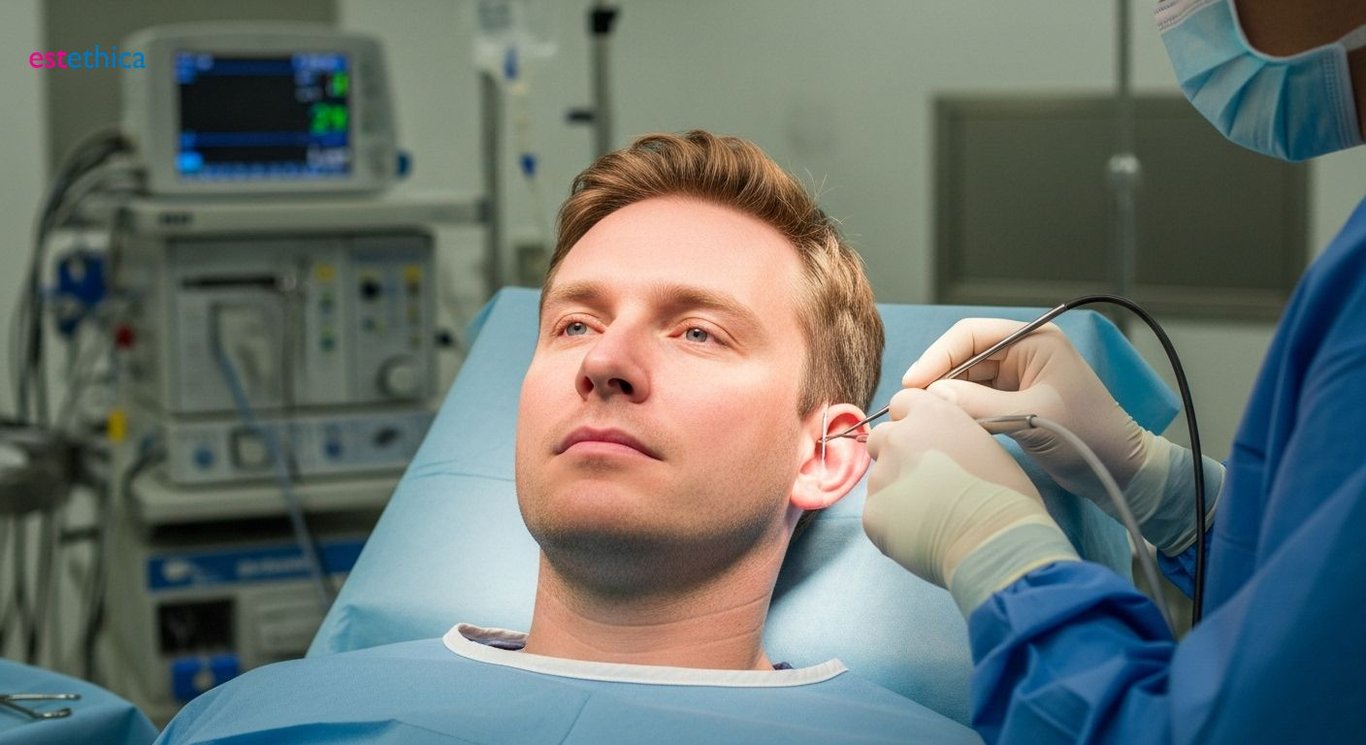
The recovery journey following ear surgery is a critical phase that demands careful attention and adherence to post-operative guidelines. Immediately after your otoplasty, bandages are applied to provide essential support and protection to the newly reshaped ears. Patients often experience mild discomfort, swelling, and bruising, which are effectively managed with prescribed pain medication. It's paramount to meticulously follow your surgeon's instructions regarding wound care, medication schedules, and activity restrictions to ensure optimal healing. Typically, bandages are removed within the first week, and a headband might be necessary for several weeks, particularly at night, to maintain the corrected ear shape. At estethica, we emphasize personalized post-operative care, tailoring our approach to each patient's unique needs. For example, a 25-year-old seeking cosmetic ear surgery might receive specific instructions on scar management, while a teenager undergoing ear pinning could benefit from guidance on protecting their ears during school activities.
- Bandage Support: Immediate post-op care involves bandages for protection and shape maintenance.
- Pain Management: Mild discomfort is controlled with prescribed medication.
- Activity Restrictions: Avoiding strenuous activities prevents complications.
Long-Term Recovery and Care After Otoplasty
Long-term recovery after otoplasty involves gradually resuming normal activities while protecting the ears from potential injury. Most individuals can return to work or school within one to two weeks, depending on the extent of the ear surgery and their individual healing progress. However, strenuous activities and contact sports should be avoided for several weeks to prevent any trauma to the ears. Attending all follow-up appointments is crucial for monitoring progress and addressing any concerns. At estethica, our dedicated team provides ongoing support and guidance throughout your recovery, ensuring a smooth and successful outcome. We emphasize the importance of adhering to our recommendations to achieve the best possible results. Understanding the ear surgery recovery time adults can expect is essential for planning and ensuring a successful result. For instance, a patient who had ear surgery for protruding ears should avoid wearing headphones that press against the ears for at least a month. estethica's commitment to patient care extends beyond the operating room, ensuring a well-supported recovery journey.
- Gradual Activity Resumption: Slowly reintroduce normal activities, avoiding strenuous ones.
- Consistent Follow-Ups: Attend all scheduled appointments for progress monitoring.
- Protective Measures: Shield ears from trauma to ensure proper healing.

Correcting Asymmetrical Ears and Other Cosmetic Ear Concerns
Addressing Various Cosmetic Ear Issues Beyond Protruding Ears
While otoplasty is commonly known for correcting protruding ears, ear surgery can address a range of other cosmetic concerns. Asymmetrical ears, differing in size, shape, or position, can cause significant self-consciousness. Ear reshaping through surgery can create a more balanced and harmonious appearance. Additionally, conditions like constricted ears, where the upper ear is folded or cupped, and Stahl's ear, characterized by a pointed shape, can be effectively treated. Some individuals also seek ear reconstruction to repair torn earlobes caused by earrings or trauma, restoring a natural earlobe shape. At estethica, our experienced surgeons understand the unique needs of each patient, tailoring their approach to achieve the best possible results. For instance, a patient with Stahl's ear might benefit from cartilage reshaping, while someone with torn earlobes could undergo meticulous reconstruction. Approximately 70% of patients seeking cosmetic ear surgery have concerns beyond just protruding ears, highlighting the procedure's versatility.
- Symmetrical Enhancement: Corrects differences in ear size and shape for balanced aesthetics.
- Deformity Correction: Addresses constricted ears and Stahl's ear through precise reshaping.
- Lobe Repair: Restores natural shape to torn earlobes caused by trauma or piercing.
Personalized Solutions for Comprehensive Ear Surgery at estethica
estethica is dedicated to providing personalized and comprehensive solutions for all types of cosmetic ear concerns. Our skilled surgeons have extensive experience in correcting asymmetrical ears and other ear deformities, ensuring that each patient receives the best possible care. During your consultation, we conduct a thorough evaluation of your ears and discuss the available options to address your specific concerns. We utilize advanced techniques and technologies to achieve natural-looking results that enhance your overall facial harmony. Whether you're seeking ear surgery for protruding ears, correcting asymmetrical ears surgery, or addressing another cosmetic ear issue, estethica is committed to helping you achieve the confidence and satisfaction you deserve. For example, a patient seeking ear reduction surgery to reduce the size of overly large ears or someone exploring non surgical ear reshaping options can find tailored solutions at our clinic. Our goal is to ensure that you receive exceptional care and achieve your desired aesthetic outcome through personalized treatment plans.
- Comprehensive Evaluation: Thorough assessment of ear structure and patient goals.
- Advanced Techniques: Utilizing state-of-the-art technology for precise results.
- Personalized Care: Tailoring treatments to meet individual needs and expectations.
Understanding Otoplasty: A Comprehensive Guide
Precision Ear Reshaping Through Advanced Suturing and Cartilage Grafting Techniques
estethica employs advanced suturing techniques to precisely reshape cartilage, effectively correcting asymmetrical ears and reducing prominence. For congenital deformities, cartilage grafting rebuilds ear structure, utilizing grafts from other body areas to achieve natural-looking results.
estethica's surgeons specialize in tailoring surgical techniques to meet individual patient needs, ensuring optimal aesthetic outcomes for ear reshaping. With a commitment to personalized care, estethica's skilled surgeons meticulously assess each patient's unique anatomy and aesthetic goals to create customized treatment plans.
Comprehensive Post-Operative Support for Smooth Ear Surgery Recovery and Optimal Results
estethica provides personalized post-operative care, tailoring the approach to each patient's unique needs after ear surgery. The clinic emphasizes meticulous adherence to post-operative guidelines, including wound care, medication schedules, and activity restrictions, to ensure optimal healing and prevent complications.
Patients benefit from ongoing support and guidance throughout their recovery at estethica, ensuring a smooth and successful outcome after otoplasty. The dedicated team at estethica emphasizes the importance of adhering to recommendations to achieve the best possible results, leading to improved confidence and satisfaction.
Frequently Asked Questions
What is Ear Surgery (Otoplasty)?
What does Ear Reshaping involve?
What is the recovery time after Otoplasty?
Can Otoplasty correct Asymmetrical Ears?
Is Teen Ear Surgery a common procedure?
Achieve your aesthetic goals with estethica's personalized treatment plans.
📞 Book Your Free Consultation!