


This comprehensive guide explores Otoplasty, detailing ear reshaping surgery, ear pinning techniques, and the otoplasty surgery cost. It covers how otoplasty is performed for protruding ears correction and addresses common patient questions.
Are you self-conscious about protruding ears? Otoplasty, often referred to as ear surgery for protruding ears or ear reshaping surgery, offers a transformative solution. This guide delves into the world of otoplasty, explaining what it is, how the ear correction procedure is performed, and factors influencing otoplasty surgery cost. Whether you're considering ear pinning surgery or exploring alternatives for protruding ears correction, understanding your options is the first step towards achieving your desired aesthetic.Understanding Otoplasty: What is Ear Reshaping Surgery?
Otoplasty is a specialized surgical procedure focused on reshaping or repositioning the ears. It is most commonly sought to address the appearance of prominent or protruding ears, effectively guiding them to lie closer to the head. This form of ear correction surgery is a viable option for both children and adults who experience aesthetic concerns related to their ear shape or position, which can sometimes impact self-esteem and confidence. The underlying goal of otoplasty is to enhance facial balance and create a more harmonious, symmetrical look.
The Surgical Process and Recovery
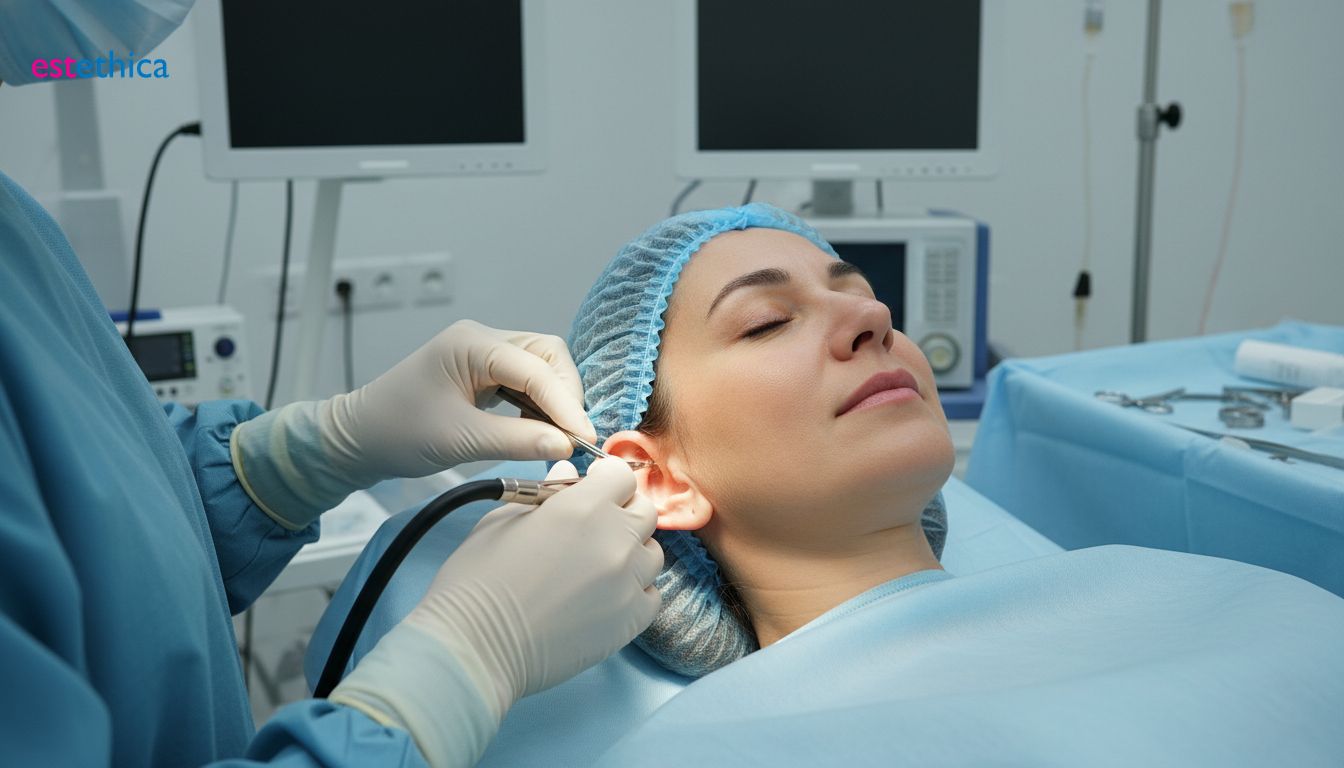
The technique employed during otoplasty surgery typically involves creating discreet incisions, usually located behind the ear. This allows the surgeon to access the underlying cartilage. Through these incisions, the cartilage is carefully reshaped, folded, or repositioned to achieve a more natural and aesthetically pleasing contour. In some cases, cartilage may be removed to reduce thickness, or sutures may be used to hold the ear in its new position. The process is tailored to each individual’s unique ear anatomy and desired outcome. While the primary motivation for this procedure is often aesthetic, it can also be performed to correct congenital deformities or damage resulting from injury.
Following the procedure, patients are typically required to wear a supportive headband, especially during sleep, to protect the newly positioned ears and maintain the results. Swelling and bruising are common in the initial recovery period but gradually subside. Most individuals can return to their normal daily activities within a week or two, though strenuous exercise and contact sports may need to be avoided for a longer duration. The final results of otoplasty become more apparent as the swelling diminishes over several weeks and months. This surgical intervention offers a lasting solution for individuals seeking to improve the appearance of their ears, contributing significantly to improved self-perception and confidence. For those considering this option, understanding the details of Otoplasty Surgery: Ear Correction & Reshaping Guide can provide valuable insights into the entire journey, from initial consultation to post-operative care, highlighting how ear surgery for protruding ears can achieve natural-looking results.
Addressing Protruding Ears
Prominent ears can be a source of self-consciousness from a young age. Otoplasty offers a definitive solution to this concern. The procedure is designed to be effective for various degrees of protrusion. By carefully adjusting the cartilage, surgeons can create a subtle yet significant improvement, ensuring the ears appear naturally proportioned to the face. This procedure is fundamentally about correction and enhancement, providing a permanent alteration that can boost confidence. Many find that the benefits of ear surgery for protruding ears extend far beyond the physical, positively impacting their social interactions and overall well-being. The precision involved in protruding ears correction ensures that the outcome is both aesthetically pleasing and functional.

How Otoplasty Surgery is Performed for Protruding Ears Correction
Correcting the appearance of protruding ears, often referred to as "bat ears," typically involves a well-established surgical procedure known as otoplasty. This procedure is designed to reshape and reposition the ears to achieve a more aesthetically pleasing and balanced look. The journey towards achieving this correction usually begins with a comprehensive consultation. During this initial meeting, your surgeon will meticulously assess the unique structure of your ears and have an in-depth discussion about your specific goals and expectations for the ear correction.
The Surgical Process for Protruding Ears
The actual otoplasty surgery for protruding ears correction is performed with great precision. A surgeon will typically make a discreet incision behind the ear, often nestled within the natural crease. This strategic placement is crucial for minimizing the visibility of any resulting scarring. Through this carefully made opening, the surgeon gains access to the underlying cartilage, which is the structural framework of the ear.
Once the cartilage is exposed, several techniques may be employed depending on the individual's ear anatomy and the desired outcome. The surgeon might carefully remove a small amount of excess cartilage that contributes to the protruding appearance. Alternatively, they may score the cartilage to enable it to fold more naturally, or utilize specialized sutures to permanently secure the ear in its newly repositioned, closer-to-the-head alignment. The precise combination of these methods ensures that the results are both effective and natural-looking. For those interested in a more detailed overview of the initial steps, reading about Otoplasty Surgery: Ear Correction for Protruding Ears can provide further insights.
Closing and Recovery
After the ear reshaping surgery is complete and the desired contour and position have been achieved, the surgeon will meticulously close the incisions using fine sutures. Following this, a supportive bandage is applied to protect the operated area and aid in the initial stages of healing. This bandage helps to maintain the new ear position while the tissues begin to recover. The subsequent recovery period is essential for the final outcome of the procedure.
This detailed approach to otoplasty ensures that each patient receives a personalized treatment plan, addressing their unique concerns regarding protruding ears correction. The aim is always to enhance facial harmony and boost self-confidence through a safe and effective surgical intervention.
Exploring Ear Pinning Surgery: An Effective Solution
For individuals concerned about ears that protrude significantly from the side of the head, ear pinning surgery offers a highly effective and well-established solution. This specific type of cosmetic ear procedure, often referred to by its descriptive name, is designed to address the aesthetic concerns associated with prominent ears. The term "ear pinning" accurately reflects the surgical technique involved: carefully reshaping and positioning the cartilage to draw the ears back closer to the scalp. This enhancement is frequently sought by both children and adults who feel that their prominent ears detract from their facial features or impact their self-confidence. It's a popular choice for achieving greater facial harmony and a more balanced appearance.
Understanding the Procedure and Recovery
The surgical process for ear pinning is generally straightforward and aims to create a more natural ear contour and position. Surgeons meticulously work with the ear cartilage to achieve the desired aesthetic outcome. While the specifics can vary based on individual anatomy and the surgeon's technique, the fundamental goal remains the same: to reduce the prominence of the ears. Following the operation, recovery is a crucial phase. Patients are typically advised to wear a supportive headband, particularly during sleep, for a period of several weeks. This headband plays a vital role in protecting the newly positioned ears and ensuring that the cartilage settles into its corrected shape, preventing accidental displacement. This dedicated period of care post-surgery is essential for optimal results and long-term satisfaction with the outcome of the ear surgery for protruding ears.
Comparing Otoplasty Options
When considering options for prominent ear correction, it's helpful to understand the different approaches available. While ear pinning surgery specifically addresses protruding ears by repositioning them, a broader term encompassing various ear aesthetic procedures is otoplasty. Understanding these distinctions can help individuals make informed decisions about the best course of action for their unique needs. For a comprehensive overview of how different ear concerns are addressed surgically, exploring related procedures is beneficial. You can learn more about the broader scope of ear correction techniques in our detailed guide on Otoplasty Surgery: Reshaping Ears for Prominent Ear Correction. This resource provides valuable insights into the various methods available for achieving desired ear aesthetics, including specialized techniques for protruding ears correction.
In conclusion, ear pinning surgery is a specialized and highly effective form of ear surgery for protruding ears. It offers a permanent solution, significantly improving self-esteem and facial aesthetics for those affected by prominent ears. The procedure, combined with appropriate post-operative care, provides lasting and satisfying results for this common cosmetic concern.
Otoplasty Surgery Cost: What to Expect
Understanding the financial aspect of otoplasty is a significant step in your decision-making journey. The overall expense associated with this cosmetic procedure can fluctuate due to a variety of factors. These typically include the surgeon's level of expertise and reputation, the geographic location where the surgery is performed, the intricate nature of the specific ear correction procedure required, and any associated fees for anesthesia services. It’s important to note that when discussing the otoplasty surgery cost, this generally encompasses the surgeon's professional fee, the charges for the surgical facility, and the anesthesia expenses. While this type of ear reshaping surgery is often considered elective, there are instances where health insurance providers may offer partial coverage. This is usually contingent upon the protruding ears correction being deemed medically necessary. Such necessity might arise if the condition leads to functional impairment or follows a significant injury. For a comprehensive understanding of all potential expenditures, patients are strongly encouraged to engage in a detailed discussion about the otoplasty surgery cost during their initial consultation. This provides an opportunity to receive a thorough breakdown of anticipated expenses, allowing for informed financial planning.
Factors Influencing the Overall Expense
Several key elements contribute to the final price tag of otoplasty. The experience and specialization of the plastic surgeon performing the otoplasty play a substantial role. Highly sought-after surgeons with extensive experience in ear surgery for protruding ears may command higher fees. Similarly, the cost of living and the general market rates in a particular region can influence facility charges and surgical fees. Complex cases that require more extensive work or revisional surgery will naturally incur higher costs compared to simpler corrections. Anesthesia fees also vary, depending on the type of anesthesia used and the duration of the procedure. It is essential to get a clear, itemized quote that outlines each component of the otoplasty surgery cost to avoid surprises. Exploring options for financing or payment plans can also be beneficial for managing the financial commitment. For those seeking more information on the benefits and outcomes, referencing our guide on Otoplasty Surgery: Fixing Protruding Ears Effectively can provide valuable context on what the procedure aims to achieve.
Insurance Coverage Considerations
While most otoplasty procedures are performed for aesthetic reasons, there can be situations where insurance coverage applies. If protruding ears correction is linked to functional issues, such as hearing difficulties or discomfort caused by irritation, or if it’s a result of trauma or injury, some insurance plans might consider it medically necessary. Documenting these functional impairments is crucial for submitting a claim. Patients should proactively contact their insurance provider before scheduling the procedure to understand their specific policy details and the requirements for seeking reimbursement for ear surgery for protruding ears. This due diligence can significantly impact the out-of-pocket expenses. Remember, a detailed discussion with both your surgeon and your insurance company is the best approach to fully grasp the financial implications.

Expert Otoplasty Techniques for Correcting Protruding Ears
Otoplasty, or ear reshaping surgery, utilizes specialized techniques to correct the appearance of protruding ears, often referred to as "bat ears." This procedure focuses on reshaping or repositioning the ears to lie closer to the head, enhancing facial balance and symmetry.
The surgical process for protruding ears correction involves creating discreet incisions, typically located behind the ear. This allows surgeons to access and reshape the ear's cartilage, achieving the desired contour and position for a natural look.
Expertise in otoplasty is demonstrated through a deep understanding of ear anatomy and the precise application of various cartilage manipulation techniques. Surgeons specializing in ear correction procedures possess the skill to address both aesthetic concerns and functional aspects related to prominent ears.
The commitment to personalized treatment plans ensures that each patient's unique ear structure and aesthetic goals are meticulously considered, leading to successful protruding ears correction and improved self-confidence.
Comprehensive Otoplasty Surgery Guide: Process, Recovery, and Costs
Understanding the otoplasty surgery process, from initial consultation to post-operative care, is crucial for patient confidence. The procedure is performed with precision, aiming for minimal scarring and optimal aesthetic results.
Post-operative care includes wearing a supportive headband, especially during sleep, to protect the newly positioned ears and maintain the surgical results. This essential step ensures the longevity of the ear correction.
Patients seeking to fix protruding ears without surgery often find that otoplasty offers the most definitive and satisfying solution. The ear correction procedure addresses concerns that non-surgical methods cannot effectively resolve.
The overall cost of otoplasty surgery is influenced by various factors, including surgeon fees, anesthesia, and facility charges. Transparent discussions about otoplasty surgery cost are essential to manage patient expectations and ensure a smooth experience.