


Otoplasty offers a solution for prominent ears, enhancing facial harmony through surgical or non-surgical means. Explore procedures, recovery, and aesthetic outcomes.
Are you self-conscious about protruding ears or seeking to enhance your facial harmony? Otoplasty, often referred to as ear reshaping surgery, offers a transformative solution. This procedure is designed to correct prominent ears, making them more proportionate to your facial features. Whether you're considering surgical options or exploring alternatives, understanding the process, recovery, and aesthetics involved is crucial. This guide delves into the world of otoplasty, helping you make informed decisions about achieving your desired ear aesthetics.What is Otoplasty Surgery for Protruding Ears?
Otoplasty is a specialized cosmetic surgical procedure designed to address the appearance of ears that protrude significantly from the side of the head. Commonly referred to as "ear pinning surgery" or a procedure for protruding ears, otoplasty aims to reshape and reposition the ears to create a more balanced and harmonious profile. This surgery is a popular choice for individuals, both children and adults, who experience self-consciousness or low self-esteem due to the prominent positioning of their ears. The goal of otoplasty is not just aesthetic improvement but also the enhancement of overall facial symmetry and natural-looking results.
Understanding the Otoplasty Procedure
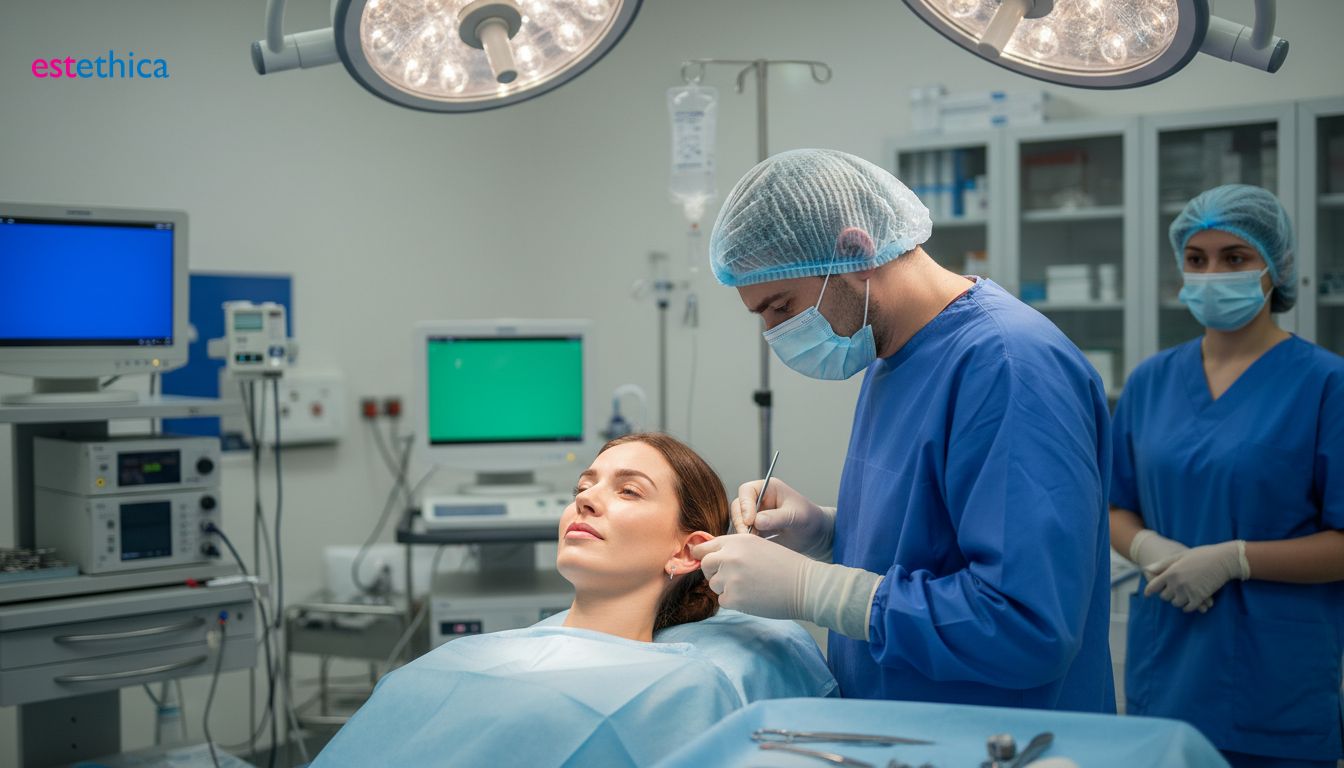
The surgical technique for otoplasty typically involves making carefully placed incisions behind the ear, in the natural crease where the ear meets the head. Through these incisions, the surgeon can access the underlying ear cartilage. The primary objective is to reshape this cartilage, often by folding it to reduce its projection, or in some cases, by carefully removing small sections of cartilage to achieve the desired contour. Permanent sutures are frequently used to hold the cartilage in its new, corrected position, bringing the ear closer to the head. The precise method employed will depend on the specific anatomical characteristics of the individual's ears. This approach ensures that the ears appear more naturally proportioned to the rest of the facial features.
For many, undergoing otoplasty can lead to a significant boost in confidence and self-perception. It's a safe and effective way to correct what is often perceived as a noticeable physical trait. The Otoplasty Surgery: Effective Protruding Ears Correction provides further details on how this procedure can achieve desired aesthetic outcomes. The recovery process is generally straightforward, with most patients experiencing minimal discomfort following the surgery. A special headband is typically worn for a period to protect the ears and help maintain the new shape during the initial healing phase. This surgery is a cornerstone in addressing concerns about protruding ears.
Who is a Candidate for Otoplasty?
Ideal candidates for otoplasty are individuals who are unhappy with the appearance of their protruding ears and desire a change in their ear's position or shape. This procedure is suitable for most age groups, though it's often recommended that children wait until they are around five or six years old, when their ear cartilage has developed sufficiently. Adults considering otoplasty should be in good general health and have realistic expectations about the potential outcomes. The decision to proceed with otoplasty should be a personal one, aimed at improving one's quality of life and self-confidence. The benefits of otoplasty extend beyond mere appearance, contributing positively to psychological well-being by resolving a long-standing source of self-consciousness. This procedure is a definitive solution for those seeking to enhance their facial harmony through ear correction.

Exploring Ear Reshaping Surgery and Ear Aesthetics
Ear reshaping surgery, often referred to as otoplasty, is a procedure designed to enhance the appearance of the ears by correcting various aesthetic concerns. While commonly associated with addressing protruding ears, its scope extends to refining the overall balance and proportion of the ears in relation to the facial structure. This sophisticated procedure involves meticulous attention to the ears' size, shape, and how prominently they project from the head, aiming for a harmonious and natural look.
Modern surgical techniques have advanced significantly, enabling practitioners to make precise adjustments that result in symmetrical and aesthetically pleasing outcomes. The motivation behind seeking this type of surgery often transcends purely cosmetic desires. For many individuals, prominent ears can lead to significant psychological distress, impacting self-confidence and social interactions. The goal of the surgery is to create ears that are less conspicuous, thereby alleviating this distress and fostering a greater sense of self-esteem.
Understanding the Nuances of Ear Aesthetics
Achieving optimal ear aesthetics involves more than just pulling the ears closer to the head. It requires a deep understanding of facial symmetry and proportion. Surgeons carefully assess the conchal depth, the antihelical fold, and the overall curvature of the ear. Adjustments can include reducing the size of overly large ear cartilage, reshaping the helix (the outer rim of the ear), or creating a more defined antihelical fold to reduce projection. The ultimate aim is to craft an appearance that is perceived as balanced and natural, ensuring that the ears complement, rather than dominate, the facial features.
The decision to undergo Otoplasty Surgery: Achieve Balanced Ear Aesthetics is a personal one, often driven by a desire for improved self-perception. The psychological benefits of correcting ears that have been a source of self-consciousness can be profound. By addressing these aesthetic concerns through carefully considered surgical interventions, patients can experience a significant boost in their confidence and overall satisfaction with their appearance. This procedure is fundamentally about restoring a sense of normalcy and improving quality of life by harmonizing one of the face's most distinctive features.
Ear Correction Surgery: Costs and Recovery Insights
Understanding the financial investment and the healing journey is a crucial step when considering any cosmetic procedure, and ear correction is no exception. While specific figures can fluctuate considerably, several factors influence the overall expense. These typically include the geographic location of the clinic, the surgeon's level of experience and reputation, and the intricacies involved in the specific surgical approach chosen to address the individual's ear concerns. It is paramount for prospective patients to prioritize selecting a qualified and experienced surgeon, focusing on the safety and quality of the results over solely the price point. For those seeking a comprehensive understanding of the procedure itself, a detailed exploration can be found in our Otoplasty: Expert Guide to Protruding Ears Surgery.
Factors Influencing Procedure Expenses
The cost associated with undergoing otoplasty surgery for protruding ears is not a one-size-fits-all figure. Several variables contribute to the final price tag. Prospective patients should consider that consultations with multiple surgeons might yield different estimates. This variation often stems from differences in surgical techniques employed, the type of anesthesia used, and the post-operative care package included. Furthermore, facilities with higher overheads or those located in major metropolitan areas may command higher fees. It is essential to have a transparent discussion with your chosen surgeon about what is included in their fee, such as pre-operative assessments, the surgery itself, anesthesia, and any necessary follow-up appointments.
The Recovery Process: What to Expect
Following your otoplasty surgery for protruding ears, the recovery period is generally straightforward, though attention to detail is key for optimal healing. Immediately after the procedure, a specialized bandage or dressing will be applied to both ears. This is vital for protecting the surgical sites and maintaining the corrected position of the ears as they heal. Patients are typically advised to wear this bandage consistently for a specified period, often several days to a week, as directed by their surgeon. During this initial phase, it is important to avoid any activities that could put undue pressure on the ears. Most individuals find they can resume their normal daily routines and light activities within about seven days. However, more strenuous physical activities, sports, or any activity that carries a risk of impact to the head should be postponed for several weeks to allow for adequate tissue healing and prevent complications. Gradual improvement in the appearance of the ears is noticeable as swelling subsides, with the final, refined results typically becoming fully apparent within a few months, offering a lasting enhancement to facial harmony.
Alternatives to Ear Pinning Surgery: Non-Surgical Options
For individuals seeking to address the appearance of protruding ears without opting for surgical intervention, a range of non-surgical alternatives are available. While these methods generally do not offer the permanent and transformative results achievable with traditional otoplasty, they can provide effective solutions for milder cases or serve as temporary measures.
Temporary and Developmental Solutions
One notable non-surgical approach, particularly effective for infants, involves specialized headbands or ear-fitting devices. These products are designed to gently apply pressure, guiding the ears into a more aesthetically pleasing position as the cartilage is still developing and highly malleable. The success of these methods relies heavily on consistent application and the natural developmental stage of the infant's ears. For adults, the options are more focused on camouflage and temporary adjustments rather than permanent reshaping. Understanding the specific needs and expectations is crucial before embarking on any non-surgical path.
Cosmetic Camouflage and Lifestyle Adjustments
Another common strategy for managing the appearance of protruding ears without surgery involves cosmetic techniques and lifestyle adjustments. Selecting hairstyles that cleverly conceal the ears can significantly alter one's perception and confidence. For instance, longer hair, certain layers, or updos that tuck the ears can be very effective. While these methods don't physically alter the ear's structure, they provide an immediate visual improvement and can be a comfortable solution for those hesitant about medical procedures. It is always advisable to consult with a medical professional to discuss the most suitable options, whether surgical or non-surgical, tailored to your unique situation. For those considering a permanent change, understanding the benefits of surgical correction is important. You can find comprehensive details in our guide, Otoplasty Surgery: Your Ultimate Ear Correction Guide, which covers aspects of otoplasty surgery for protruding ears.
While non-surgical methods can offer temporary relief or work for specific developmental stages, it's essential to recognize their limitations compared to the definitive results of otoplasty surgery. For many, the long-term satisfaction and structural correction provided by otoplasty surgery for protruding ears remain the gold standard. Exploring all avenues ensures an informed decision regarding ear correction.

Expert Otoplasty: Precision Ear Reshaping for Balanced Aesthetics
Otoplasty, or ear reshaping surgery, is a specialized cosmetic procedure meticulously designed to address protruding ears. This transformative approach focuses on correcting the appearance of ears that stick out significantly, aiming to create a more proportionate and harmonious facial profile.
The surgical technique for otoplasty typically involves carefully placed incisions behind the ear, nestled within the natural crease where the ear meets the head. This precise placement minimizes visible scarring while allowing for effective reshaping and repositioning of the ear cartilage.
Our approach to ear correction surgery emphasizes natural-looking outcomes, ensuring that the ears are repositioned to achieve optimal symmetry and aesthetic balance. We are dedicated to providing detailed ear surgery information to empower patients throughout their journey.
Expertise in otoplasty extends to understanding the nuances of ear aesthetics, ensuring that results complement individual facial features. This deep knowledge allows for tailored surgical plans that meet each patient's unique goals for ear correction.
Your Trusted Partner for Ear Correction: Costs and Recovery
Understanding the financial investment and the healing journey is a crucial step when considering any cosmetic procedure, and ear correction is no exception. We provide transparent information regarding otoplasty cost and recovery timelines.
The recovery process following otoplasty surgery is managed with patient comfort and optimal healing in mind. Detailed post-operative care instructions are provided to ensure a smooth transition and successful outcome.
The cost associated with undergoing otoplasty surgery for protruding ears is not a one-size-fits-all figure. We offer personalized consultations to discuss individual factors influencing procedure expenses and provide clear estimates.
We believe in empowering individuals with knowledge, whether they are exploring surgical options like the best ear reshaping surgery or considering non-surgical alternatives for protruding ears. Our commitment is to provide trustworthy guidance for all ear correction needs.