


Otoplasty offers a proven solution for protruding ears, enhancing facial balance and self-confidence through expert surgical techniques. Explore your options for ear correction and recovery.
Are you or someone you know considering otoplasty to address protruding ears? This surgical procedure, often referred to as ear pinning surgery, offers a transformative solution for enhancing facial harmony and boosting self-confidence. If you've ever felt self-conscious about the appearance of your ears, understanding what otoplasty entails is the first step towards achieving your desired aesthetic. This guide delves into the intricacies of otoplasty surgery for protruding ears, covering essential details from surgical techniques to recovery, and even exploring non-surgical alternatives. Discover how ear reshaping surgery can provide a natural and balanced look, helping you understand the benefits and process of cosmetic ear surgery.What is Otoplasty Surgery for Protruding Ears?
Otoplasty surgery, often referred to as ear correction surgery, is a well-established and effective cosmetic procedure designed to address ears that appear too prominent or stick out excessively from the sides of the head. The primary objective of this surgical intervention is to reshape and reposition the ears, bringing them into better proportion with the facial features and making them less conspicuous. This procedure is a popular choice for both children and adults who experience discomfort or self-consciousness due to the appearance of their ears.
Understanding the Procedure
At its core, otoplasty involves carefully sculpting and manipulating the ear's cartilage. Surgeons employ various techniques to achieve the desired aesthetic outcome. This might include creating deeper folds within the ear, reducing its overall size, or bending the cartilage to set the ear closer to the head. The goal is not to create unnatural-looking ears, but rather to achieve a balanced and harmonious appearance that enhances overall facial symmetry. For individuals considering this path, understanding Otoplasty Surgery: Effective Protruding Ears Correction can provide a comprehensive overview of what to expect. The decision to undergo otoplasty surgery for protruding ears is often driven by a desire to boost self-confidence and reduce social anxiety.
Benefits and Outcomes
The benefits of otoplasty extend beyond the physical transformation. By successfully addressing the issue of protruding ears, patients often experience a significant improvement in their self-esteem and overall quality of life. Children, in particular, can find relief from teasing or bullying, allowing them to engage more confidently in social situations. The results of otoplasty are typically permanent, providing a lasting solution to a long-standing cosmetic concern. The procedure is considered safe and effective when performed by a qualified and experienced surgeon. The focus is always on achieving a natural-looking result that aligns with the individual's unique facial structure, ensuring that the ears appear naturally placed and proportionate.

Ear Pinning Surgery Details & Techniques
Correcting prominent ears, often referred to as "bat ears," involves a meticulous surgical process known as otoplasty. The goal of protruding ears surgery is to refine the ear’s shape and position, creating a more balanced and natural appearance relative to the head. Surgeons employ a variety of techniques, carefully selecting the best approach based on the individual patient's ear anatomy and the specific nature of the protrusion. These procedures aim for results that are both aesthetically pleasing and durable.
Tailored Surgical Approaches
A common and highly effective method for protruding ears surgery begins with a discreet incision made on the back of the ear. This allows the surgeon access to the underlying cartilage, which is the primary structure responsible for the ear's shape and projection. Once exposed, the cartilage can be strategically reshaped. This might involve carefully folding the cartilage to create a more defined antihelical fold, a natural contour that helps the ear lie closer to the head. In some cases, the cartilage may need to be weakened or scored to allow it to bend more effectively. Permanent sutures are then expertly placed to maintain the ear in its corrected position. Another potential technique for otoplasty surgery for protruding ears could involve the precise removal of a small segment of skin and cartilage before repositioning the ear. The ultimate aim of these sophisticated ear correction techniques is to achieve a natural-looking fold and angle, ensuring the ear doesn't appear unnaturally flattened against the scalp. The choice of the specific surgical method is paramount and depends significantly on the degree of protrusion and the unique structural characteristics of the patient's ear cartilage. For a deeper dive into the diverse methods employed by experts, consider exploring Otoplasty: Expert Protruding Ears Correction Techniques.
Achieving Natural Contour
The precise manipulation of the ear cartilage is key to successful otoplasty surgery for protruding ears. Surgeons are trained to understand the intricate framework of the ear, making subtle adjustments that restore a natural aesthetic. The creation of the antihelical fold is particularly important, as its absence or underdevelopment often contributes to ears appearing too prominent. By carefully sculpting or repositioning the cartilage, surgeons can establish this fold, bringing the ear closer to the head without compromising its natural curvature. The objective is always to harmonize the ears with the individual's facial features, ensuring a proportionate and aesthetically pleasing outcome following this type of protruding ears surgery.
Alternatives: How to Fix Protruding Ears Without Surgery
While surgical intervention, specifically Otoplasty Surgery: Reshaping Ears for Prominent Ear Correction, remains the most effective and permanent solution for significantly protruding ears, some individuals seek non-surgical alternatives. These methods are typically considered for very mild cases or when surgery is not a viable option due to personal preference, cost, or other concerns. It is crucial to approach these alternatives with realistic expectations, as they generally offer temporary improvements rather than fundamental structural changes.
Non-Surgical Options for Infants and Children
For newborns and very young infants, a specialized approach might be employed. Ear molding devices, often in the form of carefully designed headbands or splints, can be used in the initial months of life. During this period, the cartilage in a baby's ears is still soft and pliable, making it more susceptible to external shaping. These devices aim to gently guide the ear's natural development, potentially reducing the outward protrusion. However, consistency in wear and the specific nature of the ear's anatomy are critical factors for any potential success. These methods are not a substitute for more permanent correction if the ears continue to appear prominent as the child grows.
Limited Options for Adults
For adults, non-surgical methods for addressing protruding ears are significantly more limited in their effectiveness. Unlike the pliable cartilage in infants, adult ear cartilage has set its shape. While some temporary cosmetic fixes might exist, such as specific hairstyles or headbands that visually camouflage the ears, these do not alter the underlying structure. Specialized ear bands or tapes marketed for adults typically offer only minor, temporary repositioning and are not a long-term solution. They cannot achieve the significant and lasting changes that protruding ears surgery provides. If a noticeable and permanent improvement is desired, exploring the details of protruding ears surgery is generally the most direct path.
Comparison of Non-Surgical vs. Surgical Approaches
Understanding the limitations of non-surgical methods is key when considering options for protruding ears. The table below outlines a general comparison, highlighting the typical outcomes and considerations for each approach. It is important to note that for a definitive correction of prominent ears, surgical procedures are unparalleled.
Ultimately, while non-surgical interventions offer some avenues, they do not provide the lasting results that many individuals seek when addressing prominent ears. For those desiring a substantial and permanent change, consultation regarding protruding ears surgery is the recommended course of action.
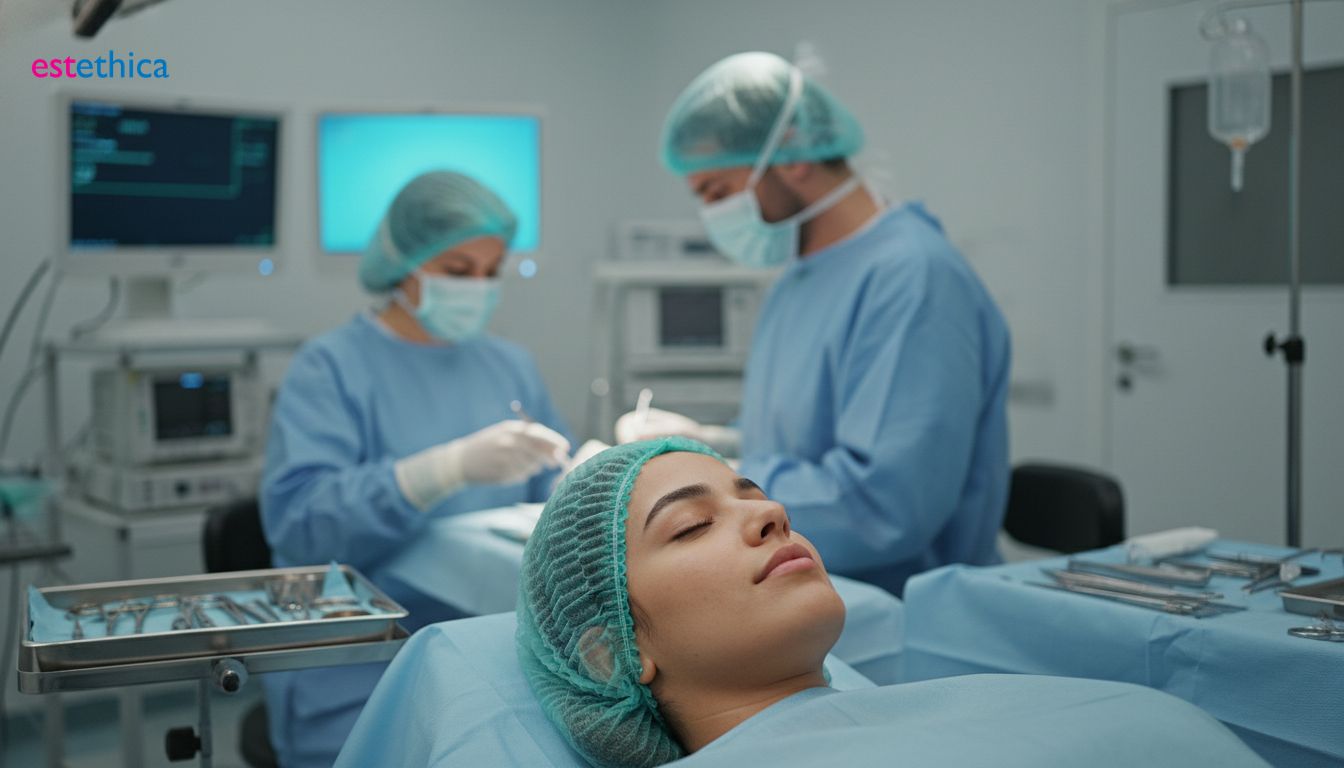
Otoplasty Recovery: What to Expect
Understanding the recovery timeline after otoplasty is crucial for setting realistic expectations and ensuring the best possible outcome. While the primary goal is achieving balanced and natural-looking ears, diligent post-operative care plays a significant role in the healing process. Immediately following your procedure, a soft dressing or a specialized headband will be applied. This is designed to protect your newly positioned ears and provide essential support during the initial delicate stages of healing.
The Initial Healing Phase
For most adults, the return to light daily activities is relatively swift, often within a few days. However, it is imperative to avoid strenuous exercise, heavy lifting, and any contact sports for several weeks. During this period, you can expect some degree of swelling, bruising, and mild discomfort. These symptoms are normal and can be effectively managed with the pain medication prescribed by your surgeon. The supportive headband is typically worn continuously for the first week. Following this, it is usually recommended to wear it only during sleep for several more weeks. This continued use helps prevent accidental pressure or bending of the ears, which could compromise the surgical results.
Long-Term Healing and Final Results
While the immediate recovery is relatively quick, the final aesthetic results of your otoplasty are not fully apparent for several months. As the residual swelling gradually subsides, the true shape and position of your ears will become more defined. It's important to be patient during this phase. Your surgeon will provide specific instructions regarding follow-up appointments and when it is safe to resume all normal activities. This surgical procedure, aimed at correcting the appearance of protruding ears, is designed for lasting results, significantly improving self-confidence and overall appearance. For those considering this procedure, understanding otoplasty surgery for protruding ears involves appreciating both the surgical technique and the commitment to the recovery period. This careful attention post-surgery ensures that the investment in otoplasty leads to the desired aesthetic enhancement. The benefits of addressing protruding ears surgery extend beyond physical appearance, often fostering a profound boost in self-esteem. When contemplating otoplasty surgery for protruding ears, patients are often reassured by the detailed care provided throughout the recovery process, contributing to the success of the otoplasty.
Expert Otoplasty for Protruding Ears: Advanced Surgical Techniques for Natural Results
Otoplasty surgery meticulously sculpts and repositions the ear's cartilage to correct protruding ears, often referred to as "bat ears." This procedure is expertly tailored to achieve a natural contour, ensuring the ears are in harmonious proportion with facial features.
Specialized surgical approaches are employed to achieve precise results, focusing on the discreet manipulation of cartilage to create aesthetically pleasing and less conspicuous ears. The goal is to provide a balanced and natural look.
Our expertise in otoplasty addresses the specific concerns of protruding ears with advanced surgical methods. We provide a detailed guide to otoplasty procedures, ensuring patients understand the intricacies of ear reshaping surgery for optimal outcomes.
We focus on delivering the best possible results through careful planning and execution of cosmetic ear surgery, enhancing both appearance and self-confidence.
Otoplasty Recovery and Non-Surgical Alternatives: A Trusted Guide to Ear Correction
Understanding the recovery timeline after otoplasty is crucial for setting realistic expectations and ensuring the best possible outcome. We provide detailed insights into the initial healing phase and long-term results.
For certain cases, especially in newborns and young infants, non-surgical options for protruding ears may be considered. However, for adults, surgical intervention is generally the most effective method for lasting correction.
We build trust by offering transparency on what to expect during otoplasty recovery, from initial healing to the final results. This ensures a confident journey towards achieving desired ear aesthetics.
While non-surgical methods offer some avenues for managing ear appearance, they do not provide the lasting results that many individuals seek when addressing prominent ears. Otoplasty surgery remains the definitive solution for significant correction.