


Learn about the hair transplant process, results, and methods like FUE. Discover a permanent solution for hair loss and achieve natural hair restoration.
Are you experiencing hair thinning or loss and seeking a lasting solution? A hair transplant offers a way to regain your confidence and a fuller head of hair. This guide delves into the hair transplant process and results, explaining how various methods can provide a permanent solution for hair loss. We'll explore the journey from consultation to recovery, helping you understand what to expect and how to achieve natural-looking hair restoration. Discover the modern advancements and effective treatments available for hair loss today.Understanding the Hair Transplant Process and Results
Embarking on a journey to address hair thinning or baldness through a hair transplant is a significant step. The entire experience begins with a comprehensive consultation. During this crucial initial meeting, experienced specialists meticulously assess your specific hair loss pattern, evaluate the health of your scalp, and engage in a detailed discussion about your aesthetic aspirations. This dialogue ensures a personalized approach tailored to your unique needs and desired outcomes.
The Surgical Procedure and Initial Recovery
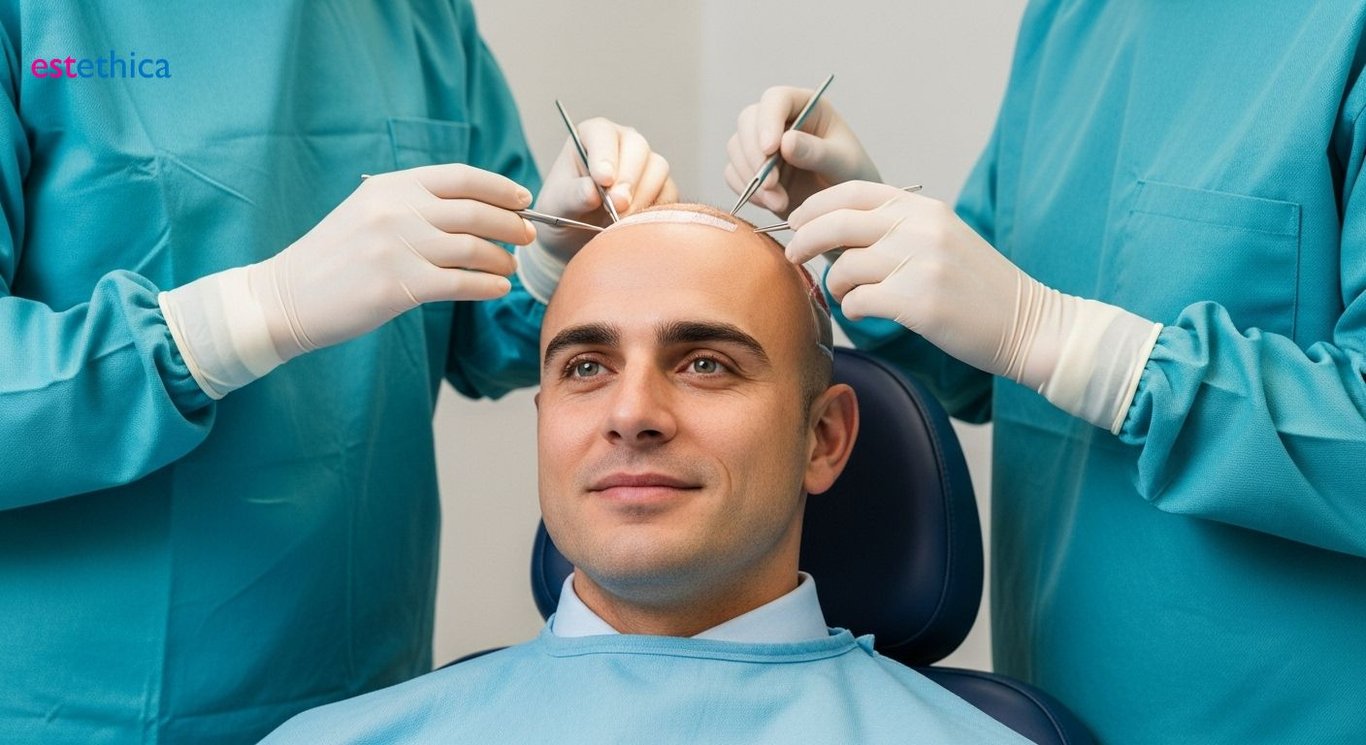
The actual hair transplant procedure itself involves the expert harvesting of healthy, robust hair follicles from a designated donor area, most commonly the back or sides of the scalp where hair is typically more resistant to thinning. These vital follicles are then artfully and meticulously implanted into the areas experiencing thinning or baldness. While the procedure aims for a permanent solution for hair loss, it's important to exercise patience. Significant, visible results are generally not apparent immediately but gradually emerge over several months following the procedure. Many individuals find that the outcomes achieved offer a truly permanent solution for hair loss, with the transplanted hair growing naturally and maintaining its viability for a lifetime.
Achieving Final Results and Long-Term Benefits
The ultimate success of any hair transplant hinges significantly on the skill and expertise of the performing surgeon and the quality of the grafts that are harvested. It is important to understand that you will witness gradual improvement rather than an overnight transformation. The final density and overall aesthetic appearance typically become clearly evident around the 12-to-18-month mark post-operation. This transformative procedure has the potential to significantly boost self-esteem and restore a more youthful appearance for individuals affected by conditions such as androgenetic alopecia or various other forms of hair thinning. A deeper understanding of the nuances inherent in the hair transplant process and results is vital for managing expectations effectively and fully appreciating the profound, long-term benefits this intervention can offer. For those seeking more in-depth information on the broader spectrum of options, exploring related resources such as Hair Transplant: Best Solutions, Process & Results in 2025 can provide valuable complementary insights into the hair transplant process and results.

Exploring Different Hair Transplant Methods Explained
The journey towards addressing hair thinning and balding has seen significant advancements, with modern techniques offering effective ways to achieve a fuller head of hair. Understanding the various hair transplant methods explained is crucial for anyone seeking a permanent solution for hair loss. These procedures aim to redistribute naturally growing hair from areas of abundance to thinning or bald spots, providing a long-lasting and natural-looking outcome.
Key Hair Transplantation Techniques
Two primary surgical approaches dominate the field: Follicular Unit Transplantation (FUT) and Follicular Unit Extraction (FUE). FUT, often referred to as the strip method, involves the careful removal of a thin strip of scalp tissue from a donor area, typically the back or sides of the head where hair is genetically resistant to thinning. This strip is then microscopically dissected into individual follicular units, which contain one to four hairs. These units are meticulously implanted into the recipient areas using fine needles or blades, creating a dense and natural hairline. This technique is known for its ability to yield a high number of grafts in a single session.
In contrast, FUE offers a less invasive alternative. Instead of removing a strip, FUE extracts individual follicular units directly from the donor area one by one. This is achieved using specialized micro-punches, typically ranging from 0.7mm to 1.0mm in diameter. The extracted units are then implanted into the thinning areas, much like in FUT. A significant advantage of FUE is that it leaves behind tiny, almost imperceptible scars, making it ideal for individuals who prefer to wear their hair short. It often results in a quicker recovery period compared to FUT.
Beyond these established methods, innovations continue to refine the hair transplant process and results. Robotic-assisted FUE systems are now available, enhancing precision and potentially increasing the number of grafts that can be harvested. Unshaven hair transplants are also an option for those seeking discretion, where the donor area is not shaved prior to the procedure. Each technique has specific advantages, potential drawbacks, and is suited to different candidate profiles based on the extent of hair loss, the quality and density of the donor area, and individual aesthetic goals. For those considering options in a popular destination, it is helpful to Discover the Best Hair Transplant Options in Turkey.
Choosing the Right Approach
The selection of the most appropriate method is a highly personalized decision. Factors such as the degree of hair thinning, the patient's scalp flexibility, and the desired density all play a role. A thorough consultation with a qualified surgeon is paramount. They will assess your unique situation, discuss the pros and cons of each hair transplant, and guide you toward the technique that best aligns with your expectations for the hair transplant process and results. This expert guidance ensures that the chosen hair transplant procedure offers the best possible outcome, providing a natural appearance and a significant boost in confidence. Ultimately, these sophisticated techniques offer a reliable and effective permanent solution for hair loss, revitalizing both appearance and self-esteem. Understanding the nuances of each hair transplant is the first step towards achieving your desired aesthetic and a lasting permanent solution for hair loss, contributing positively to the overall hair transplant process and results.
FUE Hair Transplant: A Closer Look at This Method
The Follicular Unit Extraction (FUE) hair transplant stands as one of the most sought-after and advanced techniques available today for addressing hair thinning and baldness. This method is highly regarded for its minimally invasive approach, which contributes to natural-looking outcomes and significantly reduced scarring compared to older procedures. The entire hair transplant process and results are geared towards a natural and subtle transformation.
Understanding the FUE Technique
During an FUE hair transplant, the core principle involves the meticulous extraction of individual hair follicles. These are carefully harvested one by one from a donor area, typically the back or sides of the scalp, utilizing specialized micro-motor instruments. Once extracted, these precious follicular units are then expertly implanted into the recipient areas where hair density has diminished. A major benefit of the FUE method is its ability to avoid the linear scar that is often a hallmark of the older Follicular Unit Transplantation (FUT) technique. This makes it an excellent choice for patients who prefer shorter hairstyles or have concerns about visible scarring. The recovery period is generally more comfortable and faster, with less post-operative discomfort.
Key Advantages and Considerations
The success of an FUE hair transplant hinges critically on the surgeon's precision and the expertise of the surgical team in handling the delicate follicular units. This detailed approach ensures that each graft is positioned at the optimal angle and depth to achieve maximum density and a naturally appearing hairline, offering a reliable permanent solution for hair loss. Beyond scalp applications, similar precise techniques are employed in procedures like Beard Transplant: Achieve Your Dream Facial Hair, demonstrating the versatility of follicular unit transplantation.
To better understand how FUE compares to other approaches within the realm of the hair transplant process and results, a comparative look is beneficial. While FUE offers distinct advantages in terms of scarring and recovery, understanding the nuances of each procedure is key for making an informed decision about your hair restoration journey.
FUE vs. FUT: A Comparative Overview
Choosing the right method for your hair needs is crucial for achieving the desired hair transplant process and results. FUE and FUT are the two primary surgical techniques, each with its own characteristics. FUE involves individual follicle extraction, leading to minimal scarring and quicker recovery. FUT, on the other hand, removes a strip of tissue from the donor area, which is then dissected into individual grafts. This method can yield a large number of grafts in a single session but results in a linear scar. For those seeking a permanent solution for hair loss with minimal visible signs of intervention, FUE is often the preferred choice.
Achieve Natural Hair Restoration with Expert Care
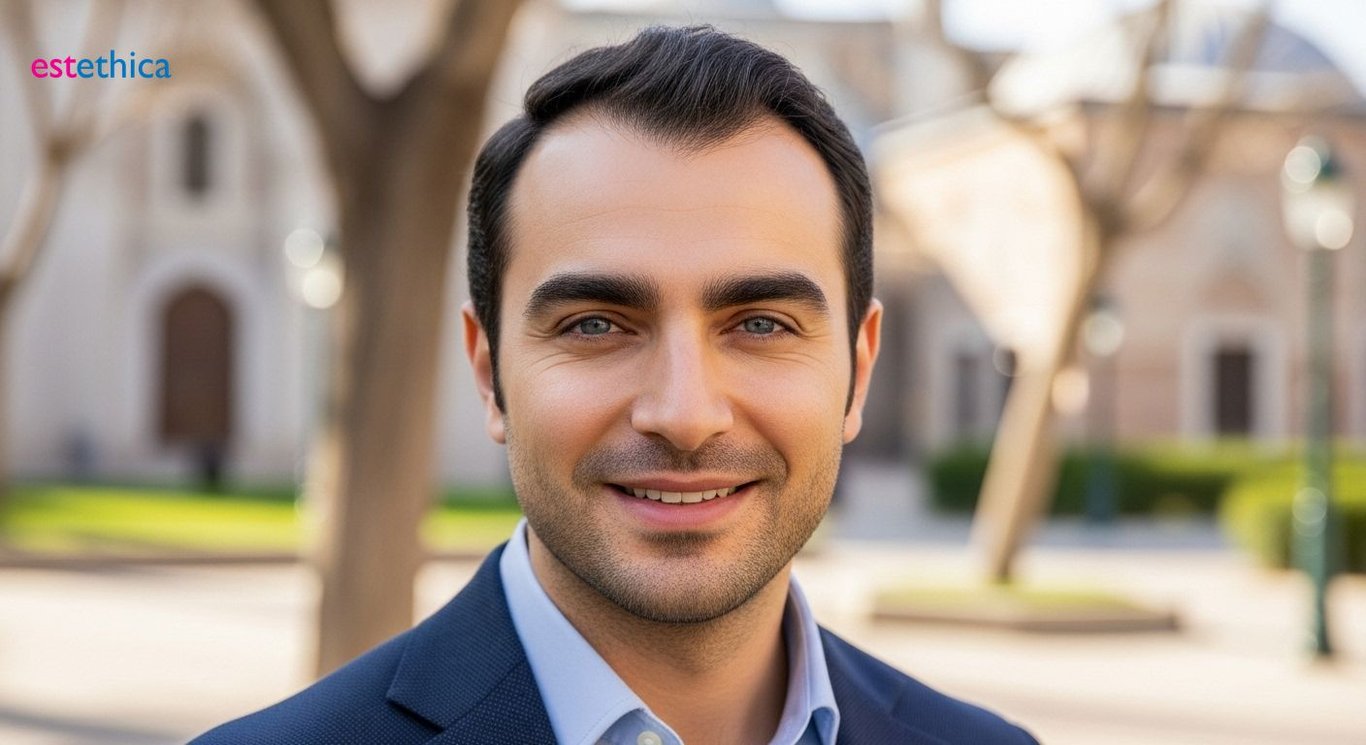
The ultimate goal for anyone considering a hair transplant is to achieve a result that looks completely natural, blending seamlessly with existing hair to create a rejuvenated appearance. This level of aesthetic success is not merely a byproduct of advanced techniques; it is the direct outcome of meticulous planning, precise execution, and the invaluable expertise of skilled professionals. When undertaken by seasoned practitioners, the hair transplant process transcends a medical procedure and becomes an art form, focused on recreating the appearance of natural hair growth.
The Art of Natural Hairline Design
Achieving a natural look begins with a deep understanding of facial aesthetics and individual characteristics. Expert surgeons dedicate significant time during the initial consultation to carefully design the hairline. This isn't a one-size-fits-all approach; rather, it involves considering your age, facial structure, and desired outcome to create a hairline that appears authentic and age-appropriate. The precise placement of each individual graft is paramount, mimicking the varied angles and densities of natural hair growth. This attention to detail ensures that as your transplanted hair grows, it integrates flawlessly, making the result virtually indistinguishable from hair that has always been there.
Expertise in Grafting and Post-Operative Care
The skill of the surgical team extends to the delicate process of graft transplantation. Utilizing the most effective hair transplant methods, they ensure optimal survival rates and natural density. Beyond the procedure itself, comprehensive post-operative care is crucial for the success of the hair transplant. Following expert guidance on healing and graft management significantly contributes to the long-term results and the realization of a permanent solution for hair loss. Choosing a reputable clinic with a team of experienced surgeons and technicians is your most significant step towards successful hair restoration. Their expertise transforms the hair transplant process and results into a journey towards regaining a fuller, natural-looking head of hair and a renewed sense of confidence. For those interested in refining other features, exploring complementary procedures like Eyebrow Transplant: Achieve Fuller, Natural Brows can offer further aesthetic enhancements.
FUE Hair Transplant: Precision Extraction for Natural Hair Restoration
The Follicular Unit Extraction (FUE) hair transplant represents a pinnacle of modern hair restoration techniques. This method focuses on the meticulous extraction of individual hair follicles, ensuring minimal impact on the donor area and promoting precise placement for a natural-looking result.
Our approach emphasizes the artistic design of hairlines and the expert grafting of these individual units. This dedication to detail allows us to achieve outcomes that seamlessly blend with your existing hair, providing a fuller and more youthful appearance.
Our specialists possess extensive experience in performing FUE hair transplants, understanding the nuances of follicular unit handling and implantation. This depth of knowledge is crucial for navigating the complexities of hair loss and delivering exceptional results that align with your aesthetic goals.
We are committed to staying at the forefront of hair restoration advancements, continually refining our techniques to offer the most effective and minimally invasive solutions available for addressing hair thinning and balding.
Understanding the Hair Transplant Process and Results for Lasting Confidence
Understanding the hair transplant process and results is key to embarking on this journey with confidence. From the initial consultation to post-operative care, we ensure transparency and provide comprehensive information about what to expect at every stage of your hair restoration.
Our patient-centric approach guarantees that your unique needs and desired outcomes are prioritized. We strive to make the hair transplant experience as comfortable and effective as possible, ensuring your journey towards a fuller head of hair is a positive one.
The selection of the most appropriate method is a highly personalized decision, tailored to your specific hair loss situation and aesthetic preferences. We meticulously guide you through the different hair transplant methods explained, ensuring an informed choice.
Our expertise extends to achieving natural hair restoration, a critical aspect for patient satisfaction. We pride ourselves on creating results that are not only effective but also indistinguishable from natural hair growth, providing lasting confidence.