


Comprehensive guide to hair transplantation, covering the process, FUE and DHI methods, expected results, and alternative hair loss solutions for natural hair growth.
Are you considering a hair transplant to restore your confidence and appearance? This guide delves into the most effective hair transplant solutions available today, offering detailed insights into the hair transplant process, and what you can expect regarding hair transplant methods and results. We explore advanced techniques and understand why hair transplantation is a popular choice for combating hair loss. Whether you're seeking information on FUE hair transplant, DHI hair transplant, or simply want to understand the basics, discover your path to fuller hair.Hair Transplant Process Details: Step-by-Step Guide
Embarking on a hair restoration journey can be a significant decision, and understanding the intricacies of the hair transplant process is paramount to setting realistic expectations and ensuring a positive outcome. This detailed guide will walk you through each stage, from initial consultation to post-operative care, demystifying what is involved in achieving fuller, more natural-looking hair.
The Initial Consultation and Preparation
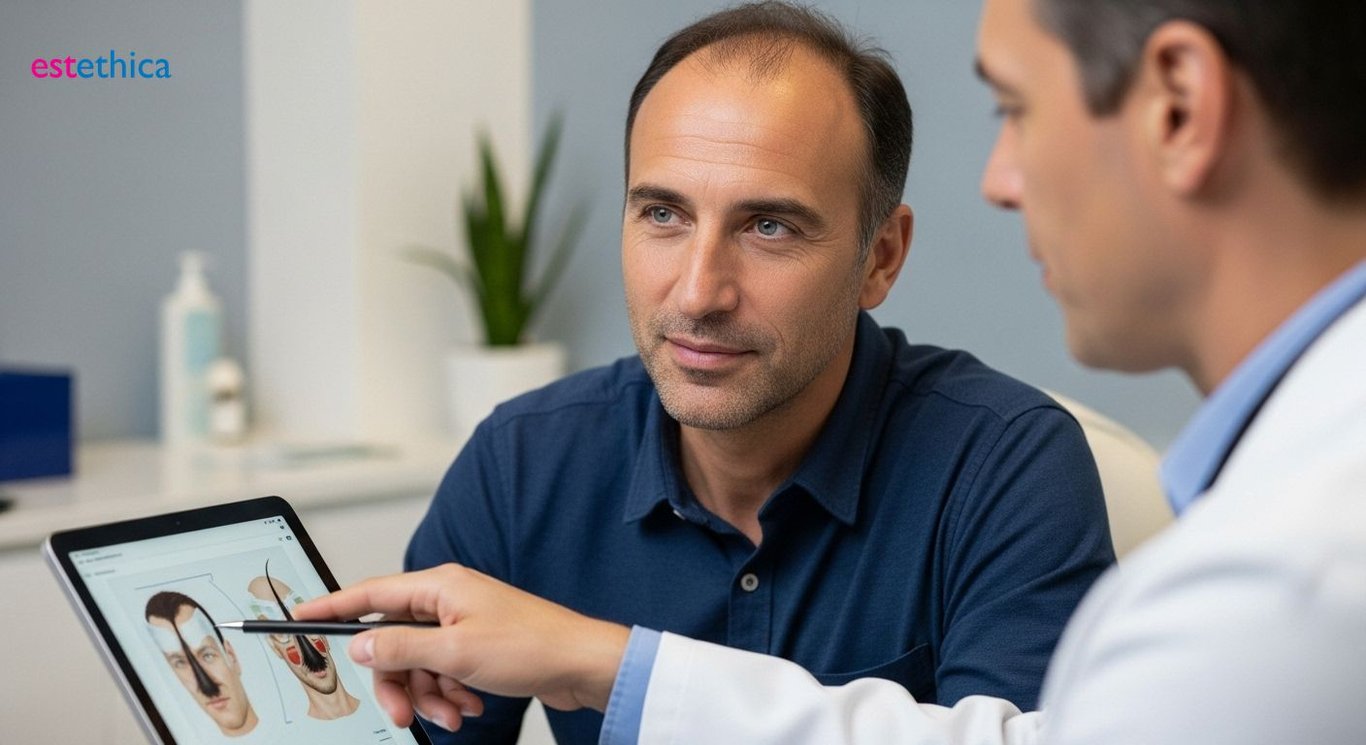
The process typically begins with a comprehensive consultation with a qualified specialist. During this crucial first meeting, your hair loss pattern, scalp condition, and overall health will be assessed to determine your suitability for a procedure. The specialist will discuss your aesthetic goals and recommend the most appropriate approach, which could involve some of the best hair transplant solutions available today. Once suitability is confirmed, the preparation phase commences. This involves meticulously cleaning the scalp and administering local anesthesia to ensure comfort throughout the procedure. This preparation is vital for a smooth and effective treatment.
The Procedure: Extraction and Implantation
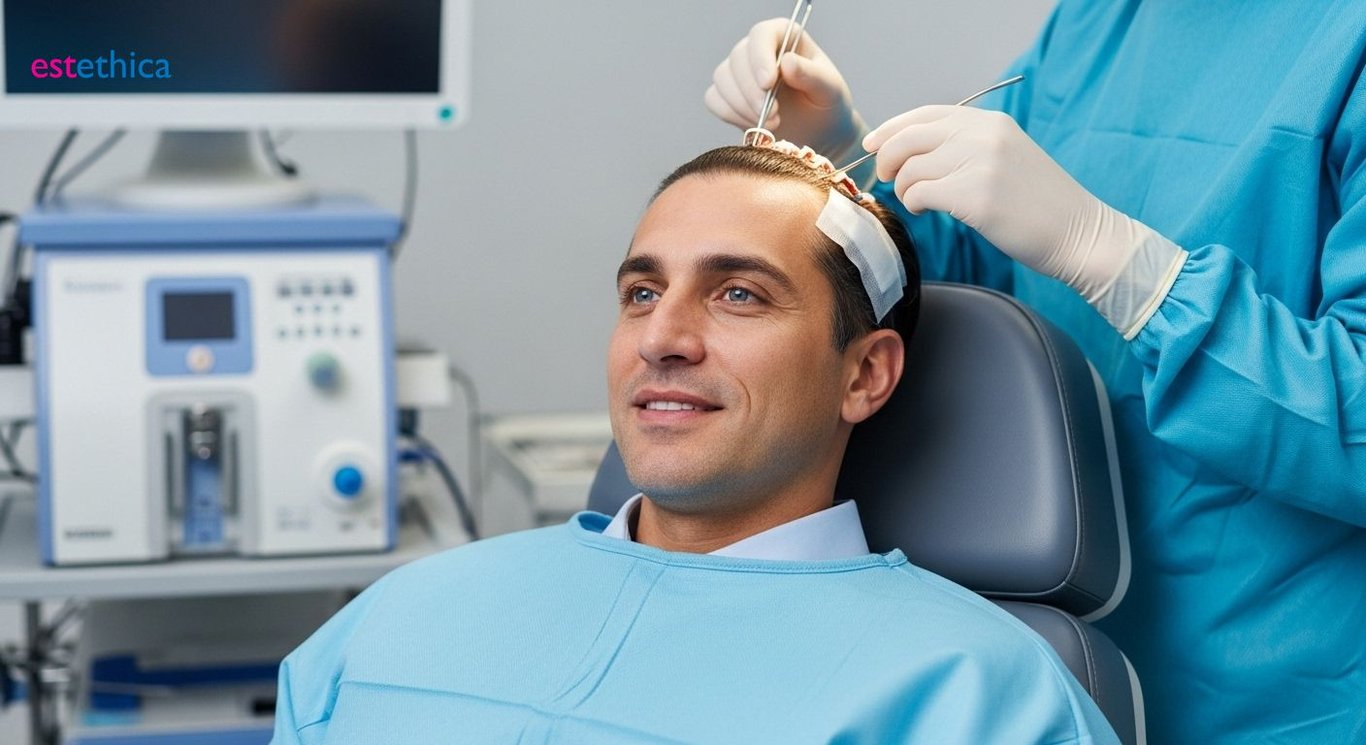
The core of the hair transplant procedure involves two main stages: follicular unit extraction and implantation. Healthy hair follicles are carefully harvested from a donor area, typically the back or sides of the head where hair is genetically resistant to thinning. This extraction is performed using specialized micro-surgical instruments. Following extraction, tiny incisions are made in the recipient area – the areas experiencing thinning or baldness. The harvested follicular units are then meticulously placed into these incisions by skilled technicians, ensuring natural density and hairline design. The precision involved in this step is key to achieving aesthetically pleasing results. The entire hair transplantation experience is designed to be as minimally invasive as possible.
Post-Procedure Care and Expected Results
After the hair transplantation is complete, diligent post-operative care is essential for optimal healing and the successful growth of transplanted hairs. Patients receive detailed instructions on how to care for the treated scalp, which typically includes guidelines on gentle hair washing routines and avoiding strenuous physical activities for a specified period. The initial healing phase usually takes about a week, during which minor redness or swelling may occur but will subside. While you might notice some shedding of the transplanted hairs within the first few weeks, this is a normal part of the process. New, permanent hair growth typically becomes visible within three to four months, with significant and natural-looking results emerging over the course of 12 to 18 months. For those interested in other restorative procedures, exploring options like Eyebrow Transplant: Achieve Fuller, Natural Brows can offer complementary insights into facial rejuvenation techniques. Understanding these steps helps patients navigate their hair transplant journey with confidence, knowing they are investing in one of the most effective best hair transplant solutions for restoring hair density and appearance. This comprehensive approach ensures the long-term success of the hair transplantation.
Best Hair Transplant Methods: FUE and DHI Explained
When considering hair restoration, two prominent techniques often emerge: Follicular Unit Extraction (FUE) and Direct Hair Implantation (DHI). Understanding these approaches is crucial for anyone seeking effective hair loss solutions.
Understanding FUE Hair Transplantation
Follicular Unit Extraction (FUE) is a highly regarded minimally invasive procedure. In this method, individual hair follicles are meticulously extracted one by one from a donor area, typically the back or sides of the scalp where hair is genetically resistant to thinning. These extracted follicular units are then carefully transplanted into the balding or thinning areas of the scalp. A significant advantage of FUE hair transplant is its capacity to leave behind very subtle, almost imperceptible scarring. This minimally invasive nature also contributes to a generally quicker recovery period for patients, allowing them to return to their daily routines with less downtime.
Exploring DHI: An Advanced Implantation Technique
Direct Hair Implantation (DHI) is often viewed as a refined evolution of FUE. This technique employs a specialized instrument known as the Choi implanter pen. The genius of the DHI hair transplant lies in its dual capability: it simultaneously creates the tiny incision site for implantation and inserts the harvested hair follicle. This unique process provides the surgeon with enhanced precision, offering greater control over the precise angle, depth, and direction of each implanted hair. This meticulous control is key to achieving a natural-looking and aesthetically pleasing result. Both FUE hair transplant and DHI hair transplant stand as highly effective options, but the ultimate choice frequently hinges on an individual's specific requirements, their unique hair characteristics, and the expert recommendation of the surgeon overseeing the procedure. For those interested in exploring a broader spectrum of options, you might find it beneficial to Discover the Best Hair Transplant Options in Turkey. Making an informed decision about your hair restoration journey starts with understanding these advanced hair transplantation techniques.
Hair Transplant Methods and Results: Your Transformation
The effectiveness of modern hair restoration is largely measured by the natural-looking outcomes achieved. Both Follicular Unit Extraction (FUE) and Direct Hair Implantation (DHI) techniques are designed to create a dense, natural-looking hairline and seamlessly fill thinning areas, offering some of the best hair transplant solutions available today. The goal is to provide a rejuvenated appearance that significantly boosts self-confidence.
Understanding the Transformation Timeline
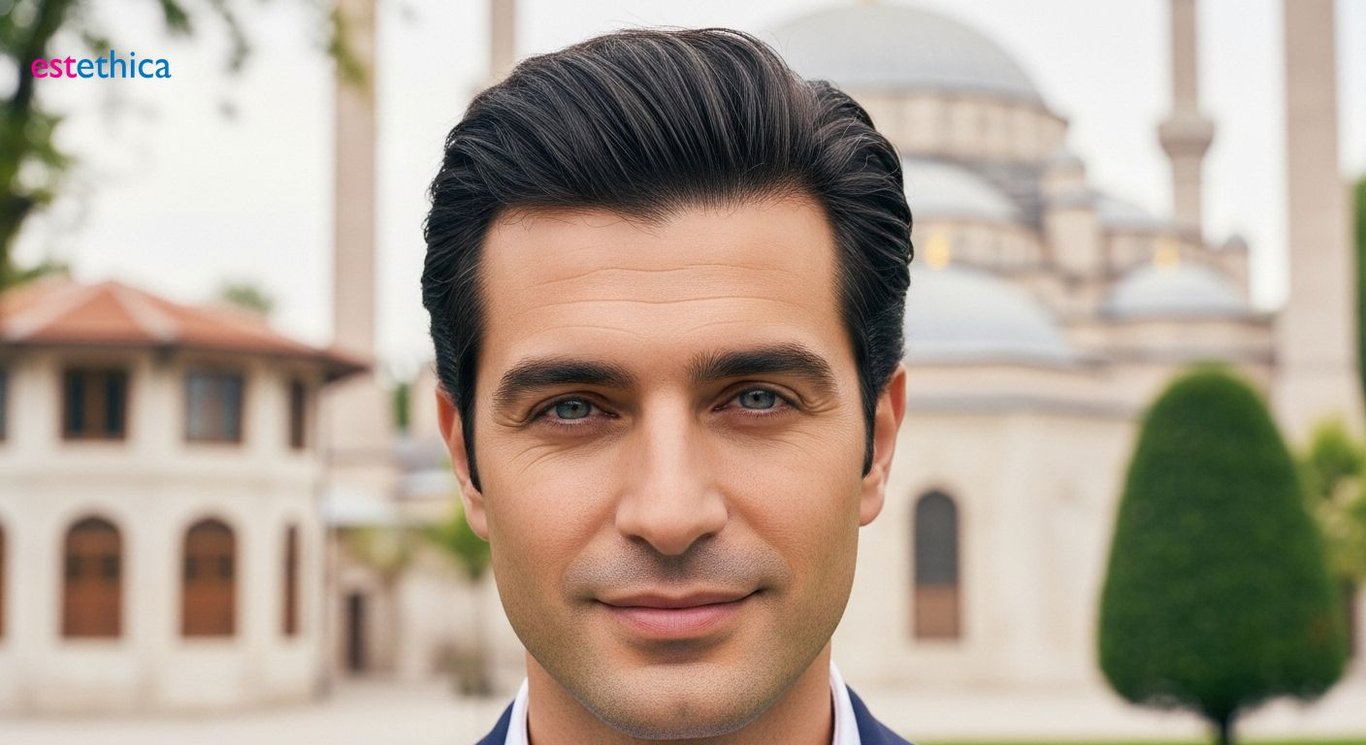
Following your procedure, early results might include some minor scabbing and redness. This is a temporary phase that typically subsides within a couple of weeks. It's important to understand the normal hair transplant process details. A common and expected occurrence is the shedding of transplanted hair within the first month. This shedding is a natural part of the healing cycle and is not indicative of failure. The real magic begins a few months later. New hair growth usually starts to become visible between three to four months post-procedure. You will observe a gradual thickening of the hair over the subsequent six to twelve months. For the final, full results of your hair transplantation, patience is key, as it can take approximately twelve to eighteen months.
Comparing Key Hair Transplant Approaches
When considering your options, understanding the nuances between different methods is crucial. While both FUE and DHI aim for natural density, slight variations exist in their application and immediate post-operative stages. The success of any hair transplant hinges not only on the chosen technique but critically on the surgeon's expertise, the quality of donor grafts, and diligent adherence to post-operative care instructions. For those seeking to delve deeper into achieving permanent, natural-looking results, consider reading Hair Transplant: Achieve Permanent, Natural-Looking Results, which offers further insights.
Ultimately, the choice between these advanced techniques, alongside personalized care, contributes to achieving optimal outcomes for your hair transplantation journey. The field offers increasingly sophisticated and effective hair transplant options for those seeking to restore their hair and confidence. Exploring these possibilities can lead to discovering the best hair transplant solutions tailored to individual needs.
Effective Hair Loss Solutions for Natural Hair Growth
While surgical procedures offer the most definitive results for significant hair thinning, a variety of non-surgical options can effectively complement the process or serve as primary treatments, especially in the early stages of hair loss. Understanding the underlying causes of your shedding is the crucial first step in selecting the most appropriate strategy for promoting natural hair growth. Many individuals explore these avenues before or in conjunction with considering a hair transplant.
Non-Surgical Approaches to Stimulate Growth
Several medical and therapeutic interventions are designed to slow down hair thinning and encourage renewed growth. Topical treatments, often containing minoxidil, work by increasing blood flow to the scalp and prolonging the growth phase of hair follicles. Oral medications, such as finasteride, can be effective in preventing further hair loss by blocking the hormone dihydrotestosterone (DHT), a common culprit in male pattern baldness. Low-level laser therapy (LLLT) is another promising approach, utilizing specific wavelengths of light to stimulate cellular activity within the follicles, leading to thicker and denser hair over time. These methods can be particularly beneficial for individuals experiencing mild to moderate hair loss and can significantly enhance the overall outcome when integrated with a more comprehensive plan, potentially even improving the density achieved after a hair transplant.
A Holistic Strategy for Hair Restoration
For those seeking to restore lost hair, a multifaceted approach often yields the best results. Combining medical treatments with lifestyle adjustments can create an optimal environment for hair to thrive. It's also worth noting that these principles extend to other aesthetic concerns, such as restoring facial hair. For instance, options like Eyebrow Transplant: Achieve Fuller, Natural Brows Permanently highlight how targeted procedures can dramatically improve appearance. When the goal is significant rejuvenation of the scalp, surgical hair transplantation remains a leading option. Techniques like follicular unit extraction (FUE) and direct hair implantation (DHI) are sophisticated methods for achieving natural-looking and permanent results. The decision to pursue surgical hair transplantation is a significant one, and understanding the nuances of the hair transplant process details is essential. A thorough consultation with a specialist can help determine the most suitable course of action, whether it involves medical management, surgical intervention, or a combination of both, to achieve your desired hair density and vitality. Ultimately, the best hair transplant solutions are tailored to the individual's specific needs and expectations, ensuring a successful and satisfying outcome from the hair transplantation journey.
FUE and DHI: Advanced Hair Transplant Methods for Natural Results
Understanding FUE hair transplantation involves its minimally invasive nature, where individual follicular units are expertly extracted and meticulously reimplanted. This advanced technique is a cornerstone of modern hair restoration, ensuring precision and a natural-looking density.
Exploring DHI, a refined evolution of FUE, highlights its unique implantation tool that allows for precise depth, angle, and direction control. This method further enhances the natural aesthetic of the transplanted hair, offering patients a superior outcome.
Our approach to hair restoration is built upon a deep understanding of these sophisticated procedures. We prioritize comprehensive patient assessment to tailor the best hair transplant methods, ensuring each individual receives personalized care.
The expertise lies in carefully navigating the hair transplant process, from initial consultation to post-operative recovery, guaranteeing a smooth and effective journey towards fuller hair. We are dedicated to providing the latest hair transplant solutions available today.
Your Hair Transplant Journey: From Consultation to Exceptional Results
The hair transplant process begins with a comprehensive consultation, where our specialists meticulously assess your unique needs. This foundational step ensures a personalized treatment plan designed for optimal success.
Following your procedure, early results might include some minor scabbing and redness, which are normal parts of the healing process. Diligent post-operative care is essential for optimal healing and the successful growth of transplanted hairs, ensuring a smooth recovery.
Understanding the nuances between different hair transplant approaches is crucial for achieving your desired transformation. We guide you through comparing key hair transplant methods to make an informed decision about your hair restoration.
Ultimately, the choice between these advanced techniques, alongside personalized care, contributes to achieving optimal outcomes for your hair transplantation journey. We are committed to helping you book a hair transplant that delivers the results you envision.