


Revolutionize the way you see yourself with cutting-edge hair transplant methods. Enroll today and step closer to a fuller, rejuvenated head of hair.
Discover the latest breakthroughs in hair transplantation, offering you the chance to regain not only your hair but also your self-assurance. Hair loss can be a challenging issue, affecting not just your appearance but your self-esteem as well. Thankfully, with today’s advanced hair restoration methods, including the cherished Follicular Unit Extraction (FUE), there’s no reason to let hair thinning hold you back. Dive into your journey towards a fuller head of hair and renewed confidence with leading-edge transplant techniques.
Understanding Hair Loss Treatment Options: Beyond the Myths
Navigating the Maze of Hair Loss Solutions
Hair loss affects countless individuals, leading them on a quest for effective treatments. The journey can be confusing, filled with misconceptions and an overwhelming amount of information. The key is understanding that hair loss isn't a one-size-fits-all condition. It varies greatly in cause and severity, necessitating personalized treatment plans. Many seek painless unshaven hair transplant, as noted by expert surgeons at because of its comfort and effectiveness.
From topical lotions to advanced surgical procedures, the spectrum of interventions is broad. For example, some individuals find success with over-the-counter minoxidil, while others may require prescription medications to balance hormones. Surgical options, such as hair transplant, offer a more permanent solution for those with significant hair loss. Differentiating between proven treatments and prevailing myths is critical for making informed decisions.
Exploring Effective Hair Loss Treatments
- Topical Treatments: These are often the first line of defense, involving medications applied directly to the scalp. They can stimulate hair growth and reduce inflammation.
- Medications: Oral medications can address underlying hormonal imbalances that contribute to hair loss, potentially slowing or reversing the process.
- Surgical Options: Procedures like follicular unit extraction (FUE) offer a permanent solution by transplanting hair follicles from one area to another.
One study found that early intervention with appropriate hair loss treatment can improve outcomes in 85% of cases. Ultimately, the ideal approach requires a thorough evaluation and consultation with a specialist to determine the most suitable path toward hair restoration.

Follicular Unit Extraction (FUE): The Gold Standard in Hair Restoration
The Precision and Artistry Behind FUE
FUE has rapidly become a preferred method in surgical hair transplant due to its minimally invasive nature and natural-looking results. This method involves extracting individual hair follicles and implanting them in thinning areas, which allows for precise placement and a more natural hair pattern. One key advantage of FUE is the absence of a linear scar, which is common with older strip harvesting techniques. The skill of the surgeon plays a crucial role in determining the success and aesthetic outcome of the procedure. At estethica, surgeons are trained in the latest FUE techniques to ensure optimal results.
The artistry in FUE lies in the meticulous selection and placement of each follicle to mimic natural hair growth patterns. Unlike traditional methods, FUE allows surgeons to harvest hair from different parts of the body, such as the beard or chest, to increase the donor pool. It's a technique that offers both flexibility and precision in addressing hair loss treatment. For patients considering FUE hair transplant, understanding these nuances can significantly improve their confidence in choosing this advanced technique.
Key Advantages of FUE Hair Restoration
- Minimally Invasive: FUE involves small, individual incisions, leading to quicker healing and reduced discomfort.
- Natural Results: Precise follicle placement allows for the creation of natural-looking hairlines and density.
- No Linear Scar: Unlike traditional strip methods, FUE leaves no visible linear scar, making it ideal for those who prefer shorter hairstyles.
Does Hair Transplant Hurt? Separating Fact from Fiction
Understanding Pain Management in Modern Hair Transplant
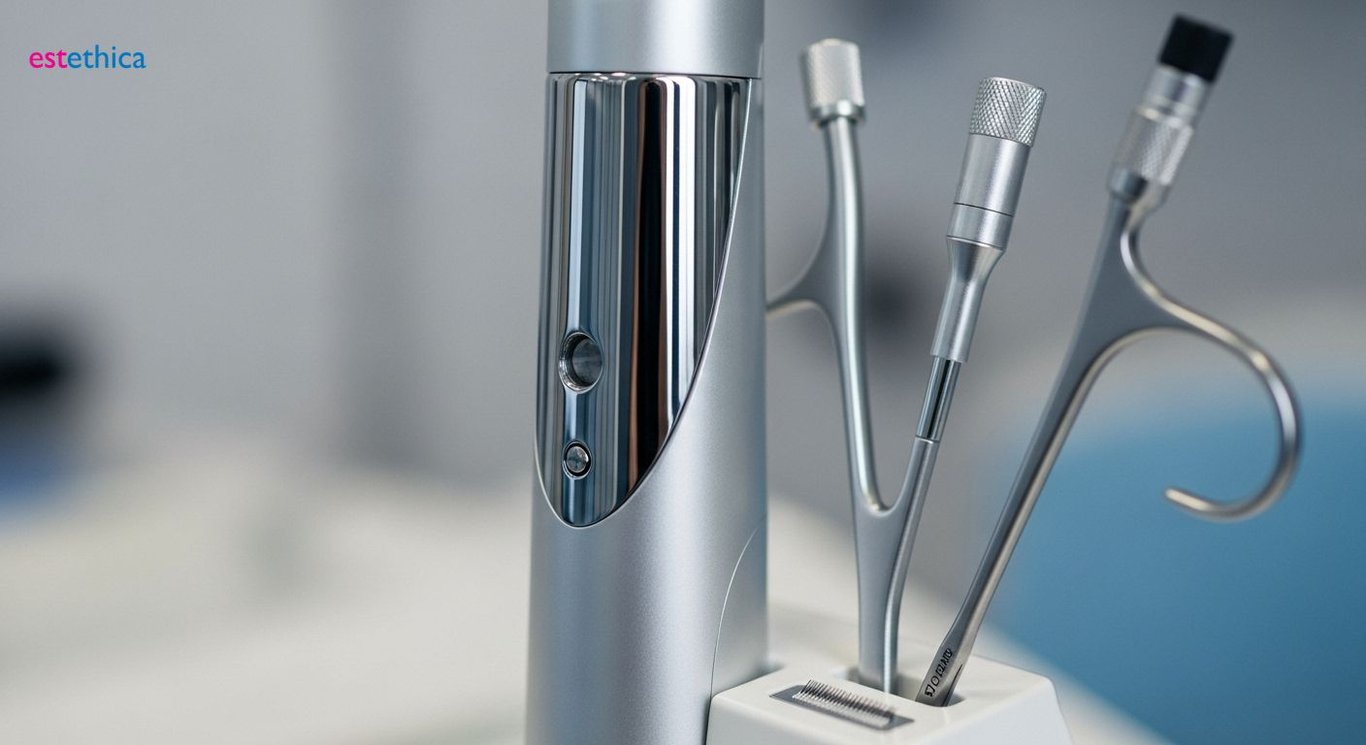
One of the primary worries for people considering a hair transplant is the level of pain involved. However, advancements in medical technology and techniques have significantly reduced discomfort, making the procedure more manageable. Local anesthesia is used to numb the scalp during the surgery, ensuring patients feel little to no pain during the follicle extraction and implantation phases. Post-operative pain is often minimal and easily controlled with over-the-counter or prescription pain relievers. Understanding these pain management protocols can alleviate anxiety surrounding the procedure. estethica prioritizes patient comfort through comprehensive pre- and post-operative care.
The perception of pain varies from person to person, but modern hair transplant methods are designed to minimize any possible discomfort. In most cases, patients report feeling pressure or mild sensations rather than sharp pain. The use of advanced technologies like micro-incisions and gentle extraction tools further reduces trauma to the scalp. Moreover, clinics often provide detailed aftercare instructions and support, helping patients manage discomfort effectively at home. Addressing pain concerns proactively helps individuals approach hair restoration with greater confidence and realistic expectations. For example, patients find that following all aftercare directions closely helps to minimize discomfort and promote more rapid healing. Also, keeping the scalp moisturized and avoiding harsh products can prevent irritation, decreasing any feelings of pain or itchiness. Lastly, communicating openly with the medical team will ensure that any pain is addressed promptly.
Strategies for Minimizing Discomfort During and After Hair Transplant
- Anesthesia Management: Ensures the scalp is fully numbed during the procedure to eliminate pain.
- Advanced Techniques: Micro-incisions and gentle extraction tools minimize trauma to the scalp, reducing post-operative discomfort.
- Comprehensive Aftercare: Detailed instructions and support help patients manage discomfort effectively at home.

Long-Term Hair Thinning Solutions: Maintaining a Fuller Head of Hair
Sustaining Hair Restoration Results Over Time
Achieving thicker hair through a hair transplant is a significant step, but it's just the beginning of a long-term commitment. Maintaining those results requires a comprehensive strategy that includes lifestyle adjustments, consistent hair care routines, and, potentially, follow-up treatments. The success of a hair transplant extends far beyond the initial procedure. It necessitates adopting practices to protect both the transplanted and existing hair. These efforts are essential for ensuring the investment in hair transplant yields lasting satisfaction and a fuller, healthier head of hair for years to come. estethica's holistic approach emphasizes this long-term care.
Proper hair care is key to long-term success. Gentle washing techniques, avoiding harsh chemicals, and protecting the scalp from sun exposure can all contribute to the longevity of the transplant. Regular scalp massages can improve circulation. In addition, a balanced diet rich in vitamins and minerals supports overall hair health. Follow-up treatments, such as low-level laser therapy or medications, may also be recommended to stimulate hair growth and prevent further hair loss. By integrating these practices, individuals can safeguard their investment and enjoy the aesthetic and psychological benefits of a fuller head of hair for many years.
Essential Practices for Prolonging Hair Transplant Outcomes
- Gentle Washing: Using mild shampoos and conditioners helps to protect the transplanted hair follicles from damage.
- Scalp Protection: Shielding the scalp from direct sunlight and extreme weather conditions can prevent premature aging and hair loss.
- Nutrient-Rich Diet: Consuming a balanced diet with essential vitamins and minerals supports overall scalp health and hair growth.
Transform Your Look: The Ultimate Guide to Hair Transplant
Advanced FUE Hair Restoration: Precision Follicle Placement for Natural-Looking Results
Comprehensive Pain Management Protocols: Ensuring Patient Comfort During and After Hair Transplant
Frequently Asked Questions
What is Follicular Unit Extraction (FUE) and why is it considered a gold standard in hair restoration?
Is a hair transplant procedure painful, and what measures are taken to minimize discomfort?
What are some long-term solutions to maintain a fuller head of hair after a hair transplant?
What options are available for hair loss treatment, and how do I choose the right one?
What are the key benefits of choosing FUE hair transplant over traditional methods?
Transform your beauty and well-being with estethica's expert care and innovative treatments.
📞 Book Your Free Consultation!