


Explore the transformation of your facial hair with a beard transplant, using advanced techniques for a natural look.
The pursuit of the perfect beard has become a popular trend among men, with facial hair transplant procedures gaining traction as an effective solution. This comprehensive guide explores the intricacies of beard transplants, from the innovative techniques like Follicular Unit Extraction to expectations on longevity and results.
Beard Restoration: Unlocking Your Facial Hair Potential
Understanding Beard Restoration Techniques
Beard restoration is transforming the lives of many, offering a tangible solution to those seeking to enhance their facial aesthetics, often reversing the effects of facial hair loss. This procedure goes beyond mere aesthetics, addressing deep-seated concerns about personal appearance and self-esteem. Recent advancements in technology have made the process more refined, ensuring results are both natural and lasting. These techniques allow for precise placement of follicles, mimicking natural growth patterns and achieving desired density.
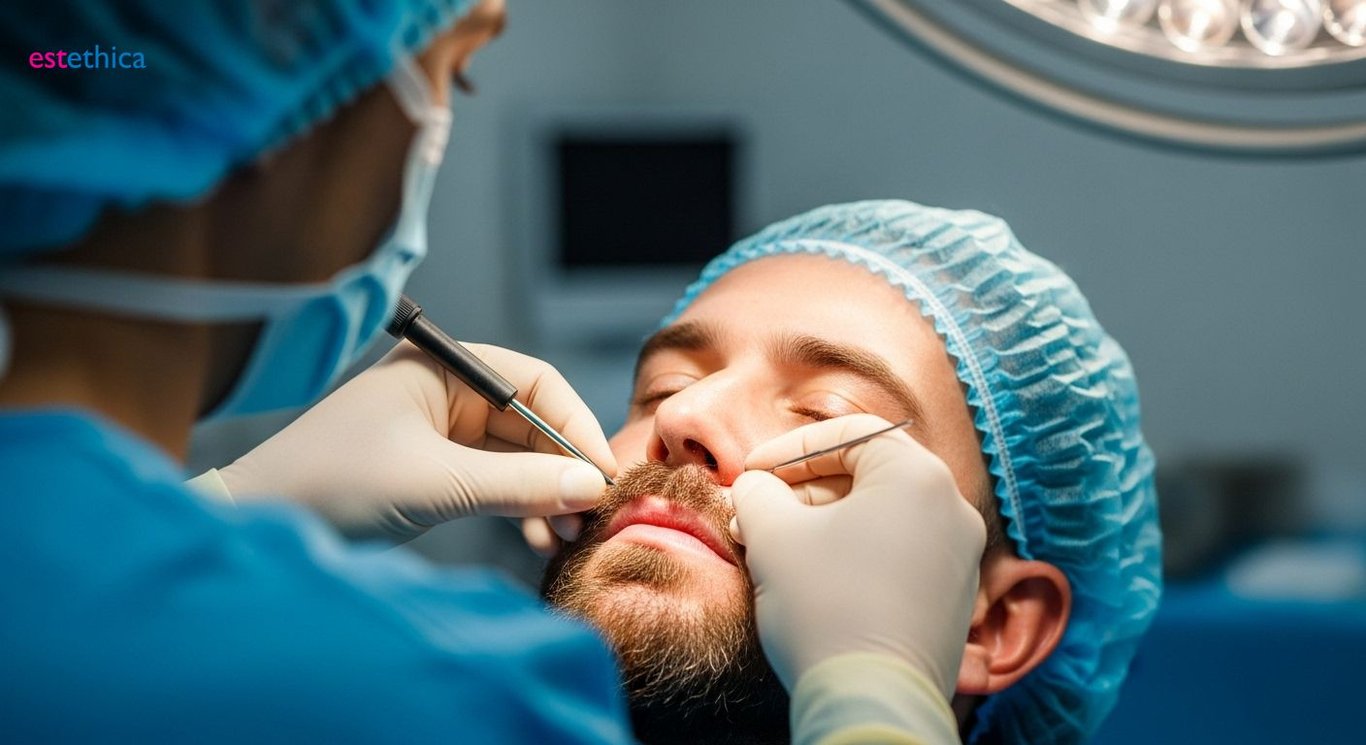
The underlying principle of a beard transplant involves extracting hair follicles from a donor area, typically the back of the scalp where hair is genetically programmed to resist balding. These follicles are then meticulously implanted into the beard area, carefully matching the angle and direction of existing hair for a seamless blend.
Factors Influencing the Success of a Facial Hair Transplant
- Donor Hair Quality: The thickness and density of the donor hair significantly impact the fullness and coverage achievable in the beard area.
- Recipient Site Preparation: Proper preparation of the recipient site ensures optimal blood supply to the newly transplanted follicles, crucial for their survival and growth.
- Surgical Technique: The precision and skill of the surgeon in extracting and implanting follicles greatly affect the naturalness and density of the final result; exploring options like beard transplant can provide insights into the best method.
Furthermore, the artistry involved in the procedure cannot be overstated. A skilled surgeon will meticulously plan the placement of each follicle, taking into account the natural contours of the face and the desired beard style. The goal is to create a beard that not only looks natural but also complements the individual's overall appearance. The success of a beard transplant depends on donor's quality.

Follicular Unit Extraction Beard: The Art of Precision Grafting
Advantages of Choosing Follicular Unit Extraction for Facial Hair
Follicular Unit Extraction (FUE) is heralded for its precision and minimally invasive nature. This method involves extracting individual hair follicles from a donor area and strategically placing them onto the beard region. This artful grafting ensures minimal scarring and a natural look, making it a popular choice for those seeking facial hair transplant. The FUE technique also allows for the selection of the finest hair follicles, closely matching the texture and color of existing facial hair, resulting in a seamless integration.
Skilled surgeons at estethica take into account the natural direction and angle of hair growth while implanting each follicle. This attention to detail is vital for achieving a beard that not only looks natural but also feels authentic. With FUE, recipients can expect a more comfortable recovery period and faster healing times compared to traditional transplant methods. The use of specialized micro-punches ensures minimal trauma to the donor area, preserving the aesthetic integrity of the scalp.
Key Considerations for a Successful FUE Beard Transplant
- Donor Area Assessment: A thorough evaluation of the donor area is crucial to determine the number and quality of available hair follicles, ensuring sufficient coverage for the beard area.
- Beard Design: The design of the new beard should complement the individual's facial features and desired aesthetic, considering factors such as density, shape, and growth direction.
- Post-operative Care: Adhering to post-operative care guidelines is essential for optimal healing and graft survival, ensuring the longevity and success of the beard restoration.
Beard Transplant Before and After: Witnessing Transformation
Visualizing the Transformation with Before and After Photos
Witnessing the transformation through before and after photos dramatically showcases the potential of a beard transplant. Prospective patients gain clear insights into what's achievable regarding hair density and facial hair coverage. These visual aids vividly display the enhancements possible through beard restoration. These images capture the life-changing impact of the procedure, inspiring confidence and setting realistic expectations.
Beard transplants significantly alter appearances by filling in sparse areas or creating entirely new beards. The "before" shots reveal the initial state, often characterized by patchiness or complete absence of facial hair. "After" photos highlight the restored beard, revealing fuller, denser growth that complements the individual’s features. Such transformations not only modify physical appearance but also enhance self-esteem.
Understanding the Beard Transplant Recovery Timeline
- Immediate Post-Op (1-7 Days): Expect redness, swelling, and minor discomfort in both the donor and recipient areas. Following post-operative care instructions is vital.
- Initial Growth Phase (2-4 Weeks): The transplanted hairs will shed, which is a normal part of the process, making way for new growth.
- Full Growth Realization (9-12 Months): Noticeable beard growth begins around three to four months, with full results visible around nine to twelve months as the new hair integrates and matures.
The journey of a beard transplant involves both patience and adherence to post-operative guidelines. The initial weeks may present temporary changes. However, the eventual outcome results in a permanently enhanced beard. After the procedure, it's essential to follow the specific advice from professionals at clinics like estethica, ensuring optimal healing and hair integration. With proper care, the restored beard enhances and transforms the patient’s appearance and confidence, showcasing the success of modern beard restoration.
- Realistic Expectations: Comprehending the expected outcomes through before and after photos helps maintain realistic expectations.
- Inspiration and Motivation: Seeing others' success stories can inspire candidates and motivate them to proceed with the procedure.
- Choosing the Right Clinic: Visual evidence aids in selecting a clinic known for delivering excellent, natural-looking results.

Is a Beard Transplant Permanent? Longevity and Expectations
Maximizing the Lasting Impact of Facial Hair Transplant
One of the most common inquiries about beard transplants pertains to their permanence. While results can vary, many patients enjoy long-lasting results with proper care. Understanding the factors influencing transplant longevity, such as aftercare and genetics, helps set realistic expectations for those considering this investment in their appearance. The transplanted hair is typically resistant to the effects of DHT, the hormone responsible for hair thinning, ensuring its survival.
The longevity of a beard transplant depends on several factors, primarily the quality of the donor hair and the expertise of the surgical team. At clinics like estethica, meticulous attention is paid to selecting the best follicles and ensuring their successful implantation. Additionally, lifestyle factors, like diet and skincare, play a crucial role in maintaining the health of the transplanted hair.
Essential Practices for Prolonging Beard Transplant Results
- Consistent Skincare Routine: Regular cleansing and moisturizing help maintain a healthy skin environment, promoting hair growth and preventing follicle damage.
- Healthy Lifestyle Choices: A balanced diet rich in vitamins and minerals supports hair health, while avoiding smoking and excessive alcohol consumption can prevent hair loss and thinning.
- Following Post-Transplant Guidelines: Adhering to the clinic’s aftercare instructions, including medication and follow-up appointments, is crucial for ensuring optimal graft survival and long-term results.
The durability of a beard transplant often leads to increased density and a fuller appearance, enhancing overall facial aesthetics. To maintain these results, proper grooming habits, such as regular trimming and conditioning, are essential. With the right care and attention, a beard transplant can provide lasting satisfaction and a significant improvement in appearance.
- Genetic Predisposition: Individual genetics play a significant role in determining hair growth patterns and longevity, which should be considered during initial consultations.
- Quality Hair Follicles: Utilizing healthier and more resilient hair follicles during the transplant process ensures improved long-term growth and retention.
- Proper Aftercare: Comprehensive post-operative care, including prescribed medications and gentle cleansing, greatly enhances the survival and vitality of transplanted hair follicles.
Transform Your Look: The Ultimate Beard Transplant Guide
Precision FUE Beard Transplants for Natural-Looking Facial Hair Restoration
Extending The Effects of Facial Hair Transplants with Personalized Care
Frequently Asked Questions
What is beard restoration and how does it unlock facial hair potential?
What are the key advantages of Follicular Unit Extraction (FUE) for beard transplants?
What is the typical recovery timeline after a beard transplant?
Is a beard transplant permanent, and what factors influence its longevity?
What post-transplant practices help prolong the results of a beard transplant?
Achieve your aesthetic goals with estethica's advanced surgical and non-surgical solutions.
📞 Schedule Your Free Consultation!