

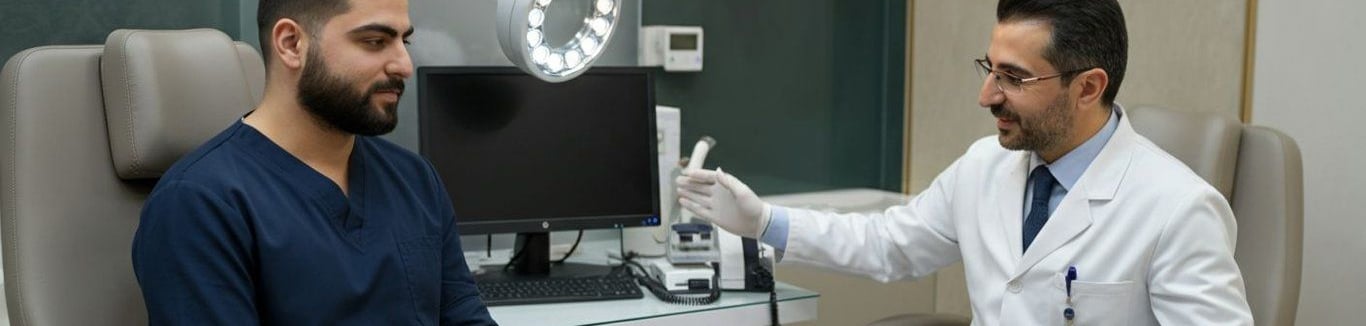
Achieve permanent hair restoration with advanced transplant techniques at estethica.
Hair loss is a common concern that affects many individuals globally, impacting self-confidence and aesthetics. Fortunately, the advancements in medical science offer a variety of effective solutions for those seeking permanent recovery from hair loss. Hair transplants, particularly through techniques like Follicular Unit Extraction (FUE) and Direct Hair Implantation (DHI), provide promising results. estethica, renowned for its expertise in medical aesthetics, utilizes cutting-edge technology and methods to ensure natural and lasting outcomes for patients. This blog explores the intricacies of hair transplant surgery, available techniques, and the comprehensive post-operative care necessary for sustained success.
Understanding Hair Transplant Surgery: What to Expect
Preparing for Your Hair Transplant Journey
Embarking on a hair transplant journey requires thorough preparation. Understanding the procedure is crucial for achieving optimal results. Hair transplant surgery involves relocating healthy hair follicles from a donor area to a balding or thinning area. At estethica, advanced methods like Follicular Unit Extraction (FUE) and Direct Hair Implantation (DHI) are employed to ensure minimal scarring and faster recovery. These techniques offer a permanent hair solution, making them popular choices for those seeking natural hair restoration.
Steps to Prepare for Hair Transplant Surgery
- Consultation: Discuss your goals and medical history with a qualified surgeon.
- Pre-Procedure Instructions: Follow guidelines such as avoiding alcohol and certain medications.
- Mental and Physical Preparation: Ensure you are in good health and have realistic expectations.
Following these steps can significantly enhance the success of your hair transplant surgery. For more insights into the process, explore Unlocking Hair Transplant Secrets: Your Path to Confidence.
Key Benefits of Advanced Hair Transplant Techniques
- Minimal Scarring: Techniques like FUE and DHI reduce visible scarring.
- Faster Recovery: Patients often experience quicker healing times.
- Natural Results: Advanced methods ensure a natural-looking hairline.
These benefits make hair transplant surgery a viable option for those seeking effective hair restoration. By choosing the right clinic and following pre-procedure instructions, you can achieve the desired outcome and regain confidence.
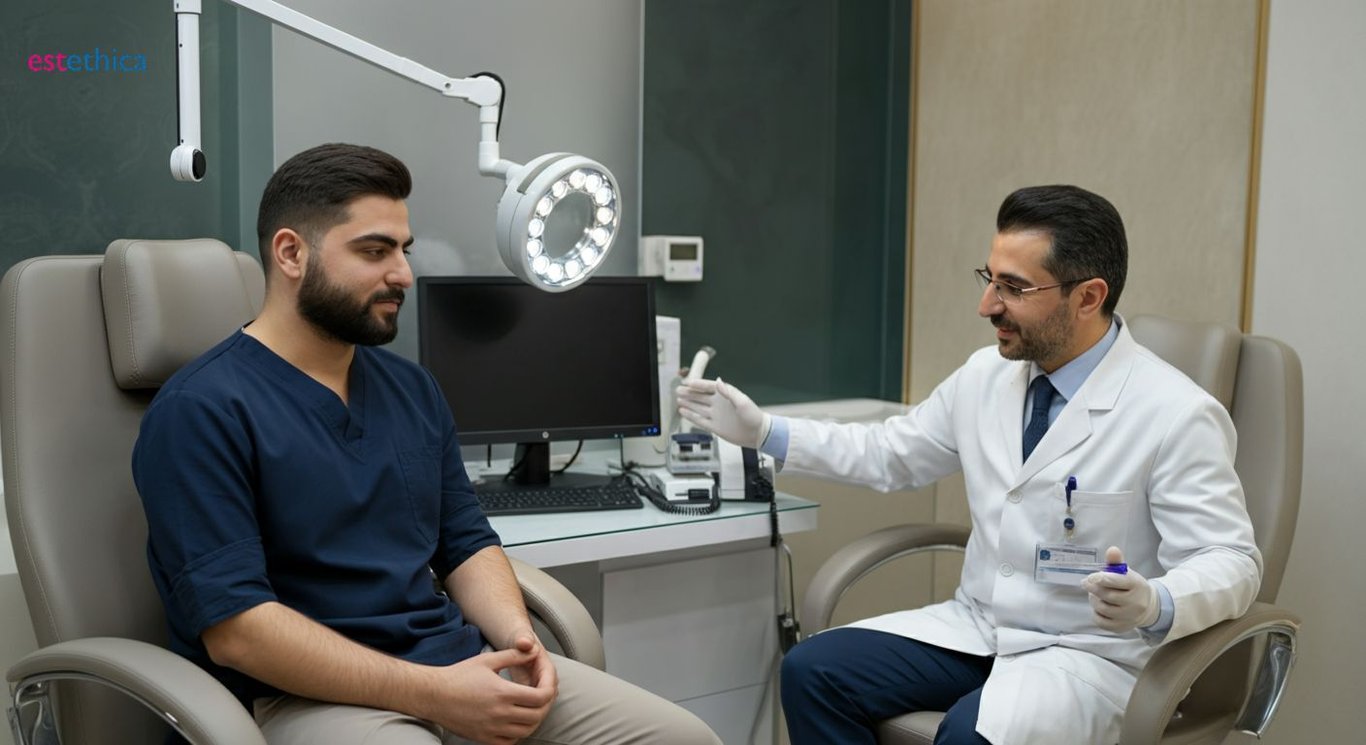
Exploring Hair Restoration Techniques: FUE and More
Choosing the Right Hair Restoration Technique
When considering hair restoration, selecting the appropriate technique is crucial for achieving desired results. Follicular Unit Extraction (FUE) and Direct Hair Implantation (DHI) are two prominent methods offered at estethica. FUE involves extracting individual hair follicles using fine instruments, making it minimally invasive. In contrast, DHI employs a specialized implanter pen, allowing for precise placement of hair follicles. The choice between these techniques depends on individual needs, such as the extent of hair loss and personal preferences.
Factors Influencing Technique Selection
- Extent of Hair Loss: Determines the number of grafts needed.
- Desired Outcome: Influences the choice between natural density and specific hairline design.
- Recovery Time: FUE generally offers quicker healing compared to DHI.
Understanding these factors can guide patients in choosing the most suitable hair restoration technique. For instance, those seeking a natural hairline may prefer DHI, while FUE might be ideal for those prioritizing minimal recovery time. Both techniques aim to provide a permanent hair solution, enhancing patient satisfaction and confidence.
Understanding the Impact of Technique Choice on Results
- Initial Consultation: Discuss potential outcomes and preferences with a specialist.
- Technique Selection: Choose based on individual needs and desired results.
- Post-Procedure Care: Follow specific guidelines to ensure optimal healing and results.
By carefully considering these steps, patients can achieve the best possible outcomes from their hair restoration journey. The choice of technique not only affects the appearance of results but also impacts overall patient satisfaction and confidence. At estethica, expert guidance ensures that each patient receives a tailored approach to meet their unique needs.
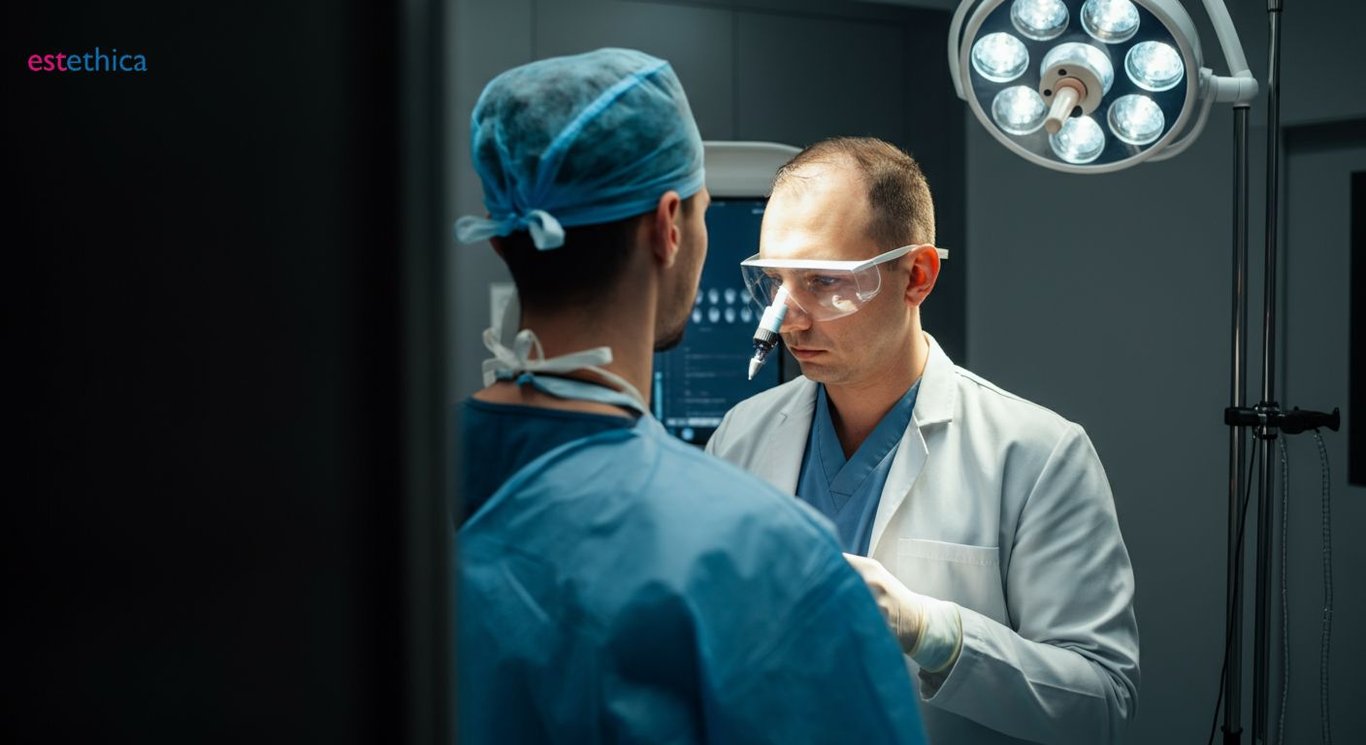
How to Prepare for a Successful Hair Transplant
Enhancing Scalp Health for Optimal Results
Maintaining a healthy scalp is crucial for a successful hair transplant. A well-nourished scalp promotes better graft survival and faster healing. Incorporating a balanced diet rich in vitamins and minerals can significantly improve scalp health. For instance, foods high in omega-3 fatty acids, such as salmon and walnuts, support hair growth and scalp hydration. Additionally, regular scalp massages can enhance blood circulation, providing essential nutrients to hair follicles. Avoiding harsh hair products and excessive heat styling also helps maintain a healthy scalp environment.
Lifestyle Adjustments for Better Healing
Adopting certain lifestyle changes can enhance the healing process post-hair transplant. It's advisable to quit smoking and limit alcohol consumption before and after the procedure, as these habits can impede blood flow and delay recovery. Engaging in regular physical activity, such as walking or yoga, can boost circulation and overall well-being. Moreover, managing stress through mindfulness practices or hobbies can positively impact hair health. These adjustments not only support the healing process but also contribute to the long-term success of the hair restoration journey.
Key Considerations for Hair Transplant Success
- Consult with a qualified specialist to determine the best technique for your needs.
- Follow pre-procedure guidelines, such as avoiding certain medications.
- Maintain realistic expectations about the outcomes of the surgery.
By considering these factors, patients can enhance their chances of a successful hair transplant. A thorough consultation with an estethica specialist ensures that the chosen technique aligns with individual goals and scalp conditions. This personalized approach is key to achieving natural-looking results and boosting confidence.
Steps to Ensure a Smooth Recovery
- Follow post-operative care instructions provided by your surgeon.
- Avoid strenuous activities that may affect the healing process.
- Attend follow-up appointments to monitor progress and address concerns.
Adhering to these steps can significantly improve recovery outcomes after a hair transplant. Proper post-operative care, including gentle hair washing and avoiding direct sunlight, is essential for protecting newly transplanted grafts. Regular follow-ups with your specialist ensure that any issues are promptly addressed, contributing to the overall success of the procedure.
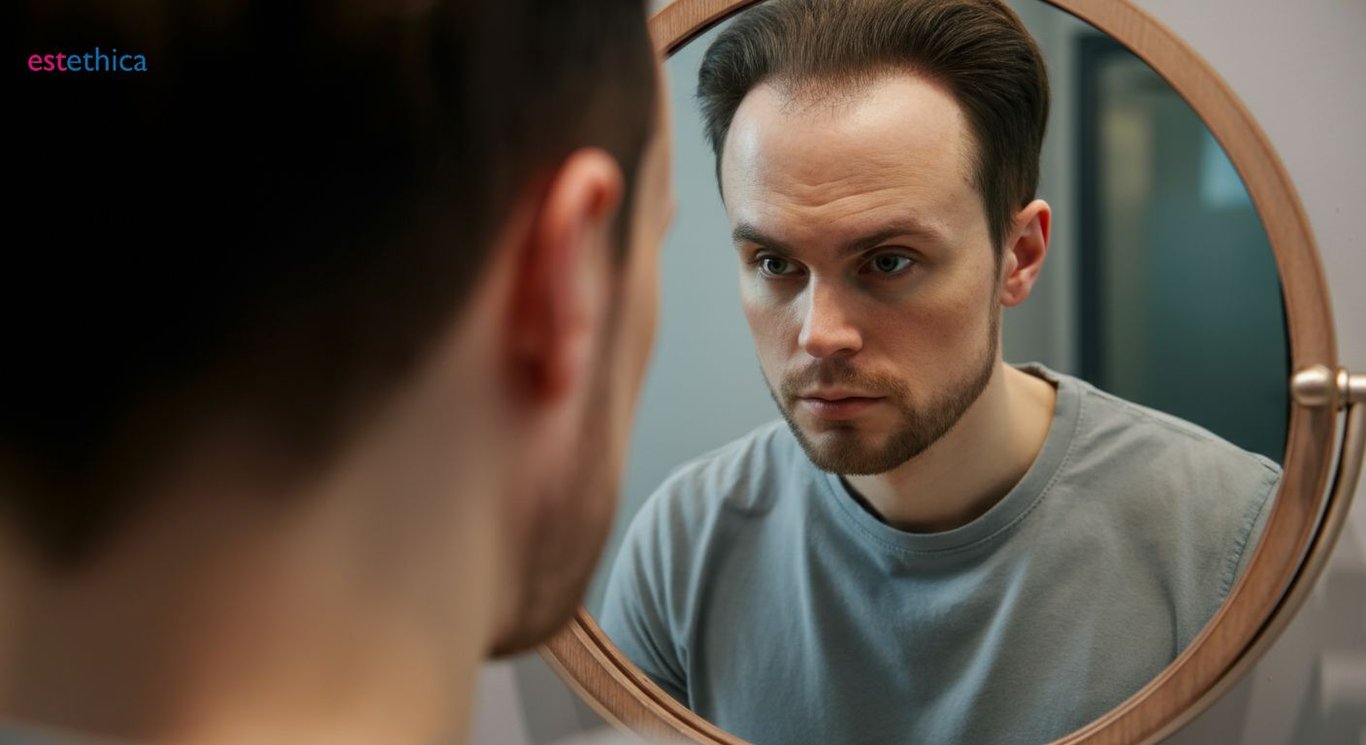
Post-Transplant Care: Ensuring Long-Lasting Results
Essential Post-Transplant Care Practices
Post-transplant care is crucial for the success of hair transplant surgery. At estethica, personalized aftercare strategies are provided, including the use of patented creams and PRP treatments to support healing. Protecting the scalp from direct sunlight and following specific washing instructions are vital steps. For instance, using a gentle, sulfate-free shampoo can prevent irritation and promote healing. Additionally, attending follow-up appointments allows for monitoring progress and addressing any concerns, ensuring the transplanted hair integrates seamlessly.
Key Steps for Effective Aftercare
- Protect the Scalp: Wear a hat or use sunscreen to shield the scalp from UV rays.
- Follow Washing Instructions: Use recommended products and techniques to clean the scalp gently.
- Attend Follow-Up Appointments: Regular check-ups help track healing and address any issues.
These steps are essential for maintaining the health of newly transplanted hair. By adhering to these guidelines, patients can enhance the longevity and appearance of their hair restoration results.
Benefits of Personalized Aftercare
- Accelerated Healing: Customized treatments promote faster recovery and reduce downtime.
- Improved Hair Integration: Personalized care ensures transplanted hair blends naturally with existing hair.
- Long-Term Success: Ongoing support and monitoring contribute to lasting results.
Personalized aftercare not only supports immediate recovery but also plays a significant role in the long-term success of hair transplant surgery. By choosing a clinic like estethica, patients receive tailored care that addresses their unique needs, ensuring optimal outcomes and satisfaction.
Advanced Hair Restoration Techniques: FUE and DHI
Comprehensive Post-Transplant Care for Lasting Results
Frequently Asked Questions
What are the main differences between FUE and DHI hair transplant techniques?
How should I prepare for a hair transplant to ensure the best results?
What post-transplant care is necessary for long-lasting results?
How does estethica ensure natural-looking results in hair restoration?
What lifestyle changes can improve the success of a hair transplant?
Discover the path to 'Healthy Beauty' with estethica's expert care. Call now for your free consultation and take the first step towards a more confident you!
📞 Call for Your Free Consultation