


Discover comprehensive information on facelift procedures for effective facial rejuvenation, covering surgical and non-surgical options, and the essential facelift recovery process.
Are you considering ways to refresh your appearance and combat the visible signs of aging? A facelift, also known as rhytidectomy, is a highly sought-after surgical procedure designed for facial rejuvenation. It aims to tighten underlying facial muscles and redrape the skin to diminish sagging, wrinkles, and jowls, ultimately restoring a more youthful contour. This guide delves into the nuances of facelift procedures, explores non-surgical alternatives, and outlines what to expect during the facelift recovery process. Whether you're curious about what a facelift entails or how long the facelift healing process typically takes, we've got you covered.Understanding Surgical Facelift Procedures
Surgical facelift procedures are highly individualized, meticulously designed to address the specific signs of aging and achieve desired aesthetic outcomes. Among the various approaches, the traditional facelift remains the most recognized. This comprehensive procedure is adept at tackling sagging skin and volume loss in the mid-face, the formation of jowls, and the appearance of a lax neck. The surgical technique involves carefully placed incisions, typically concealed within the hairline and around the contours of the ears. This strategic placement allows the surgeon to access and carefully reposition the deeper underlying facial tissues, effectively restoring a more youthful contour, followed by the removal of any excess skin that has lost its elasticity.
Exploring Different Facelift Techniques
Beyond the traditional method, variations exist to cater to different needs. The mini facelift, for instance, is a less invasive option. It is particularly well-suited for individuals who exhibit less pronounced signs of aging or are seeking a more subtle lift. This technique often involves shorter incisions and can lead to a quicker recovery period compared to its traditional counterpart. For those looking for comprehensive facial rejuvenation, a facelift can be seamlessly integrated with other cosmetic procedures. Common additions include a brow lift or eyelid surgery (blepharoplasty). Combining these procedures allows for a more complete and harmonious transformation, addressing multiple areas of the face simultaneously. Each surgical facelift is planned with precision, aiming not just to tighten skin but to enhance natural bone structure and soft tissue support, resulting in a refreshed and naturally youthful appearance.
The goal of these surgical interventions is to create a balanced and aesthetically pleasing outcome that reflects a more rested and vibrant version of the individual. It's about achieving a look that is both improved and authentic, avoiding any artificial or overdone results. The skilled application of these techniques ensures that the improvements are evident while remaining natural-looking, a hallmark of successful facial rejuvenation.
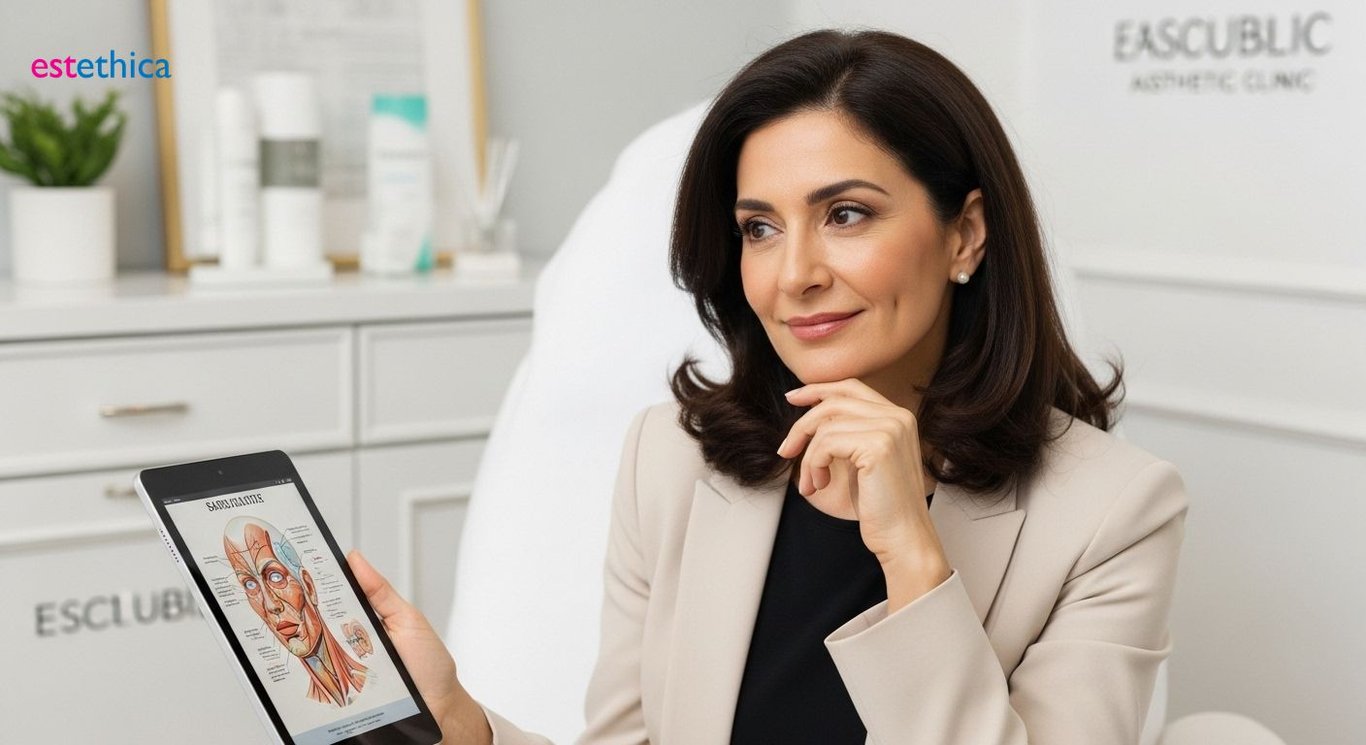
Exploring Non-Surgical Facelift Options for a Refreshed Look
For individuals seeking a revitalized appearance without undergoing invasive surgery, a diverse array of non-surgical treatments are readily available. These modern alternatives offer varying degrees of enhancement and typically involve significantly less downtime compared to traditional surgical interventions. Many of these procedures work by subtly yet effectively addressing common signs of aging, such as fine lines, wrinkles, volume loss, and mild skin laxity. They represent a fantastic pathway for those looking for a noticeable improvement in their facial aesthetics, offering a less intensive approach than comprehensive surgical facelift procedures.
Injectables for Volume and Smoothness
One of the most popular categories of non-surgical rejuvenation involves injectables. Dermal fillers, expertly administered, can effectively restore lost volume in areas that tend to deflate with age, such as the cheeks and lips. This restoration of fullness can lift and contour the face, creating a more youthful and refreshed profile. Alongside fillers, neuromodulators, commonly known by brand names like Botox, play a crucial role in softening dynamic wrinkles – those caused by facial expressions. By temporarily relaxing specific muscles, these injectables smooth out frown lines, crow's feet, and forehead creases, contributing significantly to a more relaxed and rejuvenated facial appearance. The combined use of these injectables can create a subtle yet impactful lift, mirroring some of the effects sought after in a traditional facelift.
Energy-Based Devices and Advanced Technologies
Beyond injectables, a range of energy-based treatments are revolutionizing the landscape of facial rejuvenation. Technologies utilizing ultrasound and radiofrequency energy are designed to penetrate the deeper layers of the skin. These devices work by delivering controlled heat, which stimulates the body's natural collagen production process. Over time, this increased collagen leads to firmer, tighter skin and an improvement in overall skin texture and tone. These treatments are particularly effective for addressing mild to moderate skin sagging and can provide a noticeable lift to areas like the jawline and eyebrows. For those interested in understanding the broader spectrum of facial enhancement, exploring the full details of Facelift & Facial Rejuvenation: Unlocking Timeless Beauty can offer valuable insights into both surgical and non-surgical avenues.
Minimally Invasive Lifting with Threads
Another innovative approach within the non-surgical realm is the thread lift. This minimally invasive technique uses fine, dissolvable threads that are carefully inserted beneath the skin. These threads have small cones or barbs that anchor to the underlying tissues, allowing practitioners to gently lift and reposition sagging skin. As the threads are gradually absorbed by the body, they also stimulate collagen production, further enhancing skin firmness and elasticity. Thread lifts are an excellent option for targeting specific areas of concern, such as jowls and drooping eyebrows, providing a noticeable lift without the extensive recovery associated with surgical facelift procedures.
Navigating the Facelift Recovery Process
Embarking on the journey of facial rejuvenation through a facelift is an exciting prospect, but understanding the recovery period is paramount to achieving optimal results. Immediately following your procedure, expect a period of adjustment as your body begins the healing process. Swelling, bruising, and some discomfort are common and are typically managed effectively with prescribed pain medication and the use of cold compresses. Your surgeon may also place temporary drainage tubes to assist in preventing fluid accumulation under the skin. To aid in minimizing swelling and promoting healing, it's strongly recommended to rest with your head elevated.
Immediate Post-Operative Care and Initial Healing
The initial phase of recovery is critical. While the most visible signs of swelling and bruising often begin to subside within one to two weeks, this initial period requires diligent attention to your surgeon's instructions. These directives will cover essential aspects such as appropriate activity levels, meticulous wound care to prevent infection, and adherence to follow-up appointment schedules. Returning to normal activities gradually is key; strenuous exercise and significant physical exertion should be avoided for several weeks to protect the healing tissues and prevent complications. Understanding what to expect during these early days can alleviate anxiety and ensure a smoother transition back to your daily routine.
Long-Term Recovery and Final Results
While the immediate aftermath of surgical facelift procedures might seem daunting, the full extent of healing and the final aesthetic outcomes develop over several months. As the tissues settle and internal healing continues, the natural-looking results of your procedure will become more apparent. Patience is a virtue during this phase; the body requires time to fully integrate the changes. Maintaining a healthy lifestyle, including proper nutrition and sun protection, will also contribute to the longevity and quality of your results. Regular check-ins with your surgeon will allow them to monitor your progress and address any concerns you may have, ensuring you are on the path to enjoying your refreshed appearance.
What to Expect: A Comprehensive Overview of Facelift Surgery
Embarking on the journey of a facelift involves understanding the entire process, from initial consultation to the final reveal of your rejuvenated appearance. This transformative procedure, while exciting, requires thorough preparation and realistic expectations. The initial consultation is a cornerstone of this process, serving as a crucial opportunity to discuss your aesthetic aspirations, medical history, and lifestyle with your surgeon. During this meeting, the surgeon will meticulously assess your facial anatomy to determine if you are an ideal candidate for the procedure. They will also clearly explain the various techniques available, potential risks associated with the surgery, and the predicted outcomes, ensuring you have a complete picture of what is involved. For those curious about the nuances of different approaches, you can Discover the Art of Facelift Surgery for Natural Beauty, which delves into the artistry and precision behind achieving natural-looking results.
The Surgical Journey and Immediate Aftermath
On the day of your procedure, you will receive anesthesia to ensure your comfort throughout the surgery. Following the administration of anesthesia, the carefully planned surgical facelift procedures will commence. These interventions are designed to address signs of aging by tightening underlying structures and repositioning skin to create a smoother, more youthful contour. Once the surgical facelift procedures are completed, you will be transferred to a recovery area for close monitoring as you begin to awaken from anesthesia. Depending on the specifics of your surgery and your recovery, you will typically be able to return home the same day, accompanied by a trusted friend or family member. Post-operative care instructions will be thoroughly provided, outlining necessary steps to ensure a smooth transition into the healing phase.
Navigating the Recovery and Embracing the Results
The initial weeks following your procedure are primarily dedicated to managing swelling and bruising, which are normal and expected aspects of the healing process. Your surgeon will provide guidance on pain management and recommend strategies to minimize these temporary effects. Gradually, you will be able to resume your normal daily activities as your body heals and the discomfort subsides. While noticeable improvements in your appearance often become apparent once the initial swelling begins to dissipate, it is important to understand that the final results of a facelift continue to refine over several months. As the tissues fully settle and integrate, your facial rejuvenation will become more pronounced, revealing a refreshed and revitalized look. Patience during this period is key to appreciating the full extent of your transformation and enjoying the long-lasting benefits of your decision.
Surgical and Non-Surgical Facelift Techniques for Comprehensive Facial Rejuvenation
Surgical facelift procedures, or rhytidectomy, are meticulously designed to address the specific signs of aging, offering targeted facial rejuvenation. These techniques focus on tightening underlying facial muscles and redraping the skin to diminish sagging, wrinkles, and jowls, ultimately restoring a more youthful contour.
For those seeking a revitalized appearance without invasive surgery, a diverse array of non-surgical treatments are readily available. These options include injectables for volume and smoothness, energy-based devices, and minimally invasive thread lifts, all contributing to a refreshed look.
Our expertise encompasses a deep understanding of both traditional surgical facelift procedures and advanced non-surgical alternatives. We are committed to providing individualized treatment plans that achieve balanced and aesthetically pleasing outcomes, reflecting a more rested and vibrant version of each patient.
Navigating the Facelift Recovery Process for Optimal Outcomes
Understanding the facelift recovery process is paramount to achieving optimal results and ensuring patient comfort. The initial phase of recovery is critical, involving careful post-operative care to manage swelling and promote healing.
While the immediate aftermath of surgical facelift procedures might seem daunting, the full extent of healing and the final aesthetic outcomes develop over several months. We provide comprehensive guidance throughout the recovery period, ensuring a smooth transition to enjoying your refreshed appearance.
Patients seeking a more youthful appearance benefit from our detailed overview of facelift surgery, covering everything from the surgical journey to embracing the final results. The process is designed to be as transparent and comfortable as possible, leading to a revitalized look and renewed confidence.