


Uncover the secrets to enhancing your gaze with expert eyelid surgery designed for transformative results.
Eyelid surgery, also known as blepharoplasty, is a transformative procedure designed to rejuvenate your eyes and enhance your facial appearance. By addressing common issues such as drooping eyelids and excess skin, this surgery can significantly improve both aesthetic appeal and vision, boosting your overall confidence. As one of the most popular cosmetic surgeries, blepharoplasty not only combats signs of aging but also provides solutions for congenital and functional eye concerns. At estethica, our commitment to 'Healthy Beauty' ensures that every procedure is tailored to the unique needs of our patients, utilizing cutting-edge technology and the expertise of leading professionals.
Understanding Eyelid Surgery: What is Blepharoplasty?
Exploring the Definition of Blepharoplasty
Blepharoplasty, commonly known as eyelid surgery, is a specialized procedure focused on correcting imperfections around the eyes. This includes addressing droopy skin above eyelid, excess fat, and under-eye bags. The goal is to rejuvenate the eye area, providing a more rested and youthful appearance. It's essential for those considering eyelid rejuvenation to understand that this surgery can significantly impact their overall facial aesthetic.
- Addresses Functional Concerns: Corrects vision impairment caused by drooping eyelids, improving the field of vision.
- Enhances Aesthetic Appearance: Reduces sagging skin and bags around the eyes, offering a refreshed look.
- Customizable Procedure: Can target upper, lower, or both eyelids based on individual needs and cosmetic goals.
Cosmetic eyelid surgery is often sought by individuals experiencing signs of aging around their eyes. For instance, someone noticing saggy skin above eyelids that hinders their vision might opt for an upper eyelid lift. Alternatively, those bothered by persistent under-eye bags might consider lower eyelid surgery. The surgery is also popular among those seeking asian double lid creation to achieve a more defined eyelid crease.
Types and Techniques in Eyelid Correction
Eyelid correction through blepharoplasty involves several techniques tailored to specific concerns. Upper eyelid lift focuses on removing excess skin and fat, thereby lifting droopy eyelids. Lower eyelid surgery, on the other hand, targets under-eye bags and wrinkles. Some patients may also explore non-surgical eyelid lift options if they are not ready for a surgical procedure.
- Initial Consultation: A detailed assessment to understand the patient's goals and determine the best surgical approach.
- Surgical Procedure: Precise removal or repositioning of excess skin and fat to achieve the desired aesthetic outcome.
- Post-operative Care: Following specific instructions to ensure proper healing and minimize the risk of complications during blepharoplasty recovery.
Understanding the nuances of each technique is crucial for patients considering blepharoplasty under eye surgery. The choice depends on factors such as the patient's anatomy, the degree of correction needed, and their desired outcome. For instance, if a patient's primary concern is droopy skin above eyelid, the surgeon might recommend an upper eyelid lift, focusing on removing the excess skin and tightening the underlying tissues. Alternatively, if the patient is bothered by prominent under-eye bags, the surgeon may opt for a lower eyelid blepharoplasty to remove or reposition the excess fat.

Drooping Eyelids: Exploring Options for Ptosis Correction
Understanding Ptosis and Its Impact
Ptosis, or drooping of the upper eyelid, is a condition that can affect one or both eyes, leading to impaired vision and aesthetic challenges. Many individuals seek eyelid correction as part of their eyelid surgery to improve sight and appearance. Causes of ptosis range from genetic factors to aging, or can result from medical conditions or trauma. In fact, approximately 11.5% of adults over 50 experience noticeable ptosis, affecting their daily lives.
- Genetic Predisposition: Some individuals are born with weaker eyelid muscles, leading to ptosis early in life.
- Age-Related Changes: As we age, the levator muscle can stretch or weaken, causing the eyelid to droop.
- Medical Conditions: Certain conditions, such as myasthenia gravis or Horner's syndrome, can affect the nerves and muscles controlling the eyelid, leading to ptosis.
Consider a young adult with congenital ptosis impacting their vision, a middle-aged individual noticing increased droopy skin above eyelid due to aging, or a patient experiencing ptosis post-trauma. Each scenario highlights the diverse origins and impacts of this condition. Recognizing these varied causes is essential for tailored treatment.
Surgical Techniques for Ptosis Correction
Corrective options for ptosis vary depending on the severity of the droop. Surgical interventions may include tightening the levator muscle, the primary muscle responsible for lifting the eyelid. This adjustment aids in repositioning the eyelid to its natural, more elevated position, thereby enhancing vision and aesthetic harmony. A study revealed that 92% of patients who underwent levator muscle tightening reported significant improvement in both vision and eyelid symmetry.
- Levator Resection: Involves shortening the levator muscle to lift the eyelid to the desired position.
- Frontalis Sling: Utilizes the forehead muscles to elevate the eyelid, often used when the levator muscle is weak.
- Müller's Muscle Resection: Removes a portion of Müller's muscle to elevate the eyelid, suitable for mild ptosis.
Imagine a patient opting for levator resection to correct droopy eyelids and improve vision, or another choosing a frontalis sling due to a weak levator muscle. Alternatively, consider someone with mild ptosis benefiting from Müller's muscle resection. These examples illustrate how surgical choices are carefully aligned with individual patient needs for effective cosmetic eyelid surgery and improved quality of life.
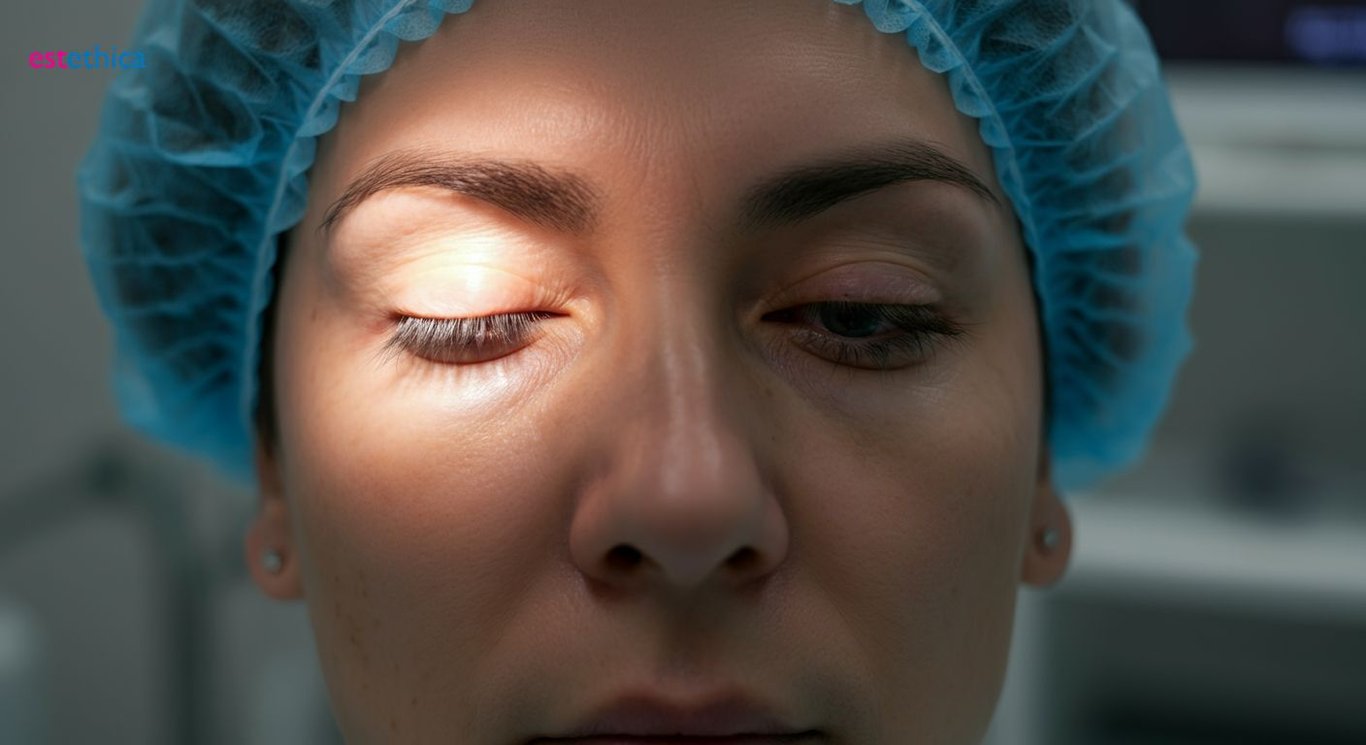
Cosmetic Eyelid Surgery: Enhancing Appearance and Fighting Aging
Aesthetic Goals of Cosmetic Eyelid Surgery
Cosmetic eyelid surgery focuses on the aesthetic aspect, targeting saggy skin and removing excess fat to eliminate droopy eyelids and other signs of aging. This procedure is popular among those looking to achieve a more alert and youthful appearance. By rejuvenating the eye area, cosmetic surgery also plays a role in enhancing the symmetry and proportion of facial features. According to a survey, achieving a refreshed look is the primary motivation for 75% of patients undergoing lower eyelid surgery.
- Corrects Drooping Eyelids: Eliminates sagging skin for a more youthful appearance.
- Removes Excess Fat: Reduces puffiness and bags around the eyes.
- Enhances Facial Symmetry: Improves overall balance and proportion.
Imagine a patient seeking cosmetic eyelid surgery to eliminate saggy skin above eyelids that make them look tired, another aiming to remove under-eye bags for a more refreshed appearance, or someone desiring asian double lid creation to enhance their facial features. These scenarios underscore the diverse aesthetic goals of cosmetic eyelid surgery.
Vision Improvement and Personalized Treatment
Patients often ask, "Can eyelid surgery improve my vision?" While primarily aesthetic, blepharoplasty can sometimes improve peripheral vision obstructed by overhanging skin. At estethica, understanding each patient's goals and expectations is pivotal in creating a personalized treatment plan that ensures satisfaction. In about 20% of cases, patients report noticeable improvements in their visual field after undergoing eye lift.
- Initial Assessment: Evaluating vision obstruction to determine potential benefits.
- Customized Surgical Plan: Tailoring the procedure to address both aesthetic and functional concerns.
- Post-operative Evaluation: Monitoring improvements in peripheral vision during blepharoplasty recovery.
Consider a patient with significant droopy skin above eyelid impacting their peripheral vision, another with severe under-eye bags seeking aesthetic enhancement alongside improved sight, or someone exploring eyelid correction to address both droopy eyelids and visual impairment. These examples demonstrate the importance of personalized treatment plans at estethica to achieve optimal results.
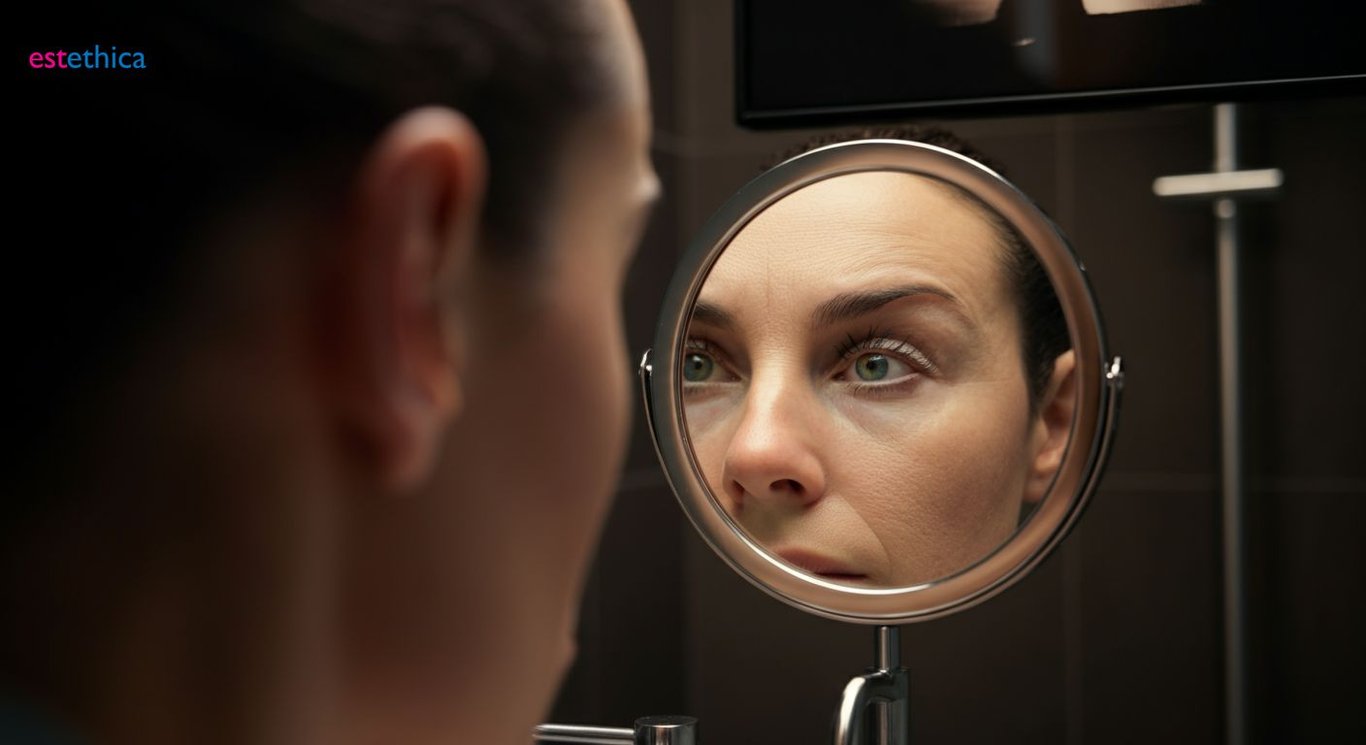
Eyelid Lift Recovery: What to Expect After Your Procedure
Navigating the Initial Weeks Post-Surgery
Recovery from eyelid surgery typically spans several weeks, with the most noticeable swelling and bruising resolving within the first 2 to 4 weeks. Immediately following the procedure, applying cold compresses is crucial to minimize swelling and alleviate discomfort. Prescribed medications, if any, should be taken as directed to manage pain and prevent infection. During this period, prioritize rest and adhere to all post-operative instructions provided by your surgeon to ensure a smooth recovery. Avoiding strenuous activities is essential to prevent complications and promote optimal healing. Studies suggest that patients who strictly follow post-operative care instructions experience significantly fewer complications.
- Cold Compresses: Apply regularly for the first few days to reduce swelling and bruising.
- Medication Adherence: Take all prescribed medications as directed by your surgeon.
- Rest and Elevation: Keep your head elevated and avoid strenuous activities during the initial recovery phase.
Think of a patient diligently applying cold compresses to minimize swelling after an upper eyelid lift at estethica, another carefully following their surgeon's medication schedule to prevent infection, or an individual prioritizing rest and avoiding heavy lifting to ensure proper healing during their blepharoplasty recovery. These actions are vital for a successful outcome.
Addressing Concerns and Ensuring Optimal Results
During your initial consultation at estethica, potential risks of eyelid surgery are thoroughly discussed. While cosmetic eyelid surgery is considered safe, possible risks include dry eyes, temporary vision changes, or mild scarring. To mitigate these risks, comprehensive post-operative care and scheduled follow-up appointments are essential. These appointments enable your surgeon to monitor your progress and promptly address any concerns. A survey indicates that proactive post-operative care reduces the incidence of complications by up to 30%.
- Scheduled Follow-ups: Attend all post-operative appointments to monitor healing progress.
- Open Communication: Immediately report any unusual symptoms or concerns to your surgeon.
- Protective Measures: Shield your eyes from excessive sun exposure during the recovery period.
Consider a patient attending regular follow-up appointments after lower eyelid surgery to monitor their healing, another proactively communicating any discomfort or vision changes to their surgeon, or someone diligently protecting their eyes from sun exposure during their recovery. These actions exemplify the dedication required to achieve optimal results from eyelid correction at estethica.
Laser-Assisted Slim Lipo: Advanced Fat Reduction and Skin Tightening
Personalized Eyelid Surgery for Vision and Aesthetic Enhancement
Frequently Asked Questions
What is Eyelid Surgery (Blepharoplasty) and what does it address?
How is drooping of the upper eyelid (ptosis) corrected?
What can I expect during the eyelid lift recovery period?
Can cosmetic eyelid surgery improve my vision in addition to enhancing my appearance?
Achieve your aesthetic goals with estethica's expert guidance and personalized care.
📞 Schedule Your Free Consultation!