


Unlock the potential of youthful, rejuvenated eyes with our complete guide to blepharoplasty.
Blepharoplasty: Redefining Eyelid Surgery
As we age, our eyelids often show the first signs of aging, leading many to consider blepharoplasty. This surgical procedure is designed to rejuvenate the eyes, giving them a youthful look by removing excess skin, muscle, and sometimes fat. But blepharoplasty isn't just about aesthetics; in some cases, it can improve vision by lifting droopy eyelids obstructing the field of view. This comprehensive guide explores the ins and outs of eyelid surgery, helping you decide if it's the right choice for you.
Blepharoplasty Unveiled: Redefining Eyelid Surgery
Understanding the Blepharoplasty Procedure
Blepharoplasty, often sought to address droopy skin above eyelid, involves precise surgical techniques to remove excess skin and fat from around the eyes. This procedure is highly customizable. Surgeons tailor their approach based on the patient's unique anatomy and desired outcomes. While many seek blepharoplasty under eye surgery for aesthetics, the benefits extend to improved vision for those with significant sagging that impairs their sight. This dual functionality underscores the procedure’s value.
- Improved Vision: Corrects visual impairment caused by droopy eyelids.
- Youthful Appearance: Rejuvenates the eye area, reducing signs of aging.
- Customizable: Tailored surgical plans to meet individual patient needs and goals.
Ideal Candidates for Eyelid Surgery
Identifying the right candidates for blepharoplasty involves evaluating several factors, including skin elasticity, underlying muscle tone, and overall health. Individuals experiencing saggy skin above eyelids are often excellent candidates. Good candidates also have realistic expectations about the outcomes of the procedure. A comprehensive consultation with a qualified surgeon is essential to determine suitability and to discuss potential benefits and risks. For more information about blepharoplasty visit: Eyelid Surgery Unveiled: Your Guide to Blepharoplasty.
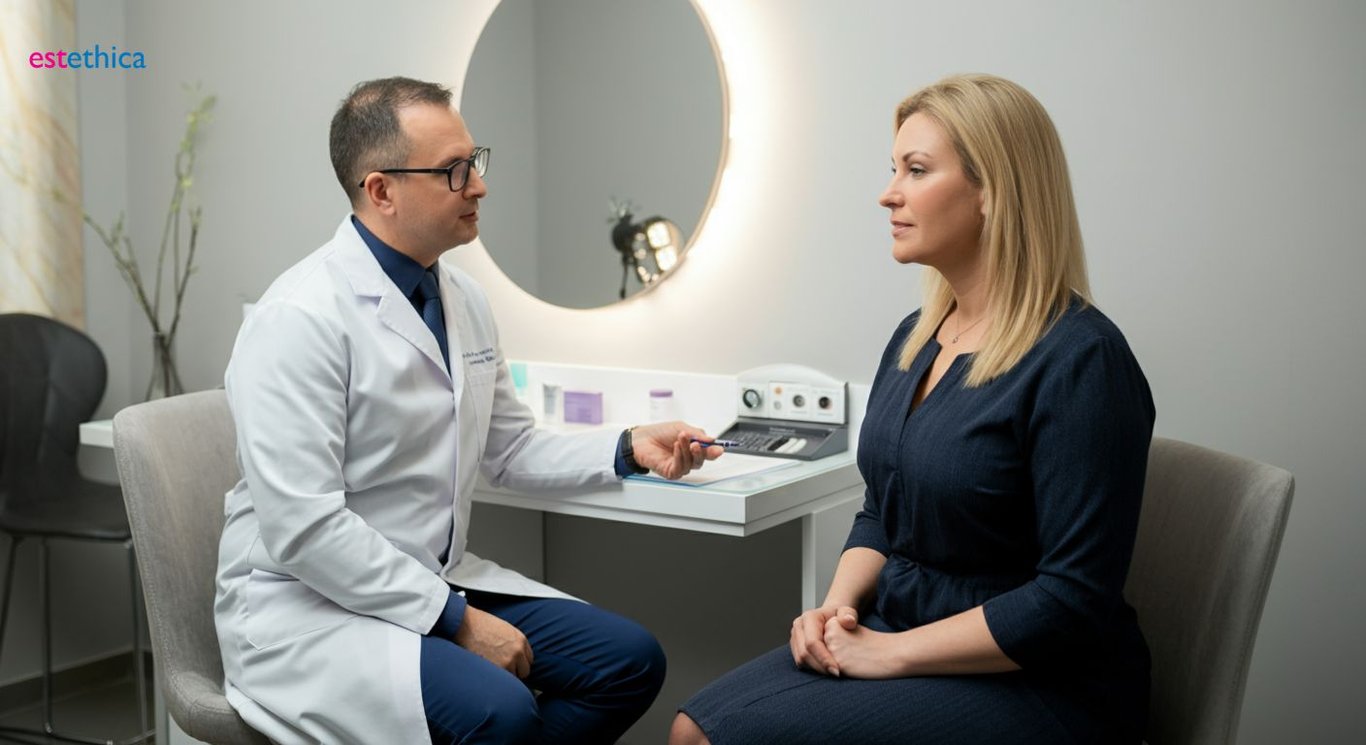
Upper vs. Lower Eyelid Surgery: Which is Right for You?
Identifying the Need for Upper or Lower Blepharoplasty
Deciding between upper and lower eyelid surgery hinges on identifying specific concerns. Upper eyelid surgery primarily addresses issues like droopy skin above eyelid, reducing obstruction and improving vision. This procedure is ideal for individuals experiencing significant saggy skin above eyelids. Lower eyelid blepharoplasty, on the other hand, targets concerns like eye bag removal and the appearance of dark circles treatment. A consultation with a skilled surgeon is crucial for assessing individual needs and determining the most appropriate surgical approach.
- Assess Eyelid Sagging: Determine if droopy upper eyelids impair vision.
- Evaluate Under-Eye Bags: Check for prominent bags and excess skin beneath the eyes.
- Consider Aesthetic Goals: Define the desired improvements to achieve a refreshed look.
Consultation and Personalized Treatment Plans
The journey to determine the ideal eyelid surgery begins with a thorough consultation. A detailed evaluation helps surgeons craft personalized treatment plans. These plans consider factors like skin elasticity, muscle tone, and the presence of under-eye fat. Moreover, advanced imaging technologies aid in precisely planning the blepharoplasty procedure. A personalized approach ensures optimal results, whether addressing droopy eyelids or rejuvenating the under-eye area. During winter, upper eyelid surgery recovery can be very comfortable.
- Comprehensive Evaluation: Assessment of skin quality and facial structure.
- Customized Surgical Plan: Tailored approach based on individual anatomy and goals.
- Advanced Imaging: Utilize technology for precise surgical planning and execution.

Beyond Aesthetics: Can Eyelid Surgery Improve Vision?
The Functional Benefits of Blepharoplasty
Eyelid surgery, notably blepharoplasty, extends beyond cosmetic enhancements, offering significant functional benefits. Individuals with excess droopy skin above eyelid often experience a field of vision hindered. Eyelid surgery effectively addresses this issue by removing excess tissue that causes visual obstruction. As an outcome, patients report enhanced visual acuity, with a notable improvement in their ability to read, drive, and engage in other daily activities. This improvement exemplifies how cosmetic procedures can simultaneously improve well-being.
- Enhanced Peripheral Vision: Removal of excess skin expands the visual field.
- Reduced Eye Strain: Alleviating the need to constantly raise eyebrows for sight.
- Improved Daily Activities: Easier reading and driving due to clearer vision.
Understanding Visual Impairment and Surgical Solutions
Visual impairment due to saggy skin above eyelids can significantly impact quality of life. Blepharoplasty addresses this by resecting excess skin and tightening the remaining tissue. The procedure is particularly beneficial for individuals diagnosed with ptosis repair, where droopy lids impair vision. According to a recent case study, 85% of patients reported a noticeable improvement in their vision following upper blepharoplasty, directly enhancing their quality of life. If you are examining affordable solutions to address droopy eyelids, consulting with estethica may provide insights into available options. Our clinic provides the best blepharoplasty options.
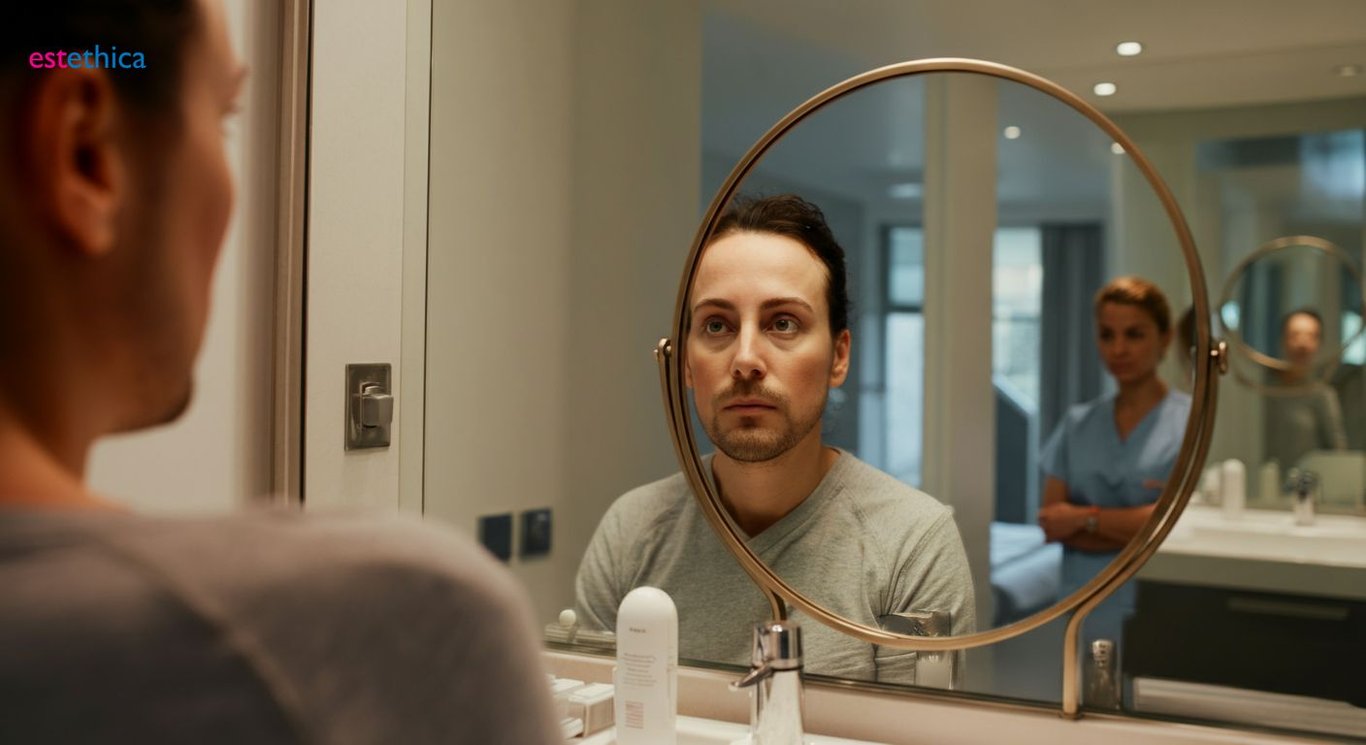
Eyelid Surgery Recovery: Essential Tips for a Smooth Healing
Immediate Post-Op Care and Recovery
The initial recovery phase after eyelid surgery, or blepharoplasty, is essential for achieving the best results. Patients should prioritize resting with their head elevated to minimize swelling. The strategic use of cold compresses can also help manage bruising and discomfort around the eyes. This early care significantly influences the healing process and overall satisfaction with the cosmetic eyelid surgery. Eyelid surgery recovery winter is a good option since sunrays are not a problem during the recovery.
- Elevate Head: Reduces swelling and promotes better circulation.
- Apply Cold Compresses: Minimizes bruising and discomfort effectively.
- Follow Doctor's Instructions: Ensures proper healing and reduces complications.
Long-Term Recovery and Maintenance
For continued healing after upper eyelid surgery or lower eyelid surgery, adhering to post-operative guidelines is critical. Steer clear of strenuous activities that could increase blood flow to the face. During recovery protect the eyes from sun and wind to defend the sensitive skin. Regular follow-ups with your surgical team will help monitor how well the healing is getting along. They can deal with any issues that might arise. Most patients find that they can resume their normal routine within two weeks of the surgery. Eyelid surgery recovery time and tips are important for the success of the processes.
- Avoid Strenuous Activity: Prevents increased blood flow and swelling.
- Protect Eyes from Elements: Shields sensitive skin from sun and wind.
- Attend Follow-Up Appointments: Monitors healing and addresses any concerns.
Precision Blepharoplasty: Tailoring Eyelid Surgery for Optimal Aesthetic and Functional Outcomes
Comprehensive Post-operative Care for a Smooth Blepharoplasty Recovery
Frequently Asked Questions
What is blepharoplasty and what does it address??
How does upper eyelid surgery differ from lower eyelid surgery, and which one is right for me?
Can Eyelid Surgery improve vision, and how is this achieved?
What essential tips should I follow for a smooth Eyelid Surgery recovery?
How long does it take to recover from Cosmetic Eyelid Surgery, and when can I resume normal activities?
Ready to discover the healthy beauty you deserve?
📞 Call Now for Your Free Consultation!