


Revitalize your smile with cutting-edge dental implants. Discover a solution that combines beauty and function seamlessly. Act now!
Discover how dental implants can revolutionize your smile and supercharge your confidence. Modern dental technology, exemplified by innovations like osseointegration, has transformed the field to make dental implants a preferred option over traditional solutions such as dentures. Dive into the intricate process and find out how you can benefit from a beautiful and functional smile today!
The Science of Osseointegration: How Implants Fuse With Bone
The Marvel of Osseointegration in Dental Implants
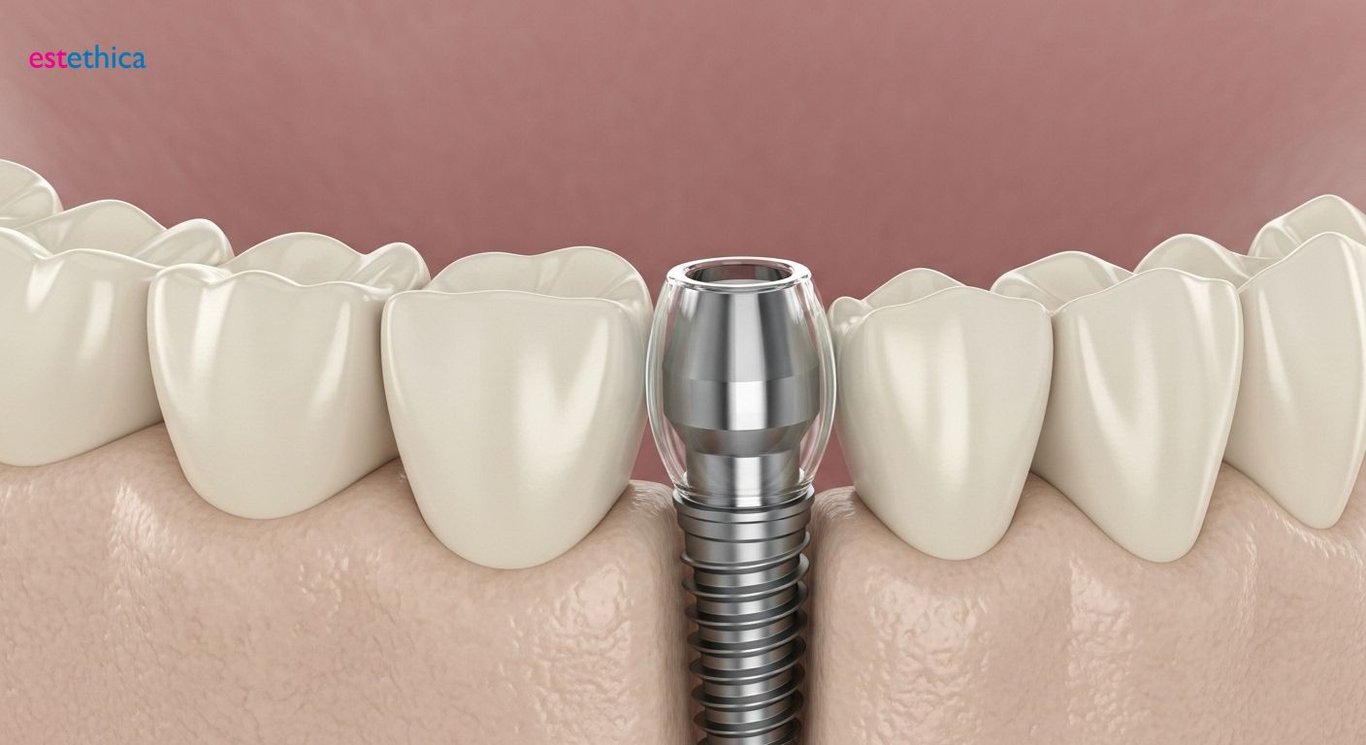
The cornerstone of successful dental restoration through dental implants is undeniably osseointegration. This biological process allows a direct structural and functional connection between living bone and the surface of a load-bearing artificial implant. In essence, it's the process where the jawbone actually grows around the titanium implant, securing it as a permanent part of the mouth. This fusion is not merely a physical adhesion but a biological compatibility that transforms the implant into a stable, durable base, much like the root of a natural tooth. Surface treatments play a vital role, with techniques like acid etching and sandblasting creating microscopic irregularities that encourage bone cells to attach and proliferate. The success of osseointegration dramatically influences the longevity and functionality of dental prosthetics.
- Enhanced Stability: Osseointegration provides a rock-solid foundation, minimizing movement and maximizing support for the artificial tooth.
- Long-Term Durability: The fusion process ensures the implant can withstand the rigors of daily chewing and biting for many years.
- Bone Preservation: By acting as a natural tooth root, the implant stimulates bone growth, preventing the bone loss that typically occurs after tooth extraction.
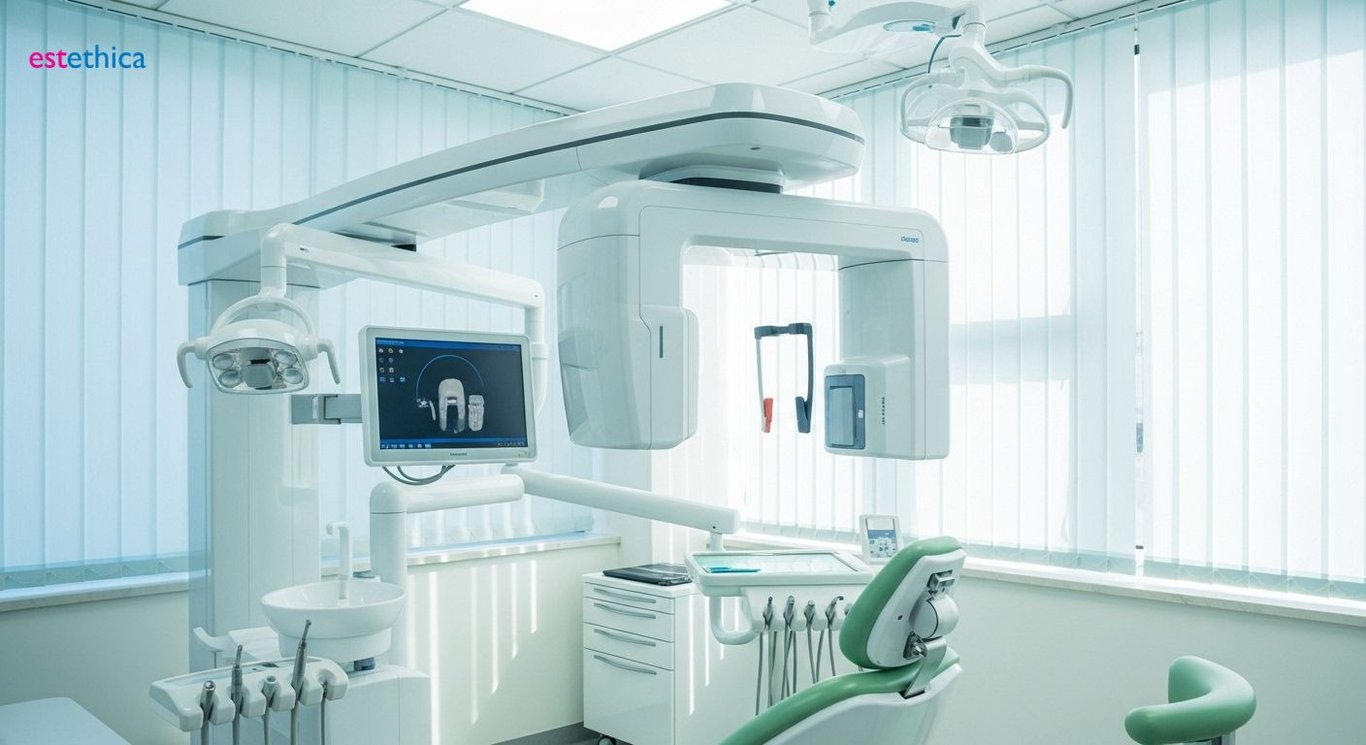
Osseointegration’s success rate is remarkably high, often exceeding 95%, making dental implants a predictable and reliable treatment option. Proper oral hygiene and regular dental check-ups are essential to maintain the health of the surrounding tissues. For example, estethica Dental Clinic employs advanced imaging techniques to assess bone quality and ensure optimal implant placement.
Factors Influencing Osseointegration Success
Achieving optimal osseointegration is influenced by several factors that dental professionals carefully consider. These include patient health, bone density at the implant site, surgical technique, and implant surface characteristics. For instance, patients with uncontrolled diabetes or those who smoke may experience delayed or compromised osseointegration. A meticulous surgical approach, minimizing trauma to the surrounding tissues, is crucial. Moreover, implant designs that promote primary stability—the initial mechanical fixation of the implant in the bone—often lead to better long-term outcomes. In cases where bone density is insufficient, procedures like bone grafting for implants may be necessary to augment the site.
- Initial Stability: A secure fit of the implant immediately after placement is vital for initiating the osseointegration process.
- Biocompatibility: Titanium's inherent compatibility with bone tissue makes it the gold standard material for dental implants.
- Patient Compliance: Following post-operative instructions, maintaining oral hygiene, and attending follow-up appointments are crucial for success.
Ultimately, the science of osseointegration is what allows dental implants to offer a functional alternative to natural teeth, significantly improving patients' quality of life. It's a testament to the advancements in implant dentistry that such a seamless integration of artificial and biological systems is possible, leading to predictable and long-lasting results.
Tooth Implants vs. Dentures: Choosing the Right Solution for You
Evaluating the Longevity and Comfort of Dental Implants vs. Dentures
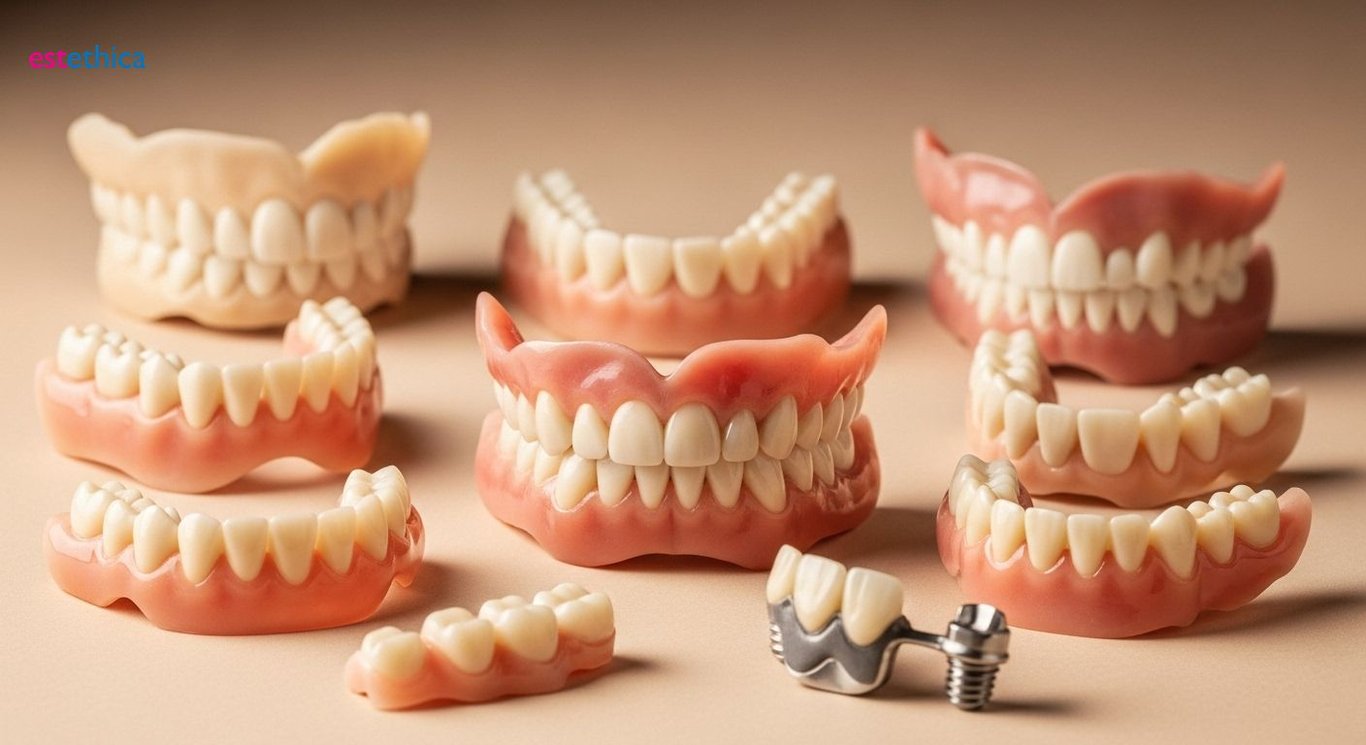
When considering tooth replacement solutions, the long-term benefits and daily comfort are paramount. While dentures have been a traditional option, dental implants often represent a more permanent and comfortable solution. Dentures can sometimes lead to gum irritation and require frequent adjustments to maintain a proper fit. In contrast, tooth implants integrate directly with the jawbone, providing stability and eliminating the discomfort associated with slipping dentures. The choice between these options significantly impacts the patient's quality of life, influencing their ability to eat, speak, and smile with confidence.
- Enhanced Stability: Eliminates the worry of slippage during speech or meals.
- Improved Comfort: Mimics the feel of natural teeth, reducing gum irritation.
- Long-Term Solution: With proper care, implants can last a lifetime, offering a consistent oral health solution.
The decision should ideally align with one's lifestyle and long-term oral health goals, ensuring satisfaction and functionality for years to come. For instance, individuals with active lifestyles may find the stability of implants particularly appealing. According to dental health studies, patients with dental implants report higher satisfaction levels with their ability to eat and speak compared to those with dentures.
Assessing Factors That Determine the Best Option for You
Deciding between dental implants and dentures entails a careful evaluation of individual circumstances, including oral health, bone density, and personal preferences. Implants require sufficient bone structure to support the implant, and individuals with bone loss may need to undergo bone grafting procedures. Dentures, on the other hand, are a removable option that doesn't require bone support, making them suitable for individuals with significant bone loss. At estethica Dental Clinic, the assessment includes a thorough examination and detailed discussion to align the treatment with patient expectations. A comprehensive approach ensures that the chosen solution enhances not only the patient's smile but also their overall well-being. For example, individuals seeking a fixed and secure solution might lean towards implants, while those preferring a less invasive route might opt for dentures.
- Bone Density Evaluation: Assessing whether there is sufficient bone to support dental implants.
- Oral Health Assessment: Determining the overall health of the gums and remaining teeth.
- Lifestyle Considerations: Understanding the patient’s preferences for maintenance and long-term care.
Ultimately, the ideal choice is a collaborative decision between the patient and the dental professional, reflecting a balance of clinical considerations and personal desires. Understanding the differences between Tooth Implants and Dentures can help patients make informed decisions.
Dental Prosthetics: Restoring Functionality and Aesthetics
The Synergy Between Dental Prosthetics and Implant Stability
Dental prosthetics, especially when anchored to tooth implants, significantly enhance the quality of life by restoring oral functionality and aesthetics. These aren't just about filling gaps; they play a pivotal role in preventing teeth misalignment and maintaining the natural structure of the face. Modern advancements in materials, like zirconia and advanced polymers, offer increased durability and a more natural appearance, blending seamlessly with existing teeth. The precision of these prosthetics ensures a comfortable fit, reducing the risk of irritation and enhancing chewing efficiency. For instance, estethica Dental Clinic utilizes CAD/CAM technology to custom-design each prosthetic, ensuring optimal fit and function.
- Prevents Tooth Shifting: By filling gaps, prosthetics keep adjacent teeth from moving out of place.
- Maintains Facial Structure: Supports the jawbone and facial muscles, preventing sagging and premature aging.
- Restores Chewing Function: Allows patients to enjoy a wider variety of foods without discomfort.
Long-Term Benefits of Dental Implants for Oral Health
Investing in dental prosthetics attached to tooth implants yields long-term benefits that extend beyond immediate aesthetics. Implant-supported prosthetics stimulate bone growth, mitigating the bone loss often associated with missing teeth. This is particularly beneficial for preserving jawbone density and preventing changes in facial structure over time. Furthermore, the stability offered by implants reduces the risk of gum disease and decay, common issues with other tooth replacement options. By choosing implant-supported prosthetics, patients are investing in a solution that protects their oral health and enhances their overall well-being. The use of dental prosthetics makes the teeth more durable and longer-lasting thus helping ensure good oral health.
- Bone Stimulation: Implants encourage bone regeneration, preventing bone loss.
- Reduced Risk of Decay: Prosthetics are made from materials resistant to decay and bacterial buildup.
- Improved Speech: Restoring missing teeth enhances pronunciation and clarity of speech.
Bone Grafting for Implants: Building a Solid Foundation
Understanding the Necessity of Bone Grafting in Implant Procedures
In scenarios where the jawbone lacks the necessary density to securely support dental implants, a bone grafting for implants becomes essential. This procedure is a preliminary measure, designed not only to foster the needed support for successful osseointegration but also to ensure the implant's lasting stability. It is common to see patients who have waited too long after tooth extraction or who suffer from gum disease require this procedure before dental implants can be placed. At estethica Dental Clinic, we prioritize a strong and stable foundation for every implant to deliver results that stand the test of time.
- Improved Implant Stability: Ensures a solid base for the implant by increasing bone density.
- Enhanced Osseointegration: Promotes better integration of the implant with the surrounding bone.
- Long-Term Success: Increases the likelihood of the implant remaining stable and functional for many years.
The Process and Benefits of Bone Augmentation for Implants
Bone grafting for implants involves adding bone material to the existing jawbone, typically using bone taken from another part of the patient’s body or synthetic alternatives, creating a robust foundation for the implant. This augmentation process is crucial in preparing the mouth for dental implant placement, making affordable dental implants an option for individuals who might otherwise be considered unsuitable candidates due to insufficient bone volume. The new bone integrates with the existing bone, giving the dental implants dentist a stable and secure base to work with. This approach expands the possibilities for those seeking to restore their smile and oral function.
- Evaluation: Assessing the current bone density and determining the extent of grafting needed.
- Grafting: Placing the bone material and allowing time for it to fuse with the existing bone.
- Implant Placement: Once the graft is stable, the dental implant is placed and allowed to osseointegrate.
Understanding Dental Implants: A Comprehensive Guide
CAD/CAM-Designed Prosthetics and Advanced Imaging for Enhanced Implant Dentistry
Delivering Predictable Long-Lasting Dental Implant Results Through Comprehensive Evaluation
Frequently Asked Questions
What is osseointegration and why is it important for dental implants?
How do dental prosthetics enhance the functionality of dental implants?
Why is bone grafting sometimes necessary before getting dental implants?
What factors should I consider when choosing between tooth implants and dentures?
What are the long-term benefits of choosing dental implants over other tooth replacement options?
Ready to discover your healthy beauty with estethica's expert consultation?
📞 Call Now for Your Free Consultation!