


Transform your oral health with dental implants – the ultimate solution for a restored smile and renewed life confidence. Dive into our comprehensive guide to understand the benefits and process behind this cutting-edge dental innovation.
Dental implants offer more than just a solution for missing teeth; they transform lives by restoring smiles and oral functionality. These innovative solutions are renowned for their durability and natural appearance. In this guide, we delve into the significant benefits, the science behind their success, and how they cater to diverse populations, ensuring a comprehensive understanding of their impact.
Beyond Teeth Replacement: The Comprehensive Benefits of Dental Implants
Enhanced Quality of Life with Dental Implants
Dental implants offer a stable and durable solution for missing teeth, providing structural support that prevents jawbone deterioration. This support not only enhances the longevity of the implant but also preserves the natural contours of the face, contributing to a more youthful appearance. Unlike dentures, which can sometimes feel bulky or uncomfortable, implants are designed to mimic the function and feel of natural teeth, allowing for improved comfort and ease of eating a wide variety of foods. This can significantly boost confidence and overall quality of life.
- Improved Comfort: Dental implants are designed to feel just like natural teeth, providing a level of comfort and confidence that dentures simply cannot match.
- Enhanced Oral Hygiene: Unlike bridges, dental implants do not rely on adjacent teeth for support, making it easier to clean between teeth and maintain optimal oral health, which can decrease the risk of cavities and gum disease.
- Youthful Appearance: By preventing bone loss and preserving the facial structure, dental implants help maintain a youthful and vibrant appearance, an important factor for many individuals.
The ability to eat without discomfort and maintain excellent oral hygiene are significant advantages of dental implants.
The Process and Longevity of Dental Implants
The success of dental implants hinges on a process called osseointegration, where the implant fuses directly with the jawbone, creating a secure and permanent foundation. This process typically takes a few months, but the result is a tooth replacement solution that can last many years, potentially a lifetime, with proper care. One of the key benefits of implant dentistry is that it provides a long-term solution, making it a worthwhile investment for those seeking a permanent fix for missing teeth. Proper oral hygiene and regular dental check-ups are essential for maintaining the health and longevity of dental implants.
- Initial Consultation and Planning: A thorough evaluation, including X-rays and scans, to determine if you're a suitable candidate for dental implants.
- Implant Placement: Surgical placement of the dental implant into the jawbone, followed by a healing period for osseointegration.
- Crown Placement: Attachment of a custom-made crown to the implant, providing a natural-looking and functional tooth replacement.
Many people opt for teeth replacement as an effective solution.

Osseointegration Explained: How Dental Implants Fuse With Your Jawbone
The Biological Basis of Osseointegration
Osseointegration is the cornerstone of successful dental implants, representing the direct structural and functional connection between living bone and the surface of a load-bearing artificial implant. This process involves a complex series of biological events at the interface between the titanium implant and the surrounding jawbone. Initial stability of the implant is crucial, followed by cellular activity that promotes bone growth directly onto the implant surface. The absence of fibrous tissue between the implant and bone is a key indicator of successful osseointegration. Studies show that implants with a rough surface texture exhibit faster and more robust osseointegration compared to smooth surfaces.
- Surface Texture: Implants with a moderately rough surface demonstrate superior bone cell attachment and proliferation, leading to enhanced osseointegration.
- Material Composition: Titanium's biocompatibility and resistance to corrosion make it the ideal material for dental implants, ensuring minimal adverse reactions and long-term stability.
- Surgical Technique: Precise surgical placement with minimal trauma to the surrounding bone optimizes the conditions for successful osseointegration.
Proper alignment and fit are essential when considering implant dentistry in your treatment.
Factors Influencing Osseointegration Success
Several factors play a critical role in the success of osseointegration, including the patient's overall health, bone density, and oral hygiene practices. Systemic conditions such as diabetes and osteoporosis can impair bone healing and reduce the likelihood of successful osseointegration. Adequate bone volume and density are essential to provide sufficient support and stability for the implant. Meticulous oral hygiene, including regular brushing, flossing, and professional cleanings, is necessary to prevent infection and maintain the health of the peri-implant tissues. Research indicates that smokers have a significantly higher risk of implant failure due to impaired bone healing and increased susceptibility to infection. Maintaining good health is essential for teeth replacement.
- Initial Stability: Achieving adequate primary stability during implant placement is crucial for initiating the osseointegration process.
- Biocompatibility: The use of biocompatible materials like titanium minimizes the risk of adverse tissue reactions and promotes bone integration.
- Patient Compliance: Adherence to post-operative instructions and maintenance of optimal oral hygiene are essential for long-term implant success.
The success of dental implants depends on proper oral care and attention to patient health, which are crucial for achieving optimal osseointegration.
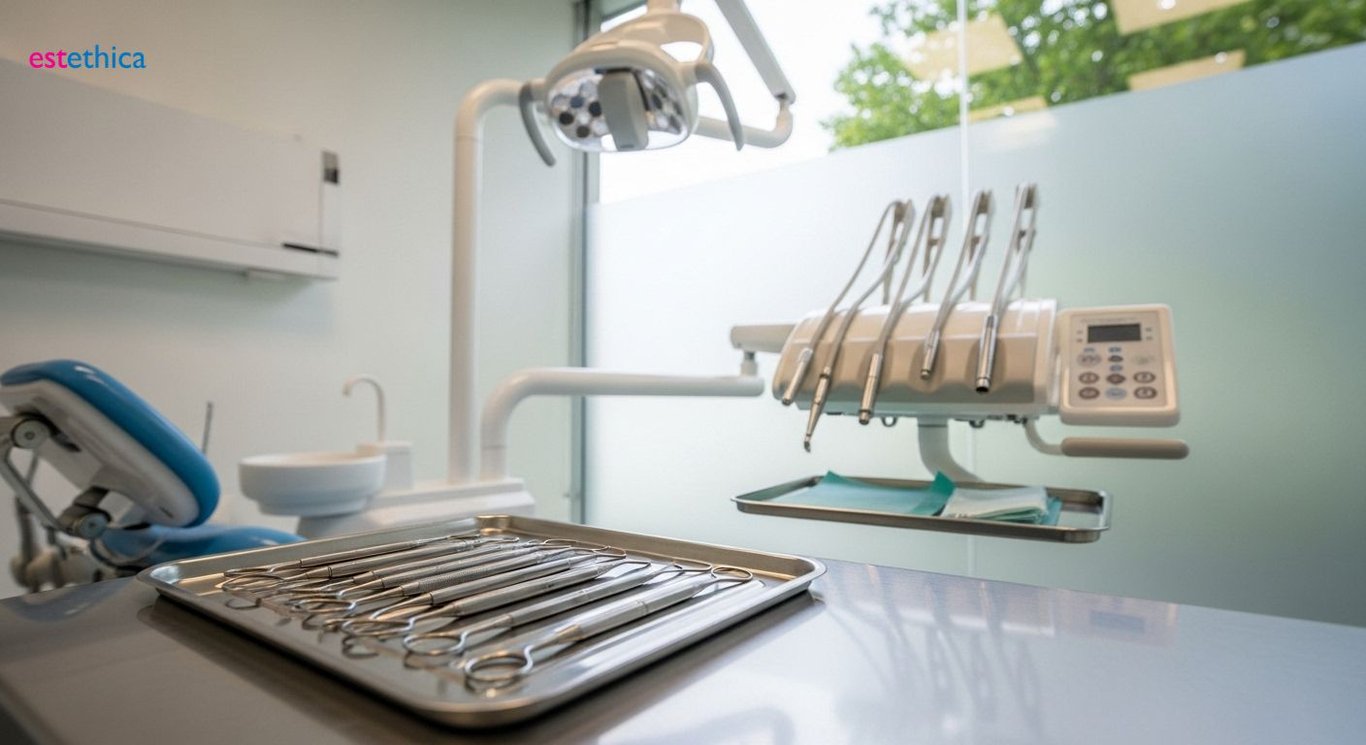
Implant Dentistry: Exploring Modern Techniques for Lasting Results
Advancements in Modern Implant Dentistry
Modern implant dentistry seeks to minimize the duration of treatment and improve patient outcomes through innovative techniques. Immediate load implants allow for the placement of a temporary crown on the same day as the implant, providing immediate aesthetic improvement and functionality. Mini implants, which are smaller in diameter than traditional implants, are particularly useful in patients with limited bone volume, reducing the need for bone grafting procedures. These advancements, coupled with the precision offered by advanced imaging technologies, are transforming the landscape of teeth replacement.
- Immediate Load Implants: Enable immediate function and aesthetics, reducing overall treatment time.
- Mini Implants: Offer a less invasive option for patients with bone loss, minimizing the need for extensive grafting.
- Advanced Imaging: Enhance precision in implant placement, ensuring optimal fit and long-term stability.
The convergence of these technologies, including advanced imaging, ensures the best possible outcome for each patient.
Material Innovation for Longevity and Aesthetics
The choice of materials plays a crucial role in the longevity and aesthetic appeal of dental implants. Dental implants today commonly utilize titanium alloys, known for their biocompatibility and strength, which foster osseointegration. Zirconia implants are emerging as a metal-free alternative, offering excellent aesthetics and biocompatibility. The selection of restorative materials, such as porcelain or composite, further enhances the natural appearance of the final restoration. The selection of appropriate materials ultimately promotes successful teeth replacement.
- Titanium Alloys: Provide a strong and biocompatible foundation for osseointegration.
- Zirconia: Offers a metal-free alternative with excellent aesthetics and biological compatibility.
- Porcelain and Composite: Allow for customized, natural-looking restorations that blend seamlessly with surrounding teeth.
Dental implants are intended to improve your smile.
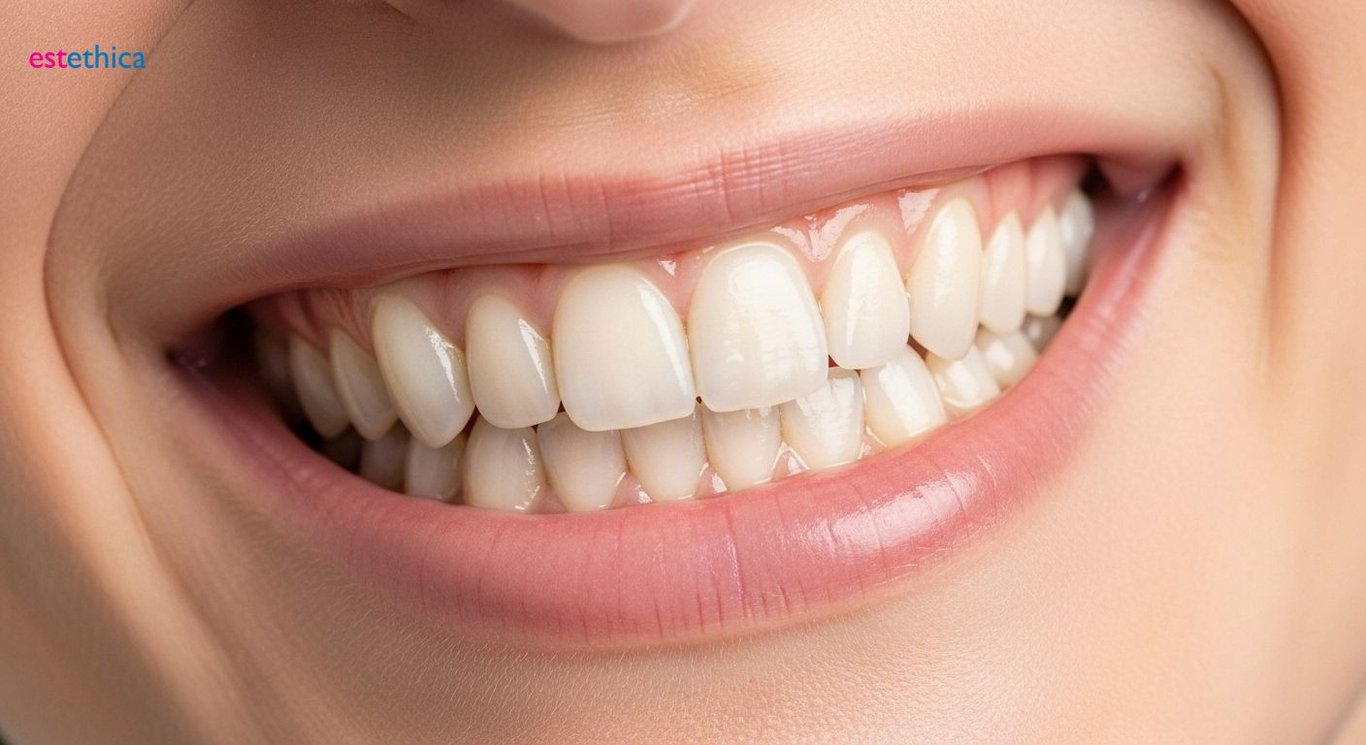
Dental Implants for Seniors: A Guide to Restoring Oral Health and Confidence
Addressing Concerns and Eligibility for Dental Implants
Many senior patients worry about their eligibility for dental implants due to age or pre-existing health conditions. Modern advancements in implant dentistry have expanded the criteria for candidacy, making dental implants a viable option for many older adults. A thorough evaluation, including a review of medical history and bone density assessment, is essential to determine individual suitability. Successful implant outcomes in seniors often depend on managing systemic health conditions and ensuring adequate bone support through grafting if necessary.
- Comprehensive Evaluation: A detailed assessment ensures that potential candidates have a clear understanding of their suitability for dental implant.
- Health Management: Proper management of systemic conditions like diabetes improves the likelihood of successful osseointegration.
- Bone Grafting: If needed, bone grafting procedures can enhance bone density, providing a stable foundation for implants in patients with bone loss.
Seniors who are seeking teeth replacement can benefit from improved oral health and smile aesthetics.
Psychological and Health Benefits of Dental Implants for Seniors
Regaining a confident smile through dental implants can have a profound impact on a senior's psychological well-being. The ability to eat, speak, and smile without embarrassment enhances self-esteem and social interactions. Beyond the psychological benefits, dental implants contribute to better overall health by enabling proper nutrition through improved chewing function. This is particularly important for seniors who may have difficulty eating certain foods due to missing or damaged teeth. Improved dietary habits positively affect general health and quality of life, making dental implants a valuable investment in well-being. Many seniors are turning to dental implants as an effective means of teeth replacement.
- Boosted Confidence: A full set of teeth allows seniors to smile, speak, and eat with confidence, improving social interactions and self-esteem.
- Improved Nutrition: Adequate chewing function enables seniors to consume a wider variety of foods, leading to a more balanced and nutritious diet.
- Better Overall Health: Enhanced nutrition and the ability to maintain proper oral hygiene contribute to improved systemic health and overall well-being.
Dental implants could lead to a significant enhancement in the quality of life for senior individuals.
Understanding Dental Implants: A Comprehensive Guide
Advanced Osseointegration Techniques for Lasting Dental Implant Results
Patient-Centric Dental Implant Process Delivering Predictable and Satisfying Outcomes
Frequently Asked Questions
What are the primary benefits of choosing dental implants for teeth replacement?
How does osseointegration contribute to the success of dental implants?
Are dental implants a suitable option for seniors, and what are the considerations?
What modern techniques are used in implant dentistry to improve outcomes?
Achieve your aesthetic goals with estethica's personalized treatment plans and expert care.
📞 Schedule Your Free Consultation!