


Beard transplant is a surgical procedure to enhance facial hair, offering a permanent solution for thinning or sparse beards through meticulous follicle implantation for a natural look. It involves careful planning, specific recovery protocols, and typically yields high patient satisfaction.
Are you looking to enhance your facial hair with a fuller, more defined beard? A beard transplant offers a permanent solution for sparse or patchy beards, giving you the confidence that comes with well-groomed facial hair. This advanced procedure, also known as facial hair transplant, has become increasingly popular for individuals seeking to achieve their ideal beard aesthetic. Whether you're aiming for a classic mustache, a rugged goatee, or a full beard, understanding the process, recovery, and potential results is key. Let's explore the world of beard restoration and discover how it can help you achieve your desired look, providing a natural and lasting transformation.Exploring Beard Restoration: What You Need to Know
Understanding the Basics of Beard Restoration
Beard restoration, often referred to as a facial hair transplant, is a sophisticated surgical procedure designed to address issues like patchy growth, thinning areas, or complete lack of facial hair. This process typically involves harvesting hair follicles from a donor area, usually the back or sides of the head where hair is genetically resistant to thinning, and meticulously implanting them into the areas of the beard that require enhancement. The goal is to create a natural-looking beard that blends seamlessly with your existing facial hair. Modern techniques ensure minimal scarring and a high success rate. Patients often seek beard restoration to correct the results of previous procedures, to fill in areas affected by scarring, or simply to achieve a more robust and masculine appearance. It’s a transformative option for many, offering a permanent solution to enhance facial aesthetics. For those interested in understanding more about hair restoration in general, you might find our article on Hair Transplantation: Unlocking Natural Hair Growth Again insightful.
The Procedure and Donor Area
The most common methods for beard transplantation are Follicular Unit Extraction (FUE) and Follicular Unit Transplantation (FUT). FUE involves extracting individual hair follicles, which allows for a less invasive procedure and quicker recovery, often with less noticeable scarring compared to FUT. FUT, on the other hand, involves removing a strip of skin from the donor area and dissecting it into individual grafts. The choice of technique often depends on the patient's specific needs, the density required, and the surgeon's recommendation. The donor area is carefully selected to ensure that harvesting the follicles does not create a noticeable thinning in that region. Skilled surgeons ensure that the harvested hair is of similar color, texture, and thickness to your natural beard hair for the most convincing results. This meticulous approach is key to achieving a successful beard transplant. The aim is always to provide a natural density and coverage, making the outcome of a beard transplant appear as authentic as possible. This advanced procedure, a form of facial hair transplant, can significantly boost confidence by addressing concerns about beard density and completeness. The journey to a fuller beard often begins with understanding these fundamental aspects of the beard restoration process.
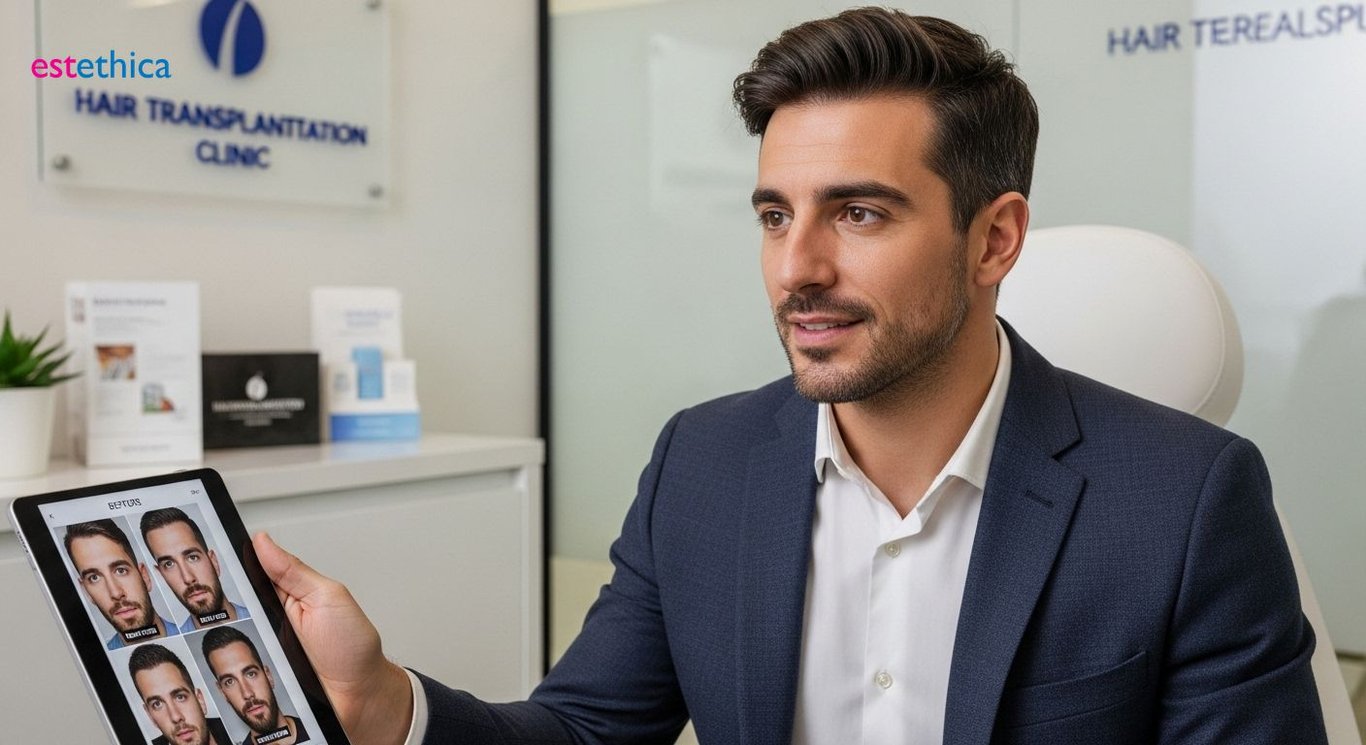
Facial Hair Transplant: Costs, Recovery, and Results
Understanding the Investment and What to Expect
Embarking on a facial hair transplant journey is a significant decision, and understanding the associated costs and recovery process is crucial for potential candidates. The financial aspect of a beard transplant can vary widely, influenced by factors such as the number of grafts required to achieve the desired density, the intricacies of the surgical plan, the established reputation of the clinic, and the geographical location of the practice. While it represents a considerable financial outlay, it's essential to perceive this procedure as a lasting solution for hair loss or thinning in the facial area. The pricing structure is often determined on a per-graft basis or as a comprehensive package covering the entire treatment. Prospective patients are strongly encouraged to consult with multiple reputable clinics to gain a thorough understanding of their pricing models and the specifics of what each package includes. It is generally advisable to prioritize surgical expertise and proven results over seeking the most economical option, as the skill and experience of the surgeon play a pivotal role in the final outcome. Reflect on this as a permanent enhancement; the initial investment should be weighed against the lifelong benefits of a fuller, more aesthetically pleasing beard.
The Healing Process and Achieving Optimal Results
The recovery period following a beard transplant is typically manageable, although it necessitates patience as the body heals. In the immediate post-operative phase, the treated area might exhibit mild swelling or redness, and it's common to observe small scabs forming around the newly implanted follicles. Patients will receive specific aftercare instructions from their surgeon, which often include guidelines to refrain from touching the transplanted region and to maintain cleanliness. Most daily activities can usually be resumed within a few days. However, it's important to avoid strenuous physical exertion and prolonged sun exposure for several weeks to ensure optimal healing. A natural part of the process is the shedding of the transplanted hairs within the initial weeks; this does not signify failure but rather indicates that new growth is preparing to emerge. Visible new growth typically begins to appear within three to four months, with the final, mature results of your facial hair transplant becoming fully apparent between nine and twelve months post-procedure. At this stage, the hair will have thickened and achieved its natural growth cycle, allowing you to style your enhanced beard as desired. This permanent enhancement offers a natural and dense appearance, much like the results detailed in our comprehensive Hair Transplant: Your Guide to Hair Restoration & Loss Treatment guide.
The Art of Beard Restoration: Natural-Looking Results
The pursuit of a fuller, more defined beard often leads individuals to explore advanced procedures like sakal ekimi (beard transplantation) and yüz tüyü nakli (facial hair transplantation). The ultimate goal, however, is not merely increased density, but achieving a result that is indistinguishable from natural growth. This art form relies on the surgeon's meticulous attention to detail and a deep understanding of aesthetic principles. Key to this is the precise placement of each transplanted follicle, considering its angle, direction, and depth to mimic the natural growth patterns of the existing beard. A skilled practitioner will meticulously analyze the patient's unique facial structure, hairline, and existing facial hair to ensure the transplanted hair seamlessly integrates, creating a harmonious and authentic appearance. Just as in Eyebrow Restoration: Achieve Natural Arches with Hair Transplantation, where subtlety is paramount, beard restoration demands a similar level of finesse to avoid an unnatural look.
Achieving Natural Aesthetics in Beard Restoration
The essence of successful beard restoration lies in its natural appearance. This requires more than just implanting hair; it involves a sophisticated understanding of facial anatomy and hair growth dynamics. Surgeons carefully select grafts, prioritizing those that will yield the most natural density and texture. The hairline, sideburns, and the overall shape of the beard are all crucial elements that a skilled surgeon will consider. They ensure that the transplanted hairs emerge at the correct angle and in the right direction, blending seamlessly with the existing beard and creating a natural flow. This careful planning and execution prevent the common pitfalls of artificial-looking results, such as unnatural density or harsh lines. The selection of viable, high-quality grafts is also indispensable for long-term success and a realistic outcome.
Techniques for Density and Fullness
For many seeking a facial hair transplant, the primary objective is to enhance beard density and achieve a fuller look. Various techniques are employed to maximize these outcomes. Graft selection plays a vital role, with experienced surgeons strategically placing follicular units containing multiple hairs in areas where increased volume is desired. The density is carefully calibrated to align with the patient's natural hair characteristics and ethnic background, ensuring that the results do not appear overly dense or artificial. Advanced implantation tools and methods allow for the precise placement of each follicle, meticulously replicating the natural growth pattern. In cases of significantly sparse areas, a phased approach with multiple sessions may be recommended. This gradual build-up of density ensures optimal results while prioritizing patient comfort throughout the beard restoration journey.
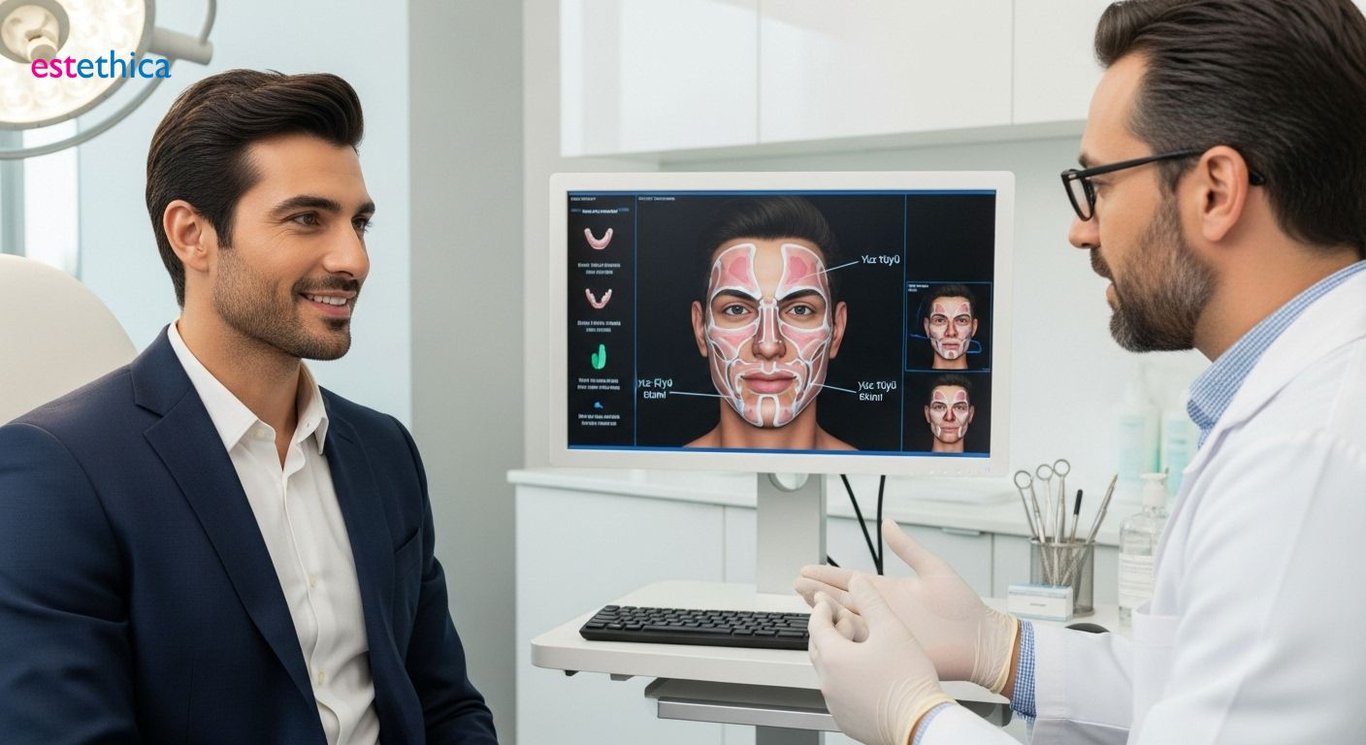
Your Guide to Beard Transplantation: Before & After
Preparing for Your Beard Transplant Procedure
Embarking on the journey of a beard transplant begins with a crucial first step: a comprehensive consultation with a skilled and experienced surgeon. This initial meeting is designed to thoroughly review your medical history, ensuring you are an ideal candidate for the procedure. The surgeon will meticulously assess your suitability, taking into account any pre-existing conditions or medications you may be taking. More importantly, this is your opportunity to articulate your aesthetic goals. The surgeon will carefully examine the density and pattern of your existing facial hair and evaluate the donor area, typically the back or sides of the scalp, to determine the availability of suitable grafts. They will explain the various techniques available, such as FUE (Follicular Unit Extraction) and DHI (Direct Hair Implantation), detailing how each method can contribute to achieving a natural-looking outcome. You will receive precise instructions on how to prepare for the surgery, which often includes abstaining from certain medications, alcohol, and smoking for a specified period. This preparation is vital for optimizing the healing process and minimizing potential risks associated with the procedure. Understanding every facet of the process, from pre-operative preparation to the expected recovery timeline and the eventual results, is paramount for a smooth and positive experience. Adequately preparing yourself ensures your body is in the best possible condition for the surgery, significantly contributing to the overall success of your facial hair transplant.
What to Expect Post-Procedure and Long-Term Satisfaction
Once your beard transplantation is complete, diligent adherence to the post-operative care guidelines is absolutely critical for ensuring optimal healing and the survival of the newly implanted follicles. This typically involves a gentle cleaning regimen for the treated area and strict avoidance of any actions that could potentially dislodge or damage the delicate grafts. It is entirely normal to observe an initial shedding of the transplanted hairs within the first few weeks; this is a natural part of the growth cycle. Following this shedding phase, the dormant follicles will begin their active growth cycle, and you will start to witness visible improvements in beard density over the subsequent months. The journey to seeing your final results can take up to a year, so patience is key. Long-term satisfaction with beard restoration is exceptionally high among individuals who have undergone the procedure. It offers a permanent and effective solution for achieving a fuller, more robust, and aesthetically pleasing beard. Many patients report a profound increase in their self-confidence and a greater sense of control over their personal appearance after their facial hair transplant. This transformative procedure not only enhances facial features but also provides a lasting and natural-looking enhancement. For those seeking to understand the broader impact and potential of this procedure, exploring resources like Beard Transplant Revolution: Grow the Confidence You Deserve can offer valuable insights into the life-changing possibilities of beard restoration.
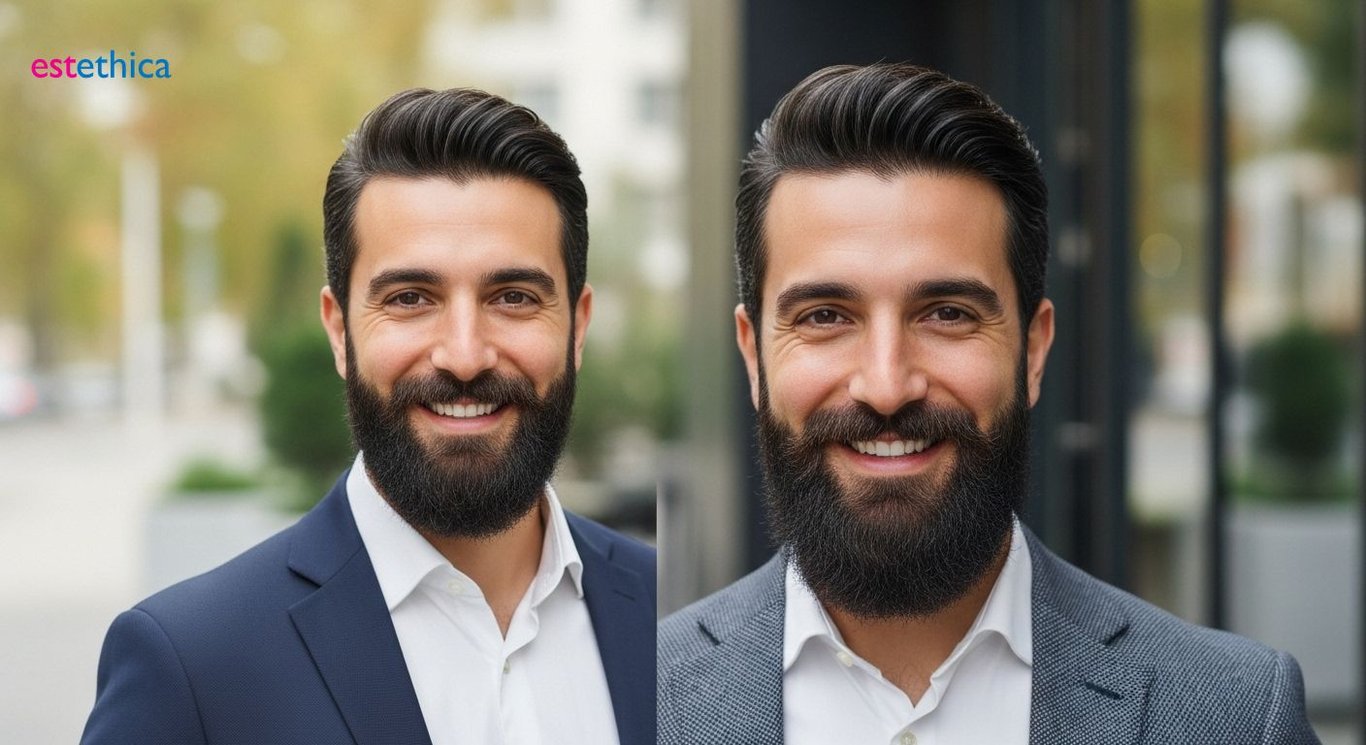
Advanced FUE and DHI Techniques for Natural Beard Restoration
Our expertise lies in advanced beard restoration techniques, including Follicular Unit Extraction (FUE) and Direct Hair Implantation (DHI). These methods ensure minimal scarring and a natural hairline, maximizing the density and fullness of your beard.
We focus on meticulously transplanting individual hair follicles to achieve a seamless integration with your existing facial hair, creating a result that is both robust and aesthetically pleasing.
As specialists in sakal ekimi (beard transplantation) and yüz tüyü nakli (facial hair transplantation), our team possesses in-depth knowledge of facial anatomy and hair growth cycles. This specialized focus allows us to tailor each procedure to the unique needs of our patients, ensuring optimal outcomes.
Our commitment to staying at the forefront of the latest beard transplant techniques guarantees that you receive the most innovative and effective treatments available for enhancing beard density and achieving a fuller appearance.
Your Trusted Partner for Beard Transplant Journeys: From Consultation to Lasting Results
We prioritize a transparent and supportive patient experience, beginning with a comprehensive consultation to discuss your goals for beard enhancement. Our approach ensures you are fully informed about the beard transplant process, including recovery time and what to expect.
The healing process following a beard transplant is carefully managed, with detailed guidance provided to facilitate optimal recovery and long-term satisfaction with your restored facial hair.
Patients seeking an affordable beard transplant find that our services offer exceptional value, delivering high-quality results without compromising on expertise. We strive to make the dream of a fuller beard accessible and achievable.
Our commitment to natural-looking results is paramount; we focus on beard density and fullness that complements each individual's facial structure, ensuring the final appearance is authentic and confidently worn.