


Uncover the potential of bariatric surgery with insights into modern procedures and post-operative success strategies.
Bariatric surgery represents a transformative method for achieving sustainable weight loss and improving overall health. As the prevalence of obesity rises globally, understanding the nuances of weight loss surgery becomes crucial. From assessing qualifications to exploring various procedures, this guide delves into the intricate journey surrounding obesity surgery. Moreover, minimally invasive techniques herald a promising future in this domain.
Is Weight Loss Surgery Right for You? Understanding the Qualifications
Essential Criteria for Weight Loss Surgery
Embarking on weight loss surgery, such as gastric bypass or sleeve gastrectomy, is a transformative decision, particularly for those battling obesity for years. Candidates typically have a Body Mass Index (BMI) over 40, or a BMI over 35 coupled with obesity-related health issues. It’s a firm step towards better health for individuals, often explored when other weight loss methods haven't been effective.
One crucial factor is psychological readiness. Patients should be mentally prepared for the lifestyle changes that follow the procedure, and they should be fully aware of bariatric bypass surgery recovery time. estethica offers extensive support and counseling, aligning with bariatric surgery guidelines, ensuring that patients are well-informed and prepared to make lasting changes, turning a surgical procedure into a holistic health transformation.
- BMI Thresholds: Individuals with a BMI of 40 or higher, or those with a BMI of 35+ with obesity-linked conditions meet initial criteria.
- Failed Attempts: Those who've persistently struggled with traditional weight loss methods may find surgery a viable option.
- Health Commitment: A willingness to embrace significant lifestyle changes post-surgery is essential for success.
Considerations Before Pursuing Obesity Surgery
Before considering obesity surgery, it's important to understand what is bariatric surgery and its implications. The decision involves a thorough evaluation, including medical and psychological assessments. These evaluations ensure that patients are both physically and mentally prepared for the procedure and the subsequent lifestyle adjustments. Individuals need to be committed to adopting new eating habits and increasing their physical activity levels; this is important, aligning with NICE bariatric surgery guidelines, to achieve and maintain long-term weight loss.
According to experts, the success of weight loss surgery isn't solely dependent on the procedure itself. It hinges on the patient's dedication to a new lifestyle. This includes regular exercise, mindful eating, and consistent follow-up appointments with healthcare providers. The surgery provides a significant tool, but lasting results require a comprehensive and sustained effort, marking a new chapter in one’s health transformation journey which you can begin by reading Revolutionize Your Health: Is Bariatric Surgery Right for You?.
- Medical Assessment: A comprehensive check-up to ensure suitability for surgery.
- Psychological Evaluation: Assessing mental readiness and commitment to lifestyle changes.
- Lifestyle Commitment: Dedication to diet, exercise, and follow-up care to maintain results.

Beyond the Band: Exploring the Spectrum of Bariatric Procedures
Understanding Modern Bariatric Surgery Options
Beyond adjustable gastric banding, contemporary interventions in bariatric surgery encompass several advanced procedures. These include gastric bypass, sleeve gastrectomy, and biliopancreatic diversion with duodenal switch, each designed to help individuals achieve significant and sustained weight loss. Understanding the nuances of each option broadens the discussion around what is bariatric surgery, allowing patients to make well-informed decisions about their health.
For example, gastric bypass alters how the stomach and small intestine handle food, leading to reduced calorie absorption. Sleeve gastrectomy, on the other hand, decreases stomach size, which helps to curb appetite, and it is important to follow NICE bariatric surgery guidelines. Biliopancreatic diversion is a more complex option that not only reduces stomach size but also limits nutrient absorption. The choice of procedure depends greatly on individual health profiles and specific weight loss goals established with your estethica healthcare provider.
- Gastric Bypass: Reroutes food to reduce calorie absorption.
- Sleeve Gastrectomy: Reduces stomach size to control appetite.
- Biliopancreatic Diversion: Limits both stomach size and nutrient absorption to maximize weight loss.
Navigating Choices in Weight Loss Surgery
Selecting the appropriate bariatric procedure involves assessing both potential benefits and associated risks. While all surgeries aim at significant weight loss, the best option aligns with personal health goals and medical advice. For example, gastric bypass might be suitable for those with severe diabetes, while sleeve gastrectomy could be preferable for individuals with less complex health issues.
estethica emphasizes patient education, ensuring prospective candidates understand the implications of each surgical pathway. Patients are encouraged to explore questions like "Is bariatric surgery safe?" and "What are the risks of bariatric surgery?", which helps manage expectations and prepares them for the post-operative period. Detailed consultations can illuminate these choices, helping patients align their health aspirations with realistic treatment outcomes, potentially transforming their understanding from merely considering weight loss surgery to embracing a healthier lifestyle choice. Semantatic Tags: bariatric bypass surgery recovery time, bariatric surgery guidelines nice, nice bariatric surgery guidelines are important for you to get extensive information.
- Benefit Assessment: Identify the advantages of each surgery in relation to individual health needs.
- Risk Evaluation: Understand the potential complications and how they can be managed.
- Goal Alignment: Match the surgical option with long-term health and weight loss objectives.

Navigating Life After Obesity Surgery: A Guide to Long-Term Success
Commitment to Nutrition and Mental Well-being Post-Surgery
Life after obesity surgery extends beyond just achieving a target weight. It's deeply rooted in embracing significant changes in lifestyle. This involves an ongoing commitment to nutritional adjustments and enhanced mental health practices. Patients need to focus on balanced eating habits and address psychological well-being to navigate this transformative journey successfully. Incorporating these elements ensures a more effective and sustained result from the weight loss surgery.
Support systems and regular follow-ups are critical. They support the maintenance of weight loss and promote overall health. For lasting success after obesity surgery, adopting a comprehensive approach to wellness is essential. One should adjust eating behaviors, manage stress, and foster a positive mindset to reap the full benefits of the procedure. Bariatric bypass surgery recovery time is related to a well-managed diet and mental condition. Semantatic Tags: bariatric bypass surgery recovery time, bariatric surgery guidelines nice, nice bariatric surgery guidelines are essential to get the maximum benefit after the surgery.
- Nutritional Adjustments: Modifying eating habits to support weight loss and overall health.
- Mental Well-being: Addressing psychological factors that influence eating behaviors and stress levels.
- Comprehensive Care: Integrating support systems and follow-up care for sustained success.
Strategies for Long-Term Success After Obesity Surgery
Achieving long-term success after obesity surgery hinges on adopting specific strategies that reinforce both physical and mental health. Regular physical activity is crucial; it helps in maintaining weight loss while enhancing overall fitness. Mindful eating practices prevent overeating and promote better food choices. Support groups provide a valuable resource for sharing experiences and staying motivated, reflecting bariatric surgery guidelines.
Furthermore, consistent medical follow-ups help monitor health metrics and adjust treatment plans as needed. Such strategies enable patients to sustain the benefits of obesity surgery, manage potential challenges, and achieve a healthier, more fulfilling life. Embracing these lifestyle changes and committing to lifelong wellness are key to transforming the initial benefits of weight loss into lasting health improvements. If you are thinking, “I wonder if there’s bariatric surgery near me?”, you can contact estethica to explore options and create a roadmap for continuing success after obesity surgery.
- Regular Physical Activity: Incorporating exercise into daily routines to maintain weight loss.
- Mindful Eating: Practicing conscious food consumption to prevent overeating.
- Consistent Follow-ups: Keeping regular appointments with healthcare providers to monitor and adjust treatment plans.
Minimally Invasive Bariatric Surgery: The Future of Weight Loss
Advancements in Minimally Invasive Techniques
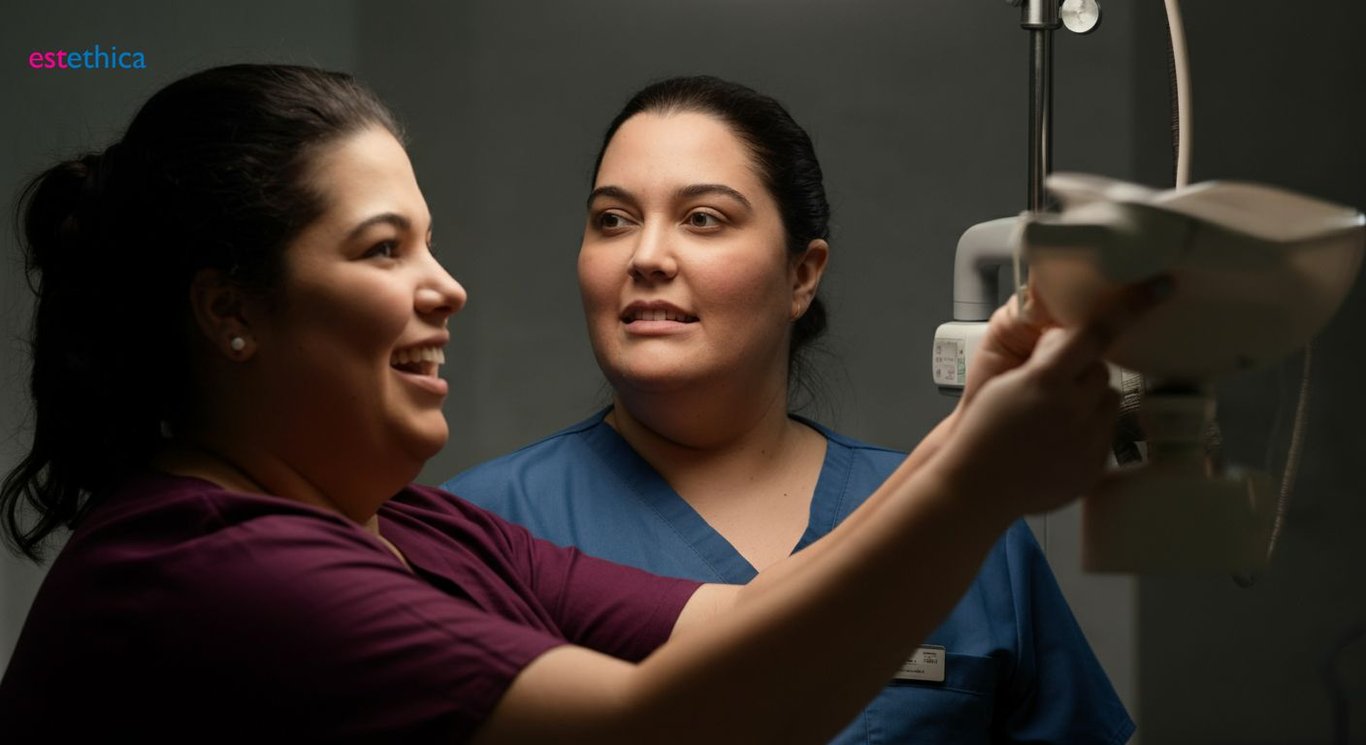
Innovation in surgical techniques is revolutionizing the landscape of bariatric surgery. Minimally invasive options are now at the forefront, designed to reduce recovery time and minimize complications. Techniques such as laparoscopic surgery and robotic-assisted procedures represent a significant leap forward, promising enhanced safety and effectiveness in patient care during obesity surgery.
These advancements are changing the narrative around weight loss surgery, providing patients with more accessible and less daunting pathways to better health. Minimally invasive approaches not only decrease physical trauma but also improve cosmetic outcomes, as evidenced by smaller scars and reduced post-operative discomfort. As these methods evolve, they're increasingly becoming the standard, offering a blend of safety, efficacy, and aesthetic benefits to those seeking surgical options for weight management.
- Reduced Recovery Time: Minimally invasive surgeries allow patients to return to their daily routines more quickly.
- Minimized Complications: Smaller incisions decrease the risk of infection and other post-operative issues.
- Enhanced Precision: Robotic-assisted surgeries offer greater accuracy, leading to improved outcomes.
The Impact of Technology on Bariatric Surgery
The integration of advanced technology is significantly enhancing the precision and success rates of bariatric surgery. Robotic-assisted surgery, for example, offers surgeons enhanced dexterity and a magnified view of the surgical site, leading to more accurate and controlled procedures. This technology translates to less tissue damage, reduced blood loss, and quicker healing times for patients undergoing surgery.
Furthermore, techniques such as laparoscopic sleeve gastrectomy and gastric bypass are now performed with greater efficiency, as surgeons use smaller incisions and specialized instruments to navigate within the abdomen. These technological advancements are crucial in minimizing the invasiveness of surgery, thereby encouraging more patients to consider surgical options for effective weight loss and improved overall health. The evolution of these techniques aligns with guidelines, prioritizing patient safety and optimal outcomes in the field of bariatric care.
- Pre-operative Assessment: Detailed imaging to plan the surgical approach.
- Intra-operative Precision: Use of robotics for enhanced surgical accuracy.
- Post-operative Care: Monitoring with advanced diagnostics to ensure optimal recovery.
Advanced Bariatric Surgery: Minimally Invasive Techniques for Sustainable Weight Loss
Personalized Patient Care and Advanced Surgical Precision
Frequently Asked Questions
Who is a suitable candidate for Weight Loss Surgery?
What are the different types of Bariatric Surgery procedures available?
What is recovery like after Obesity Surgery?
What are the benefits of Minimally Invasive Bariatric Surgery?
Achieve your aesthetic goals with estethica’s personalised treatment plans.
📞 Get Your Free Consultation!