


Discover if weight loss surgery is the right choice for you with insights on different options, qualifications, and postoperative care.
Weight Loss Surgery: Is It the Right Choice for You?
Making the decision to undergo weight loss surgery is a significant step towards better health. It's essential to understand what bariatric surgery entails, who qualifies for it, and the different surgical options available. This guide is designed to provide comprehensive information to help you decide if this path is right for you.
Understanding Bariatric Surgery: What It Is and How It Works
Bariatric surgery, also known as obesity surgery, involves various procedures that help with weight loss by making changes to the digestive system. This type of surgery is considered for people who have not been able to lose weight through diet and exercise and who have serious health problems related to obesity, such as diabetes and heart disease.
Qualifying for Bariatric Surgery: Key Considerations
Determining eligibility for bariatric surgery involves several essential factors. Primarily, Body Mass Index (BMI) plays a crucial role; typically, a BMI of 40 or higher, or a BMI of 35 with obesity-related health issues, may qualify an individual. Beyond BMI, a comprehensive medical evaluation is necessary to assess overall health and suitability for surgery. This evaluation includes psychological assessments to ensure the patient is mentally prepared for the lifestyle changes that follow surgery. For instance, individuals with a history of unstable mental health conditions may need additional support before being considered.
- BMI Threshold: Generally, a BMI of 40+ or 35+ with comorbidities such as type 2 diabetes is considered.
- Failed Weight Loss Attempts: Individuals who have tried unsuccessfully to lose weight through diet and exercise are often good candidates.
- Health Status: A thorough medical evaluation confirms the absence of contraindications and ensures the patient is fit for surgery.
Furthermore, commitment to long-term lifestyle adjustments, including dietary changes and regular exercise, is vital. The NICE bariatric surgery guidelines emphasize the importance of multidisciplinary assessment and support, highlighting that surgery is just one part of a comprehensive treatment plan. Ultimately, the decision to undergo bariatric surgery is a collaborative one between the patient and a team of healthcare professionals, considering all aspects of their health and lifestyle.
Exploring Different Types of Bariatric Surgery
Several surgical options are available, each with its own approach to aiding weight loss. Gastric bypass, for example, reduces the size of the stomach and reroutes the digestive tract, limiting food intake and calorie absorption. Another common procedure is sleeve gastrectomy, which involves removing a portion of the stomach to create a smaller, sleeve-shaped stomach. According to recent studies, sleeve gastrectomy accounted for approximately 60% of bariatric procedures performed worldwide due to its effectiveness and relatively lower risk profile compared to more complex surgeries.
- Gastric Bypass: Reduces stomach size and alters the digestive path, decreasing calorie absorption.
- Sleeve Gastrectomy: Removes a large portion of the stomach, restricting food intake.
- Adjustable Gastric Banding: Places a band around the upper part of the stomach to limit food consumption.
The choice of procedure depends on various factors, including the patient's overall health, specific weight loss goals, and the surgeon's expertise. For instance, patients with severe acid reflux might benefit more from gastric bypass than sleeve gastrectomy. The recovery after bariatric surgery also varies depending on the procedure, with most patients requiring a few weeks to fully recover. Patients sometimes search "bariatric bypass surgery recovery time" on the internet to learn more about the process.

Qualifying for Weight Loss Surgery: Key Considerations & BMI
To qualify for weight loss surgery, candidates typically need a body mass index (BMI) of 40 or higher, or a BMI of 35-39.9 with obesity-related health conditions. Medical evaluations and a commitment to lifestyle changes post-surgery are also necessary.
BMI as a Primary Criterion for Bariatric Surgery Eligibility
Body Mass Index (BMI) serves as a critical benchmark in determining whether an individual is a suitable candidate for weight loss surgery. Generally, a BMI of 40 or greater indicates severe obesity, which often qualifies a person for surgical intervention. Additionally, individuals with a BMI between 35 and 39.9 who also suffer from obesity-related comorbidities may also meet the criteria. These comorbidities can include conditions such as type 2 diabetes, hypertension, sleep apnea, and cardiovascular diseases, which significantly impact overall health and quality of life.
- Severe Obesity (BMI ≥ 40): Individuals in this category are often considered candidates due to the increased health risks associated with their weight.
- Obesity with Comorbidities (BMI 35-39.9): If accompanied by conditions like diabetes or hypertension, weight loss surgery may be recommended.
- Failed Non-Surgical Attempts: Those who have not achieved significant weight loss through other methods may qualify based on BMI and health status.
Comprehensive Medical and Psychological Evaluations
Beyond BMI, a comprehensive medical and psychological evaluation is essential. This evaluation aims to ensure that the patient is physically and mentally prepared for the surgery and the lifestyle adjustments that follow. Medical assessments involve a thorough review of the patient’s medical history, current health status, and any pre-existing conditions. Psychological assessments focus on evaluating the patient’s understanding of the surgical process, their expectations, and their commitment to making the necessary lifestyle changes, as also highlighted in the NICE bariatric surgery guidelines.
- Medical History Review: Assessing past and present health conditions to identify any contraindications.
- Psychological Evaluation: Ensuring the patient is mentally prepared for the lifestyle changes and has realistic expectations.
- Commitment to Lifestyle Changes: Evaluating the patient's willingness to adopt a healthier diet and exercise regimen.
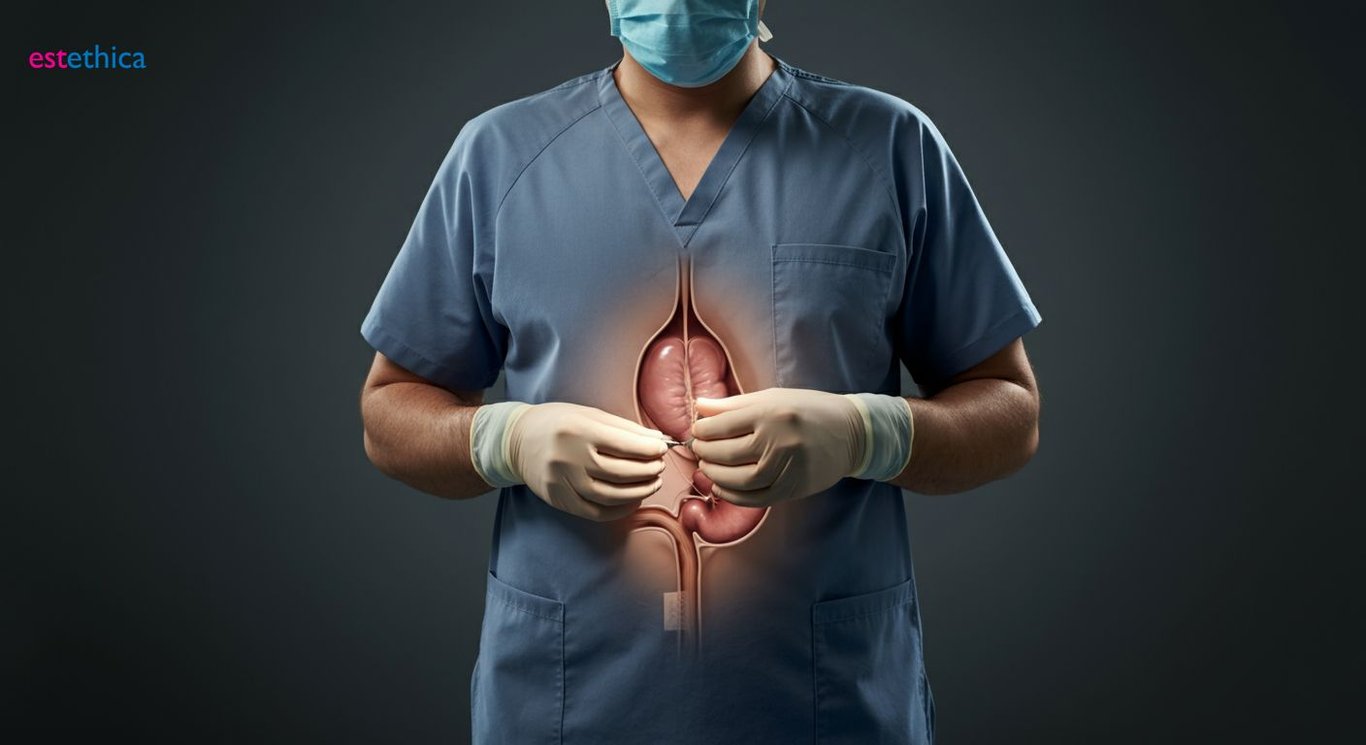
Navigating Bariatric Surgery Options: Gastric Bypass vs. Sleeve
Gastric bypass and sleeve gastrectomy are two of the most common bariatric procedures. Gastric bypass alters the stomach and small intestines to change the way they absorb and handle food. Sleeve gastrectomy involves removing part of the stomach, which leads to a decrease in appetite and food intake.
How Gastric Bypass Changes Digestion and Absorption
Gastric bypass, also known as Roux-en-Y, is a complex procedure that significantly alters the digestive process. In this surgery, a small pouch is created from the stomach, which then connects directly to the small intestine, bypassing a large part of the stomach and duodenum. This rerouting reduces the amount of food that can be eaten and limits the absorption of calories and nutrients. For instance, patients may experience dumping syndrome if they consume sugary or high-fat foods, leading to discomfort and reinforcing healthier eating habits. Studies reveal that gastric bypass can lead to significant long-term weight loss and improvement in obesity-related conditions.
- Reduced Stomach Size: Limits food intake, promoting smaller meal portions.
- Intestinal Rerouting: Decreases calorie and nutrient absorption.
- Hormonal Changes: Impacts gut hormones to reduce appetite and improve satiety.
The Sleeve Gastrectomy Approach: Restricting Food Intake
Sleeve gastrectomy, on the other hand, focuses on physical restriction by removing approximately 80% of the stomach. The remaining portion forms a narrow, sleeve-shaped structure. This smaller stomach capacity significantly limits the amount of food that can be consumed at one time, leading to weight loss. Furthermore, the removal of a large part of the stomach reduces the production of ghrelin, a hormone that stimulates appetite. For example, patients often report feeling full after eating only a small portion of their meal, which supports consistent caloric reduction. The procedure has gained popularity due to its effectiveness and lower risk of complications compared to gastric bypass.
- Stomach Reduction: Decreases stomach size to limit food intake.
- Ghrelin Reduction: Lowers the production of the hunger hormone, reducing appetite.
- Improved Satiety: Promotes feeling full with smaller meals, aiding in consistent caloric control.

Beyond the Procedure: Recovery and Life After Weight Loss Surgery
Post-surgery recovery is a crucial phase for long-term success. Patients need to adhere to a new diet, exercise regularly, and attend follow-up appointments. Emotional support and counseling may also be needed to help cope with lifestyle changes.
Navigating the Initial Recovery Phase After Bariatric Surgery
The initial recovery phase following bariatric surgery is critical for long-term success and requires careful attention to specific guidelines. Immediate post-operative care focuses on managing pain, preventing complications, and gradually introducing liquids. Patients typically start with clear liquids, advancing to pureed foods over several weeks, as the digestive system heals. Adherence to this progressive dietary plan is essential to avoid issues such as leaks or blockages. For example, patients are advised to sip water slowly throughout the day rather than drinking large amounts at once. Regular monitoring by healthcare professionals during this period helps ensure optimal healing and minimal discomfort.
- Pain Management: Effective control of post-operative discomfort through prescribed medications and comfort measures.
- Progressive Diet: Gradual introduction of liquids and pureed foods to allow the digestive system to heal.
- Regular Monitoring: Scheduled follow-up appointments to track recovery and address any complications.
Long-Term Lifestyle Adjustments and Support After Weight Loss Surgery
Sustained success after weight loss surgery hinges on making significant and permanent lifestyle adjustments. These include adopting a nutrient-dense diet, engaging in regular physical activity, and attending ongoing support groups or counseling sessions. Dietary changes necessitate a focus on protein intake, portion control, and avoiding sugary or high-fat foods. Exercise should be incorporated gradually, starting with light activities such as walking, and progressing to more intensive workouts. Furthermore, emotional support is crucial, as patients may face psychological challenges related to body image, eating habits, and social interactions. For instance, joining a bariatric support group can provide a sense of community and shared experience, fostering long-term commitment to a healthier lifestyle. Such holistic approaches are vital for maximizing the benefits of bariatric surgery and maintaining lasting weight loss, consistent with NICE bariatric surgery guidelines.
- Dietary Changes: Prioritizing nutrient-dense foods, controlling portion sizes, and avoiding unhealthy options.
- Regular Exercise: Gradually increasing physical activity to improve fitness and maintain weight loss.
- Emotional Support: Participating in support groups or counseling to address psychological challenges and promote overall well-being.
Advanced Bariatric Techniques: Gastric Bypass and Sleeve Gastrectomy for Effective Weight Loss
estethica employs advanced bariatric surgery techniques, including gastric bypass and sleeve gastrectomy, tailored to individual patient needs. Gastric bypass alters the digestive process to limit calorie absorption, while sleeve gastrectomy reduces stomach size and ghrelin production to decrease appetite and improve satiety.
estethica's bariatric surgery team possesses extensive experience in performing these procedures, ensuring patients receive personalized and effective treatment plans. Prior to surgery, patients undergo comprehensive medical and psychological evaluations to determine suitability and ensure realistic expectations for long-term lifestyle changes.
Patient-Centric Bariatric Care: Ensuring Safety, Comfort, and Lasting Results
estethica prioritizes patient safety and comfort, providing state-of-the-art facilities and personalized care throughout the bariatric surgery journey. Post-operative care includes progressive dietary plans, pain management, and regular monitoring to ensure optimal healing and minimize discomfort.
estethica is dedicated to fostering long-term success through comprehensive support and resources. Patients benefit from professionally managed weight-loss programs, follow-up appointments, and emotional support to navigate lifestyle changes and maintain lasting weight loss. This ensures patients receive the continuous care needed for sustained well-being.
Frequently Asked Questions
Who is a good candidate for Weight Loss Surgery?
What are the main types of Bariatric Surgery?
What does recovery look like after Obesity Surgery?
What are the advantages of Gastric Bypass vs. Sleeve Gastrectomy?
Why is BMI important for weight loss surgery qualification?
Achieve your aesthetic goals with estethica's expert guidance.
📞 Book Your Free Consultation!