


Discover the transformative power of bariatric surgery with estethica, your partner in healthy beauty.
Unlocking the Secrets of Bariatric Surgery: Your Comprehensive Guide
Bariatric surgery is a vital tool in combating obesity, offering a pathway to sustained weight loss and improved health. This comprehensive guide explores the latest techniques, how to prepare for surgery, and whether it's the right choice for you. Dive into the world of bariatric surgery with insights from estethica, renowned for its commitment to 'Sağlıklı Güzellik' or 'Healthy Beauty', ensuring expert care and advanced medical solutions.
Understanding What Bariatric Surgery Entails
Exploring the Benefits of Bariatric Surgery
Bariatric surgery offers numerous benefits beyond weight loss. It can significantly improve or even resolve conditions like type 2 diabetes and hypertension. For instance, many patients experience a reduction in their need for diabetes medication post-surgery. Additionally, the procedure can enhance mobility, allowing individuals to engage in physical activities they previously found challenging.
- Improved metabolic health, reducing the risk of heart disease.
- Enhanced quality of life through increased energy levels.
- Potential for long-term weight maintenance with lifestyle changes.
These benefits highlight the transformative potential of bariatric surgery, making it a viable option for those struggling with obesity-related health issues.
Understanding the Process of Bariatric Surgery
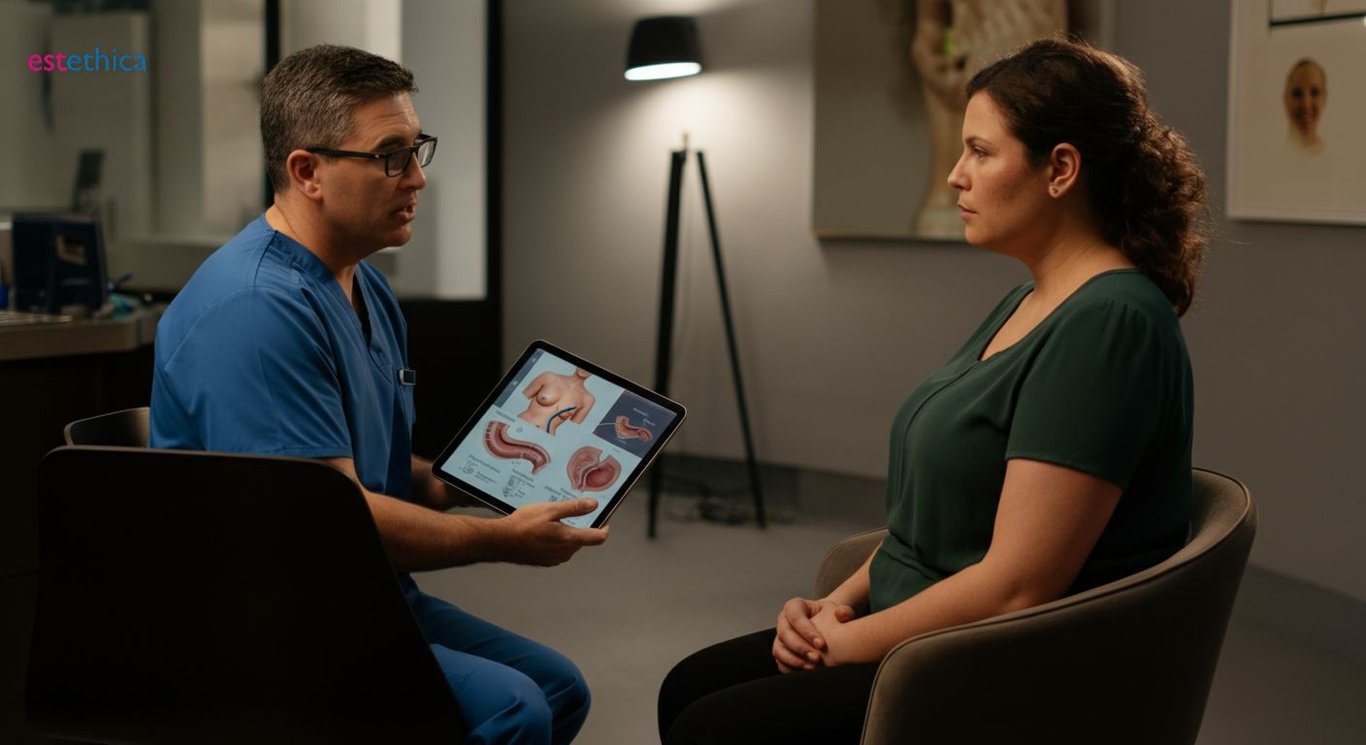
The process of undergoing bariatric surgery involves several stages, each crucial for ensuring safety and effectiveness. Initially, patients undergo a comprehensive evaluation to determine their suitability for the procedure. This assessment includes medical history reviews and psychological evaluations.
- Pre-surgery consultations to discuss goals and expectations.
- The surgical procedure, which varies based on the chosen technique.
- Post-operative care, including dietary adjustments and follow-up visits.
Each step is designed to support the patient's journey towards a healthier lifestyle, with personalized care plans tailored to individual needs.
How to Prepare for Your Bariatric Surgery Journey
Mental and Physical Preparation for Bariatric Surgery
Preparing for bariatric surgery requires both mental and physical readiness. Candidates must undergo comprehensive health evaluations, including nutrition and psychological assessments, to ensure they are well-prepared for the journey ahead. Establishing a robust support system is crucial for success.
- Engage in mental health counseling to address emotional readiness.
- Adopt a healthier lifestyle by incorporating regular exercise.
- Build a network of supportive friends and family members.
These steps help create a solid foundation for a successful surgery and recovery process, ensuring patients are mentally and physically equipped to handle the changes.
Practical Steps for a Successful Bariatric Surgery
Practical preparation is essential for a smooth bariatric surgery experience. Candidates are advised to make lifestyle adjustments, such as quitting smoking and adapting to new dietary habits, which can significantly impact surgical outcomes.
- Eliminate smoking to reduce surgical risks and improve healing.
- Gradually adjust to a post-surgery diet to ease the transition.
- Attend pre-surgery educational sessions to understand the procedure.
These practical steps, guided by estethica’s team, ensure that patients are thoroughly prepared, enhancing the likelihood of a successful surgery and recovery.

Exploring the Latest Techniques in Weight Loss Surgery
Advancements in Bariatric Surgery Techniques
Recent advancements in bariatric surgery have revolutionized the field, offering patients safer and more effective options. Minimally invasive laparoscopic methods have become the standard, significantly reducing recovery times. For example, laparoscopic sleeve gastrectomy is now widely used due to its effectiveness and reduced post-operative discomfort.
- Enhanced precision with robotic-assisted surgery, improving outcomes.
- Endoscopic techniques that minimize scarring and recovery time.
- Integration of AI for personalized surgical planning and execution.
These innovations not only improve patient safety but also enhance the overall success rates of weight loss surgeries.
The Role of Technology in Weight Loss Surgery
Technology plays a crucial role in modern weight loss surgery, offering tools that enhance precision and patient outcomes. For instance, virtual reality simulations are used for pre-surgical planning, allowing surgeons to visualize complex procedures before they occur.
- Pre-operative imaging for detailed anatomical mapping.
- Intraoperative navigation systems for real-time guidance.
- Post-operative monitoring with wearable technology for recovery tracking.
These technological advancements ensure that patients receive the most advanced care, leading to quicker recoveries and better long-term results.

Is Bariatric Surgery the Right Choice for You?
Evaluating Your Suitability for Bariatric Surgery
Determining if bariatric surgery is suitable involves assessing various personal health factors. Candidates typically have a BMI of 40 or higher, or 35+ with obesity-related conditions like type 2 diabetes. For example, someone with severe sleep apnea might find significant relief post-surgery. Additionally, individuals who have struggled with weight loss through traditional methods may consider this option.
- Consideration of existing health conditions and their impact on daily life.
- Evaluation of previous weight loss attempts and their outcomes.
- Assessment of readiness for long-term lifestyle changes post-surgery.
These factors help in making an informed decision, ensuring that the surgery aligns with personal health goals and circumstances.
Commitment to Lifestyle Changes Post-Surgery
Success in bariatric surgery heavily relies on the patient's commitment to lifestyle changes. Post-surgery, individuals must adhere to a new dietary regimen and incorporate regular physical activity. For instance, a patient might transition to a high-protein, low-carb diet to maintain weight loss. Furthermore, ongoing medical follow-ups are crucial to monitor progress and address any complications.
- Adopt a balanced diet tailored to post-surgery needs.
- Engage in regular physical activities to enhance weight maintenance.
- Attend scheduled follow-up appointments for continuous health monitoring.
These commitments are essential for achieving and sustaining the benefits of weight loss surgery, ensuring a healthier and more active lifestyle.
Innovative Techniques in Bariatric Surgery
Comprehensive Care and Patient Success
Frequently Asked Questions
What are the benefits of bariatric surgery beyond weight loss?
How should one prepare for weight loss surgery?
What are the latest techniques in bariatric surgery?
Is bariatric surgery the right choice for everyone struggling with obesity?
What is the role of technology in modern weight loss surgery?
Discover the Path to 'Healthy Beauty' with estethica! Call Now for Your Free Consultation.
📞 Speak with Our Experts Today!