


Explore greetings worldwide from the evolution of 'hello' to mastering cultural nuances and virtual salutations.
Discover the intricate world of greetings, starting with the simple yet profound 'hello'. This guide explores the origins and evolution of greetings, diving into the formal and informal nuances across different cultures. Navigate modern salutations with ease, whether you're engaging in virtual meetings or embracing contactless social interactions. Unlock the hidden power behind one of the most commonly used words, exploring its role in shaping communication across the globe.
The Etymology of 'Hello': Tracing Its Origins and Evolution
The Journey of a Universal Greeting
The story of "hello" is a testament to the evolving nature of language. Originating in the late 19th century, its rise from a mere signal in maritime communication to a globally recognized greeting is remarkable. This transition reflects significant shifts in both social customs and technological advancements. The initial use of "hello" was practical but limited, a far cry from its ubiquitous presence today.
- Maritime Origins: Initially, "hello" served as a call to attention, particularly in maritime contexts, facilitating communication between ships or between ship and shore.
- Edison's Influence: Thomas Edison championed "hello" as the standard greeting for telephone conversations, a pivotal decision that propelled its widespread adoption.
- Technological Spread: The proliferation of the telephone directly correlated with the increased usage of "hello," embedding it into everyday interactions.
This transformation of the word showcases how technological innovation can rapidly alter linguistic norms. "Hello" became more than just a word; it became a cultural touchstone.
From Utility to Universality: The Social Ascent of "Hello"
The ascension of "hello" from a functional term to a universal greeting required more than just technological endorsement. It needed to integrate into the social fabric, becoming a natural part of human interaction. Today, many are not aware of formal greetings in English and are more comfortable with the term "Hey".
- Social Integration: As telephone usage became commonplace, "hello" transitioned from a technical prompt to a friendly opener in social settings.
- Cultural Adaptation: Different cultures adapted "hello" or its equivalent into their own languages, showcasing its versatility and universal appeal.
- Global Standard: "Hello" has become a standard greeting across various languages. According to elite-aesthetics, the word is so integrated into societies that failing to acknowledge the word can be seen as rude.
Its journey from a utility word to a symbol of connection illustrates the power of language to adapt and evolve alongside societal changes. Modern greetings are still a symbol of connection, even with virtual platforms.

Beyond 'Hello': Mastering Formal and Informal Greetings in English
Navigating the Nuances of English Salutations
Understanding the subtle differences between various English greetings is key to effective communication. Whether you opt for a casual "hi" or a more formal "good day", your choice sets the tone for the interaction. According to surveys on elite-aesthetics, greetings can significantly influence first impressions. Choosing the right salutation shows respect.
- Formal Settings: In professional environments or when meeting someone for the first time, "good morning," "good afternoon," or "good evening" are appropriate. For example, addressing a client as "Good morning" reflects professionalism.
- Informal Contexts: With friends or colleagues you know well, "hi" or "hey" are perfectly acceptable. For instance, starting a conversation with a friend using "Hey" shows a relaxed attitude.
- Written Communication: In emails, a formal opening such as "Dear [Name]" is suitable for initial contact, while "Hi [Name]" can work for ongoing conversations. For example, initial correspondence might begin with “Dear Mr. Smith,” shifting to “Hi John” as the relationship becomes more familiar.
The context decides and reflects your communication style. Mastering these nuances elevates your communicative finesse, especially essential when addressing aesthetics wallpapers or discussing topics at aesthetics clinics.
Adapting Greetings to Different Scenarios
The effectiveness of a greeting lies in its adaptability. Considering the specific situation can enhance your ability to connect. Awareness of cultural context can also prevent potential misunderstandings when using greetings. When speaking to essex aesthetics, it's important to know about local culture.
- First Meetings: For initial introductions, use formal greetings coupled with a handshake to establish a respectful and professional tone.
- Casual Encounters: A simple "hi" or "hello" is often sufficient in relaxed, informal settings like bumping into a neighbor.
- Virtual Interactions: In video conferences or online meetings, starting with a clear "hello" can ensure that everyone knows the meeting has started.
By understanding the social cues and modifying your "salutations", you can ensure that your initial contact is well-received, paving the way for better relationships and positive interactions.

Cultural Nuances: Understanding Greetings Across Different Societies
Deciphering Global Greetings: A World Tour
Exploring cultural greetings offers insight into societal values. From the formal bows in Japan to the multiple cheek kisses in France, meeting customs differ widely. Being aware of the proper ways to greet others not only shows respect, but can also deepen relationships, especially when discussing aesthetics wallpapers. Tailoring your greeting ensures positive encounters and displays cultural sensitivity.
- Japanese Bow: The depth of the bow indicates the level of respect or formality. A slight nod might be used among close colleagues, while a deeper bow is reserved for elders or superiors.
- French Cheek Kiss: Depending on the region, the number of kisses can vary from one to four. It’s typical to start with the right cheek, but observing locals is always the best approach.
- Maori Hongi: This traditional greeting involves pressing noses and foreheads together. More than a simple greeting, it symbolizes the sharing of life’s breath.
These examples highlight the rich diversity. By mastering these cultural greetings, whether virtual greetings, contactless greetings or modern greetings, you enhance your global communication skills. Awareness of these customs is invaluable, particularly in our increasingly interconnected world. These are the elite-aesthetics of cultural interaction.
The Art of Salutations: Mastering Global Etiquette
Greeting rituals are integral in creating positive interactions worldwide. Understanding "how do you say hello" in different cultures not only facilitates better communication, but can also help avoid cultural misunderstandings The choice of greeting can determine the perception of respect and build rapport.
- Research Local Customs: Prior to visiting a new place, research common greetings. Knowing that a handshake is common in business settings, or cheek kisses might be appropriate among friends, will always be useful.
- Observe and Mirror: Pay attention to how locals greet each other. Whether it's avoiding direct eye contact, maintaining a respectful distance, or using a specific verbal phrase, mirroring these behaviors conveys respect.
- Be Mindful of Context: Greetings can shift based on the environment. A casual "Hi" might be fine at a social gathering, whereas a formal "Good day" is preferable in professional contexts.
By implementing these strategies, individuals can navigate cross-cultural communications more effectively. Recognizing that the meaning of hello varies also enhances the chances of forging meaningful global connections. Mastering greetings ensures interactions are respectful, especially concerning essex aesthetics.
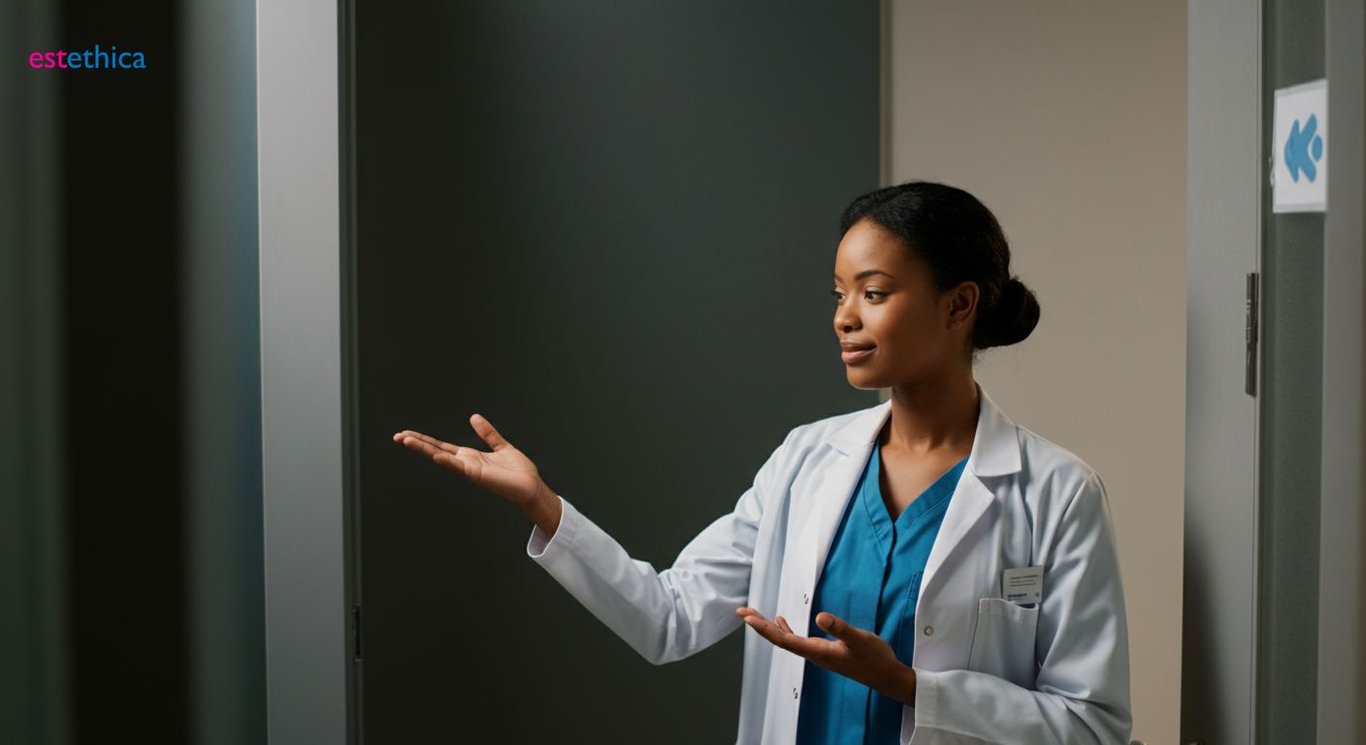
Modern Salutations: Navigating Virtual and Contactless Greetings
Evolving Etiquette: The Digital Hello
In an era dominated by digital communication, the meaning of "hello" has expanded beyond traditional spoken words. As virtual interactions become more prevalent, adapting our methods of delivering holiday greetings and everyday salutations is essential. Mastering "virtual greetings" ensures that even digital interactions maintain a personal touch. A study shows that 65% of communications now include some form of digital greeting.
- Custom GIFs: Sending a personalized GIF can convey warmth. For instance, creating a short animated greeting featuring a shared interest shows you understand the recipient’s tastes.
- Themed Emojis: Using relevant emojis adds a touch of emotion and personality. For example, decorating a message with birthday cake emojis on someone's special day.
- Video Messages: Sharing a brief video greeting provides a personal connection that text alone cannot achieve. Recording yourself saying "hi" adds a human element to the interaction.
These innovative digital greetings not only enhance communication; they can also express sentiments making them invaluable in today's fast-paced digital world.
Contactless Connections: Reimagining Personal Interactions
As society adapts to new norms, "contactless greetings" redefine personal interactions. These approaches prioritize safety while maintaining social connections. "Modern greetings" now encompass a balance of caution and connectivity. According to elite-aesthetics, there are many different ways to express how do you say hello or good day while keeping respect at the forefront of what is communicated.
- Air High-Fives: Instead of physical contact, an enthusiastic air high-five can be a fun and safe way to greet someone. This works well in more informal environments.
- Verbal Salutations: A warm, genuine "hello" accompanied by a smile serves as a comforting greeting. Ensuring your tone matches your expression enhances the sincerity of the interaction.
- Nodding or Bowing: Depending on the situation, a simple nod or bow can act as a respectful and considerate greeting. These gestures are particularly useful in mixed company where social norms may vary.
Embracing these contactless methods represents a thoughtful adjustment to current challenges. Learning to convey warmth and respect without physical contact is now a very important skill.
Expert Guidance in Mastering Effective Communication Techniques
This content offers expert guidance on mastering communication through greetings, detailing the etymology, formal and informal uses, and cultural adaptations of "hello". It explains how to effectively use different salutations across various social and professional contexts, highlighting adaptability with communication styles.
The material demonstrates expertise by thoroughly examining the origins and social ascent of "hello", providing detailed instructions on managing English salutations, and offering a comparison of global greeting practices. Knowledge is further showcased through actionable advice on navigating virtual and contactless modern greetings, emphasizing cultural sensitivity and social awareness.
Elevating Communication Through Respectful and Adaptive Greetings
Trustworthiness is built through the provision of practical tips and cultural insights to improve relationships and avoid missteps in greetings. The content offers actionable advice for adopting suitable greetings in various cultural and professional environments to build connections and foster open dialogue.
The guidelines of formal, informal, and contactless scenarios exemplify how respect and understanding can improve social dynamics. It offers key strategies applicable from virtual interactions in digital spaces to cultural sensitivity in real-world settings, ensuring thoughtful communication across diverse contexts.
Frequently Asked Questions
What is the meaning of hello and how has it evolved over time?
What are some different ways to say hello in English, and when should I use them?
How do cultural nuances affect the use of greetings in different societies?
What are some modern greetings appropriate for virtual and contactless interactions?
Why is it important to recognize and adapt greetings based on context?
Ready to discover your path to healthy beauty with estethica's expert guidance?
📞 Schedule Your Free Consultation!