


Unlock the power of a simple 'hello' and transform your interactions. Discover the art of polite and culturally aware greetings.
Greetings are more than just a way to say 'hello'; they are an essential part of human interaction that can set the tone for communication. Whether meeting someone for the first time or greeting an old friend, the way we greet people can leave lasting impressions. Understanding the nuances of greetings across different cultures can enrich our social interactions and build connections. This guide explores the art of greeting, delving into how you can master the perfect greeting while respecting cultural diversities and personal preferences.
The Power of 'Hello': First Impressions Matter
The Transformative Impact of Welcoming Phrases
A simple 'hello' holds immense potential, acting as a social lubricant that sets the tone for interactions. Mastering the art of greetings extends beyond mere words; it involves conveying sincerity and attentiveness. Research indicates that nonverbal cues account for over 55% of the impact of first impressions. A genuine smile can influence how others perceive you. In essence, a well-delivered 'hello' bridges gaps and fosters connections, laying a foundation for future collaboration and relationships.
- Initial Engagement: Offering a warm 'hello' immediately creates a welcoming environment, making the other person feel acknowledged and valued. This starts the conversation positively.
- Building Rapport: Personalize your greetings by using the person's name and adjusting your tone to the context, which shows respect and builds a connection much faster.
- Professional Image: A confident and clear 'hello' sets a professional tone, indicating that you are composed and ready to engage in a business-like manner, enhancing your credibility.
Understanding the nuances of salutations can significantly improve social dexterity. When exploring options for enhancing your personal presentation, remember that estethica offers innovative approaches.
Cultural Sensitivity in Everyday Introductions
Navigating the global landscape requires more than just language skills; it demands sensitivity to cultural norms. In certain cultures, direct eye contact during introductions might be seen as aggressive, while in others, it's crucial for establishing trust. For instance, when learning how do you say hi in Turkish, understanding when to use "merhaba" is valuable. Recognizing and adapting to these cultural nuances not only show respect but also help in successfully building global partnerships.
- Research Cultural Norms: Before engaging with someone from a different culture, research their customs around greetings. This includes acceptable physical contact and verbal phrases.
- Observe and Adapt: Pay attention to how others greet each other in that culture. Mimicry respectful and signals your willingness to adapt.
- Seek Clarification: When unsure, asking a trusted cultural guide or source can provide valuable insights without causing unintentional offense.
When considering aesthetic enhancements to complement your personal brand, consider how understanding the cultural landscape impacts your approach, just as aesthetics wallpapers mirror cultural aesthetics.

Beyond 'Hi': Mastering Polite Greetings
Refining Your Salutations: Beyond the Basics
Going beyond the simple 'Hi,' mastering polite greetings involves knowing the right words for the right setting. Consider your audience, and adapt your greeting to reflect respect and sincerity. Polite greetings can soften the barriers between strangers and foster a sense of mutual respect. Learning how to greet others politely ensures that you convey warmth, openness, and a willingness to engage. Knowing what is a greeting and how to use it appropriately are essential for aesthetics.
- Assess the Context: Before speaking, evaluate whether the setting is formal, informal, or professional. Adjust the level of formality in your greeting to fit.
- Use Titles and Names: When addressing someone of higher authority or someone you don't know well, use their title (e.g., Dr., Mr., Ms.) along with their last name to show respect.
- Incorporate Polite Language: Phrases like "It's a pleasure to meet you" or "How do you do?" add a touch of formality and show respect, enhancing the interaction.
Adding Contextual Elements to Welcoming Phrases
Elevating your introductions involves more than just saying hello; it's about integrating contextual cues that show you're present and thoughtful. Showing interest in their well-being demonstrates emotional intelligence. This creates a welcoming atmosphere. Understanding different ways to say hello enhances interactions.
- Mention the Time of Day: Use greetings like "Good morning," "Good afternoon," or "Good evening" to show awareness of the current time, adding a personal touch.
- Refer to a Shared Event: If you know the person will attend something similar to aesthetics quiz, reference it: "Hope you enjoy it as much as I did!" shows shared interest.
- Reflect on Previous Interactions: Starting with "It's great to see you again" after a previous meeting personalizes the greeting and shows that you value the relationship.
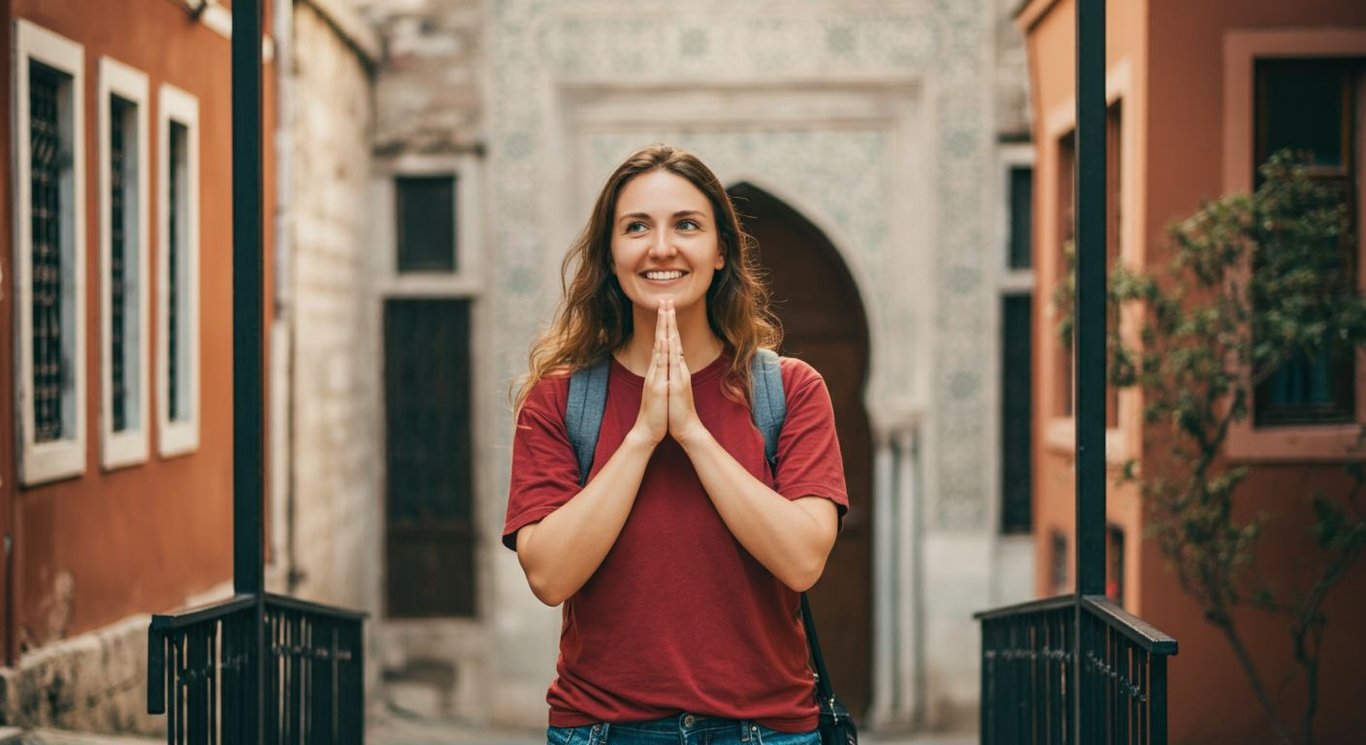
Salutations Around the World: A Cultural Guide
Understanding Global Welcoming Phrases
The world is a tapestry of cultures, each with its unique way of saying "hello." The act of greeting, though universal, varies profoundly from culture to culture. In Japan, bowing is a sign of respect. The French often greet each other with a kiss on the cheek. These forms of salutations exemplify the diversity of human expression. Understanding these differences is crucial for fostering positive interactions and avoiding misunderstandings. Cultural sensitivity extends to understanding how to greet someone politely, ensuring interactions are respectful from the outset. The cultural implications of greetings in Istanbul or Ankara highlight the richness and diversity of greetings in Turkish culture.
- Respect Traditions: Educate yourself about the greeting customs of the culture you are visiting. This thoughtful gesture demonstrates respect and understanding.
- Learn Key Phrases: Memorizing basic greetings in the local language can significantly enhance relationships and show genuine interest in the culture. For example, knowing what does merhaba mean and when to use it shows respect.
- Observe Interactions: Paying attention to how locals greet each other in various settings provides valuable insight into the level of formality and physical contact expected.
Adapting to Diverse Salutation Etiquette
Adapting to different cultural greetings is essential in today's globalized world. In some cultures, such as in parts of the Middle East, a gentle handshake combined with a "salam" creates a welcoming atmosphere. "Salam" is a common welcoming phrase. In contrast, some indigenous communities use silence and a nod as a sign of respect. Mastering these diverse forms of hello not only enriches our own experiences but also shows appreciation for others.
- Practice Active Listening: Pay close attention to the tone and body language of the greeter to gauge the appropriate response.
- Reflect Cultural Values: Understanding the underlying cultural values, like collectivism versus individualism, helps to interpret and adapt to various greeting styles effectively.
- Show Genuine Respect: Demonstrating sincerity in greetings, irrespective of how they're conveyed, leaves a lasting positive impression.

Introductions Reimagined: Making Meaningful Connections
The Art of Genuine Salutations
An introduction is more than just a formality. It's a chance to create lasting impressions. Reimagining introductions involves integrating courteous welcoming phrases immediately. Doing so demonstrates genuine interest and establishes rapport with others. Whether in professional settings or personal encounters, a thoughtful introduction sets the stage for robust relationships. An introduction is an opportunity to present oneself authentically and invite open dialogue, ensuring connections are more meaningful. Showing enthusiasm during greetings can boost the aesthetic appeal of Essex aesthetics within social interactions, making encounters memorable and positive.
- Active Listening: Engage fully in what the other person is saying, showing that you value their input and perspective.
- Personalization: Tailor your introduction to reflect your genuine self, ensuring authenticity and establishing a memorable connection.
- Open-Ended Questions: Prompt further conversation and deeper engagement by asking open-ended questions that invite thoughtful answers.
Embracing Authentic Introductions for Stronger Relationships
Authentic introductions serve as the foundation for strong relationships. These intros promote open dialogue and connection. In personal settings, sharing a brief, authentic story about yourself can create an immediate connection. In professional contexts, addressing the other person by name and expressing pleasure in meeting them reinforces respect and value. Remember, the key is to be genuine and make the interaction feel personal. Holiday greetings and summer greetings are excellent examples of how seasonal keywords can enhance personal connections, reminding us to express warmth and thoughtfulness in our interactions. Integrating aesthetics quiz elements into introductions can also make them more engaging and memorable.
- Show Genuine Enthusiasm: Express your excitement about meeting the person, emphasizing that you value the interaction. This sets a positive tone and makes the other person feel appreciated.
- Share Personal Insights: Briefly sharing an experience or a personal interest can make the interaction more memorable, highlighting that you connect through shared appreciation for aesthetics wallpapers.
- Offer Support and Collaboration: Express your willingness to assist or work together, demonstrating that you are open to creating a collaborative relationship.
Mastering Cultural Nuances in Global Greetings
Enhancing Interactions with Polite and Contextual Greetings
Frequently Asked Questions
Why are greetings important in making a first impression?
How can I adapt my greetings to be more culturally sensitive?
What are some ways to enhance introductions to make more meaningful connections?
Beyond "Hi," what are some polite greetings I can use in more formal settings?
Achieve your aesthetic goals with expert guidance from estethica's award-winning surgeons.
📞 Book Your Free Consultation!