


Discover the secrets of hair transplantation and embark on your journey to regrowth with our expert insights.
Hair transplantation has evolved as a beacon of hope for those combating hair loss. With advanced techniques and skilled professionals, achieving a fuller mane is more attainable than ever. This comprehensive guide unravels the intricacies of hair transplantation, highlighting key methods like FUE and the importance of post-procedure care to ensure lasting results.
Understanding Hair Transplant: What You Need to Know
Exploring the Hair Transplant Process
Hair transplantation is a surgical procedure that involves moving hair follicles from a part of the body, known as the 'donor site', to the bald or balding part of the body known as the 'recipient site'. It is primarily used to treat male pattern baldness. This minimally invasive procedure involves grafting individual follicular units comprised of natural hairs. It can also be used to restore eyelashes, eyebrows, and beards, and fill in scars caused by accidents or surgeries such as facelifts and previous hair transplants.
Key Benefits of Hair Transplant
- Natural-looking results with a restored hairline.
- Permanent solution for hair loss, unlike temporary treatments.
- Boosts confidence by improving appearance.
Hair transplant surgery offers a permanent solution to hair loss, providing natural-looking results. This procedure not only restores the hairline but also enhances overall appearance, boosting confidence. For more insights, visit Hair Transplant Unveiled: Transformative Insights.
Steps in Hair Transplant Surgery
- Consultation to assess hair loss and determine the best approach.
- Extraction of hair follicles from the donor site.
- Implantation of follicles into the recipient site for natural growth.
Understanding the steps involved in hair transplant surgery helps in preparing for the procedure. From consultation to implantation, each phase is crucial for achieving desired results. This meticulous process ensures a successful transformation, making hair restoration a viable option for many.
Exploring Hair Restoration Techniques: FUE and More
Innovative Hair Restoration Methods
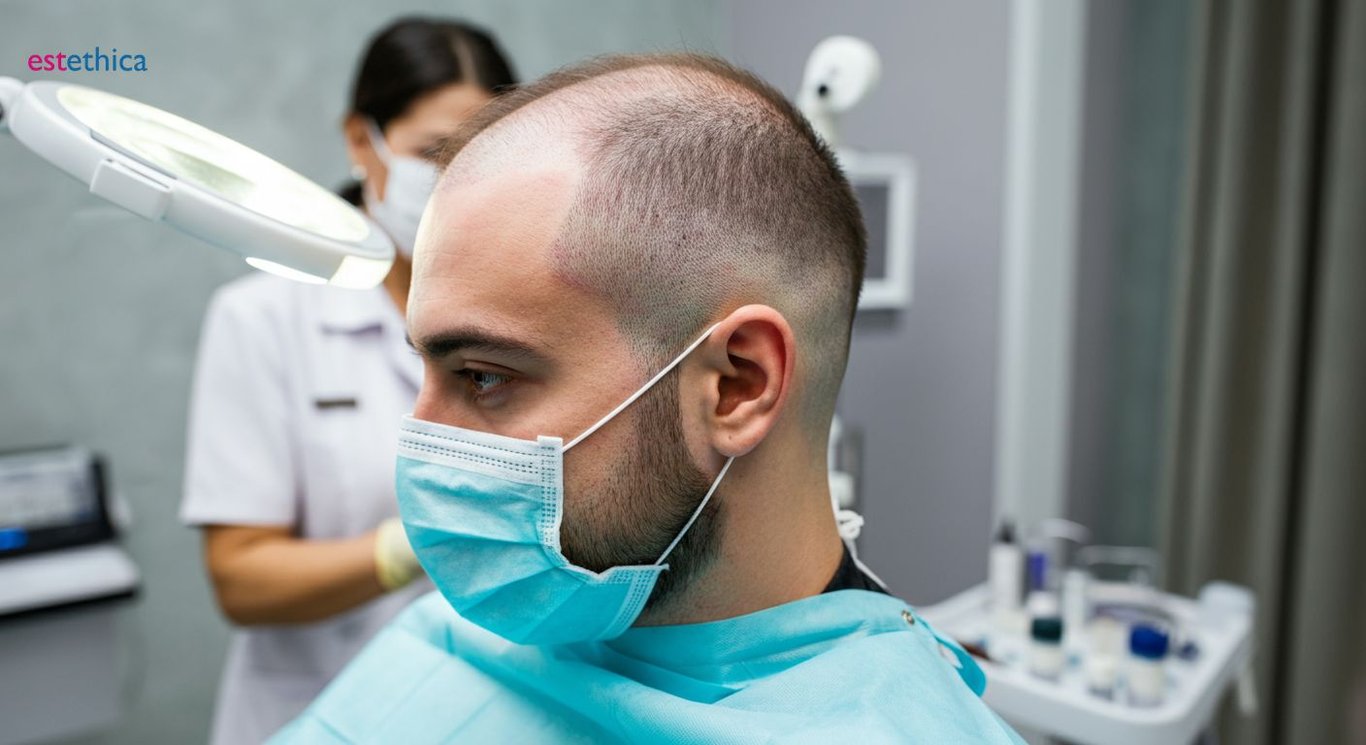
Follicular Unit Extraction (FUE) stands out as a leading hair restoration technique due to its minimally invasive nature. Unlike traditional methods, FUE involves extracting individual hair follicles, which reduces the risk of visible scarring. This technique is particularly popular among those seeking a natural-looking hairline transplant. In addition to FUE, Direct Hair Implantation (DHI) offers a unique approach by using a patented tool to implant each hair, ensuring precision and minimizing scalp damage. These advanced methods are available at renowned clinics, including those on Harley Street, known for their expertise in hair surgery near me searches.
Advantages of Modern Hair Restoration Techniques
- Minimally invasive procedures with reduced recovery time.
- Natural-looking results that blend seamlessly with existing hair.
- Advanced techniques available at top clinics like Harley Street.
These modern techniques not only offer aesthetic benefits but also enhance patient comfort and satisfaction. By choosing the right method, individuals can achieve their desired look without the worry of noticeable scars or lengthy recovery periods.
Steps in Follicular Unit Extraction (FUE)
- Preparation of the donor area by trimming hair for easy access.
- Extraction of individual follicles using a micro-punch tool.
- Implantation of follicles into the recipient area for natural growth.
Understanding the FUE process helps potential candidates prepare for the procedure. Each step is meticulously executed to ensure optimal results, making it a preferred choice for those seeking effective hair restoration solutions.
Preparing for Hair Transplant Surgery: Essential Steps
Key Preparations for a Successful Hair Transplant
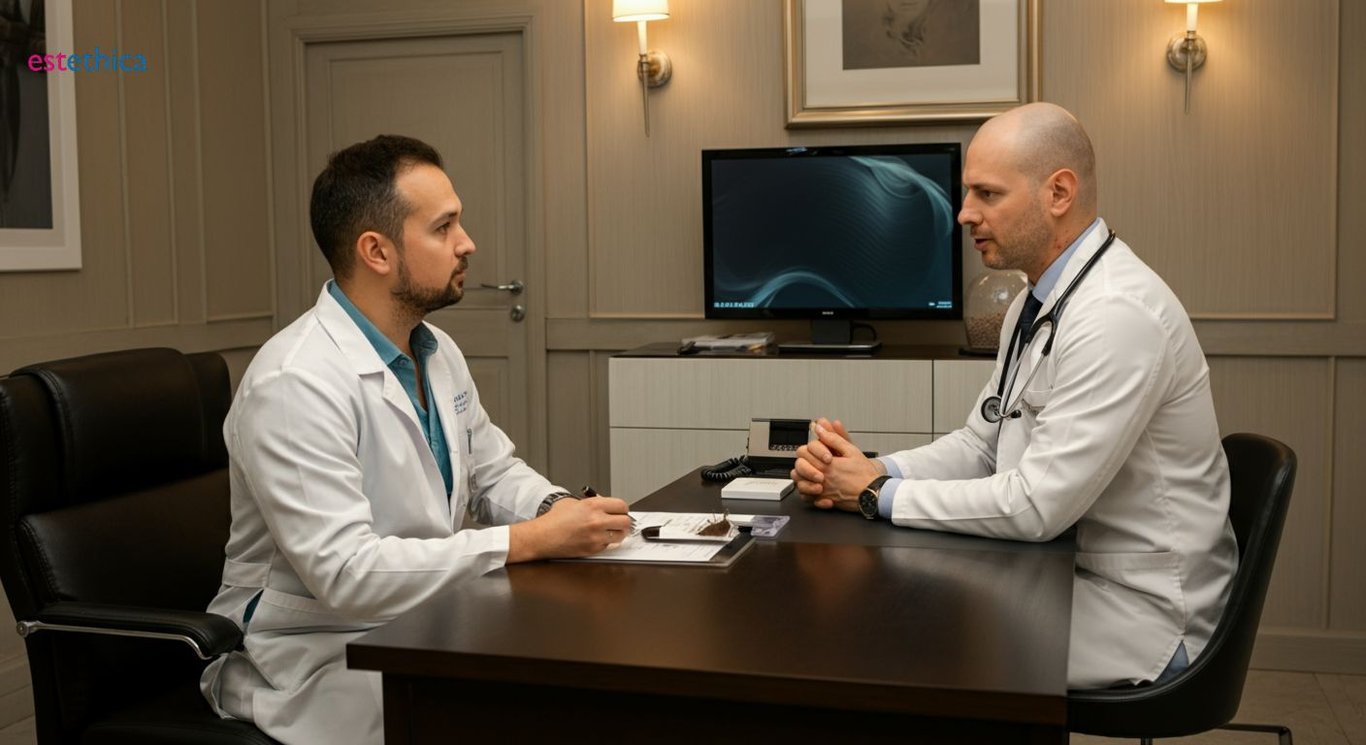
Before undergoing hair transplant surgery, it's crucial to engage in a comprehensive consultation with your doctor. This discussion helps set realistic expectations and explore various hair restoration options. Avoiding smoking and alcohol is advised as these can impede the healing process. Additionally, adhering to pre-operative instructions from your medical team is essential for optimal results. For instance, some clinics may recommend specific hair care routines or dietary adjustments to enhance the surgery's success.
Essential Pre-Operative Steps
- Schedule a detailed consultation to discuss goals and procedures.
- Follow specific pre-surgery guidelines provided by your clinic.
- Prepare mentally and physically for the recovery process.
These steps ensure that you are well-prepared for the procedure, reducing anxiety and enhancing the likelihood of a smooth recovery. Clinics on Harley Street, known for their expertise in hair surgery near me, often provide comprehensive pre-operative care to ensure patient readiness.
Factors Influencing Hair Transplant Success
- Choosing a reputable clinic with experienced surgeons.
- Understanding the hairline transplant process and expected outcomes.
- Commitment to post-operative care and follow-up appointments.
By selecting the right clinic and following through with post-operative care, patients can achieve a natural-looking hairline and improved appearance. This preparation phase is vital for ensuring the best possible results from your hair transplant surgery.
Post-Transplant Care: Ensuring Permanent Results
Effective Post-Operative Hair Care Practices
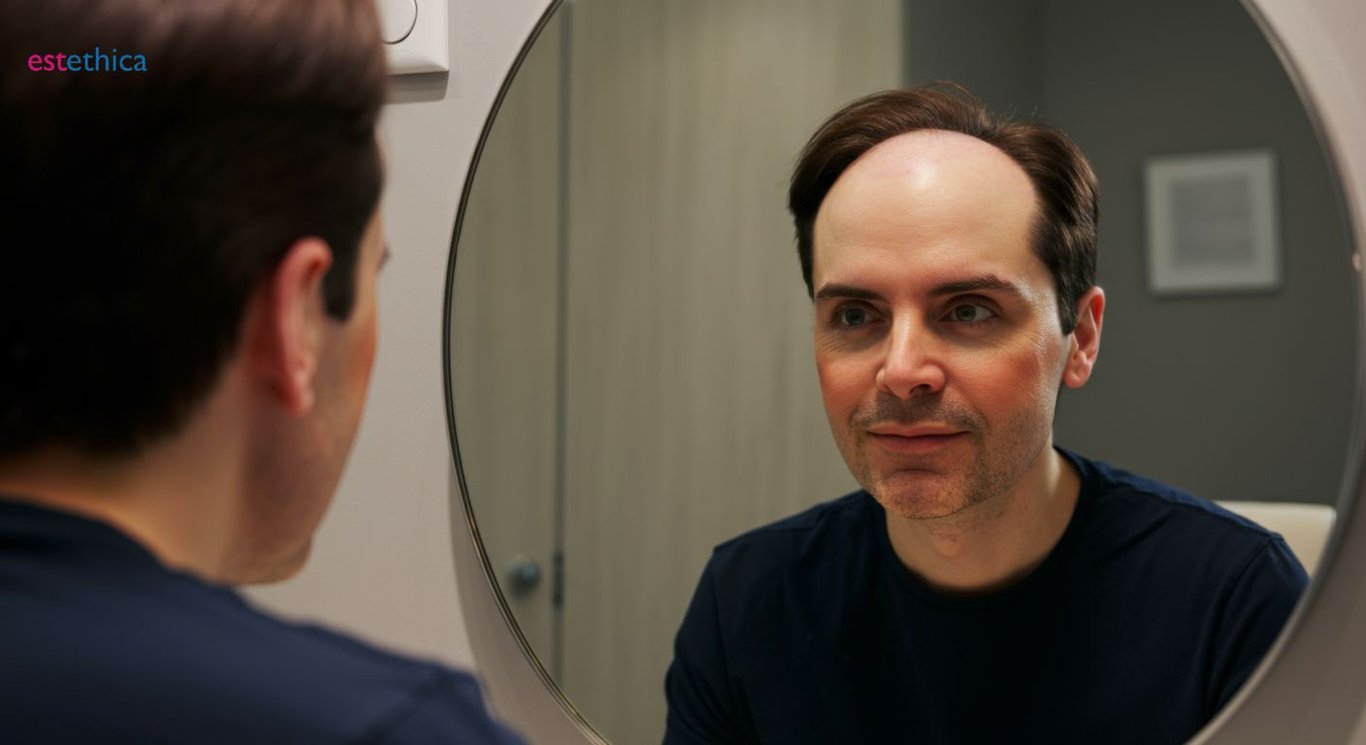
Post-operative care is crucial for achieving permanent results after hair transplant surgery. Patients should adhere to their doctor's guidelines on hair washing, which typically involves gentle cleansing to avoid disturbing the newly implanted grafts. Using recommended products can enhance healing and promote hair growth, ensuring that the hair grafts take root properly. For instance, some clinics suggest using mild shampoos and avoiding direct sunlight to protect the scalp. Additionally, refraining from strenuous activities can prevent unnecessary strain on the scalp, aiding in a smoother recovery.
Key Post-Transplant Care Steps
- Follow specific hair washing instructions to protect grafts.
- Apply prescribed topical treatments to support healing.
- Attend follow-up appointments for progress assessment.
These steps are essential in ensuring that the hair transplant results are both effective and lasting. Regular follow-up appointments allow for monitoring of the healing process and addressing any concerns promptly. Clinics renowned for hair surgery near me, such as those on Harley Street, often provide comprehensive post-operative care to maximize the success of the procedure.
Common Post-Transplant Challenges and Solutions
- Managing scalp sensitivity with recommended products.
- Addressing temporary hair shedding with patience and care.
- Ensuring proper nutrition to support hair growth.
Understanding and addressing these challenges can significantly impact the success of the hair transplant. For example, temporary hair shedding, known as shock loss, is a common occurrence but usually resolves as new hair begins to grow. Maintaining a balanced diet rich in vitamins and minerals can further support the recovery process, ensuring that the hairline transplant results are both natural-looking and enduring.
Innovative Hair Restoration Techniques: FUE and DHI
Post-Transplant Care: Ensuring Lasting Results
Frequently Asked Questions
What is the difference between FUE and DHI hair restoration techniques?
How should I prepare for hair transplant surgery?
What are the key benefits of hair transplant surgery?
What post-operative care is necessary after a hair transplant?
Are there any risks associated with hair transplant surgery?
Discover the Art of Healthy Beauty with estethica! Call us today for your free consultation and take the first step towards a more confident you.
📞 Call Now for Expert Advice