


Learn about sustainable fashion, eco-friendly clothing, and brands that are making a difference. Start your sustainable journey today!
The world of fashion is undergoing a green revolution, driving a shift towards more responsible and sustainable practices. This movement not only redefines aesthetics but also focuses on the conscious choice-making of consumers who care deeply about environmental impact and social responsibility. Within this guide, we will explore the realm of sustainable fashion, focusing on eco-friendly clothing, ethical brands, and the principles of conscious consumerism.
Understanding Sustainable Fashion: What You Need to Know
Innovative Practices in Sustainable Fashion
Sustainable fashion is revolutionizing the clothing industry by integrating eco-friendly practices and ethical considerations. Brands are increasingly adopting innovative technologies to minimize environmental impact. For instance, some companies are using biodegradable fabrics that decompose naturally, reducing landfill waste. Others are implementing waterless dyeing techniques, which significantly cut down water usage in the production process.
Key Features of Sustainable Fashion
- Use of sustainable materials like organic cotton and recycled polyester.
- Commitment to fair labor practices and ethical production.
- Focus on reducing carbon footprint through efficient supply chains.
These practices not only contribute to environmental preservation but also promote social justice by ensuring fair wages and safe working conditions for workers. As consumers become more conscious, the demand for sustainable fashion continues to grow. To explore more about making informed fashion choices, visit Unlocking estethica: Your Guide to Sustainable Fashion Choices.
Steps to Identify Sustainable Fashion Brands
- Research brand certifications like Fair Trade and GOTS.
- Check for transparency in sourcing and manufacturing processes.
- Evaluate the brand's commitment to sustainability through their initiatives.
By following these steps, consumers can make informed decisions and support brands that align with their values. This conscious consumerism not only benefits the planet but also encourages more brands to adopt sustainable practices.
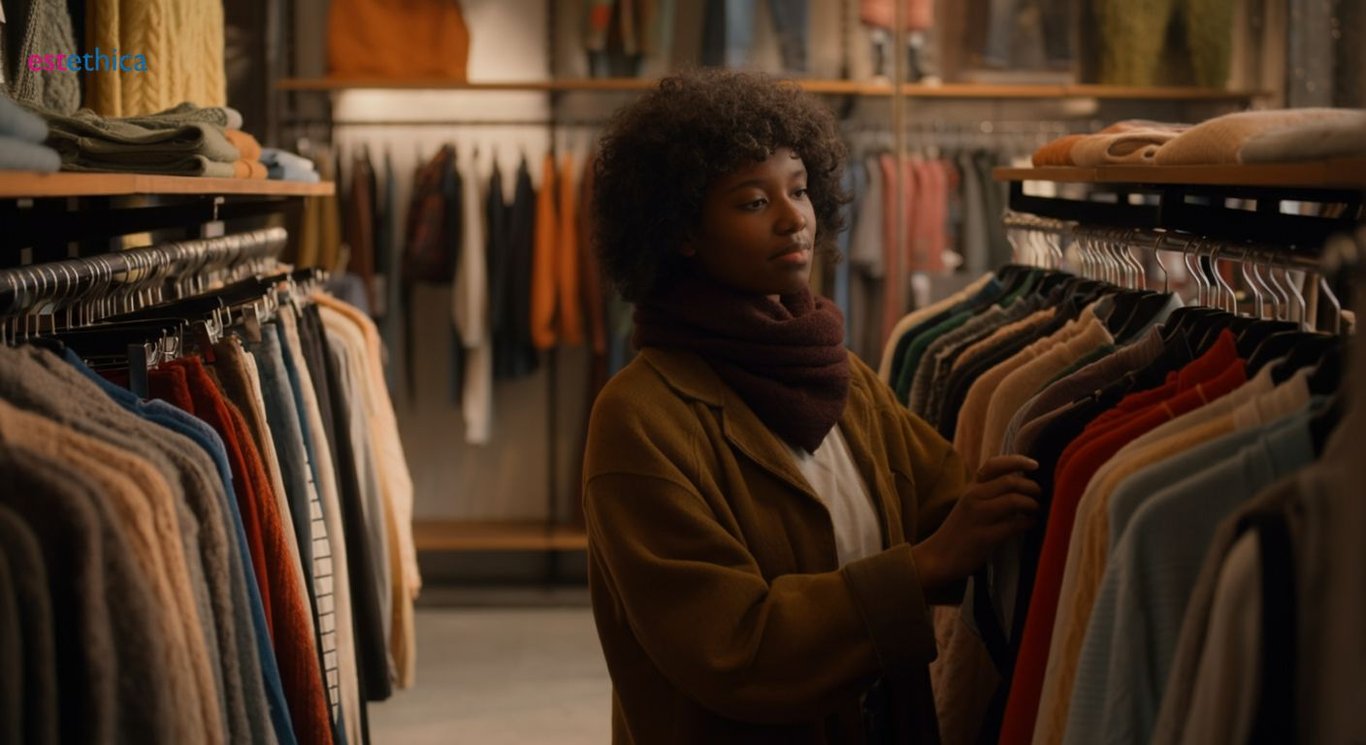
How to Identify Eco-Friendly Clothing Brands Effectively
Evaluating Brand Certifications and Reports
To identify eco-friendly clothing brands, start by examining their certifications. Look for labels like Fair Trade, GOTS, or B Corp, which indicate a commitment to sustainable practices. These certifications ensure that brands adhere to specific environmental and ethical standards.
Key Indicators of Eco-Friendly Brands
- Transparency in supply chain and sourcing materials.
- Commitment to ethical labor practices and fair wages.
- Use of sustainable materials like organic cotton and hemp.
Brands that openly share their sustainability reports and practices are often more trustworthy. For example, a company that publishes detailed reports on their carbon footprint reduction efforts demonstrates genuine eco-consciousness.
Steps to Verify Brand Sustainability
- Research the brand's sustainability certifications and their meaning.
- Analyze the brand's sustainability reports for transparency and detail.
- Investigate the brand's material sourcing and labor practices.
By following these steps, you can support brands that align with your values, promoting a more sustainable fashion industry. This approach not only benefits the environment but also encourages ethical practices across the industry.

Top Ethical Fashion Brands Making a Difference Today
Innovative Approaches to Sustainability
Leading ethical fashion brands are redefining the industry with innovative sustainability practices. For example, Patagonia is renowned for its commitment to environmental activism, using recycled materials and supporting grassroots environmental groups. Similarly, Stella McCartney has pioneered the use of vegan leather and sustainable materials, setting a high standard for luxury fashion. Another notable brand, Eileen Fisher, emphasizes circular fashion by encouraging customers to return worn items for recycling, thus reducing waste.
Characteristics of Leading Ethical Fashion Brands
- Commitment to transparency in production processes and material sourcing.
- Innovative use of sustainable materials like Tencel and organic cotton.
- Active involvement in social and environmental causes.
These brands not only focus on creating eco-friendly clothing but also inspire conscious consumerism by educating their customers about sustainability. Their efforts are setting benchmarks for others in the industry, encouraging a shift towards more responsible fashion practices.
Steps to Support Ethical Fashion Brands
- Research the brand's sustainability initiatives and impact reports.
- Purchase from brands that prioritize ethical labor practices and fair trade.
- Engage with brands that promote transparency and environmental responsibility.
By supporting these brands, consumers can contribute to a more sustainable future, fostering an industry that values both people and the planet. This conscious choice not only supports ethical practices but also encourages more brands to adopt similar values.

Embracing Conscious Consumerism: Steps to Take Now
Practical Steps for Supporting Sustainable Fashion
Conscious consumerism in fashion involves making choices that positively impact the environment and society. Start by researching brands that prioritize sustainable practices, such as using eco-friendly materials and ensuring ethical labor conditions. For instance, brands that utilize organic cotton or recycled polyester contribute to reducing environmental harm.
Key Actions for Conscious Consumers
- Choose garments made from sustainable materials like bamboo or Tencel.
- Support brands that offer transparency in their production processes.
- Opt for clothing with certifications like Fair Trade or GOTS.
These actions not only support sustainable fashion but also encourage brands to maintain ethical standards. By prioritizing eco-friendly clothing, consumers can drive demand for more responsible fashion practices.
Steps to Extend Garment Lifecycle
- Repair and upcycle old clothing to reduce waste.
- Donate or recycle garments instead of discarding them.
- Choose timeless pieces that transcend seasonal trends.
Extending the lifecycle of your garments not only minimizes waste but also supports a circular fashion economy. This approach aligns with the principles of zero waste fashion, promoting a more sustainable future.
Innovative Practices in Sustainable Fashion
Embracing Conscious Consumerism for a Sustainable Future
Frequently Asked Questions
What is sustainable fashion and why is it important?
How can I identify eco-friendly clothing brands?
What are some top ethical fashion brands making a difference today?
What steps can I take to embrace conscious consumerism in fashion?
How can I extend the lifecycle of my garments?
Discover the path to 'Healthy Beauty' with estethica's expert care. Call now for your free consultation and take the first step towards a more confident you!
📞 Call for Your Free Consultation