


Unlock the secrets to mastering sustainable fashion and build a greener wardrobe today.
estethica Unveiled: Mastering Sustainable Fashion
In an era where sustainability has become a focal point across industries, fashion stands out as a crucial area for transformation. The 'fast fashion' trend, notorious for its environmental impact, is being challenged by the rise of sustainable fashion. But what does sustainable fashion truly entail? How can consumers make ethical choices that align with a greener future? Join us as we delve into the world of sustainable fashion, uncovering its essence, and exploring how it can shape a more eco-conscious wardrobe.
Understanding the Core of Sustainable Fashion
Exploring the Aesthetic Beauty of Sustainable Fashion
Sustainable fashion is not just a trend; it's a movement towards a more responsible and aesthetically beautiful approach to clothing. This concept involves rethinking every stage of the fashion cycle, from design to recycling, to ensure minimal environmental impact. For instance, using organic cotton or recycled polyester not only reduces waste but also enhances the romantic aesthetic of the garments. Additionally, brands like Patagonia and Eileen Fisher are leading the way by incorporating eco-friendly clothing materials, which are both stylish and sustainable.
Key Characteristics of Sustainable Fashion
- Eco-friendly materials like organic cotton and hemp reduce environmental impact.
- Ethical production ensures fair treatment of workers, enhancing social justice.
- Recycling and upcycling old garments contribute to a circular fashion economy.
These elements not only support the environment but also promote conscious consumerism, encouraging individuals to make informed choices about their wardrobe.
Steps to Embrace Sustainable Fashion
- Research and choose ethical fashion brands that prioritize sustainability.
- Opt for eco-friendly clothing materials that are durable and biodegradable.
- Support local sustainable fashion stores to reduce carbon footprint.
By following these steps, consumers can contribute to a more sustainable future while enjoying the aesthetic arts of fashion. For more insights on enhancing accessibility in fashion, explore the NVDA Screen Reader article.

Choosing Eco-Friendly Clothing: A Conscious Guide
Exploring the Romantic Aesthetic of Eco-Friendly Clothing
Eco-friendly clothing offers a romantic aesthetic that appeals to conscious consumers. The use of organic materials like bamboo and hemp not only supports sustainable fashion but also adds a unique texture and feel to garments. For example, bamboo fabric is known for its softness and durability, making it a popular choice for those seeking both comfort and sustainability. Additionally, hemp's natural resilience and aesthetic beauty make it ideal for creating stylish, long-lasting pieces.
Best Practices for Choosing Eco-Friendly Clothing
- Look for certifications like GOTS or OEKO-TEX to ensure material sustainability.
- Choose brands that prioritize ethical production and fair labor practices.
- Opt for garments made from recycled materials to reduce waste.
These practices not only support the environment but also promote conscious consumerism, encouraging individuals to make informed choices about their wardrobe.
Steps to Identify Ethical Fashion Brands
- Research brands' sustainability reports to understand their environmental impact.
- Check for transparency in supply chains and production processes.
- Engage with brands that actively support social and environmental causes.
By following these steps, consumers can contribute to a more sustainable future while enjoying the aesthetic arts of fashion. Embracing eco-friendly clothing not only enhances personal style but also supports a healthier planet.
Spotlight on Ethical Fashion Brands
Embracing the New Aesthetic in Ethical Fashion
Ethical fashion brands are redefining the aesthetic arts of the industry by blending style with sustainability. These brands focus on creating garments that not only look good but also do good. For instance, Stella McCartney is renowned for her commitment to vegan clothing, offering chic designs without compromising on ethical values. Similarly, Everlane emphasizes transparency in its supply chain, ensuring that every step of production aligns with eco-friendly principles. This approach not only enhances the romantic aesthetic of their collections but also supports conscious consumerism.
Key Features of Leading Ethical Fashion Brands
- Patagonia's commitment to using recycled materials reduces environmental impact.
- Everlane's transparent pricing model fosters trust and accountability.
- Stella McCartney's vegan fashion line promotes animal welfare and sustainability.
These brands exemplify how fashion can be both aesthetically pleasing and ethically responsible, encouraging consumers to make informed choices.
Steps to Support Ethical Fashion Brands
- Research brands' ethical practices and sustainability commitments.
- Choose products made from organic or recycled materials.
- Support brands that prioritize fair trade and renewable energy.
By following these steps, consumers can enjoy the aesthetic beauty of fashion while contributing to a more sustainable future. Embracing ethical fashion not only enhances personal style but also supports a healthier planet.

Embracing Slow Fashion for a Greener Future
Exploring the Aesthetic Arts of Slow Fashion
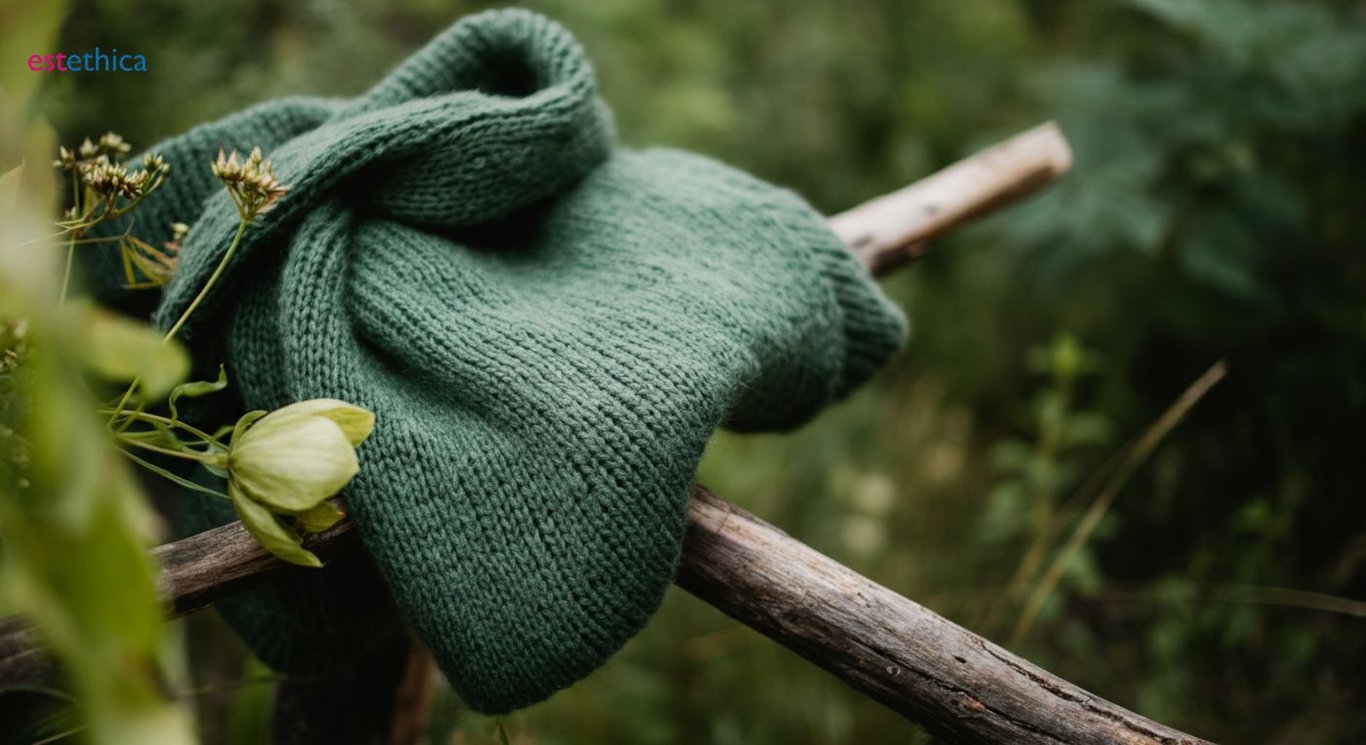
Slow fashion celebrates the aesthetic arts by focusing on quality craftsmanship and timeless design. This approach contrasts with fast fashion's fleeting trends, offering garments that are both beautiful and enduring. For example, a hand-knitted wool sweater not only provides warmth but also showcases the romantic aesthetic of traditional craftsmanship. Similarly, a tailored linen dress exudes elegance while being eco-friendly, as linen is a sustainable material. By choosing slow fashion, consumers can enjoy aesthetic beauty while supporting sustainable fashion practices.
Benefits of Embracing Slow Fashion
- Reduces waste by promoting durable, long-lasting garments.
- Supports ethical fashion brands that prioritize craftsmanship.
- Encourages conscious consumerism by valuing quality over quantity.
These benefits not only contribute to a greener future but also enhance personal style through unique and thoughtfully crafted pieces.
Steps to Transition to Slow Fashion
- Evaluate your wardrobe and identify quality pieces that can be cherished for years.
- Research and invest in ethical fashion brands known for their craftsmanship.
- Prioritize eco-friendly clothing materials that are durable and sustainable.
By following these steps, consumers can embrace the new aesthetic of slow fashion, which values sustainability and craftsmanship. This shift not only supports a healthier planet but also allows individuals to express their unique style through timeless, well-made garments.
Innovative Approaches in Sustainable Fashion
Embracing Slow Fashion for Lasting Impact
Frequently Asked Questions
What is sustainable fashion and why is it important?
How can I choose eco-friendly clothing?
What are some of the best eco-friendly clothing materials?
How do ethical fashion brands differ from traditional fashion brands?
What are the benefits of embracing slow fashion?
Discover the Art of Healthy Beauty with estethica! Call us today for a free consultation and take the first step towards your transformation.
📞 Call Now for Your Free Consultation