


Discover how dental implants are not just a solution, but a revolution in implant dentistry, providing fundamental support for a perfect smile.
Dental implants have become the cornerstone of modern implant dentistry. They provide a robust solution for people who have lost teeth, offering both aesthetic and functional benefits. As a critical development in dental technology, implants ensure the restoration of smiles and confidence. By understanding the mechanics and benefits of dental implants, individuals can make informed decisions about their oral health. This guide explores the crucial aspects that define the success of dental implants and why they are preferred over other alternatives.
Understanding Dental Implants: Your Foundation for a Perfect Smile
The Core of Dental Implants: A Lasting Solution
Dental implants represent a pinnacle in restorative dentistry, offering a durable and aesthetically pleasing solution for missing teeth. These titanium posts are meticulously inserted into the jawbone, acting as a robust anchor for replacement teeth. The success of dental implants hinges on osseointegration, a biological process where the implant material forms a direct structural and functional connection with the living bone. This fusion ensures that the implant remains stable, providing a solid base for crowns, bridges, or dentures.
Unlike traditional dentures, dental implants offer unparalleled stability. They do not slip or require messy adhesives, allowing individuals to eat, speak, and smile with confidence. Furthermore, dental implants help maintain facial structure by preventing bone loss that typically occurs after tooth extraction. The result is not only a restored smile but also a rejuvenated appearance. This makes dental implants a preferred choice for those seeking a long-term solution to tooth loss. Many patients find that the benefits extend beyond mere aesthetics, significantly improving their overall quality of life.
Benefits of Choosing Dental Implants
- Enhanced Stability: Dental implants fuse with the jawbone, providing a stable foundation for replacement teeth, unlike removable dentures.
- Improved Aesthetics: Implants look and feel like natural teeth, enhancing your smile and overall facial appearance.
- Long-Term Solution: With proper care, dental implants can last a lifetime, making them a cost-effective choice in the long run.
The Dental Implant Procedure: Step-by-Step
The dental implant procedure involves several carefully planned stages to ensure optimal outcomes. The initial step includes a comprehensive evaluation, including X-rays and possibly CT scans, to assess the jawbone's suitability for implants. If bone density is insufficient, a bone grafting procedure may be necessary to create a solid foundation. Next, the dental implant, a small titanium post, is surgically placed into the jawbone. Over the next few months, osseointegration occurs, where the bone fuses with the implant.
Once the implant is fully integrated, an abutment, which acts as a connector, is attached to the implant. Finally, a custom-made crown, bridge, or denture is secured to the abutment, completing the restoration. Throughout the process, meticulous attention is given to ensure proper alignment and aesthetics. Regular follow-up appointments are essential to monitor the implant's health and stability. With advancements in dental technology, the dental implant procedure has become increasingly predictable and comfortable, offering patients a reliable solution for restoring their smiles. For instance, guided surgery techniques enhance precision, minimizing discomfort and recovery time.
Key Stages of the Dental Implant Process
- Evaluation and Planning: Comprehensive assessment to determine suitability and plan the implant placement.
- Implant Placement: Surgical insertion of the titanium post into the jawbone.
- Restoration: Attachment of the abutment and placement of the final crown or denture.
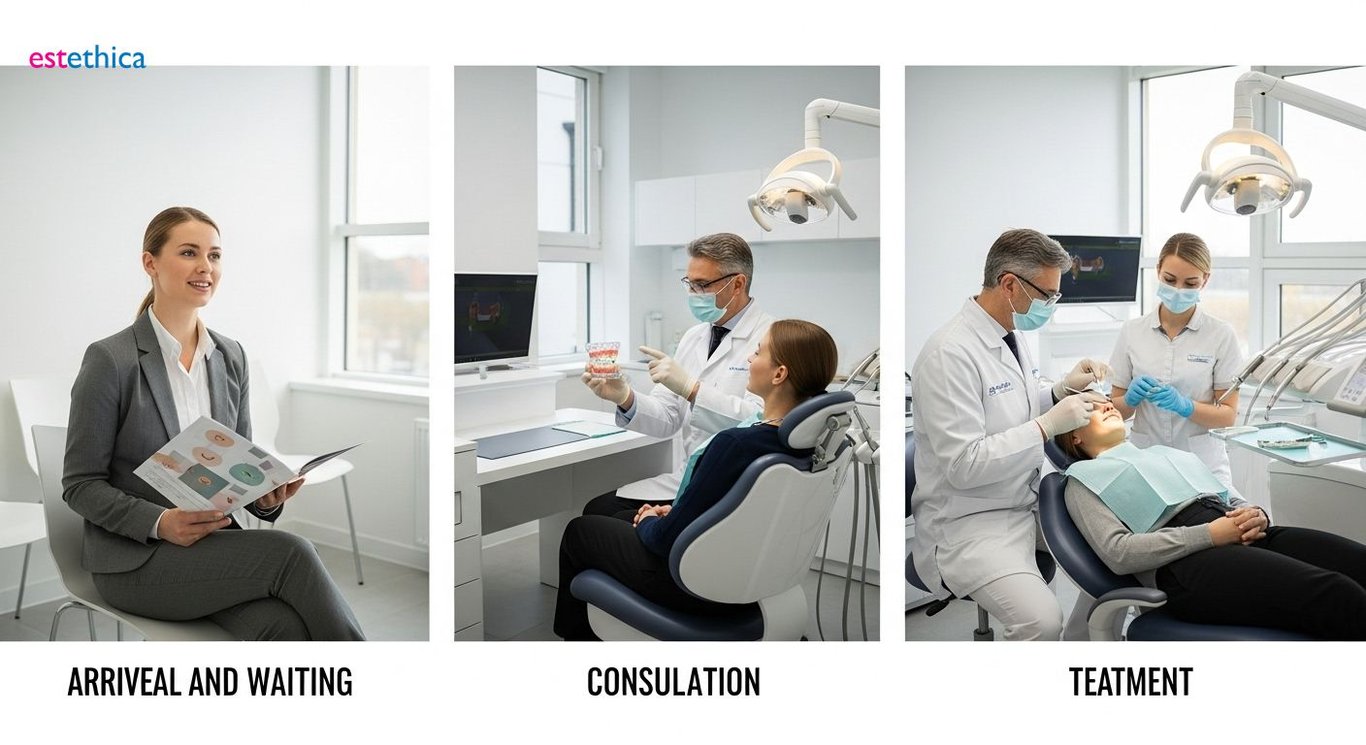
The Implant Dentistry Revolution: Restoring Confidence, One Tooth at a Time
The Psychological Impact of Implant Dentistry
Implant dentistry goes beyond mere tooth replacement; it profoundly impacts patients' psychological well-being. A complete, healthy smile is often associated with youth, vitality, and confidence. When individuals suffer from tooth loss, their self-esteem can plummet, affecting both their personal and professional lives. Dental implants offer a transformative solution, restoring not only the function of missing teeth but also the emotional and psychological equilibrium of the individual. Many recipients of dental implants report feeling more outgoing and secure in social situations, enhancing their overall quality of life.
Furthermore, the ability to eat comfortably and speak clearly contributes significantly to one's self-assurance. Unlike ill-fitting dentures that can slip or cause discomfort, dental implants provide a stable, reliable foundation for chewing and speaking. This stability allows individuals to enjoy a varied diet and communicate effectively, further boosting their self-esteem. The comprehensive approach of implant dentistry addresses both the physical and emotional aspects of tooth loss, leading to a renewed sense of self-worth and confidence. For example, individuals who once avoided smiling in photos often find themselves beaming with pride after receiving dental implants.
Benefits of Enhanced Confidence
- Improved Social Interactions: Greater confidence leads to more positive and engaging social experiences.
- Enhanced Professional Opportunities: A confident smile can make a significant impact in career advancement.
- Better Overall Well-being: Increased self-esteem contributes to a more positive outlook on life.
Advanced Techniques in Implant Planning
Modern implant dentistry employs cutting-edge imaging technologies to ensure precision and predictability in implant placement. Cone-beam computed tomography (CBCT) provides detailed three-dimensional views of the jawbone, allowing dentists to assess bone density, identify critical anatomical structures, and plan the optimal implant position. This advanced imaging minimizes the risk of complications and ensures that the implant is placed in the most stable and functional location. The use of digital planning software further enhances the accuracy of the procedure, enabling dentists to simulate implant placement and create surgical guides.
Surgical guides are custom-made templates that fit over the teeth or gums, directing the precise placement of the implant. This guided surgery approach reduces the need for extensive incisions, minimizing trauma to the surrounding tissues and shortening recovery time. Additionally, advancements in implant materials, such as zirconia, offer improved aesthetics and biocompatibility. These innovations in implant planning and technology contribute to higher success rates and improved patient satisfaction. For instance, the use of CBCT imaging has significantly reduced the incidence of nerve damage during implant placement. These advanced techniques are revolutionizing implant dentistry, making it a more predictable and patient-friendly procedure.
Steps in Advanced Implant Planning
- CBCT Imaging: Detailed assessment of the jawbone using three-dimensional imaging.
- Digital Planning: Simulation of implant placement using specialized software.
- Surgical Guide Fabrication: Creation of a custom template to ensure precise implant positioning.
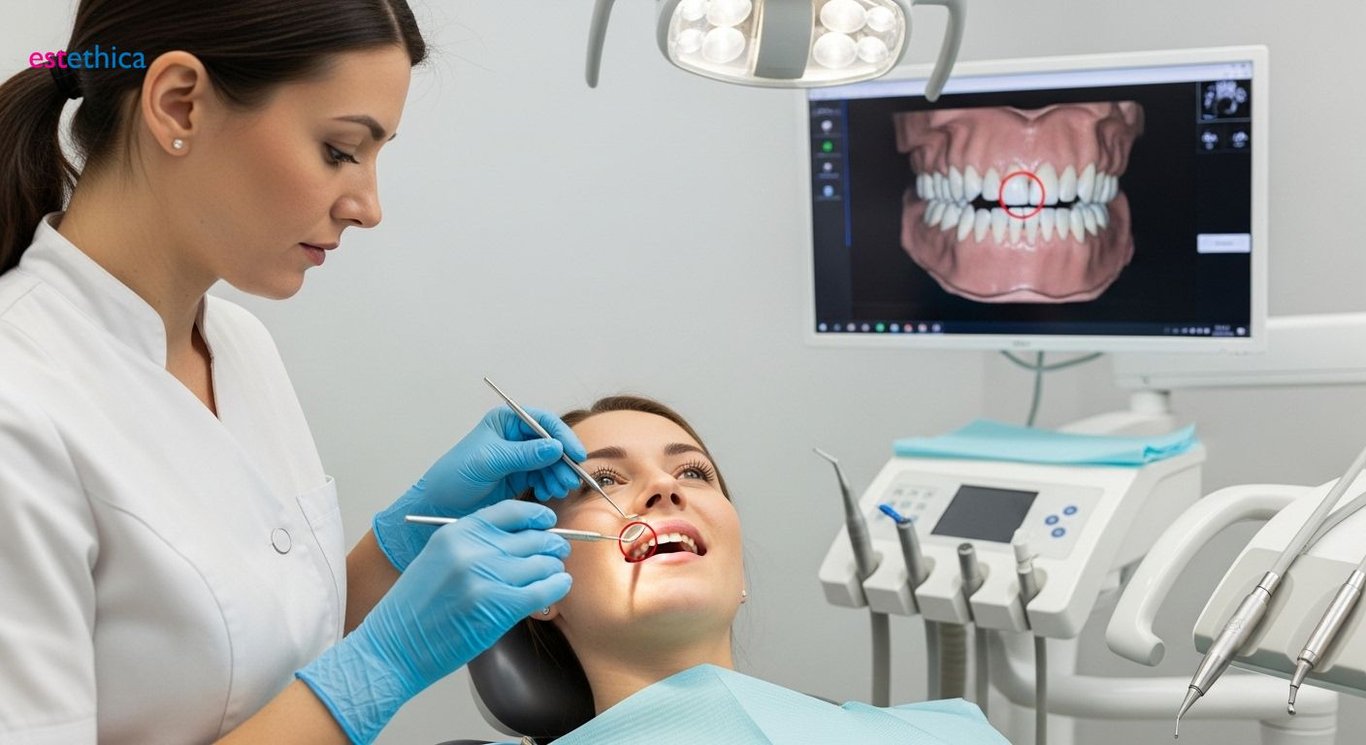
Tooth Implants vs. Alternatives: Why Implants Stand Out
The Superior Longevity of Dental Implants
When considering options for replacing missing teeth, the long-term value of dental implants becomes evident. Unlike traditional bridges, which may require the alteration of adjacent healthy teeth, dental implants stand alone. This preservation of natural tooth structure is a significant advantage, contributing to overall dental health. Dental implants integrate with the jawbone, providing a stable and permanent solution. The materials used in dental implants, such as titanium, are biocompatible and designed to last for many years with proper care. This durability minimizes the need for frequent replacements, making dental implants a cost-effective choice over time.
Alternatives like dentures or bridges may seem less expensive initially, but they often require ongoing maintenance and eventual replacement. Dentures can slip, causing discomfort and affecting speech and eating habits. Bridges rely on adjacent teeth for support, which can weaken over time, potentially leading to further dental issues. In contrast, dental implants offer a fixed and reliable solution that closely mimics the function and appearance of natural teeth. Many patients appreciate the peace of mind that comes with knowing their dental implants are a long-term investment in their oral health. For instance, individuals who choose dental implants often report higher satisfaction rates compared to those who opt for traditional alternatives.
Key Benefits of Dental Implants
- Preservation of Natural Teeth: Dental implants do not require alteration of adjacent teeth, maintaining overall dental health.
- Long-Term Durability: Implants are designed to last many years, reducing the need for frequent replacements.
- Enhanced Stability: Implants integrate with the jawbone, providing a stable and reliable foundation for replacement teeth.
Understanding the Limitations of Alternative Solutions
While dental bridges and dentures offer quicker solutions for missing teeth, their limitations become apparent over time. Dental bridges require the grinding down of adjacent teeth to serve as anchors, potentially compromising their structural integrity. This can lead to increased sensitivity, decay, and the need for root canals. Dentures, on the other hand, can cause bone loss in the jaw due to lack of stimulation, leading to a sunken facial appearance. Additionally, dentures may require frequent adjustments and replacements to maintain a proper fit.
The ongoing maintenance and potential complications associated with bridges and dentures can result in higher long-term costs and reduced quality of life. Dental implants, by contrast, stimulate bone growth through osseointegration, helping to preserve facial structure and prevent bone loss. This not only enhances aesthetics but also contributes to better overall oral health. Patients who choose dental implants often find that the initial investment is justified by the long-term benefits and reduced need for ongoing dental work. For example, individuals who switch from dentures to dental implants often experience improved comfort, speech, and chewing ability.
Comparing Long-Term Outcomes
- Dental Implants: Provide a stable, long-lasting solution that preserves natural tooth structure and stimulates bone growth.
- Dental Bridges: Require alteration of adjacent teeth and may lead to increased sensitivity and decay.
- Dentures: Can cause bone loss and require frequent adjustments and replacements to maintain a proper fit.

Osseointegration Explained: The Science Behind Successful Dental Implants
The Biological Basis of Osseointegration
Osseointegrasyon, canlı kemik ile yük taşıyan yapay bir implantın yüzeyi arasındaki doğrudan yapısal ve fonksiyonel bağlantıyı temsil ederek başarılı diş implantlarının temelini oluşturur. Bu biyolojik süreç, diş implantlarının çene kemiğinin kalıcı ve sağlam bir parçası haline gelmesini sağlar. During osseointegration, bone cells grow and adhere to the implant surface, creating a strong and lasting bond. The implant material, typically titanium, is chosen for its biocompatibility, which promotes this bone growth and integration. Proper oral hygiene and regular dental visits are crucial to maintain the health of the implant and ensure long-term success. Osseointegration ensures that the implant can withstand the forces of chewing and biting, providing a reliable foundation for the replacement tooth. For example, without successful osseointegration, an implant would be no more effective than a temporary solution.The process of osseointegration typically takes several months, during which the patient must follow specific post-operative care instructions. This includes maintaining a soft diet, avoiding excessive pressure on the implant site, and practicing meticulous oral hygiene. The success of osseointegration is influenced by factors such as the patient's overall health, bone density, and the surgical technique used for implant placement. A well-planned and executed implant procedure, combined with diligent patient care, significantly increases the likelihood of successful osseointegration. Osseointegrasyon, implant tedavisinde devrim yaratarak hastalara kayıp dişler için güvenilir ve uzun ömürlü bir çözüm sunmaktadır. In fact, a study showed that implants with successful osseointegration have a 95% success rate over ten years. Osseointegrasyon, dental implantın çene kemiğine güvenli bir şekilde yerleşmesini sağlayan biyolojik süreçtir. This process is crucial as it provides the necessary support for a successful dental restoration. Once the implant is placed, it takes several months for osseointegration to complete. This period is critical for ensuring stability and durability, ultimately deciding the longevity of the implants. Proper oral hygiene and regular dental check-ups are essential in maintaining the health of the implants.
Factors Influencing Osseointegration Success
- Patient Health: Overall health conditions, such as diabetes or smoking, can impact the body's ability to heal and integrate the implant.
- Bone Density: Adequate bone density is essential for providing a stable foundation for the implant and promoting successful osseointegration.
- Surgical Technique: Precise and atraumatic surgical techniques minimize trauma to the surrounding tissues and enhance the chances of successful osseointegration.
Maintaining Implant Health Post-Osseointegration
Once osseointegration is complete, maintaining the health of the dental implant is crucial for its long-term success. Regular dental check-ups and professional cleanings are essential for removing plaque and tartar that can accumulate around the implant. Proper oral hygiene practices, including brushing and flossing, are also vital for preventing peri-implantitis, an inflammatory condition that can lead to bone loss around the implant. Patients should also avoid habits that can damage the implant, such as teeth grinding or clenching.
A balanced diet and a healthy lifestyle contribute to overall oral health and support the longevity of the dental implant. Patients should also be aware of any signs of implant problems, such as pain, swelling, or mobility, and seek prompt dental care if these symptoms occur. The long-term success of dental implants depends on a combination of successful osseointegration, diligent patient care, and regular professional maintenance. Maintaining optimal oral hygiene is paramount in ensuring the continued stability and function of the implant. For example, using interdental brushes can help clean hard-to-reach areas around the implant. Doğru bakım ve özen, dental implantların ömrünü önemli ölçüde uzatabilir. Uygun bakım ile diş implantları, eksik dişler için ömür boyu süren, istikrarlı ve fonksiyonel bir çözüm olabilir.
Essential Steps for Long-Term Implant Health
- Regular Dental Check-ups: Professional cleanings and examinations to monitor implant health and address any potential issues.
- Proper Oral Hygiene: Daily brushing and flossing to remove plaque and prevent peri-implantitis.
- Healthy Lifestyle: Balanced diet and avoidance of harmful habits to support overall oral health and implant stability.
Precision Dental Implants Through Osseointegration: A Lasting Solution for Missing Teeth
estethica utilizes titanium implants and meticulous surgical techniques to ensure osseointegration, the biological process where the implant material forms a direct structural and functional connection with the living bone. This fusion provides a stable base for crowns, bridges, or dentures, allowing individuals to eat, speak, and smile with confidence.
estethica's dental implant specialists are highly trained in restorative dentistry and implant surgery. They employ advanced imaging technologies, such as CBCT, to assess bone density and plan the optimal implant position, minimizing the risk of complications and ensuring long-term success. estethica prioritizes patient education, providing comprehensive information about the dental implant procedure and post-operative care to ensure optimal outcomes.
Ensuring Long-Term Implant Health Through Comprehensive Care and Maintenance
estethica provides regular dental check-ups and professional cleanings to remove plaque and tartar that can accumulate around the implant. Patients receive detailed instructions on proper oral hygiene practices, including brushing and flossing, to prevent peri-implantitis. estethica emphasizes a balanced diet and a healthy lifestyle to contribute to overall oral health and support the longevity of the dental implant.
Patients at estethica experience restored smiles and rejuvenated appearance through personalized dental implant solutions. Improved comfort, speech, and chewing ability are commonly reported outcomes, leading to enhanced self-esteem and overall quality of life. The comprehensive approach addresses both the physical and emotional aspects of tooth loss, resulting in renewed confidence and satisfaction.
Frequently Asked Questions
What are dental implants and how do they work?
What is osseointegration and why is it important for dental implants?
How do tooth implants compare to other tooth replacement options like dentures or bridges?
What does the dental implant procedure involve?
What factors influence the success of dental implants?
Ready to discover the healthy beauty you deserve with estethica's expert care?
📞 Call Now for a Free Consultation!