


Discover how dental implants can restore your smile with cutting-edge materials like zirconia, ensuring a natural and lasting transformation.
Dental implants have revolutionized the field of dentistry, providing a permanent solution to tooth loss and forming the cornerstone of a restored smile. Understanding the intricate process of implant dentistry, from osseointegration to modern materials such as zirconia, is essential in visualizing the transformative journey from pre to post-implantation. This guide explores the key aspects of dental implants, their workings, and the materials that support their success.
Understanding Osseointegration: The Key to Implant Success
Osseointegration is the biological process where bone cells attach themselves to a metal surface, forming a structural and functional connection. This mechanism is crucial for the stability and longevity of dental implants. During osseointegration, the dental implant becomes anchored to the jawbone, acting like a natural tooth root. The process begins with the surgical placement of the implant into the jawbone, followed by a healing period where bone cells gradually integrate with the surface of the implant. The success of osseointegration depends on several factors, including the health of the patient’s bone quality and the material used for the implant, often titanium or zirconia. A successful osseointegration leads to a solid foundation for the prosthetic tooth, ensuring long-term success and functionality.
Factors Influencing Osseointegration Success
Achieving successful osseointegration is influenced by a combination of patient-specific and procedural factors. The patient's overall health, including any systemic diseases such as diabetes, can affect the healing process and bone regeneration capabilities. Bone density at the implant site is also critical; denser bone provides better initial stability for the implant. The surgical technique employed by the dentist plays a significant role, with precise placement minimizing trauma to the surrounding tissues and promoting faster healing. Additionally, the design and surface characteristics of the dental implant itself are engineered to encourage bone cell attachment. Proper post-operative care, including oral hygiene practices and avoiding excessive stress on the implant during the healing phase, is essential for ensuring successful osseointegration and long-term implant stability.
- Patient Health: Systemic conditions like diabetes can impair healing. Good overall health promotes better osseointegration.
- Bone Density: Adequate bone density ensures initial implant stability. Bone grafting may be needed for insufficient density.
- Surgical Technique: Precise implant placement reduces trauma. Minimally invasive techniques improve outcomes.
The Osseointegration Process: A Step-by-Step Guide
Osseointegration is a carefully orchestrated biological process that involves several key stages. Initially, the dental implant, often made of titanium, is surgically inserted into the jawbone. Following this, a period of healing begins, during which the bone cells start to grow and attach to the implant surface. This attachment is facilitated by the implant's biocompatible material and specially treated surface. Over time, new bone tissue forms around the implant, gradually increasing its stability. The final stage involves the maturation of the bone-implant interface, where the connection becomes strong and durable. This entire process typically takes several months, depending on individual factors such as bone quality and overall health. Regular follow-up appointments with the dentist are essential to monitor the progress of osseointegration and ensure the long-term success of the dental implant.
- Implant Placement: Surgical insertion of the dental implant into the jawbone.
- Bone Growth: Bone cells attach to the implant surface, facilitated by biocompatible materials.
- Maturation: Bone-implant interface strengthens over time, ensuring long-term stability.
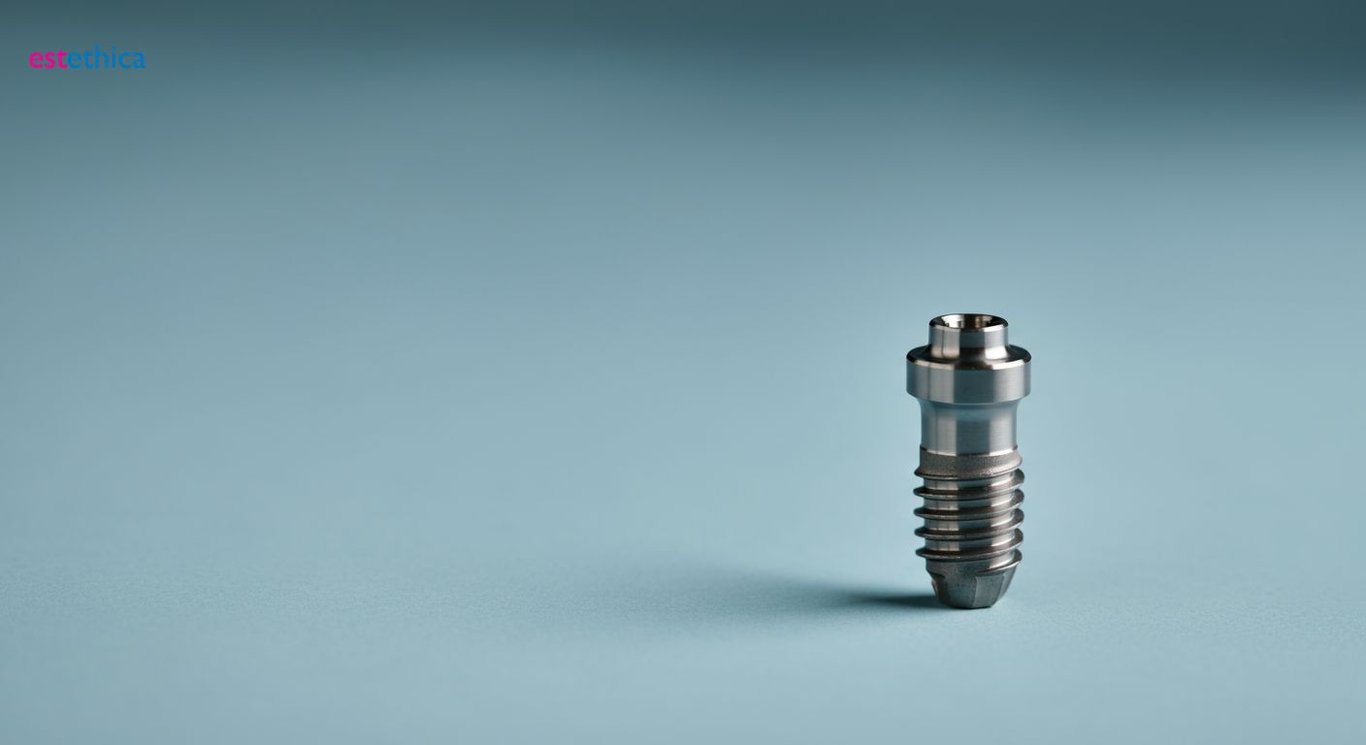
Dental Implants Before and After: Visualizing Your Transformation
The transformative potential of dental implants can often be witnessed through dramatic before-and-after comparisons. These visualizations help patients see the profound impact implants can have on their smiles and confidence. Before receiving implants, patients may struggle with gaps in their teeth, difficulty in eating, or self-consciousness about their appearance. After the procedure, many experience an immediate improvement in both aesthetics and function. The jawline appears fuller, the smile more complete, and the ability to chew and speak returns to normal. The emotional benefit of a restored smile is immense, often leading to enhanced self-esteem and improved social interactions.
Reclaiming Confidence Through Implant Dentistry
Many individuals report a significant boost in self-esteem following dental implant procedures. The ability to smile without hesitation and engage in social situations more comfortably are frequently cited benefits. Dental implants not only fill gaps but also prevent the shifting of adjacent teeth, maintaining the natural structure of the mouth. Patients often find that they can enjoy a wider variety of foods without discomfort, leading to better nutrition and overall health. The visual transformation is often striking, with implants providing a natural-looking and permanent solution for missing teeth. This restoration can lead to a more youthful appearance and a renewed sense of self-worth. A study reveals that 87% of patients feel more confident after receiving dental implants.
- Enhanced Aesthetics: Implants provide a natural-looking solution, improving overall smile aesthetics.
- Improved Functionality: Restored ability to chew and speak normally, enhancing daily life quality.
- Psychological Benefits: Increased self-esteem and confidence due to an improved appearance.
Understanding the Investment in Dental Implants
Investing in dental implants is a significant decision, and understanding the long-term value is essential. While the initial investment may seem substantial, the durability and longevity of dental implants often make them a cost-effective solution compared to other options like dentures or bridges. Dental implants are designed to last many years, potentially a lifetime, with proper care and maintenance. This longevity reduces the need for frequent replacements or adjustments, saving both time and money in the long run. Furthermore, the health benefits of dental implants, such as preventing bone loss and maintaining facial structure, contribute to overall well-being. The enhanced quality of life, improved oral health, and lasting smile make dental implants a worthwhile investment for many. For example, full dental implants enhance chewing efficiency by approximately 70% compared to traditional dentures.
- Initial Consultation: Comprehensive evaluation to determine suitability for dental implants.
- Implant Placement: Surgical insertion of the implant into the jawbone, ensuring proper positioning.
- Restoration: Attachment of the artificial tooth (crown) to the implant, completing the process.
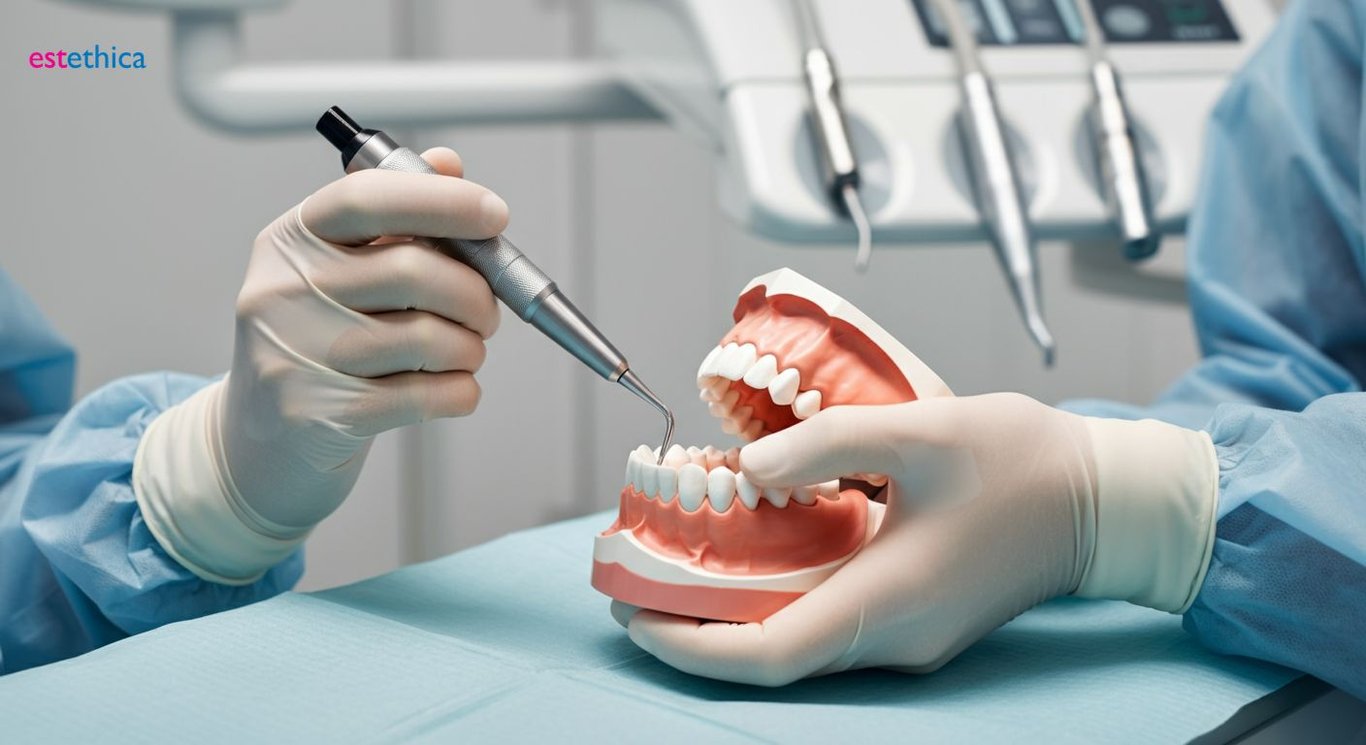
How Do Dental Implants Work? A Step-by-Step Guide
The process of installing dental implants involves several stages. Initially, a comprehensive dental examination is conducted to ensure the jawbone is healthy. Following this, the implant placement procedure begins under local anesthesia, where a small incision is made in the gum to expose the bone. A hole is drilled into the bone, and the titanium implant is inserted, which will act as the root of the new tooth. A healing period of several months is necessary for osseointegration to occur, during which time the bone grows and integrates with the implant. Once fully healed, an abutment is attached to connect the implant to the eventual crown. Finally, a custom-made crown is placed onto the abutment, completing the restoration process. The result is a durable, natural-looking tooth replacement that functions just like a real tooth.
Understanding the Timeline for Dental Implant Procedures
The timeline for dental implant procedures varies depending on individual health factors and the specific requirements of each case. Generally, the entire process, from initial consultation to final crown placement, can take anywhere from six months to a year. The initial phase involves a thorough evaluation, including X-rays and possibly CT scans, to assess the jawbone's condition. If bone grafting is needed to enhance bone density, this can add several months to the timeline. The implant placement surgery itself is typically completed in one or two hours, followed by a healing period of three to six months to allow for osseointegration. Once the implant is fully integrated, the abutment and crown are attached, completing the dental restoration. Regular check-ups are essential throughout the process to monitor progress and ensure the long-term success of the dental implants.
- Initial Assessment: Comprehensive evaluation including imaging to determine suitability and plan treatment.
- Implant Placement: Surgical insertion of the dental implant, followed by a healing period for osseointegration.
- Final Restoration: Attachment of the abutment and custom-made crown to complete the restoration.
Essential Considerations for Long-Term Implant Success
Achieving long-term success with dental implants requires careful consideration of several factors. Maintaining excellent oral hygiene is paramount; regular brushing, flossing, and professional cleanings help prevent peri-implantitis, a condition that can lead to implant failure. The patient's lifestyle also plays a crucial role; avoiding smoking and excessive alcohol consumption can significantly improve the lifespan of dental implants. Regular dental check-ups are essential for monitoring the health of the implant and surrounding tissues. Additionally, choosing a qualified and experienced implant dentistry specialist ensures that the procedure is performed with precision and care. With proper maintenance and professional oversight, dental implants can provide a durable and aesthetically pleasing solution for missing teeth for many years. Studies show that dental implants have a success rate of over 95% when properly cared for.
- Oral Hygiene: Regular brushing, flossing, and professional cleanings are essential for preventing peri-implantitis.
- Lifestyle Choices: Avoiding smoking and excessive alcohol consumption improves implant longevity.
- Professional Care: Regular check-ups with a qualified dentist ensure long-term implant health.

Exploring Modern Materials: Zirconia Dental Implants and Beyond
As technology advances, so do the materials used in dental implants. Zirconia, known for its durability and biocompatibility, has become a popular alternative to traditional titanium implants. One of the key advantages of zirconia is its aesthetic quality; it is tooth-colored, reducing the risk of visible metal, particularly with gum recession. This makes zirconia ideal for patients seeking a more natural appearance. Additionally, zirconia is highly resistant to corrosion and wear, contributing to its longevity as an implant material. It is also non-metallic and hypoallergenic, which can be beneficial for patients with metal sensitivities. The field is continuously evolving with new innovations that explore even more comprehensive materials to enhance implant performance and patient satisfaction.
Advantages of Choosing Zirconia for Dental Implants
Zirconia dental implants offer several advantages that make them an appealing choice for many patients. Their white, tooth-like color provides a more natural aesthetic, particularly important in areas where the implant might be visible. Zirconia is also known for its excellent biocompatibility, reducing the risk of allergic reactions or adverse tissue responses. The material's high resistance to corrosion ensures that implants remain stable and durable over time. Furthermore, zirconia is a non-conductor of electricity and heat, minimizing potential sensitivity or discomfort from temperature changes in the mouth. These properties contribute to the growing popularity of zirconia as a reliable and aesthetically pleasing alternative in implant dentistry. For instance, approximately 65% of patients opt for zirconia implants because of their aesthetic benefits.
- Aesthetic Appeal: Tooth-colored material provides a natural look, especially important in visible areas.
- Biocompatibility: Reduces the risk of allergic reactions and promotes healthy tissue integration.
- Durability: High resistance to corrosion ensures long-term stability and functionality.
The Future of Materials in Implant Dentistry
The field of implant dentistry is continually advancing, with ongoing research focused on developing even more innovative materials. Researchers are exploring new types of ceramics, polymers, and composite materials that could offer enhanced properties such as improved osseointegration, greater strength, and enhanced aesthetic qualities. Future materials may also incorporate antimicrobial properties to reduce the risk of infection and promote better healing. Digital dentistry technologies, such as 3D printing, are playing a crucial role in this evolution, allowing for the creation of customized implants with precise fit and enhanced functionality. These advancements promise to further improve the success rates and patient satisfaction in dental implant procedures. For example, the use of 3D-printed customized implants has shown to improve the precision of fit by up to 40%.
- Advanced Ceramics: Development of new ceramic materials with improved strength and biocompatibility.
- Antimicrobial Properties: Incorporation of antimicrobial agents to reduce infection risks and promote healing.
- Digital Dentistry: Utilization of 3D printing for customized implants with precise fit and functionality.
Osseointegration Mastery: Ensuring Long-Term Dental Implant Success
estethica employs meticulous surgical techniques and biocompatible materials like titanium and zirconia to facilitate osseointegration, the critical process of bone cells attaching to the implant surface. This biological integration ensures the stability and longevity of dental implants, mimicking the function of natural tooth roots.
estethica's dental implant specialists possess extensive training in implant dentistry, focusing on optimizing osseointegration outcomes. Their expertise ensures precise implant placement and promotes faster healing, leading to successful long-term implant stability and functionality.
Precision Implant Dentistry: Ensuring Durability and Natural Aesthetics
estethica prioritizes patient safety and comfort throughout the dental implant process, from comprehensive initial consultations to precise surgical placement and final crown restoration. Stringent oral hygiene protocols and regular check-ups are implemented to ensure the long-term health and success of dental implants.
Patients consistently report high satisfaction with estethica's dental implant procedures, citing the natural-looking results, improved functionality, and enhanced self-esteem as key benefits. The hospital's commitment to personalized care and lasting outcomes has earned it a reputation for excellence in dental implant dentistry.
Frequently Asked Questions
What are dental implants and how do they work?
What is the process for getting teeth implants?
What are the advantages of zirconia dental implants over traditional implants?
How long do dental implants typically last?
What factors contribute to the success of implant dentistry?
Achieve your aesthetic goals with estethica's expert guidance.
📞 Call Us Now for a Free Consultation!