


Explore how dental implants can restore your smile and confidence. Get the expertise you need for safe, lasting results.
Dental health is crucial for not just your appearance but also your overall well-being. Dental implants offer a transformative solution for those missing one or more teeth, providing both aesthetic appeal and functional benefits. In this detailed guide, we break down everything you need to know about dental implants, from their fundamentals to a comparison with other dental prosthetics, and the assurance of safety with modern implant procedures.
Understanding the Basics: What Are Dental Implants?
The Role of Dental Implants in Tooth Replacement
Dental implants serve as a robust solution for tooth replacement, offering a reliable alternative to traditional dentures. Unlike dentures, which can slip or cause discomfort, implants are securely anchored into the jawbone, providing stability and comfort. This integration with the bone not only mimics the natural tooth root but also helps maintain the jawbone's integrity, preventing bone loss over time.
Factors Influencing Dental Implants Cost
Several factors can influence the cost of dental implants, including the complexity of the procedure and the materials used. While the initial investment might seem significant, the long-term benefits often outweigh the costs. Implants are designed to last many years, reducing the need for frequent replacements or adjustments.
Key Benefits of Dental Implants
- Enhanced appearance: Implants look and feel like natural teeth, boosting confidence.
- Improved oral health: They help preserve the jawbone and prevent further tooth loss.
- Durability: With proper care, implants can last a lifetime, making them a cost-effective solution.
Dental implants not only restore functionality but also contribute to overall oral health. Their ability to integrate with the jawbone ensures a stable and permanent solution for missing teeth.
Steps in the Dental Implant Process
- Initial Consultation: Assessment of oral health and suitability for implants.
- Surgical Placement: Implant is inserted into the jawbone, followed by a healing period.
- Final Restoration: Attachment of the crown, completing the tooth replacement.
Understanding the process of dental implants helps patients make informed decisions about their oral health. For more insights into the future of dental implants, explore Revolutionizing Smiles: The Future of Dental Implants.

How Dental Implants Work: A Step-by-Step Guide
Understanding the Implantation Process
The journey to a new smile with dental implants begins with a comprehensive evaluation of your oral health. This involves using advanced imaging techniques like x-rays or 3D scans to assess bone density and ensure the jawbone is healthy enough to support an implant. Once cleared, the surgical phase commences, where the implant is meticulously placed into the jawbone. This procedure is crucial as it sets the foundation for the implant to integrate with the bone, a process known as osseointegration.
Factors Affecting Dental Implant Success
- Bone Health: Adequate bone density is essential for implant stability.
- Oral Hygiene: Maintaining good oral hygiene prevents infections post-surgery.
- Lifestyle Choices: Smoking can impede healing and integration of the implant.
These factors play a pivotal role in the success of dental implants, ensuring they remain a durable and effective solution for tooth replacement.
The Final Steps: Abutment and Crown Placement
- Healing Period: Allowing time for the jawbone to grow around the implant.
- Abutment Attachment: A connector post is secured to the implant.
- Crown Placement: The final step involves attaching a custom-made crown to the abutment, completing the restoration.
This comprehensive process ensures that dental implants not only restore the functionality of natural teeth but also enhance the aesthetic appeal of your smile. By understanding each step, patients can appreciate the meticulous care involved in implant dentistry.

Dental Implants vs Dentures: Making the Right Choice
Understanding the Long-Term Benefits
When considering dental implants versus dentures, it's crucial to evaluate the long-term benefits of each option. Dental implants, for instance, offer a permanent solution that integrates with the jawbone, providing stability and preventing bone loss. This integration mimics the natural tooth root, ensuring that the jawbone remains healthy and intact over time. In contrast, dentures may require periodic adjustments and replacements, which can be inconvenient and costly in the long run.
Evaluating Comfort and Functionality
- Chewing Efficiency: Implants provide superior chewing ability, allowing for a more varied diet.
- Comfort Level: Unlike dentures, implants do not slip or cause irritation.
- Speech Clarity: Implants help maintain natural speech patterns, unlike dentures which may affect pronunciation.
These factors highlight the enhanced comfort and functionality that dental implants offer, making them a preferred choice for many seeking tooth replacement solutions.
- Initial Consultation: Discussing individual needs and evaluating oral health.
- Procedure Planning: Customizing the treatment plan based on the patient's requirements.
- Post-Procedure Care: Ensuring proper maintenance for long-lasting results.
By understanding these steps, individuals can make informed decisions about whether dental implants or dentures best suit their lifestyle and oral health needs.
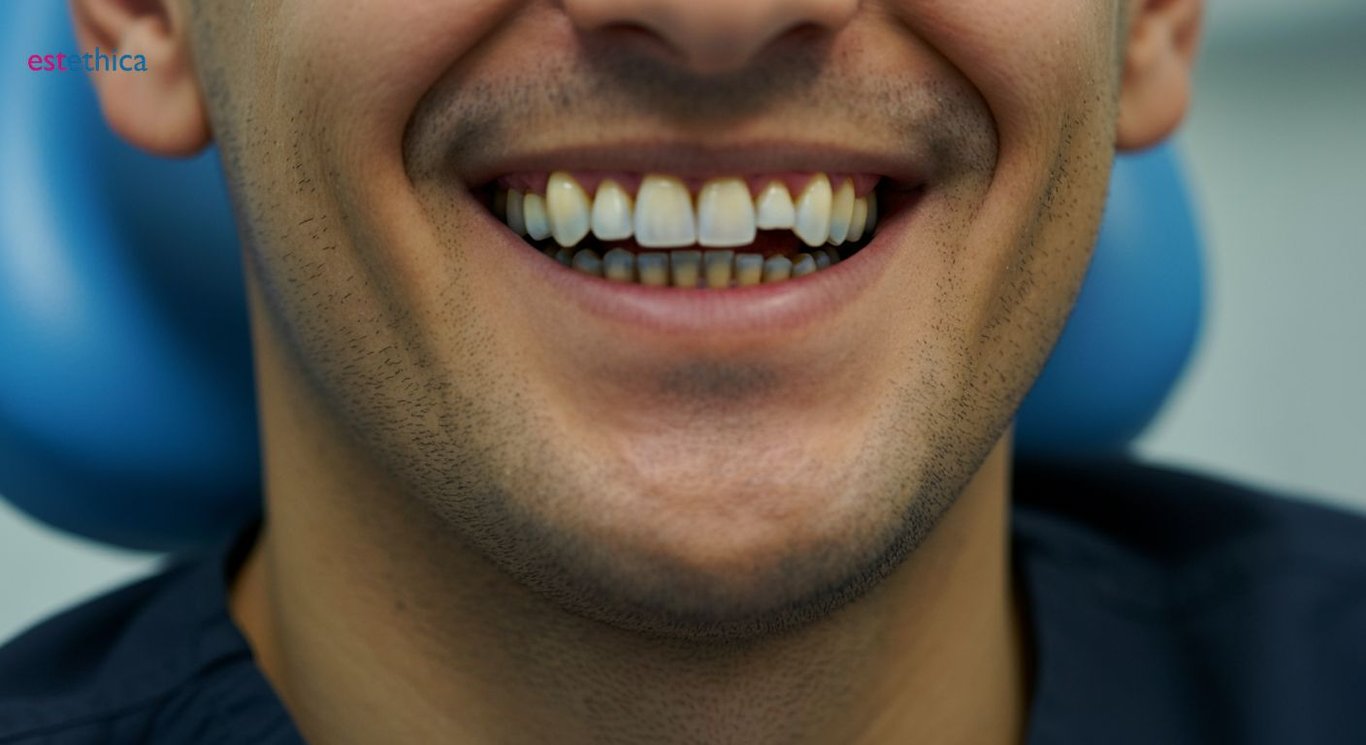
Ensuring Safety: Are Dental Implants Safe for You?
Assessing Candidacy for Dental Implants
Dental implants are a reliable option for tooth replacement, but not everyone is an ideal candidate. Candidates should have healthy gums and sufficient bone density to support the implant. For instance, a patient with a history of periodontal disease might require additional treatments to ensure gum health before proceeding with implants. Similarly, individuals with significant bone loss may need bone grafting to create a stable foundation for the implant.
Understanding the Role of Lifestyle and Health Conditions
- Smoking: Smokers face higher risks of implant failure due to impaired healing.
- Chronic Conditions: Conditions like diabetes can affect the healing process and implant success.
- Oral Hygiene: Maintaining excellent oral hygiene is crucial for implant longevity.
These lifestyle factors and health conditions can significantly impact the success of dental implants. For example, a smoker might be advised to quit smoking before undergoing the procedure to enhance healing and integration of the implant.
- Consultation: Discuss potential risks with your dentist to understand your suitability.
- Pre-Procedure Preparation: Address any underlying health issues to optimize outcomes.
- Post-Procedure Monitoring: Regular check-ups ensure the implant remains secure and healthy.
By following these steps, patients can maximize the success and safety of their dental implants, ensuring a long-lasting and effective tooth replacement solution. Advances in dental technology continue to improve the safety and success rates of implant procedures, making them a viable option for many individuals seeking to restore their smiles.
Advanced Dental Implant Techniques for Lasting Oral Health
Ensuring Safety and Success in Dental Implant Procedures
Frequently Asked Questions
What are dental implants and how do they work?
What factors influence the success of dental implants?
How do dental implants compare to dentures?
Are dental implants safe for everyone?
What is the process for getting dental implants?
Discover the path to 'Healthy Beauty' with estethica's expert care. Call now for your free consultation and take the first step towards a more confident you!
📞 Call for Your Free Consultation