


Unlock the secrets to a perfect smile with cutting-edge dental implants, masterfully integrating technology and precision to restore function and aesthetics.
Dental implants have revolutionized the field of dentistry, offering a permanent, natural-looking solution for individuals with missing or damaged teeth. This comprehensive guide explores key topics surrounding dental implants, including their benefits, the osseointegration process, and cutting-edge technologies like 3D printing and the All-on-4 method. Whether you're considering implants for missing back teeth or a full mouth restoration, understanding these aspects will pave your path to a perfect smile.
Understanding Osseointegration: The Key to Implant Success
The Science Behind Osseointegration and Dental Implants
Osseointegration is pivotal for the success of dental implants, representing the direct structural and functional connection between living bone and the surface of a load-bearing artificial implant. First introduced by Professor Per-Ingvar Brånemark in the 1950s, this biological process allows dental implants to function as stable, long-term replacements for missing teeth. For instance, successful osseointegration ensures that implants can withstand the forces of chewing and biting, providing patients with a reliable and durable solution. Factors such as the biocompatibility of the implant material (typically titanium), the condition of the patient's jawbone, and the precision of the surgical placement significantly influence the outcome of osseointegration.
In essence, osseointegration transforms a dental implant from a foreign object into an integrated component of the body. This integration not only provides physical stability but also promotes long-term bone health by stimulating bone remodeling around the implant. Osseointegration is a cornerstone of modern implant dentistry, enabling millions of people to regain their smiles and improve their quality of life with Teeth Implants. The All-on-4 dental implants technique, for example, relies heavily on effective osseointegration to support an entire arch of replacement teeth with just four implants.
Factors Influencing Osseointegration Success
Achieving successful osseointegration in dental implants involves several critical factors that must be carefully considered. Bone quality is paramount; denser bone provides a more stable foundation for the implant, enhancing the likelihood of osseointegration. Implant design also plays a crucial role; implants with textured surfaces promote better bone attachment compared to smooth surfaces. Surgical technique is equally important; precise placement of the implant minimizes trauma to the surrounding bone, facilitating faster and more effective healing. Furthermore, patient health factors, such as smoking, diabetes, and certain medications, can significantly impact osseointegration. For example, smokers often experience delayed or incomplete osseointegration due to reduced blood flow and impaired healing.
- Bone Density: Adequate bone density is crucial for initial implant stability and long-term osseointegration.
- Implant Surface: Textured implant surfaces enhance bone cell attachment and promote faster osseointegration.
- Surgical Precision: Atraumatic surgical techniques minimize bone damage and improve osseointegration outcomes.
Moreover, maintaining good oral hygiene post-surgery is essential to prevent infection and promote healthy bone integration. Regular dental check-ups and professional cleanings help ensure the long-term success of dental implants. The process of osseointegration typically takes several weeks to several months, during which the bone gradually fuses with the implant surface. Once completed, the implant provides a solid base for the artificial tooth, restoring both function and aesthetics. Understanding these factors is vital for both dentists and patients to optimize the chances of successful and lasting Dental Implants.

Dental Implants for Missing Back Teeth: Restoring Function and Form
Benefits of Dental Implants for Posterior Teeth Replacement
Replacing missing back teeth with dental implants is essential for preserving overall oral health and functionality. The absence of molars and premolars can lead to several complications, including reduced chewing efficiency, shifting of adjacent teeth, and bone loss in the jaw. Dental implants offer a stable and durable solution by acting as artificial tooth roots that fuse with the jawbone through osseointegration. This process not only provides a solid foundation for replacement teeth but also stimulates bone growth, preventing further bone resorption. For instance, individuals with dental implants can enjoy a wider range of foods without discomfort, enhancing their nutritional intake and quality of life.
Moreover, dental implants help maintain the natural alignment of teeth by preventing neighboring teeth from drifting into the empty spaces. This is particularly important in the posterior region of the mouth, where the force of chewing is greatest. Additionally, implant dentistry can improve speech clarity, as missing teeth can sometimes affect pronunciation. Patients often report increased confidence and satisfaction with their smile after receiving dental implants, which can have a positive impact on their social and professional lives. Replacing missing back teeth with Teeth Implants is a proactive step toward ensuring long-term oral health and well-being.
The Process of Getting Dental Implants for Back Teeth
The process of receiving dental implants for missing back teeth involves several key steps to ensure successful and lasting results. Initially, a comprehensive evaluation is conducted, including X-rays and 3D scans, to assess the patient's bone density and overall oral health. If the patient is a suitable candidate, the next step is the surgical placement of the implant into the jawbone. This procedure is typically performed under local anesthesia, and in some cases, sedation may be used to ensure patient comfort. Following implant placement, a period of osseointegration is required, during which the implant fuses with the surrounding bone. This process usually takes several months, depending on individual factors such as bone quality and healing ability.
- Initial Consultation: A thorough examination and assessment to determine candidacy for dental implants.
- Implant Placement: Surgical insertion of the implant into the jawbone, followed by a period of osseointegration.
- Restoration: Attachment of a custom-made crown to the implant, restoring full functionality and aesthetics.
Once osseointegration is complete, an abutment is attached to the implant, which serves as a connector for the final restoration. A custom-made crown, designed to match the shape and color of the adjacent teeth, is then placed on the abutment. The final result is a natural-looking and fully functional replacement tooth that blends seamlessly with the rest of the smile. Regular dental check-ups and proper oral hygiene practices are essential to maintain the longevity and health of the Dental Implants. Patients who invest in implant dentistry often find it to be a worthwhile solution for restoring their oral health and confidence.
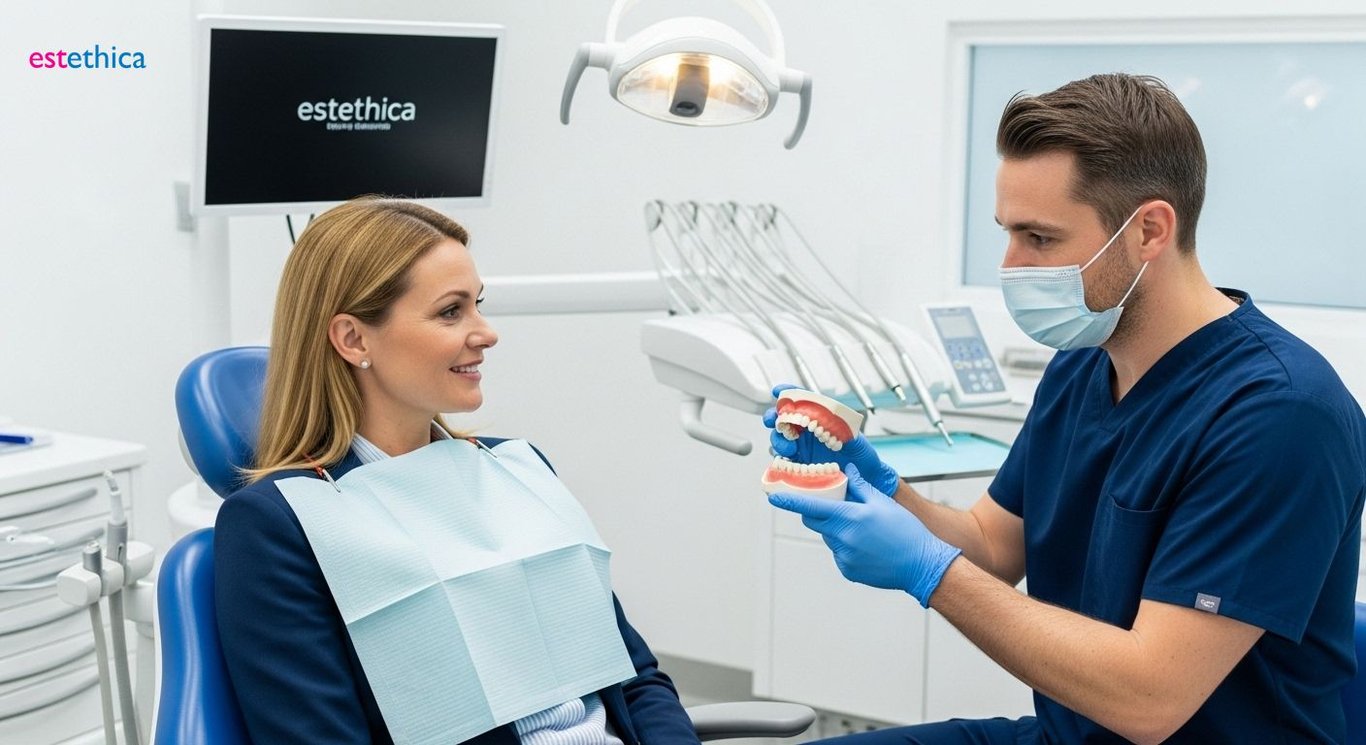
3D Printed Dental Implants: Precision and Personalization in Dentistry
Advantages of 3D Printing in Custom Dental Restorations
3D printing technology has revolutionized the field of implant dentistry, providing unprecedented precision and customization in the creation of dental implants. This innovative approach allows for the design and fabrication of implants that perfectly match a patient's unique anatomical structure, enhancing both fit and function. Traditional methods often involve a more generic approach, which may not always provide the optimal outcome for every individual. With 3D printed dental implants, dentists can create highly personalized solutions that address specific patient needs and preferences. For example, complex cases involving irregular bone structures or unique aesthetic requirements can be managed with greater accuracy and predictability.
The use of 3D printing also streamlines the production process, reducing both the time and cost associated with manufacturing dental implants. Digital scans of the patient's mouth are used to create a virtual model, which is then used to 3D print the implant with exceptional precision. This eliminates the need for multiple manual adjustments and ensures a more efficient workflow. Furthermore, 3D printed implants can be made from a variety of biocompatible materials, offering flexibility in terms of strength, durability, and aesthetic properties. The integration of 3D printing into implant dentistry represents a significant advancement in personalized patient care, leading to improved outcomes and greater patient satisfaction. 3D printed Teeth Implants are paving the way for a new era of precision and efficiency in dental restorations.
Exploring the Materials Used in 3D Printed Dental Implants
The materials used in 3D printed dental implants play a crucial role in their success and longevity. Titanium alloys are a popular choice due to their excellent biocompatibility, strength, and resistance to corrosion. These materials promote osseointegration, allowing the implant to fuse seamlessly with the surrounding bone tissue. Another option is zirconia, a ceramic material known for its aesthetic appeal and biocompatibility. Zirconia implants are particularly well-suited for patients with metal allergies or those who prefer a metal-free solution. Additionally, polymers such as polyetheretherketone (PEEK) are gaining traction in implant dentistry due to their flexibility and shock-absorbing properties.
- Titanium Alloys: Known for their strength, biocompatibility, and ability to promote osseointegration.
- Zirconia: A ceramic material valued for its aesthetic qualities and suitability for metal-sensitive patients.
- PEEK: A polymer offering flexibility and shock absorption, enhancing patient comfort.
The selection of the appropriate material depends on various factors, including the patient's specific needs, the location of the implant, and the desired aesthetic outcome. Ongoing research and development are continuously introducing new and improved materials for 3D printed dental implants, further expanding the possibilities for personalized dental care. The use of advanced materials, combined with the precision of 3D printing, ensures that dental implants are not only functional but also aesthetically pleasing and long-lasting. The All-on-4 dental implants technique can benefit significantly from the precision and material options offered by 3D printing.

All-on-4 Dental Implants: A Revolutionary Approach to Full Mouth Restoration
The All-on-4 Technique: Streamlining Full Mouth Restoration
All-on-4 dental implants offer a transformative solution for individuals seeking full mouth restoration, providing a streamlined and efficient alternative to traditional implant methods. This innovative technique involves the strategic placement of four dental implants in either the upper or lower jaw to support a complete set of prosthetic teeth. The All-on-4 approach is particularly beneficial for patients who have experienced significant bone loss, as the rear implants are typically angled to maximize contact with the existing bone. By minimizing the need for bone grafting, the All-on-4 technique reduces both the overall treatment time and associated costs.
One of the key advantages of All-on-4 dental implants is the ability to provide patients with a fully functional and aesthetically pleasing smile in a relatively short period. In many cases, temporary teeth can be attached to the implants on the same day as the surgery, allowing patients to leave the dental office with immediate results. This immediate improvement in appearance and function can have a profound impact on a patient's self-confidence and quality of life. The All-on-4 dental implants procedure represents a significant advancement in implant dentistry, offering a predictable and reliable solution for full mouth rehabilitation. Proper maintenance and regular check-ups are essential to ensure the long-term success of All-on-4 dental implants.
Ideal Candidates and the Procedure for All-on-4 Implants
Determining the ideal candidates for All-on-4 dental implants involves a thorough evaluation of the patient's oral health, bone density, and overall medical condition. Patients who have lost most or all of their teeth due to decay, gum disease, or injury are often excellent candidates for this procedure. Additionally, individuals who have been wearing dentures and are seeking a more stable and permanent solution may also benefit from All-on-4 implants. A comprehensive examination, including X-rays and 3D scans, is necessary to assess the patient's suitability and to plan the precise placement of the implants.
- Comprehensive Evaluation: Assessment of oral health, bone density, and medical history to determine candidacy.
- Implant Placement: Strategic placement of four implants, often angled to maximize bone contact and stability.
- Immediate Loading: Attachment of temporary teeth on the same day of surgery, providing immediate function and aesthetics.
The All-on-4 dental implants procedure typically begins with the surgical placement of the four implants, followed by a period of healing and osseointegration. Once the implants have fully integrated with the jawbone, a permanent set of prosthetic teeth is custom-designed and attached to the implants. These teeth are designed to look and function like natural teeth, providing patients with a comfortable and confident smile. Regular dental visits and proper oral hygiene practices are crucial for maintaining the health and longevity of the All-on-4 dental implants. The All-on-4 dental implants technique offers a life-changing solution for those seeking to restore their smile and improve their oral health.
3D Printing and All-on-4: Revolutionizing Dental Implant Precision and Full Mouth Restoration
estethica utilizes cutting-edge 3D printing technology to create highly personalized dental implants, ensuring a perfect fit and optimal function for each patient. This precision extends to the All-on-4 technique, where strategically placed implants support a full set of prosthetic teeth, minimizing the need for bone grafting and reducing overall treatment time.
estethica's dental implant specialists are highly trained in advanced implant dentistry techniques, including osseointegration and the application of biocompatible materials like titanium and zirconia. Their expertise ensures successful and long-lasting dental restorations, tailored to individual patient needs and anatomical structures.
Comprehensive Evaluation and Meticulous Surgical Techniques Ensure Lasting Dental Implant Success
estethica prioritizes patient safety and satisfaction by conducting thorough evaluations, including X-rays and 3D scans, to determine candidacy for dental implants. Meticulous surgical techniques minimize trauma to the surrounding bone, facilitating faster and more effective healing, and ensuring the long-term success of dental implants.
Patients at estethica experience restored oral health and renewed confidence through personalized dental implant solutions. The combination of advanced technology, expert dental professionals, and a commitment to patient care results in natural-looking and fully functional replacement teeth that seamlessly blend with the rest of the smile.
Frequently Asked Questions
What are dental implants and how do they work?
What is osseointegration and why is it important for dental implants?
How does the All-on-4 dental implants technique work?
What are the benefits of using 3D printed dental implants?
Are dental implants a good solution for missing back teeth?
Ready to discover your healthiest, most beautiful self with estethica's expert guidance?
📞 Book Your Free Consultation!