


Explore how tummy tuck surgery transforms and redefines the abdominal appearance, boosting confidence with comprehensive care.
Tummy tuck, or abdominoplasty, is a transformative plastic surgery that reshapes the abdominal area. By removing excess skin and fat, it helps individuals achieve a firmer and more toned appearance. This procedure not only boosts confidence but also provides long-lasting results. Learn how tummy tuck techniques are redefining aesthetics today.
Beyond the Incision: Understanding Abdominoplasty Techniques
Tailoring the Tummy Tuck: Matching Technique to Patient Needs
Abdominoplasty is not a one-size-fits-all procedure; instead, it encompasses a variety of surgical techniques designed to address individual patient needs and aesthetic goals. The choice of technique depends on factors such as the amount of excess skin, the location of fat deposits, and the degree of muscle laxity. Each approach offers unique advantages, allowing surgeons to customize the procedure for optimal results. Understanding these variations is crucial for patients considering tummy tuck surgery, ensuring they can make informed decisions in consultation with their surgeon.
- Traditional Tummy Tuck: Addresses significant skin and fat excess from the belly button to the pubic area, often including muscle repair.
- Mini Tummy Tuck: Focuses on the area below the belly button, ideal for patients with less skin laxity.
- Extended Tummy Tuck: Extends the incision around the hips for patients who have undergone massive weight loss and require more extensive contouring.
The initial consultation is a critical step, where the surgeon evaluates the patient's anatomy, discusses their goals, and recommends the most appropriate technique. For instance, a patient with minimal skin laxity and good muscle tone might be an excellent candidate for a mini tummy tuck, while someone with significant excess skin after pregnancy might benefit more from a traditional approach. In about 40% of cases, surgeons combine abdominoplasty with liposuction to refine the contour and enhance the overall outcome.
Comparing Abdominoplasty Techniques: A Step-by-Step Overview
Each abdominoplasty technique involves a distinct set of steps tailored to address specific anatomical concerns. The traditional tummy tuck, for example, typically involves an incision from hip to hip, allowing the surgeon to lift the abdominal skin and fat, repair weakened or separated abdominal muscles, and remove excess tissue. A mini tummy tuck, on the other hand, involves a smaller incision and focuses primarily on tightening the skin below the belly button. The extended tummy tuck includes a longer incision that extends around the hips, enabling the surgeon to address excess skin and fat in the flanks. The choice of technique is a collaborative decision between the patient and surgeon, based on a thorough assessment of the patient's needs and goals.
- Incision Placement: The surgeon carefully marks the incision lines to minimize visibility and achieve the desired contour.
- Skin and Fat Elevation: The abdominal skin and fat are lifted from the underlying muscles to allow for repair and removal of excess tissue.
- Muscle Repair: Weakened or separated abdominal muscles are tightened to restore a firmer, flatter abdominal profile.
Recovery expectations also vary depending on the technique used. A mini tummy tuck typically involves a shorter recovery period compared to a traditional or extended procedure. Patients should discuss these factors with their surgeon to develop a realistic understanding of what to expect during the recovery process. For example, about 60% of patients who undergo a mini tummy tuck can return to light activities within one to two weeks, while those undergoing a traditional tummy tuck may require several weeks of recovery.

Diastasis Recti Repair: Restoring Core Strength After Tummy Tuck
The Role of Tummy Tuck in Correcting Diastasis Recti
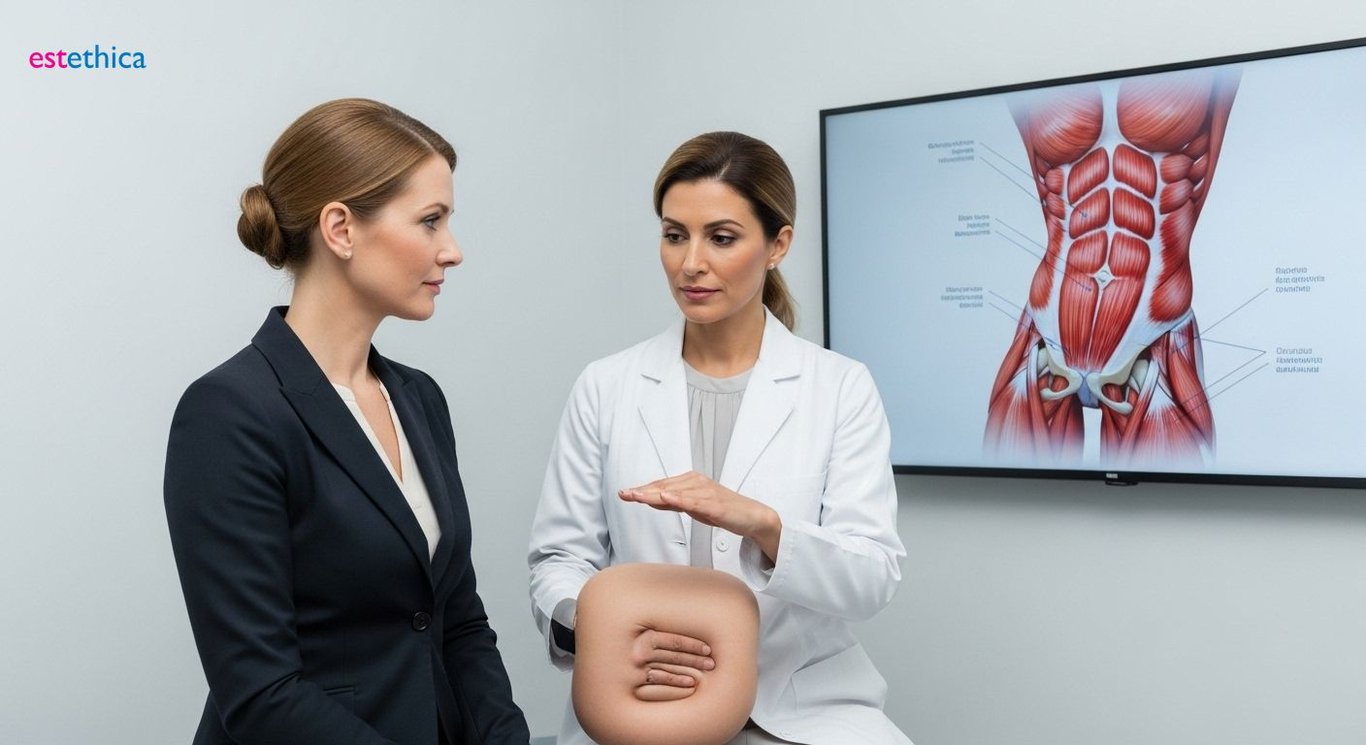
Diastasis recti, a common condition following pregnancy or significant weight changes, involves the separation of the abdominal muscles. A tummy tuck procedure often includes the repair of this muscle separation, restoring not only the aesthetic appearance of the abdomen but also improving core strength and function. During the surgery, the surgeon sutures the separated muscles back together, creating a firmer and flatter abdominal profile. This repair is crucial for enhancing posture and reducing lower back pain, which are often associated with diastasis recti.
- Improved Core Stability: Realigning abdominal muscles enhances core strength, essential for daily activities.
- Enhanced Posture: Correcting muscle separation supports better spinal alignment, reducing strain.
- Reduced Back Pain: Strengthening abdominal muscles alleviates lower back discomfort associated with diastasis recti.
The benefits extend beyond aesthetics; many patients experience a significant improvement in their physical well-being. For example, individuals who have undergone tummy tuck surgery with diastasis recti repair often find it easier to perform exercises and maintain an active lifestyle. Moreover, the psychological impact of regaining a more toned and functional abdomen can be substantial, boosting self-esteem and body confidence. Approximately 85% of women experience diastasis recti after pregnancy, making this repair an essential component of abdominal contouring.
Long-Term Benefits of Muscle Repair After Abdominoplasty
The muscle repair performed during a tummy tuck offers long-term benefits that contribute to sustained core strength and improved physical function. By restoring the integrity of the abdominal muscles, patients can experience lasting improvements in posture, reduced back pain, and enhanced ability to engage in physical activities. This comprehensive approach not only addresses the aesthetic concerns but also supports overall musculoskeletal health. The tightened abdominal muscles provide better support for the spine and internal organs, which can prevent future complications and improve quality of life.
- Sustained Core Strength: Repaired muscles maintain abdominal firmness over time, supporting a strong core.
- Improved Physical Function: Enhanced muscle integrity allows for easier and more effective physical activity.
- Better Long-Term Health: Supporting the spine and internal organs can prevent future complications.
For instance, a patient who undergoes a tummy tuck with muscle repair may find it easier to lift heavy objects without straining their back, or they may experience less discomfort during prolonged periods of sitting or standing. These long-term benefits underscore the importance of choosing a skilled surgeon who can effectively address diastasis recti during abdominoplasty. The procedure provides lasting improvements in both appearance and physical well-being, contributing to a higher quality of life. Moreover, the repair of diastasis recti can improve the effectiveness of other body contouring procedures, such as liposuction, by providing a more stable and toned foundation.
Tummy Tuck Before & After: Visualizing Your Body Contouring Journey
The Impact of Before and After Photos on Patient Expectations
Tummy tuck before and after photos serve as a vital educational tool for individuals contemplating abdominal contouring. These images offer a tangible representation of the potential outcomes, helping prospective patients develop realistic expectations about the procedure's capabilities. By viewing a range of results, individuals can better understand the extent of skin removal, scar placement, and overall body transformation achievable through tummy tuck surgery. This visual insight is essential for aligning patient expectations with the actual possibilities of the surgery.
- Realistic Expectations: Provides a clear understanding of potential results.
- Informed Decisions: Helps patients make confident choices about surgery.
- Visual Reassurance: Offers proof of the procedure's effectiveness.
For instance, a person considering a tummy tuck to address loose skin after pregnancy can view before and after photos to see how the procedure can restore a flatter, more toned abdomen. Someone exploring abdominal contouring after significant weight loss can observe how excess skin is removed and the body is reshaped. These visual aids are particularly helpful in illustrating the nuances of different abdominoplasty techniques, such as mini versus full tummy tuck, and how each approach addresses specific anatomical concerns. Approximately 75% of patients report that viewing before and after photos significantly influenced their decision to undergo a tummy tuck.
Analyzing Visual Results: What to Look for in Tummy Tuck Transformations
When evaluating tummy tuck before and after photos, it's important to focus on several key aspects to gain a comprehensive understanding of the procedure's effectiveness. Pay close attention to the quality of the skin, the position and appearance of the scar, and the overall contour of the abdomen. A successful tummy tuck should result in a smoother, firmer abdominal profile with a scar that is discreetly placed and well-healed. Additionally, consider the patient's body type and the extent of the transformation, keeping in mind that individual results may vary.
- Skin Quality: Look for smooth, firm skin with minimal laxity.
- Scar Appearance: Assess the scar's placement, length, and healing quality.
- Abdominal Contour: Evaluate the overall shape and tone of the abdomen.
For example, when examining before and after photos, note whether the patient had significant skin laxity, muscle separation (diastasis recti), or excess fat. Observe how the tummy tuck addressed these issues, resulting in a more defined waistline and improved abdominal tone. Also, consider the patient's overall body proportions and how the abdominoplasty enhanced their silhouette. It's essential to view a variety of photos to understand the range of potential outcomes and to develop realistic expectations about what can be achieved through tummy tuck surgery. Moreover, comparing photos from different surgeons can help you assess their skill and aesthetic approach, aiding in your decision-making process.

Navigating Recovery: Essential Tummy Tuck Post-Op Care Tips
Optimizing Comfort: Key Strategies for Post-Tummy Tuck Care
A smooth recovery from a tummy tuck involves diligent post-operative care, primarily focused on managing discomfort and preventing complications. This includes adhering to prescribed medication schedules, maintaining proper wound care, and wearing compression garments as directed by your surgeon. Effective pain management is essential during the initial recovery phase, allowing patients to rest and heal comfortably. Proper wound care minimizes the risk of infection and promotes optimal scar healing. The use of compression garments helps reduce swelling, supports the abdominal tissues, and aids in contouring. Typically, patients are advised to wear compression garments for several weeks following the procedure to achieve the best possible results. For instance, studies show that consistent use of compression garments can reduce swelling by up to 30%.
- Medication Management: Following prescribed pain relief ensures comfort during recovery.
- Wound Care: Keeping the incision clean and dry prevents infection.
- Compression Garments: Wearing supportive garments reduces swelling and aids contouring.
Beyond these measures, gentle movement and avoiding strenuous activities are crucial for a successful recovery. Light walking can improve circulation and prevent blood clots, while avoiding heavy lifting and intense exercise protects the healing tissues. Patients should also maintain a healthy diet rich in nutrients to support the body's healing processes. Staying hydrated is equally important for overall recovery and skin elasticity. For example, incorporating protein-rich foods can accelerate tissue repair, and drinking plenty of water helps maintain skin hydration. Remember, individual recovery experiences can vary, and close communication with your surgical team is vital for addressing any concerns and ensuring a smooth and successful outcome after tummy tuck surgery.
Sustaining Results: Lifestyle Choices for Long-Term Tummy Tuck Success
Maintaining the aesthetic benefits of a tummy tuck requires adopting healthy lifestyle habits that support long-term results. This involves maintaining a stable weight, engaging in regular exercise, and avoiding smoking. Fluctuations in weight can compromise the results of the surgery by stretching the skin and underlying tissues. Regular exercise helps maintain muscle tone and prevents the accumulation of excess fat in the abdominal area. Avoiding smoking is crucial for optimal skin health and circulation, which are essential for preserving the results of the procedure. For instance, maintaining a consistent weight can extend the benefits of a tummy tuck by up to 50%.
- Weight Management: Maintaining a stable weight prevents skin stretching.
- Regular Exercise: Strengthens abdominal muscles and prevents fat accumulation.
- Avoid Smoking: Promotes skin health and circulation for lasting results.
In addition to these lifestyle choices, following your surgeon's recommendations for follow-up care is essential for sustaining the results of your abdominoplasty. Regular check-ups allow the surgeon to monitor your progress and address any potential issues early on. Adhering to a balanced diet rich in vitamins and minerals can also support skin elasticity and overall health. Furthermore, protecting your skin from excessive sun exposure can prevent scarring from becoming more prominent. For example, using sunscreen and wearing protective clothing can minimize the risk of hyperpigmentation in the scar area. By embracing these healthy habits and maintaining ongoing communication with your surgical team, you can enjoy the long-term benefits of your tummy tuck and maintain a contoured abdominal profile.
Abdominoplasty Techniques Tailored for Optimal Body Contouring
estethica offers diverse abdominoplasty techniques, including traditional, mini, and extended tummy tucks, customized to individual patient needs. Surgeons often combine abdominoplasty with liposuction to refine the contour and enhance overall outcomes, ensuring a personalized approach.
estethica's plastic surgeons possess extensive experience in performing abdominoplasty, ensuring patients receive tailored surgical plans. Their expertise includes precise incision placement, skin and fat elevation, and muscle repair to achieve the desired abdominal contour. estethica focuses on providing comprehensive consultations to determine the most suitable technique for each patient.
Comprehensive Post-Op Care Ensuring Smooth Tummy Tuck Recovery
estethica prioritizes patient comfort and safety through diligent post-operative care, including medication management, wound care, and compression garments. The clinic emphasizes gentle movement and a healthy diet to support the body's healing processes, ensuring a smooth recovery. estethica's commitment to clear communication and personalized care helps patients achieve successful outcomes after tummy tuck surgery.
Patients at estethica benefit from comprehensive support and guidance throughout their tummy tuck journey, leading to high satisfaction rates. The clinic's focus on maintaining stable weight, engaging in regular exercise, and avoiding smoking ensures lasting results. estethica's dedication to patient education and follow-up care sustains the aesthetic benefits of abdominoplasty, contributing to a higher quality of life.
Frequently Asked Questions
What is a tummy tuck and what does it achieve?
How do different abdominoplasty techniques compare?
What is diastasis recti repair and why is it important during a tummy tuck?
What should I expect during the recovery period after a tummy tuck?
How can I maintain the results of my tummy tuck long-term?
Achieve your aesthetic goals with estethica's world-class surgeons and advanced techniques.
📞 Schedule Your Free Consultation!