

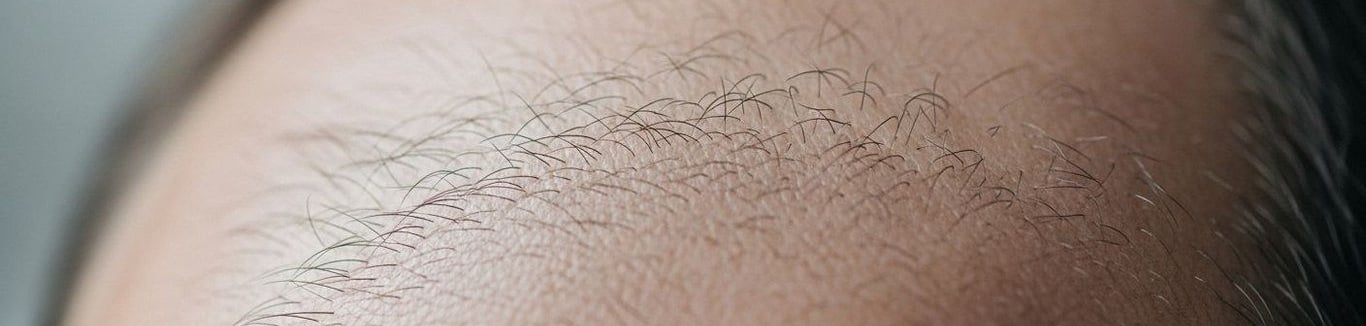
Explore advanced hair restoration techniques and learn how to unlock the potential of your hair effectively.
Understanding the nuances of hair restoration is essential for anyone looking to combat hair loss. This guide aims to provide a comprehensive overview, addressing the root causes of hair loss, illustrating advanced hair transplantation methods, and offering insights into post-surgery expectations. We also include a checklist to help you find the best hair transplant surgeon. Whether you're considering a hair transplant or exploring non-surgical options, this guide is your go-to resource.
Understanding Hair Loss: Identifying the Root Causes
Exploring Genetic Predisposition and Hair Loss
Genetic factors play a significant role in determining an individual's susceptibility to hair loss. Androgenetic alopecia, also known as male or female pattern baldness, is heavily influenced by inherited genes from both parents. These genes can affect the sensitivity of hair follicles to dihydrotestosterone (DHT), a hormone that can shrink hair follicles, leading to thinning and eventual hair loss. Understanding your family history can provide insights into your potential risk and guide preventive measures or early treatments.
- Family History Assessment: Evaluating the prevalence of hair loss among relatives helps gauge individual risk.
- Genetic Counseling: Consulting with a genetic counselor provides clarity on inherited predispositions and potential interventions.
- Personalized Treatment Plans: Tailoring hair loss treatments based on genetic factors enhances effectiveness.
Hair restoration can be achieved through various methods, including medications, laser therapy, and hair transplant. Genetic predispositions can also influence the success of these treatments. For instance, individuals with a strong family history of hair loss might require more aggressive or long-term interventions to maintain hair density and prevent further thinning. Genetic testing is available to assess individual risk, aiding in the development of proactive and personalized strategies for hair loss management.
The Impact of Lifestyle Factors on Hair Health
Lifestyle choices, including diet, stress levels, and hair care practices, significantly influence hair health and can contribute to or exacerbate hair loss. Nutritional deficiencies, particularly in iron, zinc, and biotin, can weaken hair follicles, leading to thinning and breakage. High stress levels can trigger hormonal imbalances and inflammatory responses that disrupt the hair growth cycle. Harsh hair treatments, such as excessive heat styling, chemical perms, and tight hairstyles, can damage the hair shaft and cause hair loss. Prioritizing a balanced diet, managing stress, and adopting gentle hair care practices are essential for maintaining healthy hair and preventing hair loss.
- Nutritional Optimization: Incorporating a balanced diet rich in vitamins and minerals supports hair follicle health.
- Stress Management Techniques: Practicing relaxation techniques like yoga or meditation reduces stress-related hair loss.
- Gentle Hair Care Routine: Avoiding harsh treatments and adopting gentle styling methods minimizes hair damage.
Hair loss treatment often involves addressing underlying lifestyle factors to create an optimal environment for hair growth. For example, individuals experiencing hair loss due to iron deficiency may benefit from iron supplementation and dietary adjustments. Stress management techniques, such as mindfulness and exercise, can help regulate hormones and reduce inflammation, promoting healthier hair growth. Choosing gentle hair care products and avoiding excessive heat styling can prevent further damage and support the effectiveness of other hair restoration efforts. The best hair transplant surgeon can advise on lifestyle adjustments.
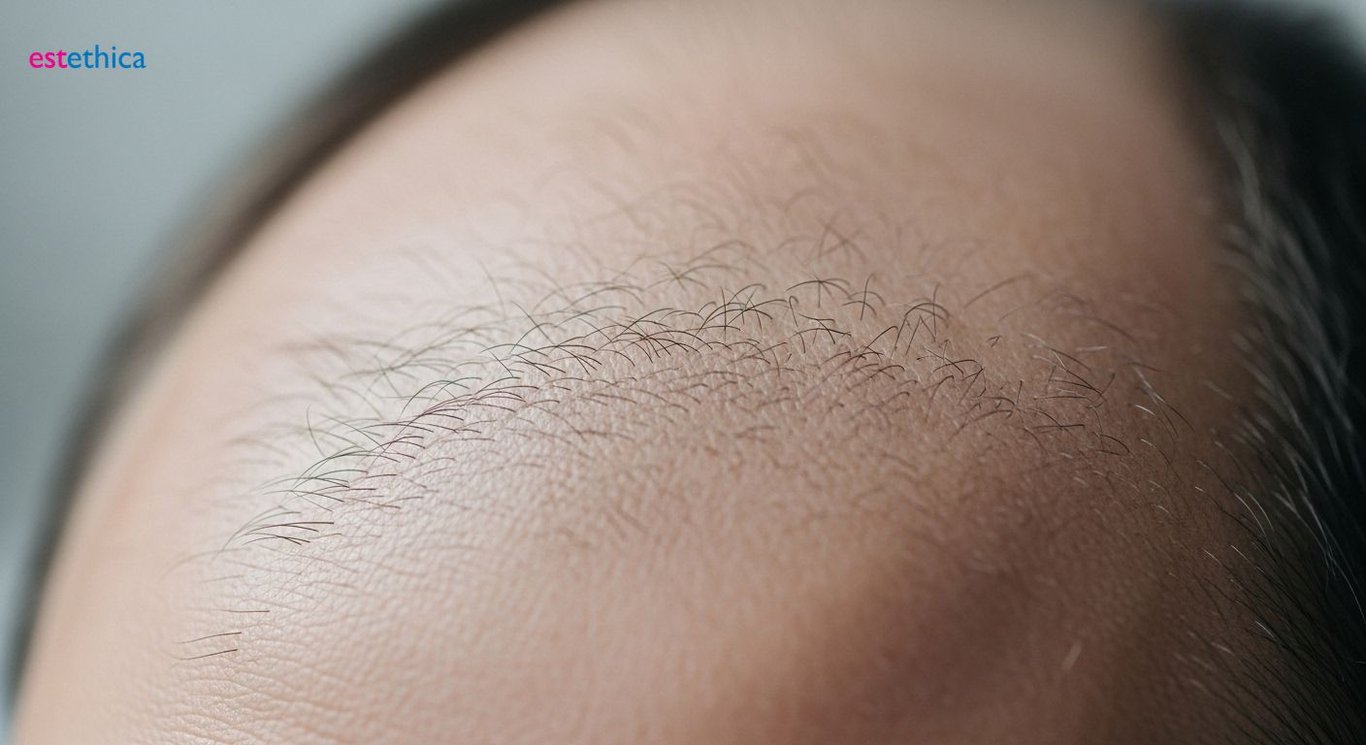
Follicular Unit Transplantation: The Gold Standard Explained
The Precision and Artistry of FUT Hair Restoration
Follicular Unit Transplantation (FUT) is a meticulous hair restoration technique that involves transplanting hair in its natural groupings of 1-4 hairs, known as follicular units. This approach ensures a seamless and natural-looking integration with the patient's existing hair. A skilled hair restoration specialist performs FUT with precision, carefully harvesting a strip of hair-bearing skin from the donor area, typically the back of the scalp, where hair is genetically resistant to balding. The strip is then dissected under magnification into individual follicular units, which are strategically transplanted into the recipient area. The artistry of FUT lies in the careful placement of these units, mimicking the natural hair growth patterns to achieve optimal density and a natural appearance.
- Careful Harvesting: Minimizes trauma to the scalp, promoting faster healing.
- Precise Dissection: Ensures the integrity of each follicular unit for optimal growth.
- Strategic Placement: Replicates natural hair patterns for a seamless look.
FUT is highly effective for addressing various forms of hair loss, including receding hairlines and thinning crowns. By transplanting hair in its natural groupings, FUT provides superior density and coverage compared to older techniques that used larger grafts. The procedure minimizes scarring due to the use of advanced suturing techniques. Follicular Unit Transplantation delivers natural results, restoring not only hair but also confidence.
Achieving Natural Hair Density with FUT
One of the primary benefits of Follicular Unit Transplantation (FUT) is its ability to achieve high hair density in the recipient area. By transplanting individual follicular units, the surgeon can closely mimic the natural density and distribution of hair. This is particularly important for patients seeking to restore a full head of hair or to address significant hair thinning. The meticulous placement of each graft ensures that the transplanted hair blends seamlessly with the existing hair, creating a natural and undetectable result. The density achieved through FUT is often superior to other hair transplant methods, making it a preferred choice for those seeking maximum coverage.
- Enhanced Coverage: Provides more comprehensive coverage for thinning areas.
- Natural Distribution: Mimics the natural density and pattern of hair growth.
- Seamless Blending: Ensures the transplanted hair blends with existing hair.
The success of FUT in achieving natural hair density relies heavily on the expertise of the hair restoration specialist. A skilled surgeon understands the nuances of hair growth patterns and can strategically place the grafts to maximize density while maintaining a natural appearance. Follicular Unit Transplantation is a reliable and effective solution for those seeking to restore hair density and improve their overall appearance.
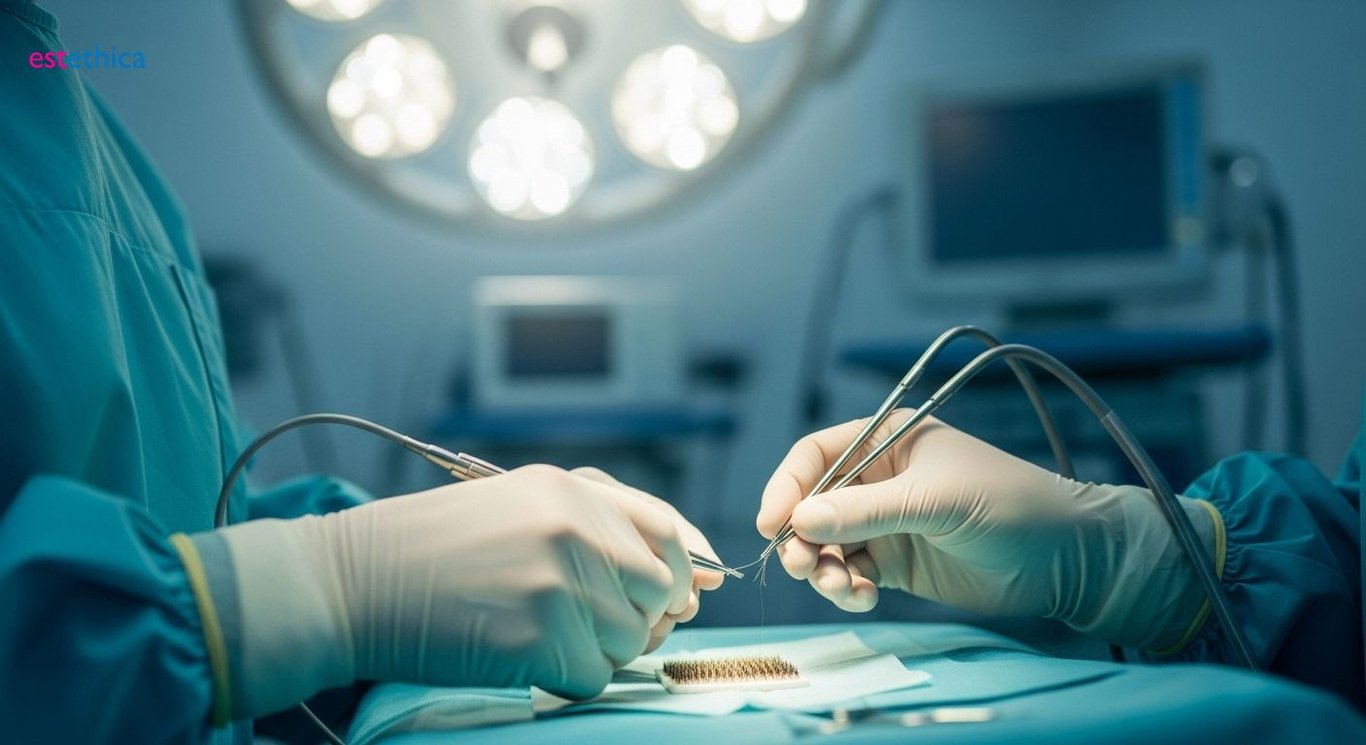
Navigating Hair Transplant Results: What to Expect Post-Surgery
Understanding the Post-Transplant Shedding Phase
After undergoing a hair transplant, it's common for patients to experience a shedding phase, where the newly transplanted hairs fall out before regrowth begins. This is a normal part of the hair growth cycle and not a sign of transplant failure. The shedding phase typically occurs within the first few weeks post-surgery, as the transplanted follicles adjust to their new location. New hair growth will commence a few months later. Understanding this process helps patients maintain realistic expectations and adhere to their aftercare plan. The best hair transplant surgeon will provide detailed guidance on managing this phase and promoting optimal regrowth.
- Normal Adjustment: Shedding is a typical response as follicles adapt to their new environment.
- Temporary Phase: Hair loss is temporary, with new growth starting within a few months.
- Patience is Key: Understanding the process helps manage expectations during recovery.
Hair restoration at estethica includes comprehensive support to help patients navigate the shedding phase. Follicular unit transplantation ensures minimal trauma to the scalp, aiding quicker recovery and better results. By following post-operative care instructions carefully, patients can minimize complications and optimize hair regrowth. The shedding phase is a temporary setback on the path to a fuller, natural-looking head of hair. estethica's team is dedicated to providing ongoing support and guidance throughout the entire process, ensuring patients achieve the best possible outcomes.
Optimizing Long-Term Hair Growth After Transplant
Achieving optimal, long-term hair growth after a hair transplant involves a combination of proper aftercare and lifestyle adjustments. Following post-operative instructions, such as gentle washing and avoiding strenuous activities, is crucial for the survival of transplanted follicles. Additionally, maintaining a healthy diet rich in vitamins and minerals supports hair follicle health and promotes robust hair growth. Avoiding smoking and excessive alcohol consumption can also enhance hair growth, as these habits can impair circulation and nutrient delivery to the scalp. Regular follow-up appointments with your hair restoration specialist are essential to monitor progress and address any concerns. The best hair loss treatment combines medical expertise with patient commitment to achieve lasting results.
- Gentle Post-Care: Washing hair gently and avoiding harsh treatments protects new follicles.
- Nutrient-Rich Diet: Consuming vitamins and minerals supports healthy hair growth.
- Healthy Lifestyle: Avoiding smoking and alcohol improves circulation to the scalp.
estethica's approach to hair restoration includes personalized aftercare plans tailored to each patient's needs. Follicular unit extraction and other advanced techniques minimize trauma and promote faster healing. Patients should follow all post-operative care instructions carefully to achieve optimal results. By adopting a proactive approach to hair health, individuals can maximize the benefits of their hair transplant and enjoy a fuller, healthier head of hair for years to come. estethica is committed to providing ongoing support and guidance, ensuring patients achieve the best possible outcomes.

Finding the Best Hair Transplant Surgeon: A Comprehensive Checklist
Key Considerations for Selecting a Hair Transplant Surgeon
Choosing the right surgeon is vital for a successful hair transplant. Look for board certifications, indicating that the surgeon has met rigorous standards of education, training, and competence in hair restoration. Patient testimonials offer insights into the experiences of others, providing a glimpse into the surgeon's bedside manner and the quality of care. Before-and-after photos showcase the surgeon's skill and aesthetic sensibility, allowing you to assess the naturalness and density of their work. Verify their experience with specific techniques such as Follicular Unit Transplantation (FUT) or Direct Hair Implantation (DHI) Plus Gold, ensuring they are proficient in the methods best suited to your needs. At estethica, surgeons are selected for their expertise and commitment to patient satisfaction.
- Board Certification: Ensures the surgeon meets high standards of skill and knowledge.
- Patient Testimonials: Provides insight into the surgeon's quality of care.
- Before-and-After Photos: Showcases the surgeon's aesthetic skill and results.
Selecting a qualified surgeon is the first step toward achieving your hair restoration goals. estethica emphasizes personalized care and cutting-edge techniques to deliver exceptional results. By carefully evaluating a surgeon's credentials, experience, and patient feedback, you can make an informed decision and embark on your hair transplant journey with confidence.
The Consultation Process and What to Expect
Scheduling a consultation is a crucial step in clarifying any questions about the hair transplant process, cost, and expected outcomes. During the consultation, the surgeon will assess your hair loss pattern, evaluate your scalp condition, and discuss your goals and expectations. This is an opportunity to ask about the different hair transplant methods available, such as Follicular Unit Extraction (FUE) and FUT, and to understand which technique is best suited for your specific needs. The surgeon will also explain the potential risks and benefits of the procedure, as well as the recovery process. At estethica, all procedures are tailored to individual needs, ensuring the best outcome through the latest technology and expert care. Follicular unit transplantation is commonly discussed during these consultations.
- Comprehensive Assessment: Evaluation of hair loss pattern and scalp condition.
- Technique Discussion: Explanation of available methods and suitability for your needs.
- Realistic Expectations: Understanding potential risks, benefits, and recovery.
The consultation process is designed to provide you with all the information you need to make an informed decision about your hair transplant. estethica is committed to transparency and patient education, ensuring that you feel confident and comfortable throughout your journey. Hair restoration is a personalized process, and the consultation is the foundation for achieving the best possible results.
Precision Follicular Unit Transplantation (FUT) for Natural Hair Restoration
estethica specializes in Follicular Unit Transplantation (FUT), a meticulous hair restoration technique involving the transplantation of hair in its natural groupings of 1-4 hairs. This ensures a seamless and natural-looking integration with the patient's existing hair, providing superior density and coverage compared to older techniques.
estethica surgeons are highly skilled in performing FUT, carefully harvesting a strip of hair-bearing skin from the donor area and dissecting it into individual follicular units under magnification. Their artistry lies in the strategic placement of these units, mimicking natural hair growth patterns to achieve optimal density and a natural appearance.
Comprehensive Post-Transplant Support for Optimal Long-Term Hair Growth
estethica provides comprehensive support to help patients navigate the post-transplant shedding phase, ensuring realistic expectations and adherence to aftercare plans. Our approach to hair restoration includes personalized aftercare plans tailored to each patient's needs, minimizing trauma and promoting faster healing.
estethica emphasizes personalized care and cutting-edge techniques to deliver exceptional results. Patients benefit from detailed guidance on managing the shedding phase and promoting optimal regrowth, ensuring they feel confident and comfortable throughout their hair restoration journey.
Frequently Asked Questions
What is a hair transplant and who is a good candidate?
What is Follicular Unit Transplantation (FUT) and how does it work?
What can I expect in terms of hair transplant results after the surgery?
How do I choose the best hair transplant surgeon for my needs?
What factors affect the overall hair transplant cost and what does it include?
Ready to discover your healthiest, most beautiful self with estethica's expert guidance?
📞 Call Now for a Free Consultation!