


Explore modern hair restoration options at estethica, including FUT and non-surgical treatments, to combat hair loss and regain your confidence.
Hair loss can be a distressing experience, impacting self-esteem and overall quality of life. Fortunately, modern hair restoration techniques offer effective solutions to combat thinning hair and baldness. Whether you're exploring surgical options like Follicular Unit Transplantation (FUT) or considering non-surgical hair loss treatments, understanding the available options is the first step toward reclaiming a fuller, healthier head of hair. This article delves into the intricacies of hair restoration, providing insights into the causes of hair loss, the gold standard techniques, alternative treatments, and what to expect during the process. At estethica, we are committed to providing comprehensive solutions for hair restoration, ensuring that each patient receives personalized care and achieves the best possible results. Our team of experts utilizes the latest technologies and methods to deliver natural-looking and long-lasting outcomes, helping you regain your confidence and youthful appearance. Discover how estethica can help you unlock your hair's potential and transform your life.Decoding Male Pattern Baldness: Understanding the Root Cause
Unveiling the Genetic and Hormonal Factors in Hair Loss
Male pattern baldness, or androgenetic alopecia, is a widespread issue influenced by genetics and hormones. Dihydrotestosterone (DHT), derived from testosterone, is a key factor, shrinking hair follicles and disrupting hair growth. This hormonal effect varies among individuals, with some experiencing more significant follicle shrinkage than others. Genetic predisposition also plays a crucial role, determining how susceptible one is to DHT's impact. The interplay between DHT and genetics makes understanding this condition complex, requiring personalized assessments for effective hair loss treatment.
Age-related hormonal changes can also exacerbate male pattern baldness, leading to a gradual decline in hair density. Early signs, such as a receding hairline or thinning at the crown, should prompt timely intervention. At estethica, we employ advanced diagnostic tools to evaluate your hair follicles and scalp condition, providing a clear understanding of the nature and extent of your hair loss. This comprehensive evaluation guides our tailored treatment strategies, which may include surgical hair restoration, non-surgical therapies, or a combination of both. Recognizing these factors is the first step towards effective management and potential hair transplant options.
Key Elements Contributing to Male Pattern Baldness
- DHT Sensitivity: Individual variations in DHT sensitivity affect the rate and extent of hair follicle miniaturization. For example, some men may experience rapid hair thinning in their 20s, while others may not notice significant changes until their 40s.
- Genetic Predisposition: Family history of baldness increases the likelihood of developing androgenetic alopecia. If both parents have a history of hair loss, the risk is significantly higher.
- Age and Hormonal Shifts: As men age, hormonal changes can accelerate hair thinning. The production of DHT may increase or the follicles may become more sensitive to its effects.
Understanding these elements is essential for determining the most appropriate treatment. At estethica, our comprehensive approach ensures you receive the most effective and sustainable solutions for combating male pattern baldness, considering all contributing factors.
Assessing Your Candidacy for Hair Restoration
Determining whether you are a good candidate for hair restoration involves several critical factors. The extent and pattern of your hair loss, your overall health, and your expectations all play significant roles. A thorough assessment by a qualified hair transplant clinic is essential to evaluate these aspects. At estethica, we begin with a detailed consultation to understand your specific concerns and goals. We then conduct a comprehensive examination of your scalp and hair follicles, using advanced diagnostic tools to assess the density and health of your existing hair. This detailed analysis helps us determine the most suitable treatment options, which may include follicular unit extraction (FUE) or other advanced techniques.
Understanding your expectations is just as important as assessing your physical condition. Realistic expectations are key to a successful outcome. For instance, a patient with extensive hair loss may not achieve the same density as someone with mild thinning. Our team at estethica takes the time to explain the potential results of each treatment option, ensuring you have a clear understanding of what can be achieved. This collaborative approach ensures that our patients are well-informed and satisfied with their treatment plans. Moreover, we consider factors like your age, general health, and any pre-existing conditions to ensure the safety and effectiveness of the hair transplant procedure before and after. For example, individuals with certain autoimmune diseases may not be ideal candidates for hair restoration.
Steps to Determine Hair Restoration Candidacy
- Initial Consultation: Discuss your hair loss history, goals, and expectations with a specialist at estethica. This step helps tailor the assessment to your specific needs.
- Scalp and Hair Follicle Examination: Undergo a thorough examination using advanced diagnostic tools to assess hair density and health. This provides a clear picture of the extent of your hair loss.
- Realistic Expectation Setting: Understand the potential outcomes of different hair restoration options, ensuring you have a clear and informed perspective on what can be achieved.
By following these steps, estethica ensures that each patient receives a personalized and effective treatment plan, maximizing the chances of a successful and satisfying hair restoration experience.
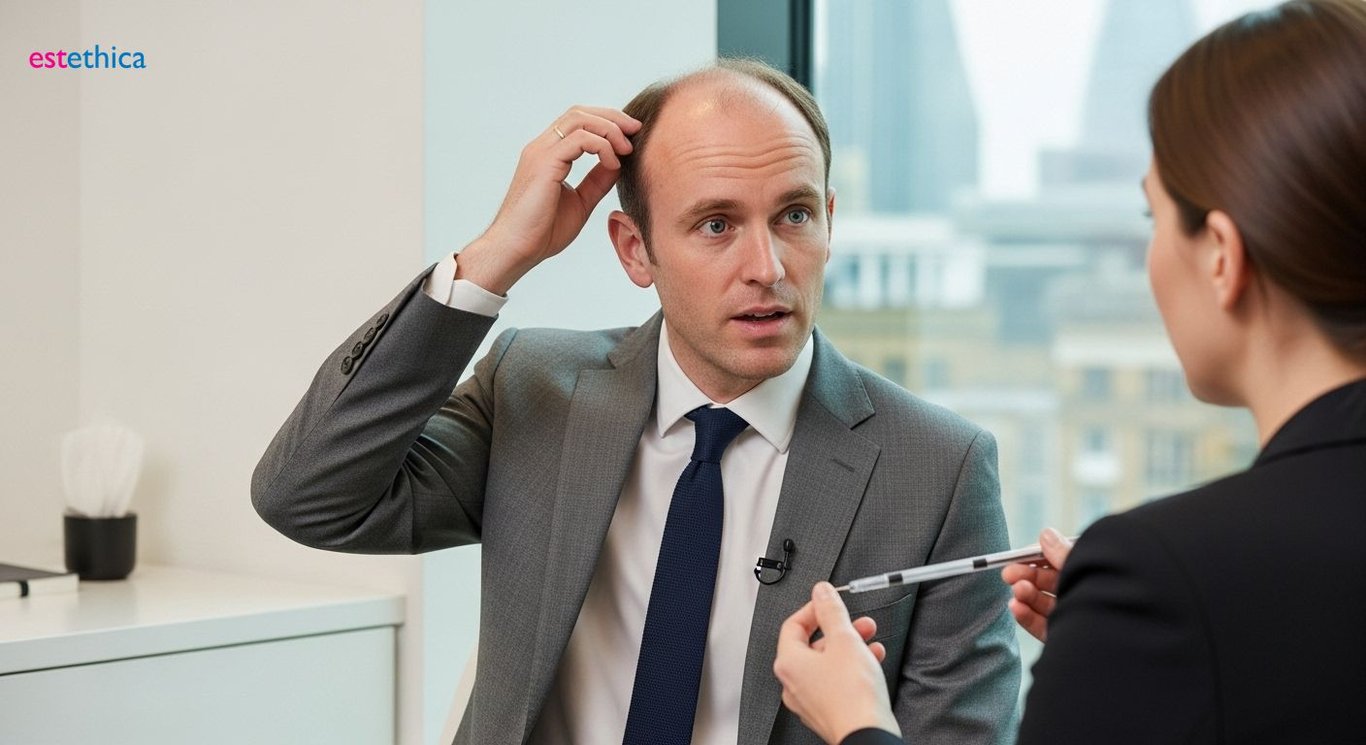
Follicular Unit Transplantation: The Gold Standard in Hair Restoration
The FUT Procedure: Step-by-Step Breakdown
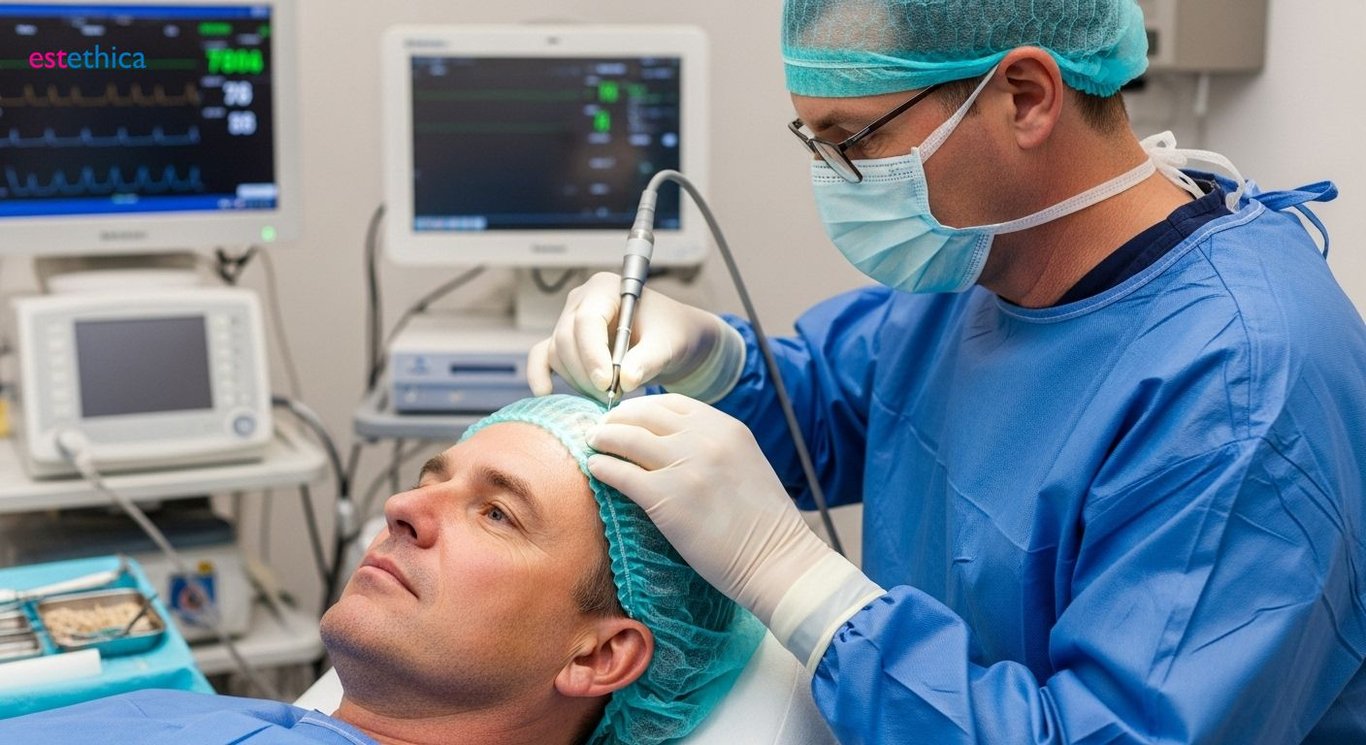
Follicular Unit Transplantation (FUT) remains a leading hair restoration technique, known for its effectiveness and natural results. The procedure begins with the careful removal of a strip of scalp from the donor area, typically the back of the head, where hair is genetically resistant to balding. This area is chosen because these follicles are less susceptible to the effects of DHT, the hormone responsible for male pattern baldness. The excised strip is then meticulously dissected under a microscope into individual follicular units, each containing one to four hairs. This step requires precision to ensure the survival and integrity of each graft. At estethica, our skilled technicians perform this dissection with utmost care, maximizing the yield of viable grafts.
Once the follicular units are prepared, the surgeon creates tiny recipient sites in the balding areas, carefully matching the angle and direction of the existing hair growth. The grafts are then precisely placed into these sites, following the natural hair pattern to achieve a seamless and natural-looking result. The strategic placement of grafts is crucial for creating density and a realistic appearance. The entire procedure is performed under local anesthesia, ensuring patient comfort throughout the process. FUT allows for the transplantation of a large number of grafts in a single session, making it an ideal solution for individuals with extensive hair loss seeking significant hair restoration.
Key Advantages of Follicular Unit Transplantation
- High Graft Survival Rate: FUT ensures a high percentage of transplanted follicles survive, leading to long-term hair growth. Proper handling and placement of grafts are critical to this outcome.
- Natural-Looking Results: The meticulous placement of individual follicular units mimics natural hair patterns, providing a seamless and undetectable hair transplant.
- Efficient Coverage: FUT allows for the transplantation of a large number of grafts in a single session, making it suitable for extensive hair loss cases.
At estethica, we leverage these advantages to provide our patients with the best possible outcomes in hair restoration, ensuring satisfaction and confidence in their new hair.
Minimizing Scarring and Ensuring Optimal Recovery
One of the primary concerns with FUT is the potential for a linear scar at the donor site. However, advancements in surgical techniques have significantly reduced the visibility of these scars. At estethica, our surgeons employ meticulous closure techniques, such as trichophytic closure, which allows hair to grow through the scar, making it virtually undetectable. This technique involves overlapping the edges of the incision, so hair follicles grow through the scar line, camouflaging it effectively. Additionally, we offer advanced wound healing treatments to promote faster recovery and minimize scarring.
Post-operative care is crucial for ensuring optimal healing and minimizing complications. We provide detailed aftercare instructions, including proper wound care, medication management, and activity restrictions. Our team closely monitors patients throughout the recovery process, addressing any concerns and providing support to ensure a smooth and comfortable healing experience. We also offer therapies to stimulate hair growth and improve the overall health of the scalp. For example, low-level laser therapy (LLLT) can enhance blood flow to the follicles, promoting faster and stronger hair growth. At estethica, our comprehensive approach to FUT ensures not only excellent hair restoration results but also a positive and supportive experience throughout the entire process. Many patients find that the benefits of a fuller head of hair far outweigh the minimal scarring, especially with our advanced techniques and dedicated care. We also provide guidance on how to manage the scar in the long term, ensuring it remains discreet and well-concealed. This includes advice on hair styling and potential touch-up procedures if needed.
Essential Steps for Minimizing Scarring After FUT
- Trichophytic Closure: Undergo trichophytic closure at the donor site to allow hair to grow through the scar, making it less visible. This technique is crucial for minimizing the appearance of the scar.
- Advanced Wound Healing Treatments: Utilize advanced wound healing treatments to promote faster recovery and minimize scarring. These treatments can include laser therapy and topical applications.
- Detailed Aftercare Instructions: Follow detailed aftercare instructions, including proper wound care, medication management, and activity restrictions. Adhering to these instructions is essential for optimal healing.
By following these steps and choosing estethica for your hair restoration, you can minimize scarring and achieve excellent, natural-looking results.
Non-Surgical Hair Loss Treatments: Are They Right for You?
Exploring Non-Surgical Options for Hair Regrowth
For individuals seeking less invasive options, non-surgical hair loss treatment offer a viable alternative to hair transplant surgery. These treatments aim to stimulate hair growth, slow down hair loss, and improve the overall health of the scalp. Common non-surgical options include topical medications like minoxidil, oral medications like finasteride, laser therapy, and platelet-rich plasma (PRP) injections. Minoxidil works by increasing blood flow to the hair follicles, while finasteride blocks the production of DHT. Laser therapy stimulates hair growth at the cellular level, and PRP injections utilize the patient's own blood to promote healing and regeneration. The effectiveness of non-surgical treatments varies depending on the individual and the underlying cause of hair loss. At estethica, we offer a range of non-surgical hair loss treatments for men tailored to your specific needs.
Our experts will assess your condition and recommend the most appropriate treatment plan to achieve the best possible results. We understand that not everyone is a suitable candidate for surgery, and we are committed to providing effective non-surgical solutions to address your hair loss concerns. Our non-surgical treatments are designed to be convenient, comfortable, and minimally invasive, allowing you to maintain your daily routine while improving your hair health. We also provide ongoing support and monitoring to ensure that you achieve and maintain optimal results. For example, consistent use of minoxidil can lead to noticeable improvements in hair density within a few months. Another example is that laser therapy can be combined with other treatments to enhance their effectiveness. At estethica, we prioritize personalized care to ensure the best possible outcomes for our patients.
Benefits of Choosing Non-Surgical Hair Loss Treatments
- Minimally Invasive: Non-surgical treatments avoid the need for incisions or anesthesia, reducing the risks and downtime associated with surgery. For example, PRP injections involve minimal discomfort and a quick recovery.
- Convenient and Comfortable: These treatments can often be administered in-office or at home, fitting easily into your daily routine. Laser therapy, for instance, can be done with a handheld device in the comfort of your home.
- Customizable Treatment Plans: Non-surgical options can be tailored to your specific needs and the underlying cause of your hair loss. At estethica, our experts design personalized plans to maximize effectiveness.
Choosing the right hair loss treatment involves considering various factors, and at estethica, we are dedicated to providing comprehensive care and support to help you make an informed decision.
Determining the Right Non-Surgical Approach for You
Selecting the most effective non-surgical hair loss treatment requires a thorough evaluation of your individual condition and needs. Factors such as the type and extent of hair loss, your overall health, and your lifestyle all play a crucial role in determining the best course of action. At estethica, our experts conduct a comprehensive assessment to understand these factors and develop a personalized treatment plan. This assessment includes a detailed examination of your scalp and hair follicles, as well as a review of your medical history. For instance, individuals with male pattern baldness may benefit from finasteride, while those with inflammatory conditions may require different treatments.
Understanding the potential outcomes and limitations of each treatment option is also essential. While non-surgical treatments can be effective in slowing down hair loss and promoting regrowth, they may not provide the same dramatic results as a hair transplant. For example, minoxidil can help increase hair density, but it may not restore hair to areas that have been bald for a long time. Setting realistic expectations is key to a satisfying outcome. At estethica, we take the time to explain the potential benefits and limitations of each treatment, ensuring you have a clear understanding of what to expect. We also provide ongoing support and monitoring to track your progress and make any necessary adjustments to your treatment plan. Our goal is to help you achieve the best possible results with a non-surgical approach, improving your hair health and overall confidence. According to a recent study, approximately 60% of men using finasteride experience a stabilization of hair loss, highlighting the potential benefits of this treatment.
Steps to Finding the Best Non-Surgical Hair Loss Treatment
- Comprehensive Assessment: Schedule a detailed evaluation with estethica to assess the type and extent of your hair loss, as well as your overall health. This will help determine the most suitable treatment options.
- Realistic Expectations: Understand the potential outcomes and limitations of each non-surgical treatment option. This ensures you have a clear and informed perspective on what can be achieved.
- Ongoing Support and Monitoring: Receive continuous support and monitoring from estethica to track your progress and make any necessary adjustments to your treatment plan. This ensures optimal results and satisfaction.
By following these steps and partnering with estethica, you can find the best non-surgical hair loss treatment to address your specific needs and achieve your desired results.

Hair Transplant Procedure: What to Expect Before and After
Navigating the Pre-Operative Consultation and Preparation
Embarking on a hair transplant journey begins with a comprehensive consultation, which is crucial for setting realistic expectations and understanding the entire process. During this initial meeting, the surgeon will assess your hair loss pattern, evaluate the quality and density of your donor hair, and discuss your aesthetic goals. This assessment is vital for determining the feasibility of the procedure and tailoring the surgical plan to meet your specific needs. The surgeon will also review your medical history to identify any potential contraindications or risk factors. Pre-operative instructions are provided to ensure you are well-prepared for the surgery. These instructions typically include avoiding certain medications, such as blood thinners and anti-inflammatory drugs, as well as abstaining from alcohol and smoking for a specified period before the procedure. At estethica, we emphasize the importance of this preparation phase, providing detailed guidance and support to ensure your safety and comfort. Our team will answer all your questions and address any concerns, ensuring you feel confident and informed as you approach your hair restoration.
On the day of the procedure, it's essential to follow all pre-operative instructions meticulously. This includes washing your hair with a prescribed shampoo and avoiding the use of any styling products. A light meal is usually recommended to prevent any discomfort during the procedure, which can last several hours. The surgical team at estethica will ensure you are comfortable and relaxed throughout the process. Local anesthesia is administered to numb the scalp, minimizing any pain or discomfort. The success of a hair transplant procedure before and after relies heavily on diligent preparation and adherence to the surgeon's instructions. For instance, proper hydration in the days leading up to the surgery can improve skin elasticity and graft survival. Another example is that avoiding caffeine can help reduce bleeding during the procedure. At estethica, we prioritize patient education and support, ensuring you are fully prepared for a successful hair transplant experience.
Essential Steps for Pre-Operative Preparation
- Medical History Review: Provide a detailed medical history to the surgeon to identify any potential risks or contraindications. This ensures the safety and suitability of the hair transplant.
- Medication and Lifestyle Adjustments: Follow pre-operative instructions regarding medications, alcohol, and smoking. This helps minimize complications and optimize healing.
- Hygiene and Diet: Wash your hair with prescribed shampoo and maintain a light, healthy diet. This prepares your scalp and body for the procedure.
Understanding Post-Operative Care and Recovery
Post-operative care is just as crucial as the surgical procedure itself in ensuring a successful hair transplant. Immediately after the surgery, you can expect some swelling, redness, and mild discomfort in the treated areas. These symptoms are normal and can be managed with pain medication and cold compresses. It's essential to follow the post-operative instructions provided by your surgeon to promote healing and prevent complications. These instructions typically include avoiding strenuous activities, keeping the scalp clean and dry, and taking prescribed medications. At estethica, we provide comprehensive post-operative care, including regular check-up appointments to monitor your progress and address any concerns.
During the recovery period, it's important to protect the transplanted hair follicles from damage. Avoid direct sunlight, excessive heat, and harsh chemicals. Gently wash your hair with a mild shampoo as instructed by your surgeon, and avoid scratching or rubbing the scalp. As the healing progresses, the transplanted hair will initially fall out, which is a normal part of the process. New hair growth will typically begin within a few months, with full results visible after 9 to 12 months. At estethica, our commitment to patient satisfaction extends beyond the surgical procedure. We provide ongoing support and monitoring to ensure long-term success. We also offer specialized aftercare products and treatments, such as laser therapy and PRP injections, to optimize your results and maintain the health of your transplanted hair. For example, using a special pillow to avoid pressure on the scalp can aid in healing. Another example is that regular follow-up appointments allow us to address any issues promptly. Approximately 85% of patients report high satisfaction with their hair transplant results when following proper post-operative care. With proper care and attention, you can enjoy a fuller, more natural-looking head of hair and improved self-confidence.
Key Elements of Effective Post-Operative Care
- Medication and Pain Management: Take prescribed medications as directed to manage pain and prevent infection. Proper medication adherence is crucial for a smooth recovery.
- Scalp Hygiene: Keep the scalp clean and dry, gently washing with a mild shampoo. This prevents infection and promotes healing.
- Activity Restrictions: Avoid strenuous activities, direct sunlight, and harsh chemicals. Protecting the transplanted follicles is essential for their survival.
Transform Your Look: The Ultimate Guide to Hair Transplant
Trichophytic Closure Expertise: Minimizing Scarring in Follicular Unit Transplantation
estethica employs trichophytic closure, a meticulous surgical technique, to minimize scarring in Follicular Unit Transplantation (FUT). This advanced method involves overlapping incision edges, allowing hair follicles to grow through the scar line, effectively camouflaging it and ensuring a virtually undetectable result.
estethica's surgeons are highly skilled in hair restoration techniques, including FUT, with a focus on minimizing patient discomfort and maximizing natural-looking results. Their expertise ensures that each procedure is tailored to the individual's specific needs and goals, providing personalized care and attention to detail. The team's dedication to staying at the forefront of hair restoration advancements guarantees patients receive the most effective and innovative treatments available.
Comprehensive Post-Operative Care for Hair Transplant Success
estethica provides comprehensive post-operative care to ensure successful hair transplant outcomes. This includes detailed aftercare instructions, regular check-up appointments, and specialized treatments to optimize results and maintain the health of transplanted hair. The clinic's commitment to patient satisfaction extends beyond the surgical procedure, offering ongoing support and monitoring for long-term success.
estethica prioritizes patient education and support, ensuring individuals are fully prepared for a successful hair transplant experience. The clinic's approach focuses on open communication, realistic expectations, and personalized care, leading to high patient satisfaction. With proper care and attention, patients can enjoy a fuller, more natural-looking head of hair and improved self-confidence.
Frequently Asked Questions
What is the difference between Follicular Unit Transplantation (FUT) and other hair restoration techniques?
How do I know if I'm a good candidate for a hair transplant?
What are the non surgical hair loss treatments for men, and how effective are they?
How can I minimize scarring after a Follicular Unit Transplantation (FUT) procedure?
What is male pattern baldness, and how can it be treated effectively?
Ready to discover your healthy beauty with estethica's expert guidance?
📞 Book Your Free Consultation!